Tokyu Trains: 8500 Out, 2020 In, Tunnel Through
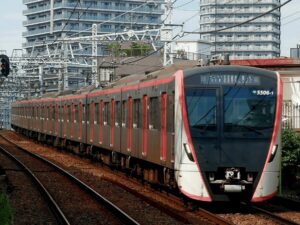
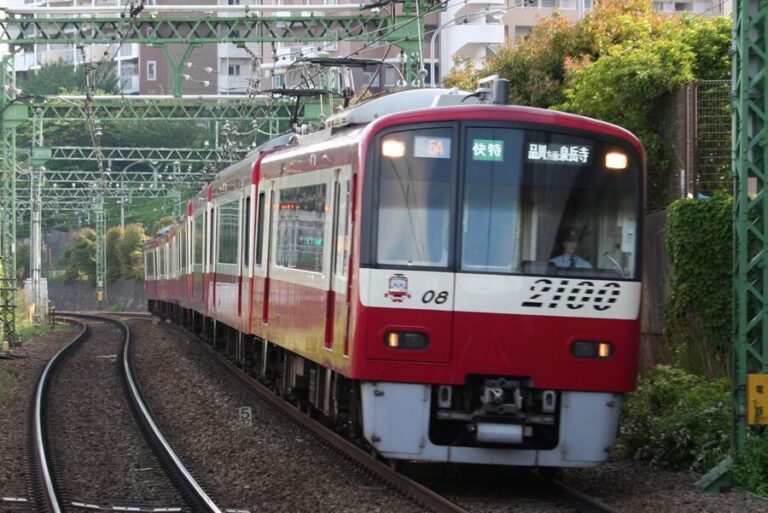
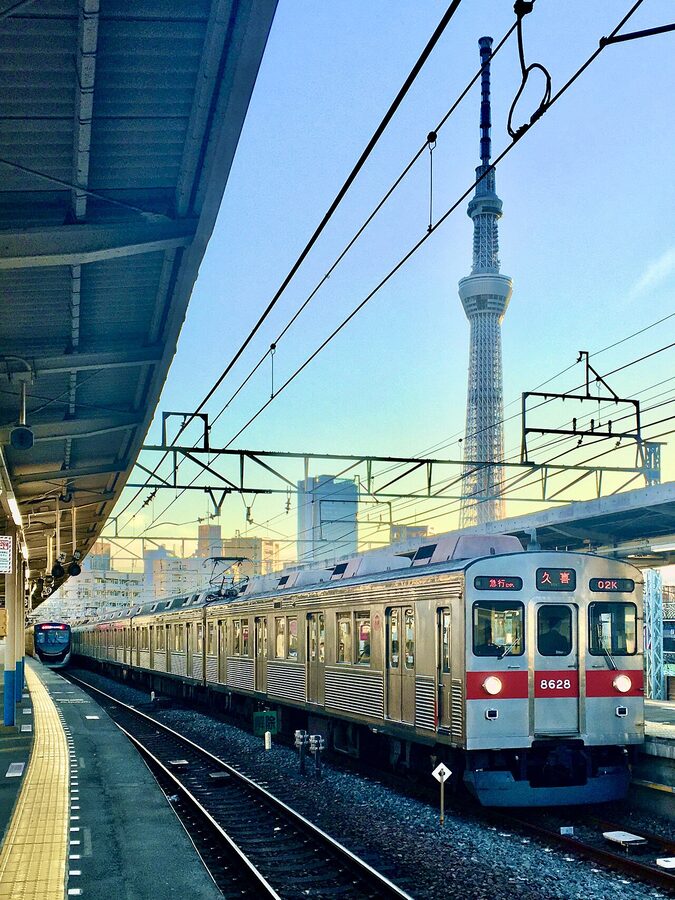
The last 8500 series to run in revenue service on the Den-en-toshi Line was set 8637F, on 25 January 2023. It pulled out of Nagatsuta with a headboard, a crowd, and forty-eight years of route maps in its travel-card readers. The 8500 had been Tokyu’s signature train since 1975: the boxy stainless-steel commuter set with the red waist stripe that Tokyu Car Corporation built four hundred of, the train that opened the Hanzomon through-running in 1978 and ran to Tobu Nikko on the same diagram from 2003. By the morning of 26 January it was the operator’s old livery only in photographs. The replacement, the 2020 series, was already doing the run.
In This Article
- What Tokyu actually runs
- The 2020 series and what came before it
- What the 2020 replaced: the 8500 series
- The 5000 family: the workhorse
- 5050 and 5050-4000 on the Toyoko: where the through-running gets long
- The 9000 series: the first VVVF Tokyu
- The 1000 series: the Hibiya Line-shaped commuters
- The 7000 series, second generation: the Sustina precursor
- The 6000 series and the 6020 Q Seat: the Oimachi reserved-seat car
- The 3000 series, the 3020, and the Y000
- The 300 series: the Setagaya tram
- Through-running: who runs onto whose tracks
- The Toyoko: five operators on one timetable
- The Den-en-toshi: through to Nikko
- The Sotetsu-Tokyu Shin-Yokohama Line: the 2023 turning point
- Riding the network
- Shibuya: which gate, which platform
- The Toyoko Limited Express to Yokohama
- The Den-en-toshi: pace yourself
- The Meguro Line and the new Shin-Yokohama tunnel
- The Oimachi Line and the Q Seat run
- The Ikegami and Tokyu-Tamagawa: the short lines
- The Setagaya tram, end to end
- Maintenance and the trains the timetable does not show
- Fares, tickets, and the practical bits
- Day passes worth knowing
- What does not work on Tokyu
- Three good days on the Tokyu network
- The Toyoko Line and Yokohama (long, scenic, urban)
- The Setagaya tram and Shoin-jinja (short, slow, oddly historical)
- The Meguro Line through to Shin-Yokohama (the new thing)
- How Tokyu sits in Tokyo
- The 8500 series and what they kept
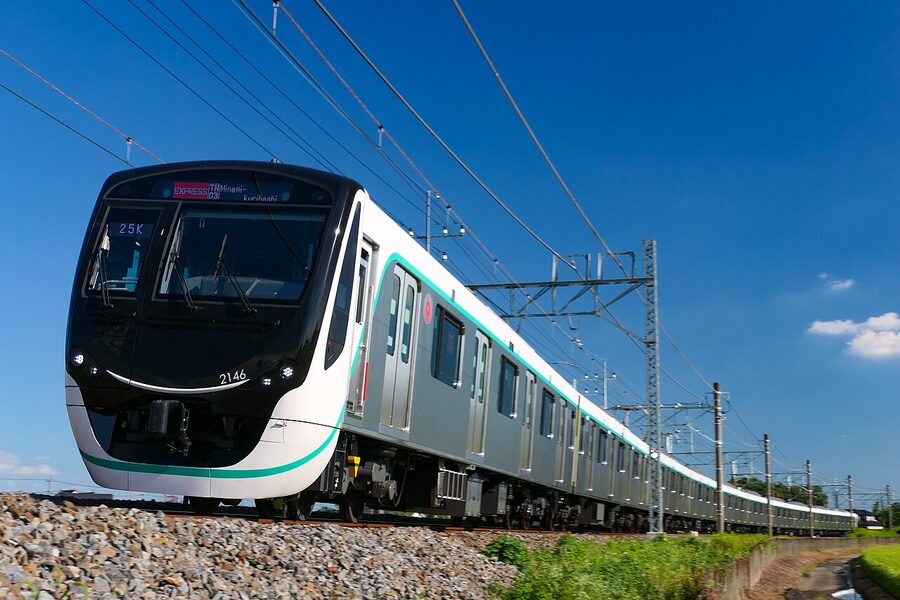
That swap is the way to read the Tokyu fleet. The trains you board today are the third stainless-steel generation in fifty years, all of them built to run off Tokyu’s eight commuter lines and onto somebody else’s, and a five-kilometre tunnel that opened in March 2023 made the through-running net wider than any other private operator in Japan. I will work through what runs on which line, why each generation matters, and where the through-services land you, then close with a practical run through the network as you would actually ride it.
If you have read the Odakyu Romancecar fleet piece or the Tobu railway trains piece in this set, the shape of this one is similar but the strategy is different. Odakyu is built around a destination (Hakone). Tobu is built around two destinations (Nikko, the Skytree). Tokyu is built around the through-running itself. There is no Hakone equivalent. Shibuya and Yokohama are the anchors and everything else gets you there in the most-share-able way possible.
What Tokyu actually runs
Eight commuter lines, one tram, and a 3.4 km branch out to a children’s park. The commuter network spans 104.9 km on the operator’s own published 2024 figures; add the Setagaya tram, the children’s-park branch, and the new Shin-Yokohama Line and you reach the round-number 110-ish km that brochures cite. Nine lines, and the count only stays at nine if you accept the Setagaya tram and the Kodomo-no-kuni branch as Tokyu lines, which Tokyu’s own brochure does and which the legal paperwork mostly does not. Treat it as eight commuter lines plus a tram, and you have the shape of the operator.
Two of those lines do almost all of the work. The Toyoko runs Shibuya to Yokohama, 24.2 km, and connects on both ends to other operators’ tracks (Fukutoshin and Minatomirai). The Den-en-toshi runs Shibuya to Chuo-Rinkan, 31.5 km, and connects to the Hanzomon at Shibuya and the Tobu Skytree on the far side. Add the Meguro Line and the new Shin-Yokohama Line and you have the three of four arteries that ride into other operators’ networks. The Setagaya tram, the Ikegami, the Tokyu-Tamagawa, the Oimachi, and the Kodomo-no-kuni run nowhere but Tokyu metals and use rolling stock that does the same.
| Line | Length | Through-running to | Main rolling stock | What it is for |
|---|---|---|---|---|
| Toyoko | 24.2 km | Tokyo Metro Fukutoshin, Tobu Tojo, Seibu Ikebukuro, Yokohama Minatomirai | 5050, 5050-4000 | Shibuya to Yokohama, 26 minutes on a Limited Express |
| Den-en-toshi | 31.5 km | Tokyo Metro Hanzomon, Tobu Skytree, Tobu Isesaki to Kuki, Tobu Nikko to Minami-Kurihashi | 2020, 5000 | Suburban arc, Tokyu’s longest line |
| Meguro | 11.9 km | Tokyo Metro Namboku, Toei Mita, Saitama Rapid; Sotetsu via Shin-Yokohama | 3020, 5080 | Eastern through-running spine |
| Shin-Yokohama | 5.8 km | Sotetsu Shin-Yokohama Line and beyond | 3020, 5080 | Shinkansen connection from northern Yokohama |
| Oimachi | 10.4 km | Express services share Den-en-toshi tracks Mizonokuchi to Nagatsuta | 6020, 6000, 9000 | Q Seat reserved-seat run, evening expresses |
| Ikegami | 10.9 km | None | 7000, 1000 | 1980s commuter feel, temple-town stops |
| Tokyu-Tamagawa | 5.6 km | None | 7000, 1000 | Short shuttle from Kamata to Tamagawa |
| Setagaya (tram) | 5.0 km | None (gauge incompatible) | 300 series | 1372 mm tram, ten different liveries |
| Kodomo-no-kuni | 3.4 km | None (operated for Yokohama Minatomirai Railway) | Y000 | Family run to Children’s Park |
Read it as a hub-and-spokes diagram and the picture goes wrong. Read it as two arteries (Toyoko, Den-en-toshi), one bypass (Meguro plus Shin-Yokohama), and four short lines that feed the arteries, and it lines up. The fleet sorts the same way.
The 2020 series and what came before it
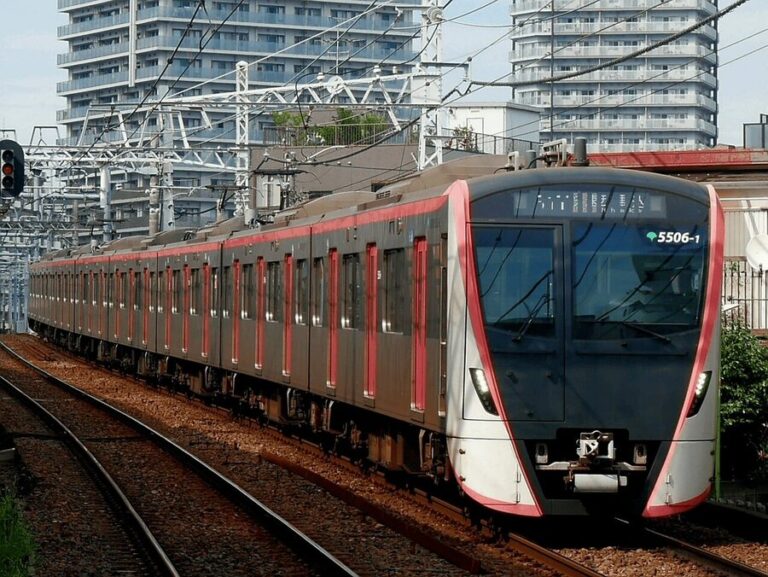
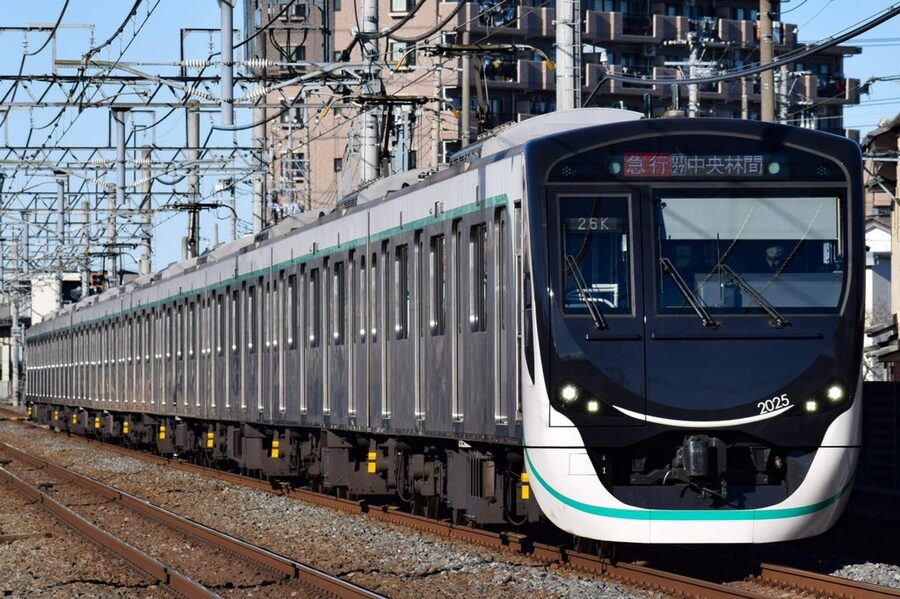
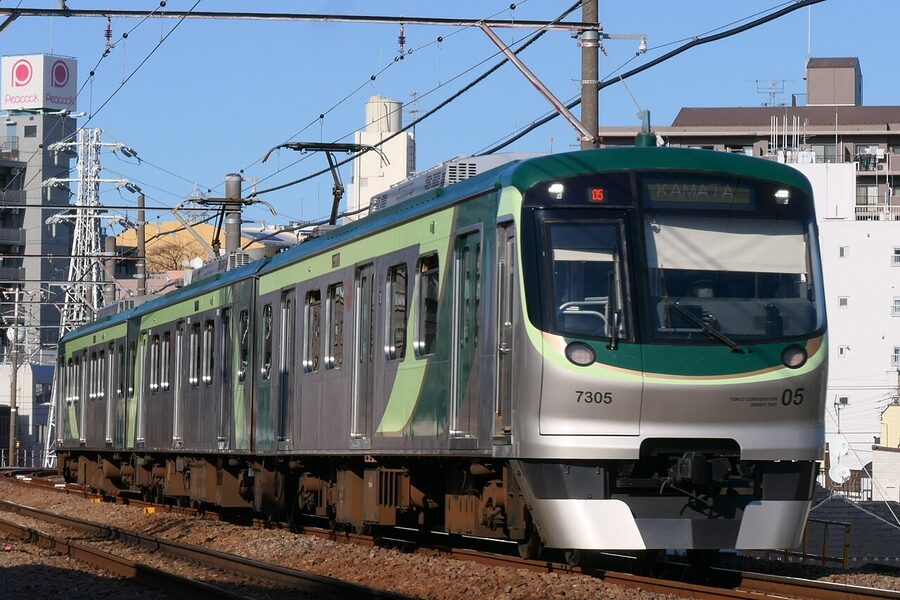
The 2020 series is the train Tokyu would like you to associate with the operator. It went into service on 28 March 2018 on the Den-en-toshi Line and was named for the year of Tokyu’s centenary, not its delivery slot. J-TREC built it on the company’s Sustina stainless-steel platform. Ten cars per set, double-glazed windows, full LED lighting, ATO-ready, the whole thing about 10 percent lighter than the 5000 series it sits next to in the Den-en-toshi fleet. The same hardware turns up on the Meguro Line as the 3020 series (eight cars) and on the Oimachi Line as the 6020 series (five and seven cars). Different numbers, same train. This is Tokyu’s pattern, repeated three generations deep.
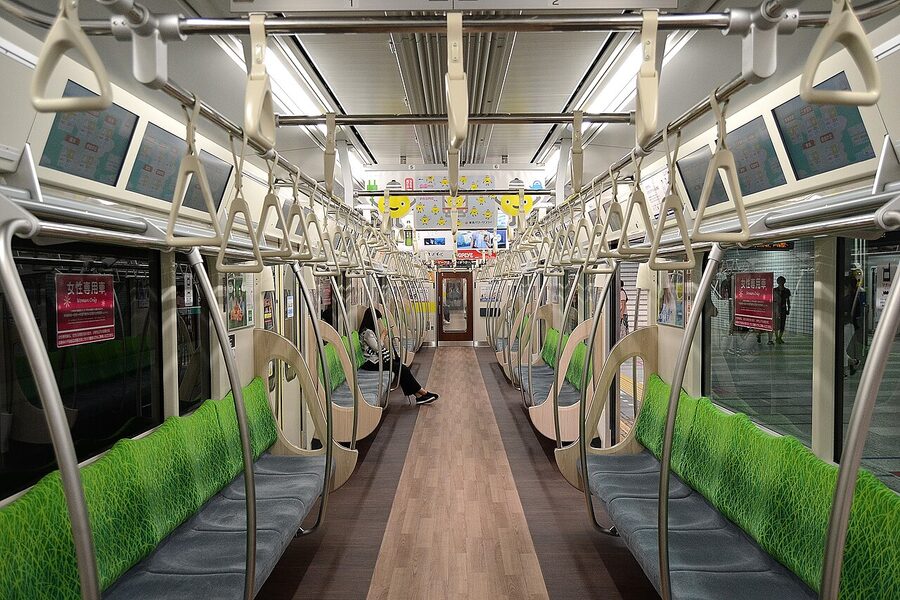
Inside, the 2020 has the kind of small upgrades that read as inconsequential on a marketing page and matter on a Wednesday morning. Wider seat backs. LED route maps with the through-running diagram pre-loaded for every line the train can reach (which is a long list). Air conditioning sized for a Tokyo summer rather than a planning-document one. USB-A sockets at the priority seat ends. The cab end is ATO-ready for the CBTC system Tokyu plans to commission on the Den-en-toshi from 2028, which is the kind of detail you only notice if you are looking through the front windscreen at Tana and counting how often the headcode changes.
What the 2020 replaced: the 8500 series
For five decades the train you boarded at Shibuya for a Den-en-toshi limited express was an 8500. Tokyu Car Corporation built 400 cars between 1975 and 1991. The 8500 was the train that took the new Shin-Tamagawa Line underground in 1977, the train that opened the Hanzomon through-service in 1978, the train that ran out to Tobu Nikko after 2003 on the same diagram. It picked up a Laurel Prize in 1976 and never ran on a different operator under its original name. Forty-eight years on a single set of metals.
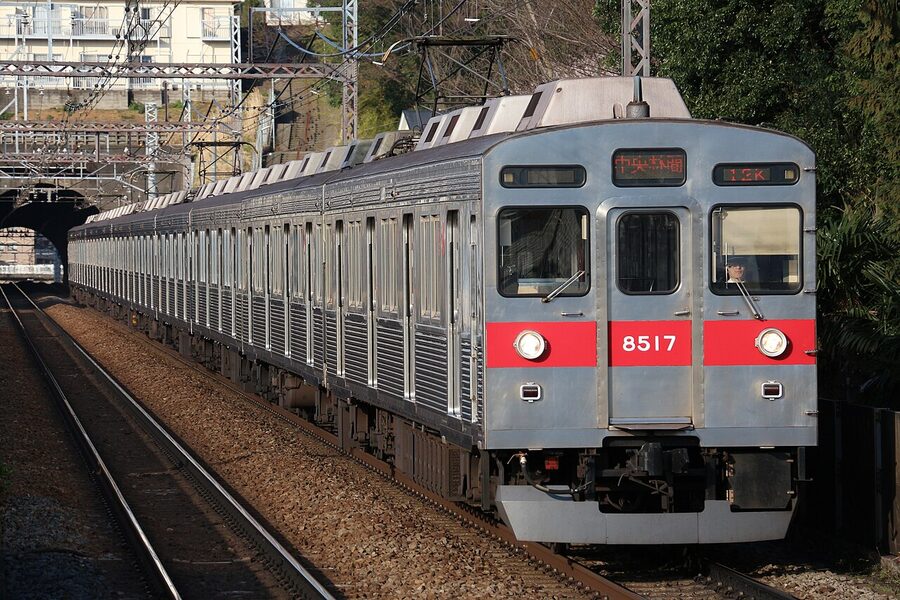
The retirement was slow on purpose. Tokyu suspended 8500 withdrawals in 2009 to keep stock numbers up for the Toyoko-Fukutoshin through-running launch, then resumed them in 2018 once the 2020 series started arriving. The last revenue diagram, on 25 January 2023, was set 8637F: the only 8500 with VVVF inverter control rather than the field-chopper system the rest of the class used. Tokyu kept 8637F in non-revenue service for events, and a handful of cars were sold to the Nagano Electric Railway in 2005-2008 (where they still run), to Indonesia’s KAI Commuter from 2006 (where they were retired in November 2025), and one each to small museums.
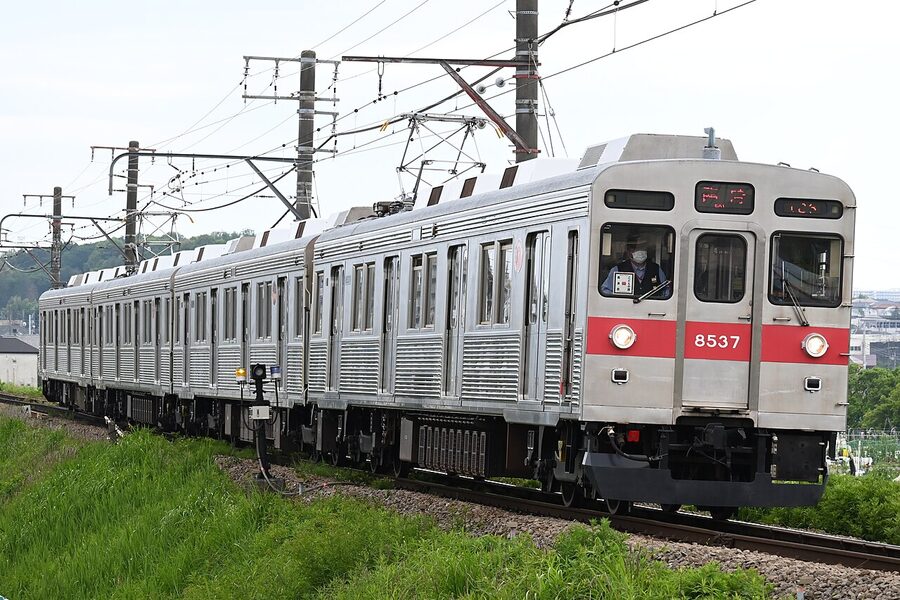
The 8500 mattered partly because it was the first Japanese commuter set to be built around through-running from the start. Tokyu and the then-Teito Rapid Transit Authority (now Tokyo Metro) wrote a shared spec for the train and Tokyo Metro built its own 8000 series to match. That detail, more than any single design choice, is why the 8500 felt like a Tokyo Metro train as well as a Tokyu one when it crossed Shibuya into the Hanzomon.
The 5000 family: the workhorse
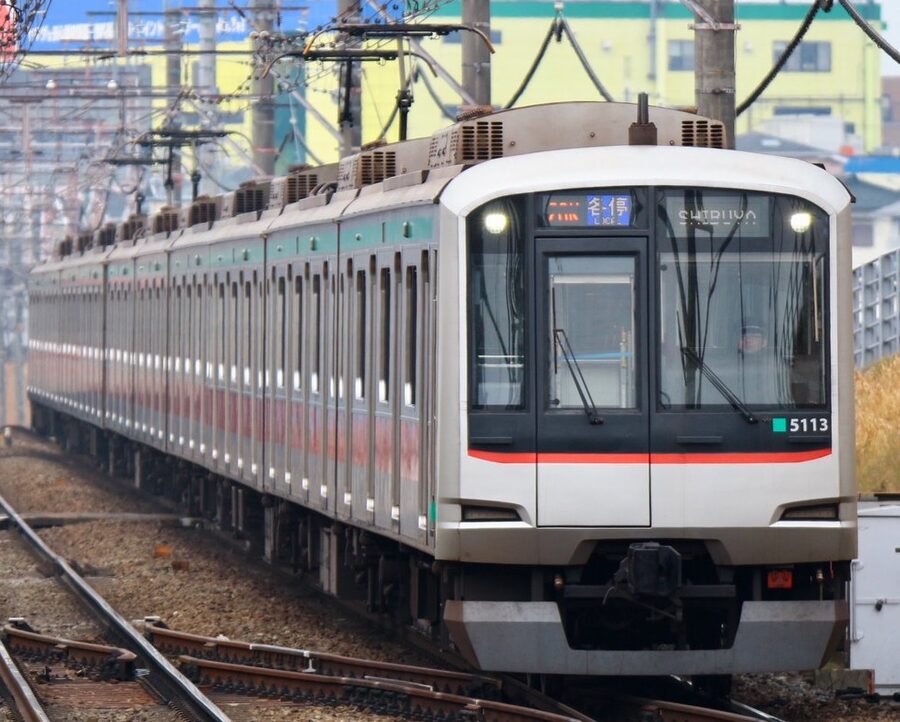
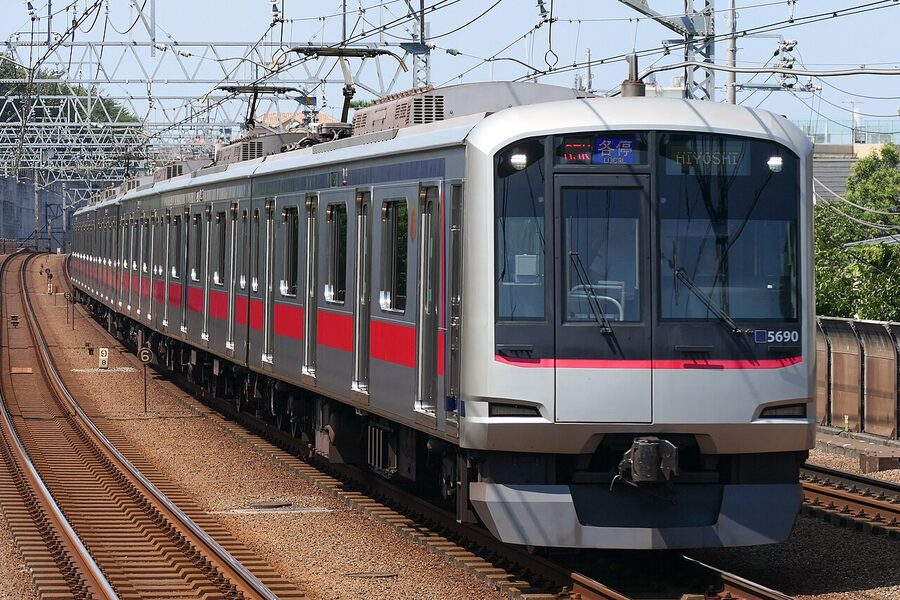
If the 2020 is the 2018 flagship and the 8500 was the 1975 icon, the 5000 family is what most riders actually feel under their feet on a Tokyu line on any given day. Introduced in 2002, derived from JR East’s E231 platform, built by Tokyu Car Corporation and later J-TREC, the 5000 family runs as four numbered sub-series: 5000 on the Den-en-toshi (ten cars), 5050 on the Toyoko (eight cars; ten on Limited Express runs), 5050-4000 on Toyoko Limited Express through-runs to Seibu and Tobu (ten cars), and 5080 on the Meguro and Shin-Yokohama Lines (eight cars). One body. Four numbers. Five lines.
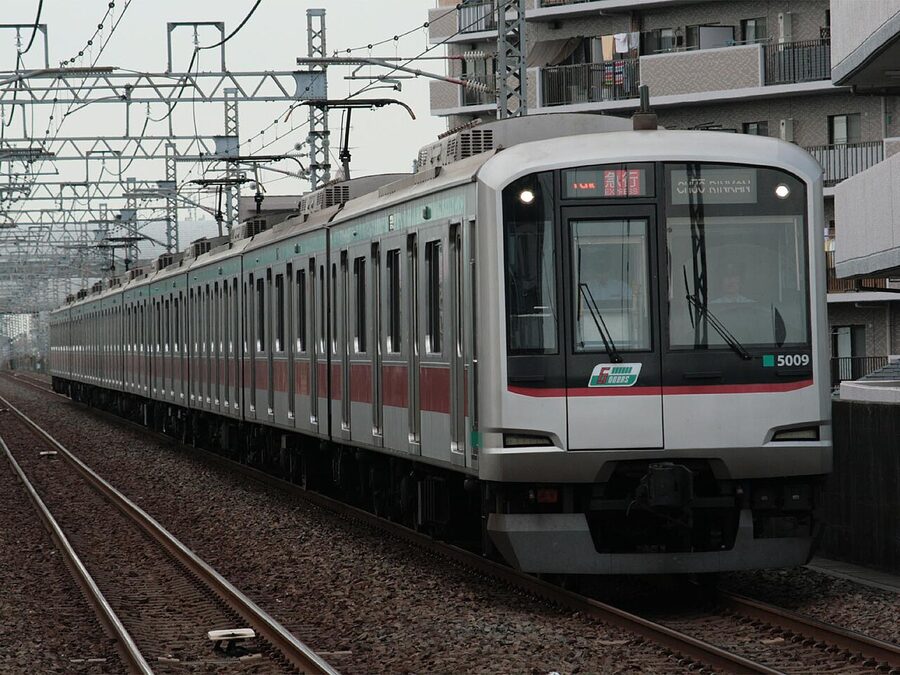
The 5000 was Tokyu’s response to two problems that arrived together. The 8500 was forty cars short for the Toyoko-Fukutoshin through-running plan, and the operator wanted to drop the cost of the fleet by switching to JR-derived stock. The 5000 design solved both. Tokyu Car (now J-TREC) had been the manufacturer of the JR East E231 anyway, and the cost of running an E231 derivative was about 20 percent lower than the 8500 it replaced. By 2014 the 5000 family had reached 442 cars across its four sub-series, and the 8500 retirement schedule that had been on hold since 2009 could move again.
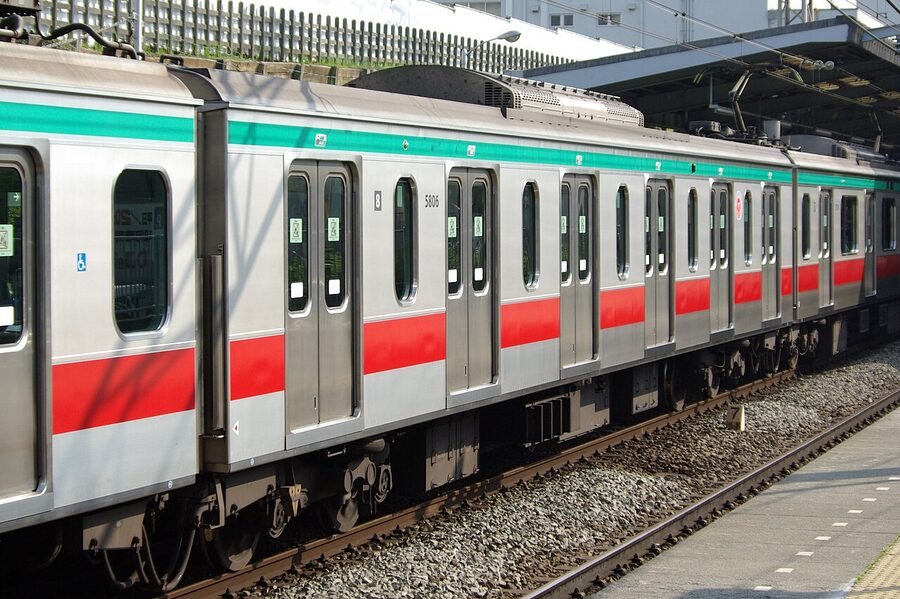
Six-door cars are the small detail to know about. Between 2005 and 2014, Tokyu inserted six-door cars into selected 5000 series sets on the Den-en-toshi to ease the morning crush. They had no seats during the 07:30 to 09:30 rush and folding seats outside it. By 2018 the rush-hour pattern had shifted enough that the six-door cars came out again and got replaced with four-door rebuilds. If you ride a 5000 set on the Den-en-toshi today you are riding what is effectively the 2018 reformation of a 2005 train; the family number says one thing, the actual carriages another.
5050 and 5050-4000 on the Toyoko: where the through-running gets long
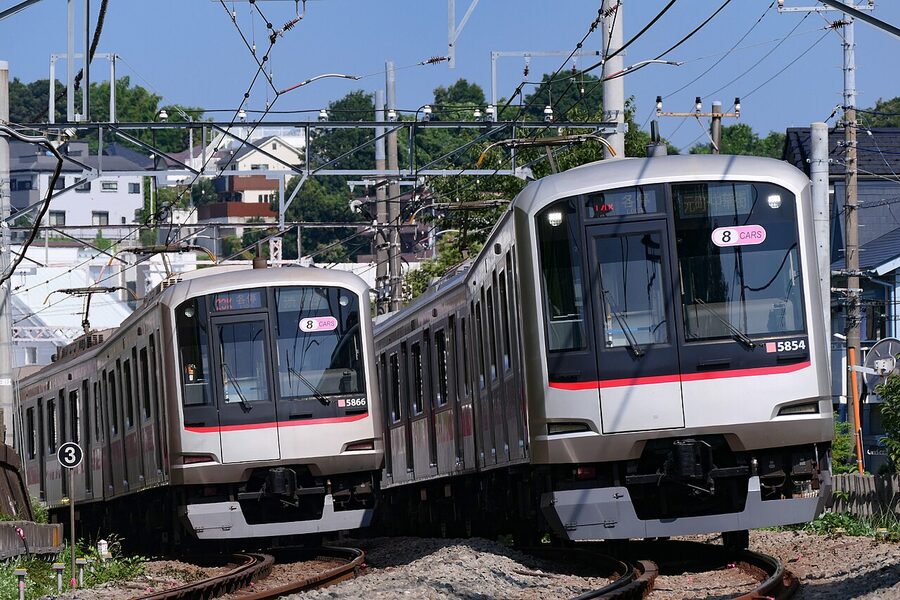
Variant nomenclature on Tokyu rolling stock makes more sense if you read it as the operator did: same body, sub-series number reflects the line and the through-running sticker set. The 5050 series is the eight-car 5000 derivative built for the Toyoko Line, introduced 2004. The 5050-4000 is a ten-car version added from 2011 specifically for the Tokyo Metro Fukutoshin Line through-services to Tobu Tojo and Seibu Ikebukuro, which started in March 2013. They are the same train. Different lengths, different signalling kits, different paperwork.
The 9000 series: the first VVVF Tokyu
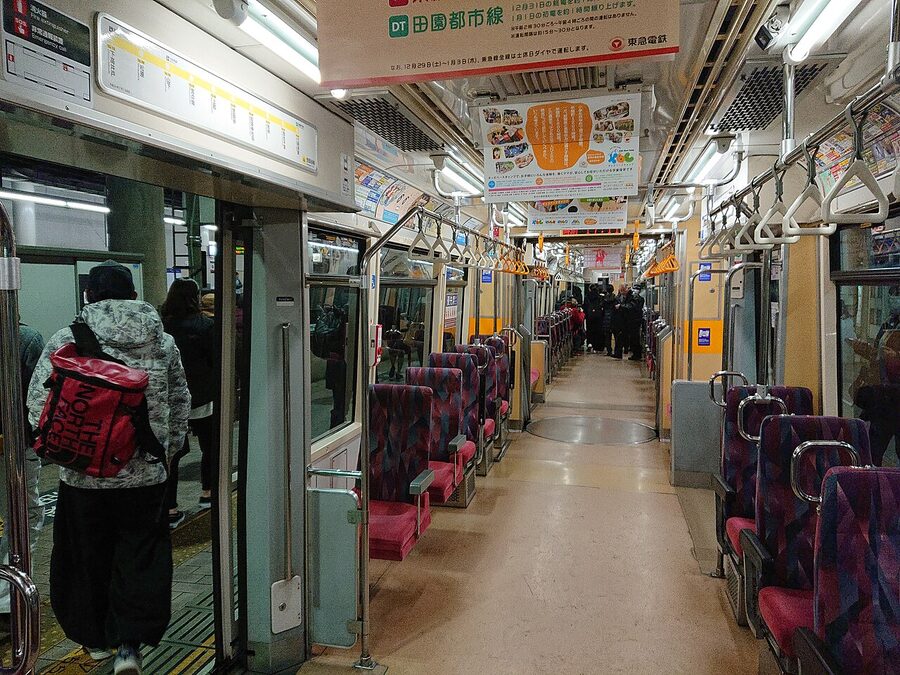
The 9000 series was Tokyu’s first variable-voltage variable-frequency commuter set, and the train that gave the operator a way out of the chopper-control technology the 8500 had been built around. Fourteen eight-car sets and one five-car set, 117 cars in total, all built by Tokyu Car between 1986 and 1991. The original deployment was on the Toyoko Line, where 9000 sets ran the Limited Express to Yokohama (and onto the Minatomirai Line after 2004) for two decades. In 2009 Tokyu moved the entire Toyoko fleet over to the Oimachi Line as the 5050 took over Toyoko duties. They have run there ever since, mostly as four-car sets, increasingly in the bright orange and yellow Oimachi Line wrap.
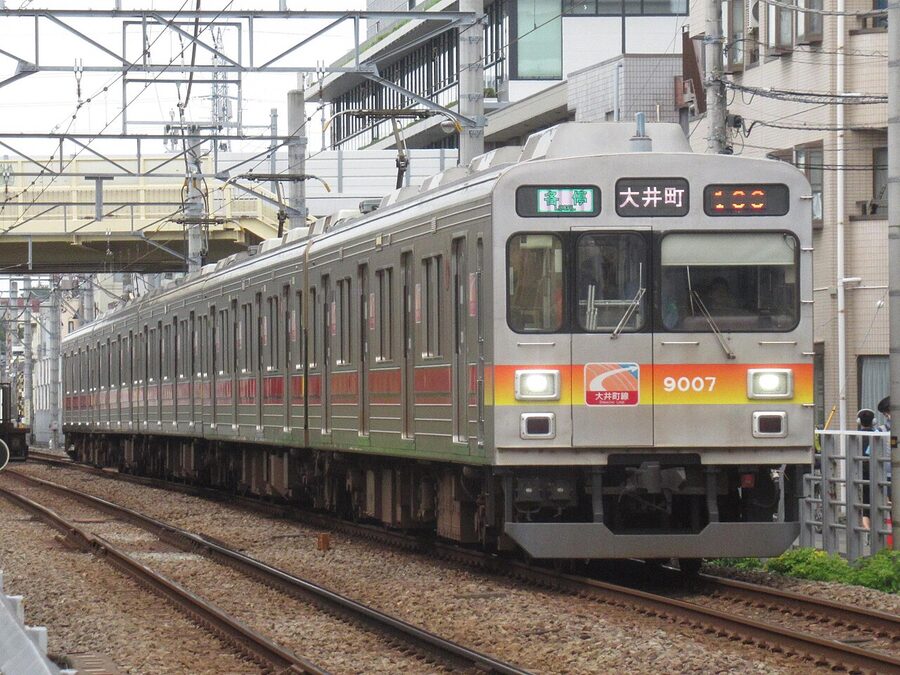
Recent news on the 9000s. Seibu Railway bought a fleet of nine 9000 series sets from Tokyu in 2024 for use on its New Tokoro Line as part of Seibu’s own retirement of older stock. The transferred sets will be renumbered Seibu 7000 series in service. If you read this article and notice 9000s thinning out on the Oimachi, that is why; the 6020 and 6000 series are taking over a larger share of the Oimachi schedule.
The 1000 series: the Hibiya Line-shaped commuters
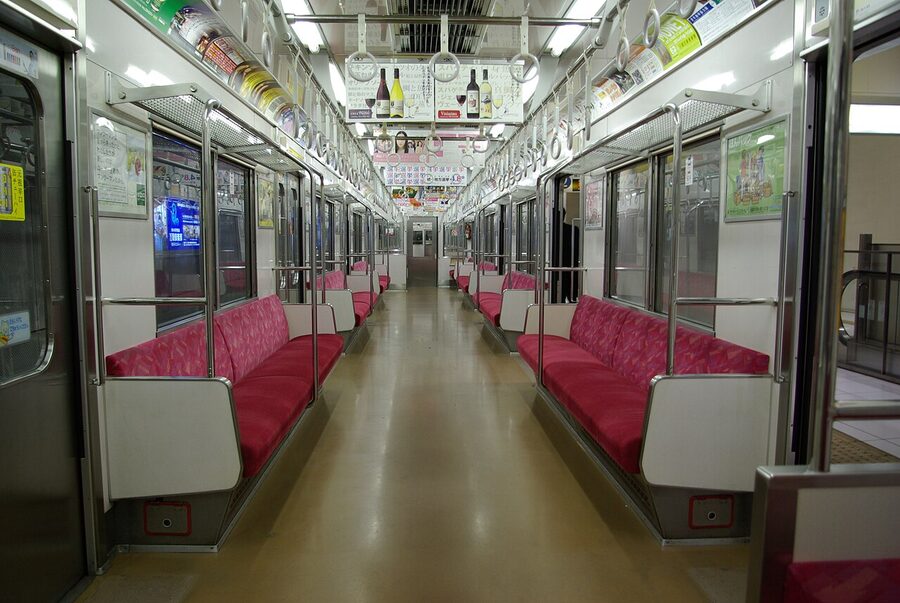
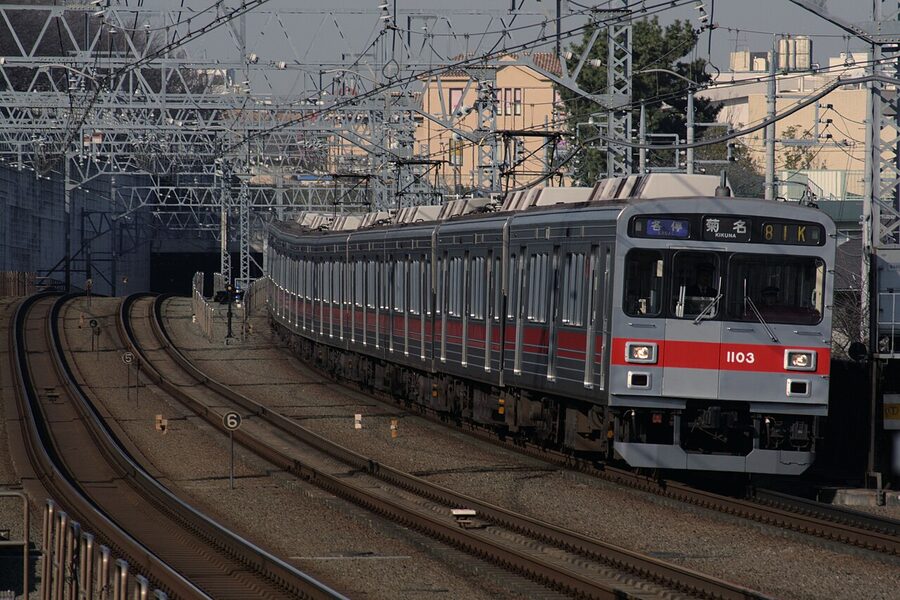
The 1000 series is Tokyu’s odd one out. Built between 1988 and 1992, body length 18 metres rather than the 20 metres Tokyu used for everything else, three doors per side rather than four. The reason is the Tokyo Metro Hibiya Line, which Tokyu’s Toyoko Line through-ran with from 1964 to 2013. The Hibiya Line is built around 18-metre stock for tunnel-clearance reasons, so any Tokyu train that ran onto it had to match.
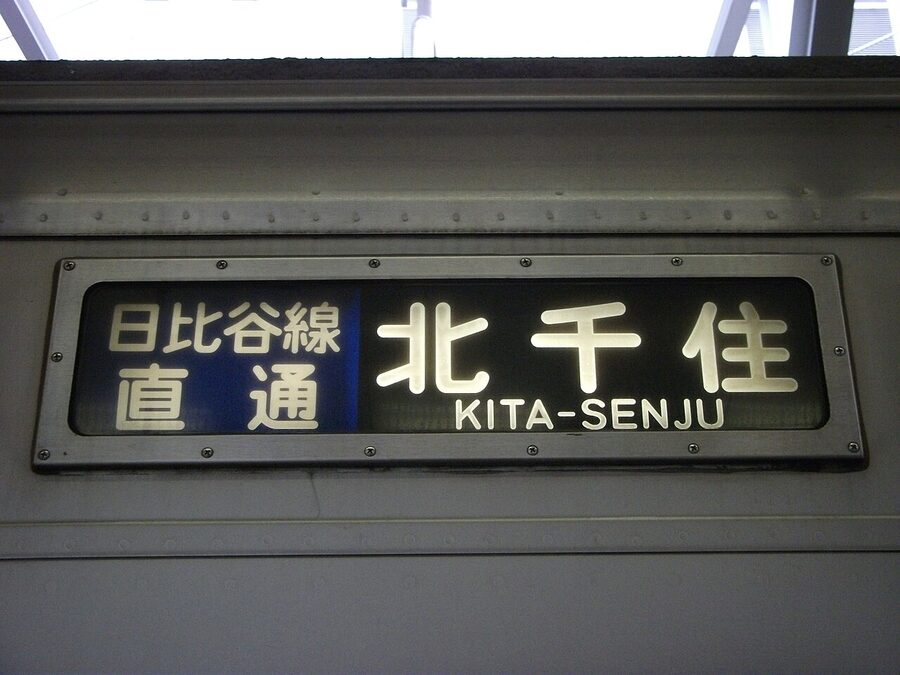
When the Toyoko swapped its through-running partner from the Hibiya Line to the Fukutoshin Line on 18 March 2013, the 1000 series was suddenly a fleet built for a job nobody had any more. Tokyu’s solution was creative. The eight-car Toyoko sets were rebuilt into three-car sets and reassigned to the Ikegami Line and the Tokyu-Tamagawa Line, both of which run three-car trains on platforms too short for anything else. Other former 8-car sets went to outside operators, ten ended up as Iga Railway 200 series sets in Mie Prefecture, four are with Ueda Electric Railway in Nagano, and a number went to Fukushima Transportation. If you ride a regional electric line in central Honshu, the 18-metre car you board may well be a Tokyu 1000 wearing somebody else’s livery.
The 7000 series, second generation: the Sustina precursor
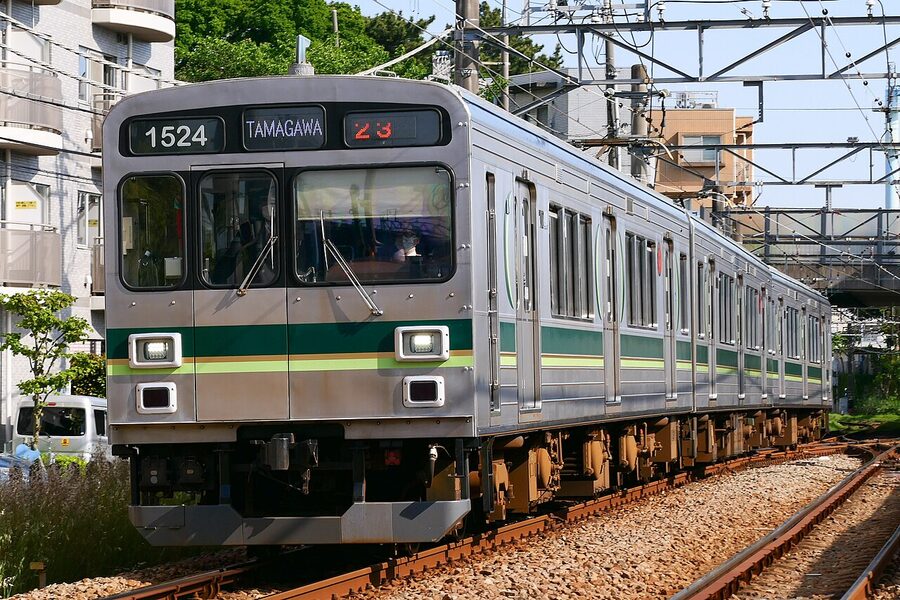
The 2007 7000 series is not the 1962 7000 series. The original 7000 was Japan’s first all-stainless-steel commuter train and ran on the Toyoko, Den-en-toshi, and Setagaya Lines for forty years before retirement. The current 7000, introduced 2007, is unrelated except for the number; it is a J-TREC Sustina-precursor design built specifically for the Ikegami Line and the Tokyu-Tamagawa Line. Three cars per set, 18 metres per car, three doors. Unusual rolling stock built for unusual lines.
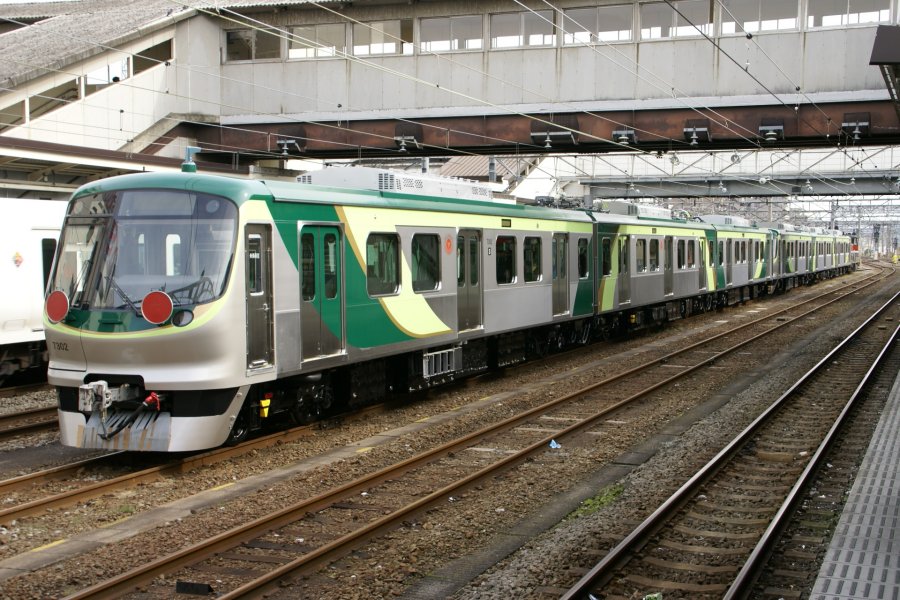
The 7000 was the first Tokyu set to use the new Sustina body shell that the 2020 series later inherited and scaled up. Lighter than the steel cars it replaced. Closer-spaced bogies. LED route map screens (a 2007 thing now, a baseline now). The Ikegami Line and the Tamagawa Line have been almost entirely 7000 territory since around 2015, with the older 1000-1500 sub-series filling in.
The 6000 series and the 6020 Q Seat: the Oimachi reserved-seat car
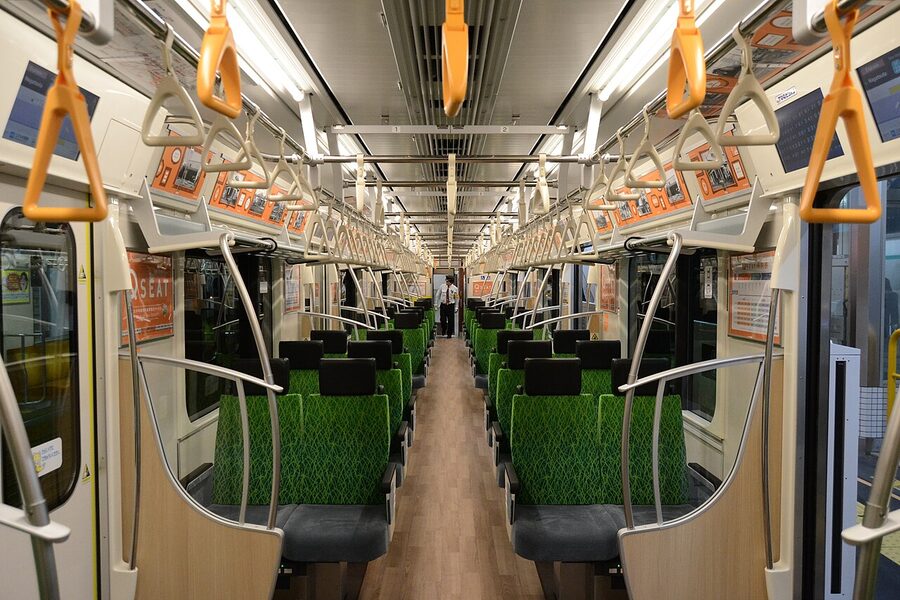
The 6000 series went into service in 2008 specifically for Oimachi Line express runs that share Den-en-toshi metals between Mizonokuchi and Nagatsuta. Six-car or seven-car sets, all 5000-family lineage on the technical side. The interesting one is the 6020, the 2020-derivative Tokyu added from 2018. Among the 6020s, two cars in each set are Q Seat reserved-seat carriages: 2-and-2 cross seating, paid surcharge, evening-only operation.
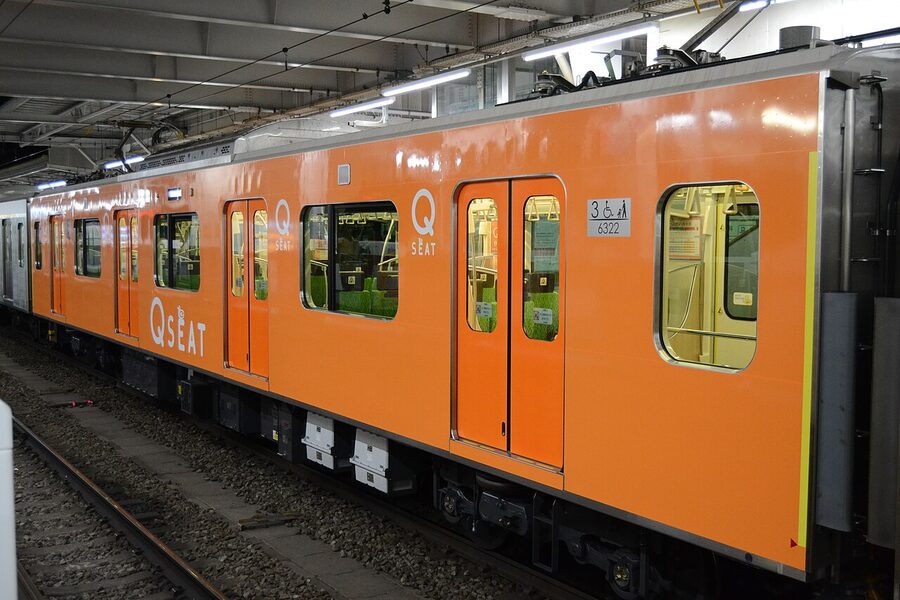
Q Seat is the small luxury you would not expect from a Tokyu line. ¥500 surcharge on top of the base fare buys you a guaranteed reserved seat from Oimachi to Nagatsuta on the evening commute. The seats rotate between cross-seating mode (Q Seat run) and longitudinal commuter-bench (rest of the day) on a hydraulic mechanism. It is not a Romancecar; it is a workday-evening reserved seat in the middle of an otherwise standing-room commute, and at ¥500 it is one of the better-value reserved tickets in Tokyo. The catch is that Q Seat runs eastbound only, in the evening, and only Oimachi to Nagatsuta. Westbound mornings are commuter standing.
The 3000 series, the 3020, and the Y000
The 3000 series was built for the Meguro Line in 1999, when Tokyu rebuilt the Mekama Line as the Meguro Line in preparation for through-running with the Tokyo Metro Namboku Line and the Toei Mita Line that started in September 2000. Six cars, similar bones to the 9000, with the through-running protection kits for both subway operators on board from delivery. The 3020 is the 2020-derivative that arrived in 2019, also for the Meguro Line, an eight-car set built specifically for the additional capacity that the Sotetsu through-running required.
Y000 series belongs to a separate operator. The Yokohama Minatomirai Railway, which Tokyu operates on contract, runs Y000 sets on the Kodomo-no-kuni Line. Two-car sets. They look like Tokyu trains because Tokyu Car built them, but the legal owner is Minatomirai, and the line is a 3.4-km branch from Nagatsuta out to Yokohama Children’s Park. The Y000 is Tokyu’s smallest passenger train and the only one whose number does not refer to a Tokyu series.
The 300 series: the Setagaya tram
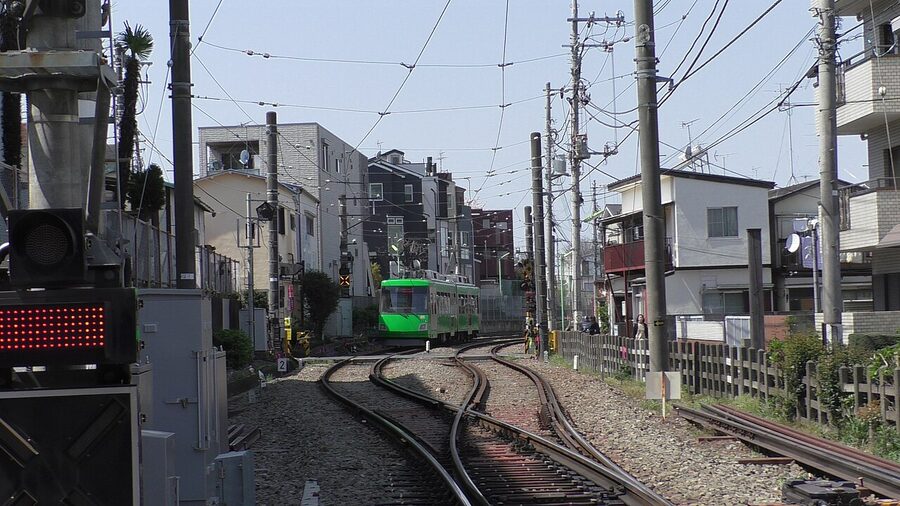
The Setagaya Line is Tokyu’s only tram, the only standard surviving fragment of the old Tamagawa Electric Railway that Goto Keita acquired in 1937, and the only Tokyu line that does not connect to the rest of the network at any point. The track gauge is 1372 mm, a holdover from the Tokyo Tramway era, and is incompatible with everything else Tokyu owns. The rolling stock is the 300 series, ten two-car articulated sets built by Tokyu Car in 1999, and the trams have been wearing rotating themed liveries since.
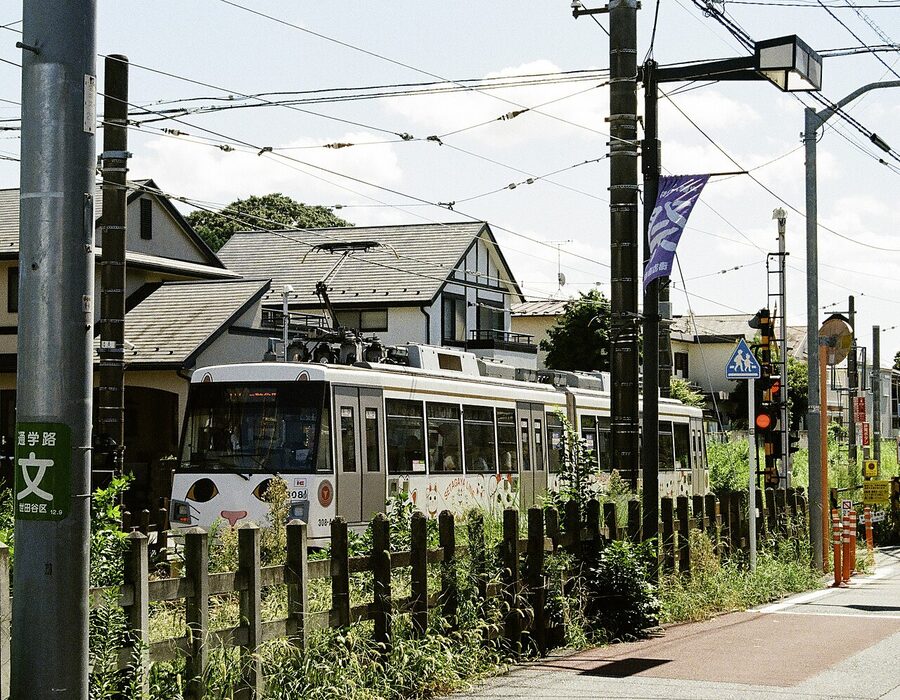
The Setagaya tram is the line you ride for the line itself. Five kilometres from Sangen-Jaya to Shimo-Takaido, ten stations, fifteen-minute end-to-end at the timetable, the trams come every six minutes during the day. Flat ¥160 fare regardless of distance. There is one walking detour worth knowing, and that is the Shoin-jinja stop, four minutes off the platform to a small Edo-period shrine that holds the grave of Yoshida Shoin, the Choshu scholar who taught the men who later toppled the shogunate. Few tourists make it that far. The tram is a destination in itself.
Through-running: who runs onto whose tracks
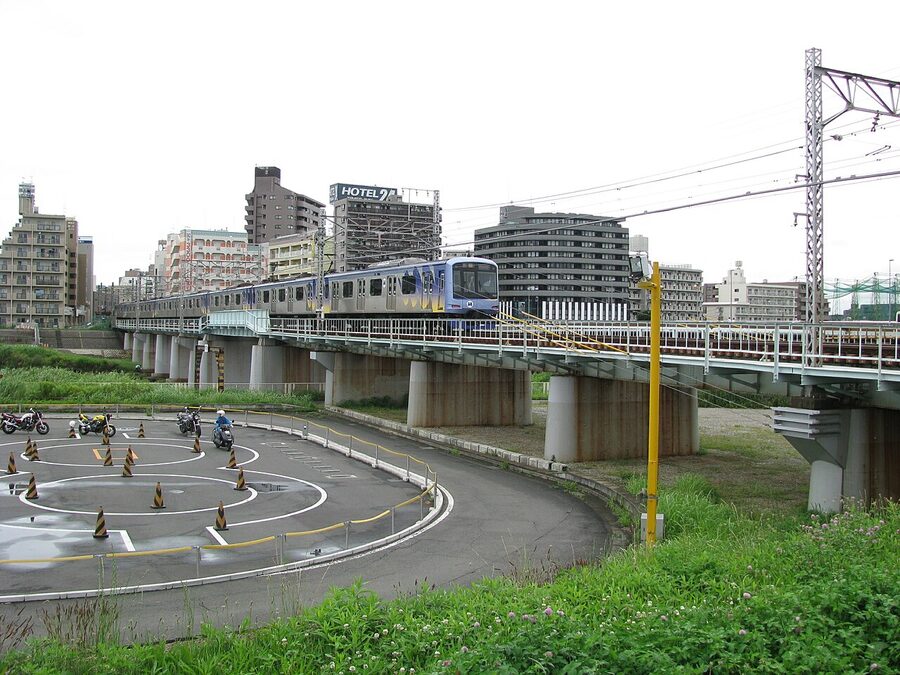
The way to understand Tokyu’s economics is to count the operators whose trains you might ride from a single Tokyu platform. The Toyoko Line, since March 2013, accepts trains from five separate operators: Tokyu (5050, 5050-4000), Tokyo Metro (Fukutoshin Line 17000 and 7000 series), Tobu (50070 series on the Tojo Line), Seibu (40000 and 6000 series on the Ikebukuro Line), and Yokohama Minatomirai Railway (Y500 series). The Den-en-toshi accepts trains from three: Tokyu (2020, 5000), Tokyo Metro (Hanzomon Line 18000 and 08 series), and Tobu (50050 series on the Skytree Line through to Nikko). The Meguro Line and the Shin-Yokohama Line accept trains from five: Tokyu (3020, 5080), Tokyo Metro (Namboku 9000 series), Toei (Mita Line 6500 series), Saitama Rapid Railway (2000 series), and Sotetsu (20000, 21000 series). One operator, fourteen rolling-stock series, three through-running clusters.
The Toyoko: five operators on one timetable
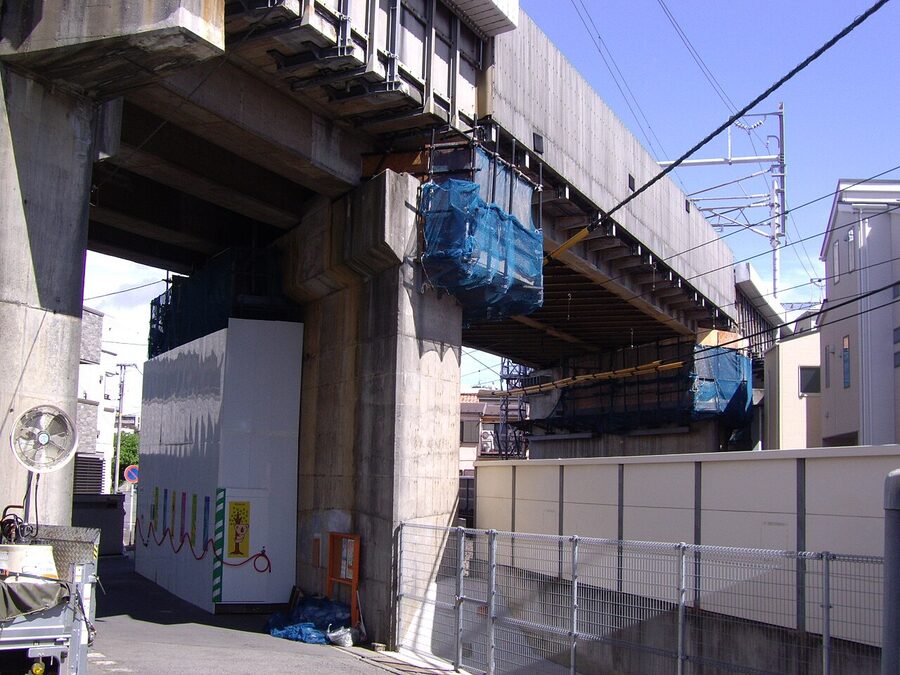
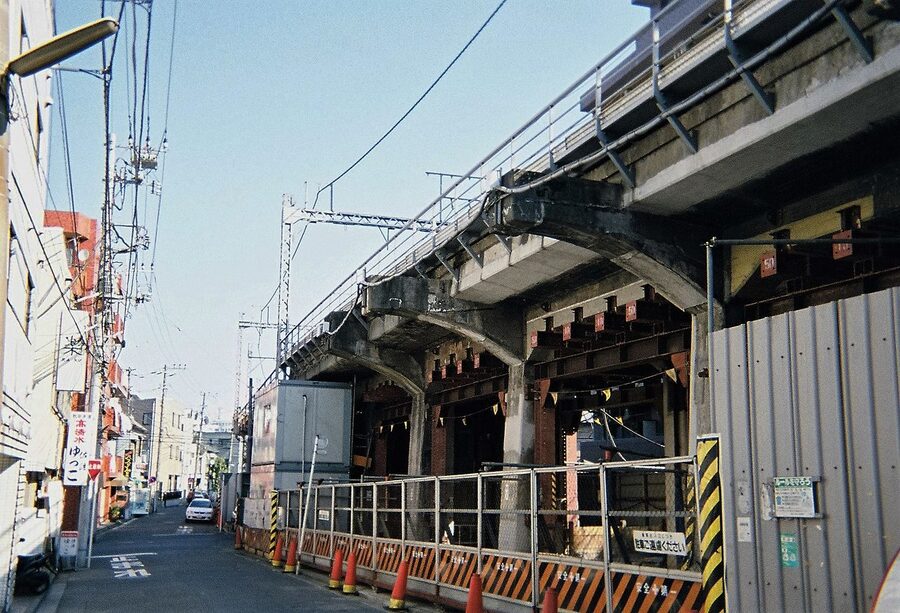
The Toyoko-Fukutoshin through-running started on 16 March 2013 and is the largest single timetable change in modern Tokyo metro history. The conversion cost ¥76 billion. The old elevated terminus at Shibuya, where the Toyoko had stopped since 1934, was retired the night before the change; the new platform, four levels underground, opened the next morning. The same change folded in the Tokyo Metro Fukutoshin Line on the north side of Shibuya and the Yokohama Minatomirai Line on the south side of Yokohama, with through-running into the Tobu Tojo and Seibu Ikebukuro on the far north end. From the timetable’s point of view, an evening Limited Express from Hannō (Seibu Ikebukuro) to Motomachi-Chukagai (Minatomirai) was now a single train.
Five operators on one timetable means train numbers change but the train you board does not. A Hannō-bound run leaves Motomachi-Chukagai as a Yokohama Minatomirai service, becomes a Tokyu Limited Express at Yokohama, becomes a Tokyo Metro service at Shibuya, becomes a Tobu service at Wakōshi (or a Seibu service at Kotesashi), and arrives at Hannō about 90 minutes later. The driver changes at Wakōshi or Kotesashi. The conductor changes at Shibuya. The carriage you sat down in is the same one. The rolling stock you rode could have been Tokyu, Tokyo Metro, Tobu, Seibu, or Minatomirai depending on which operator’s diagram supplied that particular run.
The Den-en-toshi: through to Nikko
The Den-en-toshi has run onto the Hanzomon since 1978 (when the Hanzomon was the Shin-Tamagawa Line and the Hanzomon was just an idea on a map; the through-service preceded the Hanzomon’s full opening). Since 2003 the Hanzomon has run onto the Tobu Skytree Line, which means a Den-en-toshi train from Chuo-Rinkan can arrive at Tobu’s Minami-Kurihashi Station and continue onto the Tobu Nikko Line. From 2006 the same diagram extended to Kuki on the Tobu Isesaki Line.
The Den-en-toshi-Hanzomon-Tobu cluster makes a triangle of distances: Shibuya to Chuo-Rinkan is 31.5 km. Shibuya to Oshiage (the end of the Hanzomon) is 16.8 km. Oshiage to Minami-Kurihashi on the Tobu Skytree is 33.3 km. Add the Tobu Nikko branch and you have a single train from suburban Yokohama to within 80 km of Nikko, all on a normal commuter ticket. Through-running fares are the catch: each operator charges its own fare, so the Chuo-Rinkan to Minami-Kurihashi run is ¥1,400 plus, even though it is a single train. If you are riding for the journey rather than the destination, take the Tobu side trip instead and treat the Den-en-toshi as the connector. The cluster article on the Tobu Railway side covers the Nikko end.
The Sotetsu-Tokyu Shin-Yokohama Line: the 2023 turning point
This is the new infrastructure. The Sotetsu-Tokyu Direct Line opened on 18 March 2023 and is, in operating terms, two lines: the Sotetsu Shin-Yokohama Line (Sotetsu Nishiya Station to Shin-Yokohama Station, 6.3 km) and the Tokyu Shin-Yokohama Line (Shin-Yokohama Station to Hiyoshi Station on the Meguro Line, 5.8 km). Built jointly by Sotetsu and Tokyu and the JRTT (the rail-construction agency), opened forty years after the routing was first proposed.
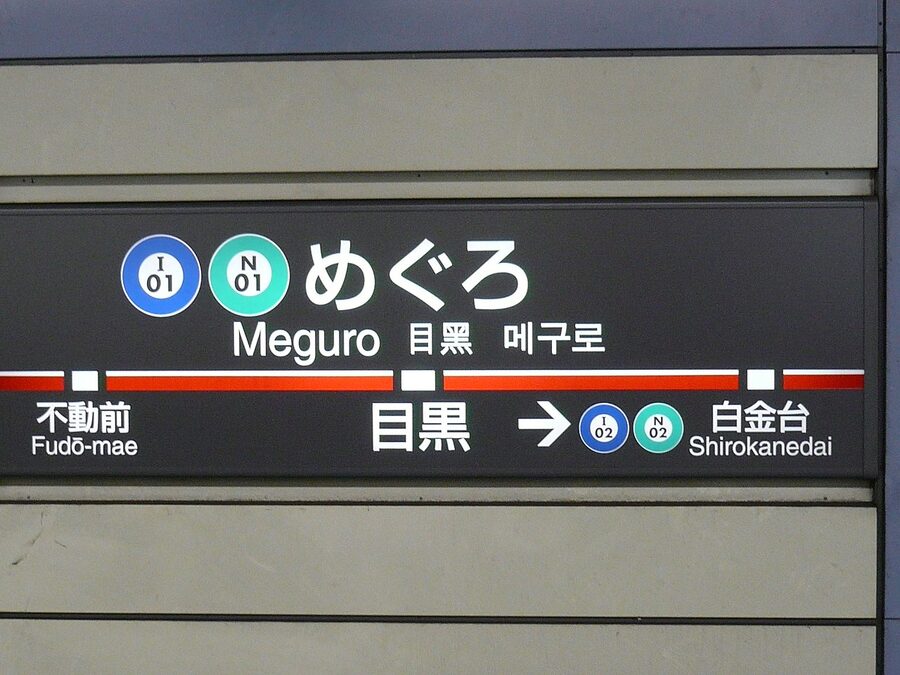
The effect on the Meguro Line was immediate. From March 2023 a Meguro Line train can leave Akabane-Iwabuchi (Saitama Rapid Railway, north of Tokyo) and arrive at Ebina or Shōnandai in Kanagawa Prefecture, an end-to-end run of 71 km without changing trains, on five operators’ tracks (Saitama Rapid, Tokyo Metro Namboku, Tokyu Meguro, Tokyu Shin-Yokohama, Sotetsu). The catch is the same one as the Toyoko: through-running fares stack across operators. Akabane-Iwabuchi to Shōnandai is ¥1,500 single. There is also a JR-equivalent through-running diagram via the Saikyo Line, which since the launch of the through-running combines onto Sotetsu via Hazawa-yokohama-kokudai. Both operate but the JR connection is via the Sotetsu side, not the Tokyu side.
The Shin-Yokohama Line itself is a tunnel. The 5.8 km Tokyu side runs entirely underground from Hiyoshi to Shin-Yokohama, opened with two new intermediate stations (Shin-Tsunashima and Tsunashimadai). Through-running into the Sotetsu side puts you on the Sotetsu Main Line and the Sotetsu Izumino Line. Inside the tunnel the train you ride could be a Tokyu 3020 or 5080, a Tokyo Metro 9000, a Toei 6500, a Saitama Rapid 2000, or a Sotetsu 20000 or 21000. Six operators’ rolling stock, two new stations, one tunnel.
Riding the network
So you are at Shibuya. What do you actually do.
Shibuya: which gate, which platform
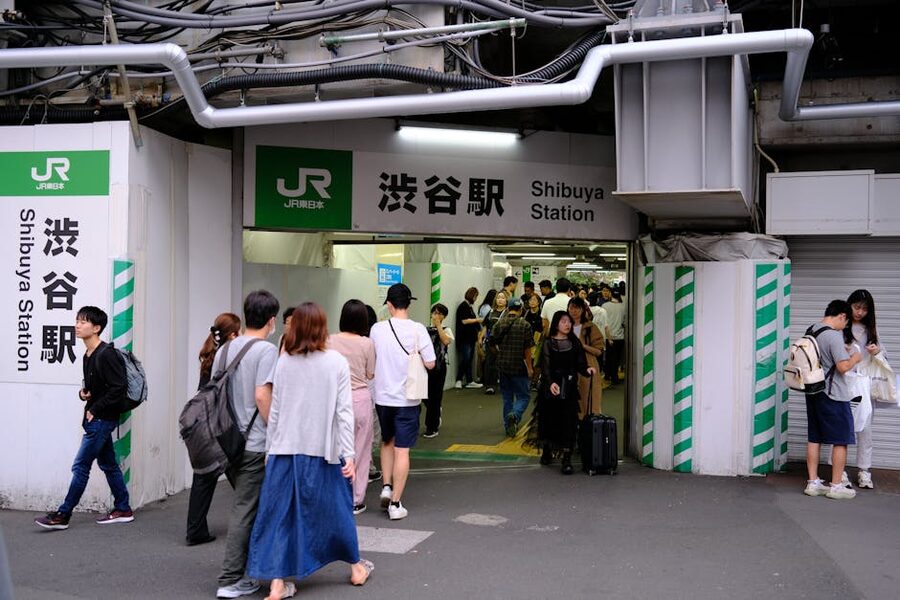
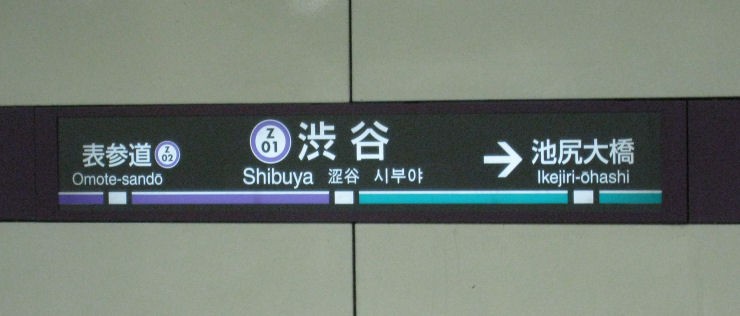
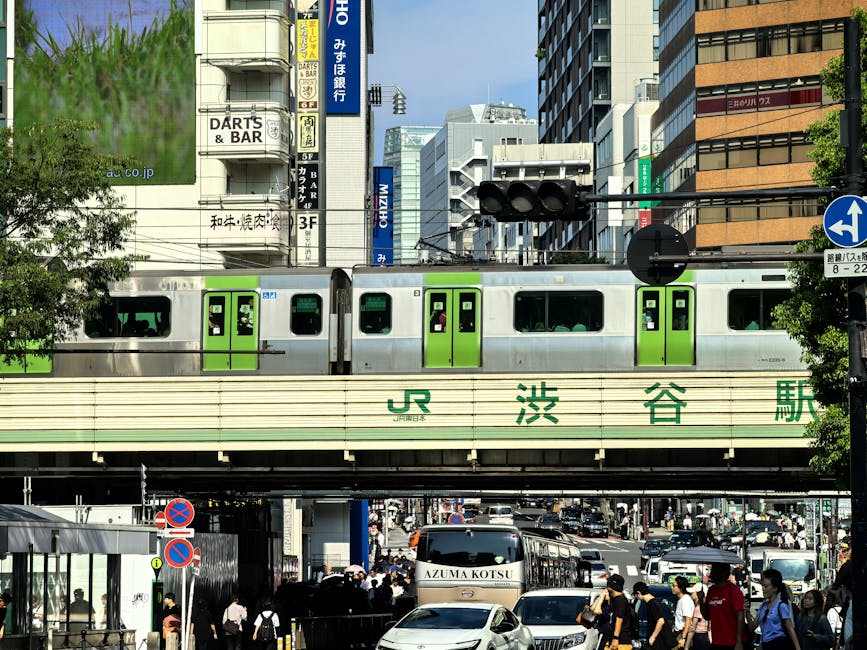
Tokyu has three sets of ticket gates at Shibuya, on three different levels. The Toyoko Line and the Tokyo Metro Fukutoshin Line share platforms 5 and 6 on level B5; their ticket gates are at the south end of the underground complex, below the Tokyu Plaza shopping centre. The Den-en-toshi Line and the Tokyo Metro Hanzomon Line share platforms 1 and 2 on level B3; their ticket gates are at the east end of the underground complex, below Mark City. Walking between the two underground complexes is about ten minutes, mostly underground. The JR Yamanote Line gates upstairs are unrelated.
If you transfer between the Toyoko and the Den-en-toshi using your IC card, the system handles the cross-line journey automatically; you do not tap out and tap in. If you are using a paper ticket, you cannot make the transfer at Shibuya; you have to buy a separate ticket. This is the single most common Shibuya mistake among first-time visitors. Carry an IC card.
The Toyoko Limited Express to Yokohama
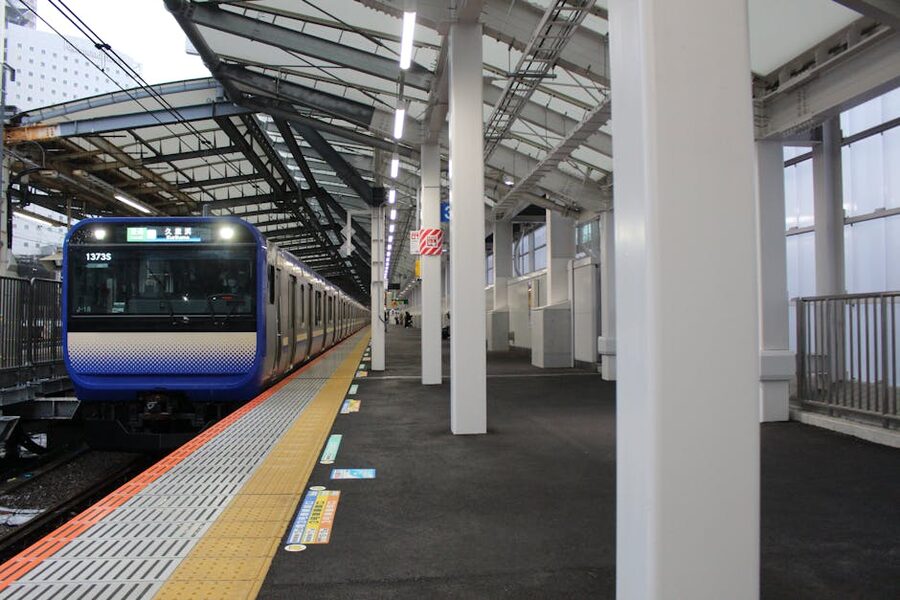
From the Toyoko platform at Shibuya the Limited Express (tokkyū) runs to Yokohama in 26 minutes, the Commuter Limited Express (tsūkin tokkyū) in 28 minutes, the Express (kyūkō) in 32 minutes. Most run through to the Minatomirai Line and on to Motomachi-Chukagai (35 minutes from Shibuya). All trains are 5050 or 5050-4000 series. Reserved seats are not sold; the Toyoko has been a non-reserved limited express since launch.
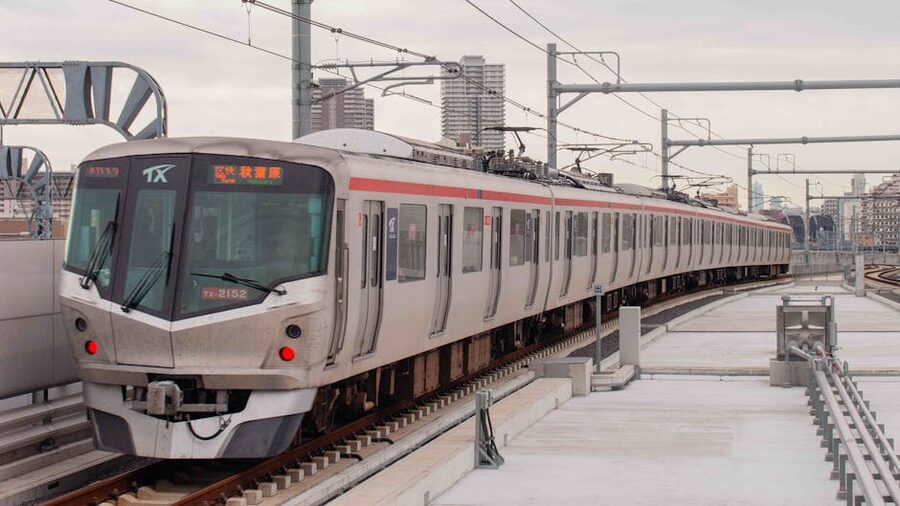
The Limited Express stops at Shibuya, Naka-Meguro, Jiyugaoka, Den-en-chofu, Musashi-Kosugi, Kikuna, Yokohama, Minatomirai, Motomachi-Chukagai. If you are going to Yokohama for the day, take the Limited Express both ways: the Express makes another six stops and adds six minutes for nothing. The IC card fare Shibuya to Yokohama is ¥310; the paper fare is ¥320. Reserved-seat surcharge is zero because there is none.
The Den-en-toshi: pace yourself
The Den-en-toshi from Shibuya is 31.5 km of underground or trench-cut suburban running, with through-services onto the Hanzomon (and onto the Tobu network beyond). Limited Express stops at Shibuya, Sangen-Jaya, Futako-Tamagawa, Mizonokuchi, Saginuma, Aobadai, Nagatsuta, Chuo-Rinkan. About 35 minutes to Chuo-Rinkan in the Tokyu-only diagram. If you are riding through to a Tobu destination (Kuki, Minami-Kurihashi, the Nikko branch), the headcode says Hanzomon-sen kakueki tomari (“Hanzomon Line all-stations”) then the Tobu destination, and the train is either a Tokyu 2020 or 5000, a Tokyo Metro 18000, or a Tobu 50050. They share liveries on the side stripes (purple band for Hanzomon-line work) but the cab livery and operator logos differ.
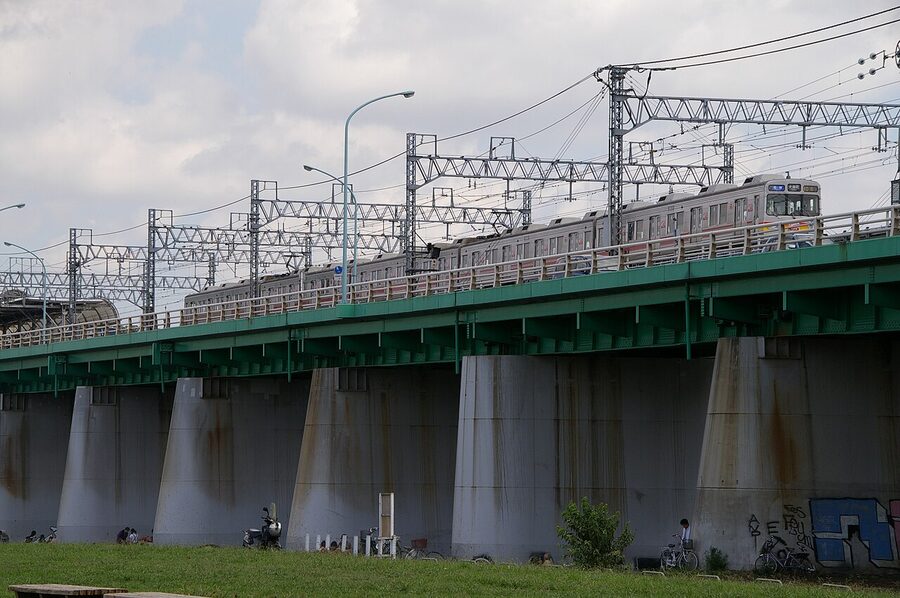
The Den-en-toshi at peak hours runs at 26 trains per hour into Shibuya, which is among the highest service frequencies on any commuter line in Tokyo. CBTC implementation is scheduled to start from 2028, which Tokyu hopes will lift that to 30. The 8500 series, which retired in 2023, was the train that defined the rush-hour rhythm here for forty years; the 2020 series and the 5000 series do it now.
The Meguro Line and the new Shin-Yokohama tunnel
The Meguro Line is the easy one to ride if you want to feel the through-running. From Meguro Station (the southern end of the Yamanote Line) the Meguro Line runs to Hiyoshi (11.9 km), where since March 2023 it continues onto the Tokyu Shin-Yokohama Line, then the Sotetsu Shin-Yokohama Line, then the Sotetsu Main Line, then the Sotetsu Izumino Line. End-to-end Meguro to Shōnandai is about 50 minutes. Trains run every 6 to 10 minutes during the day. Mostly 3020 or 5080 series stock; some are Tokyo Metro 9000 (Namboku) or Toei 6500 (Mita).
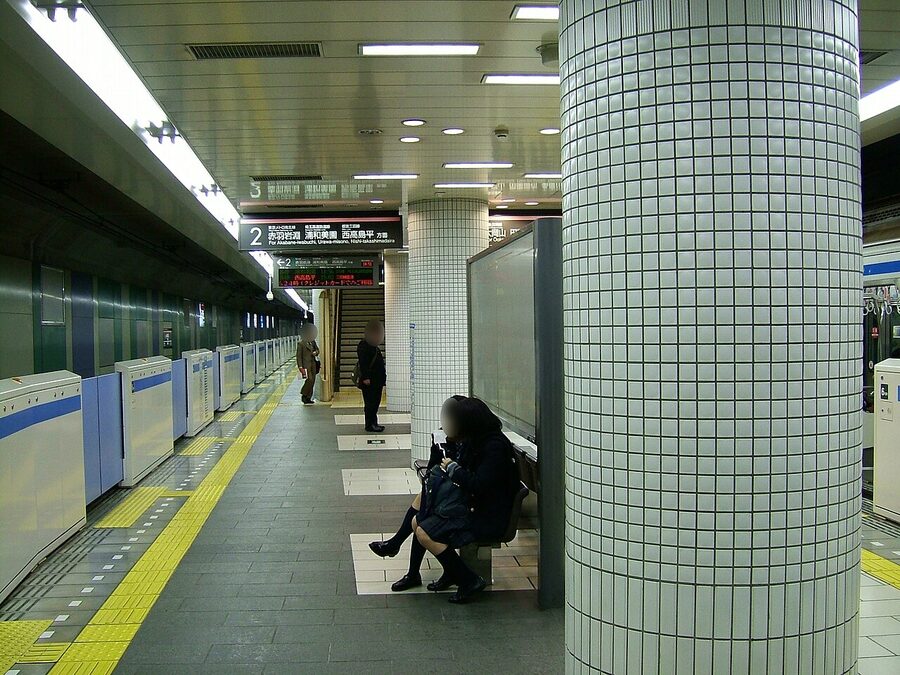
The interesting practical use of the Shin-Yokohama Line is access to the Tokaido Shinkansen. Shin-Yokohama is a Shinkansen station; the Hiyoshi to Shin-Yokohama run is 11 minutes; from Meguro to Shin-Yokohama by Meguro Line is around 30 minutes. If you are coming from north Tokyo and your Shinkansen leaves from Shin-Yokohama (most morning Hikari and Nozomi runs do, as well as some Kodama), the Meguro Line is now competitive with the Yamanote-Tokyo-Shinkansen route. Five years ago this route did not exist.
The Oimachi Line and the Q Seat run
The Oimachi Line runs Oimachi (on the Yamanote Line at the south of central Tokyo) to Mizonokuchi (on the Den-en-toshi). 10.4 km, twelve stations, 21 minutes end-to-end on the Express. Some Express runs continue onto the Den-en-toshi as far as Nagatsuta. The interesting service is the evening Q Seat reserved-seat run from Oimachi to Nagatsuta; the eastbound (towards Oimachi) morning runs are unreserved standing-room.
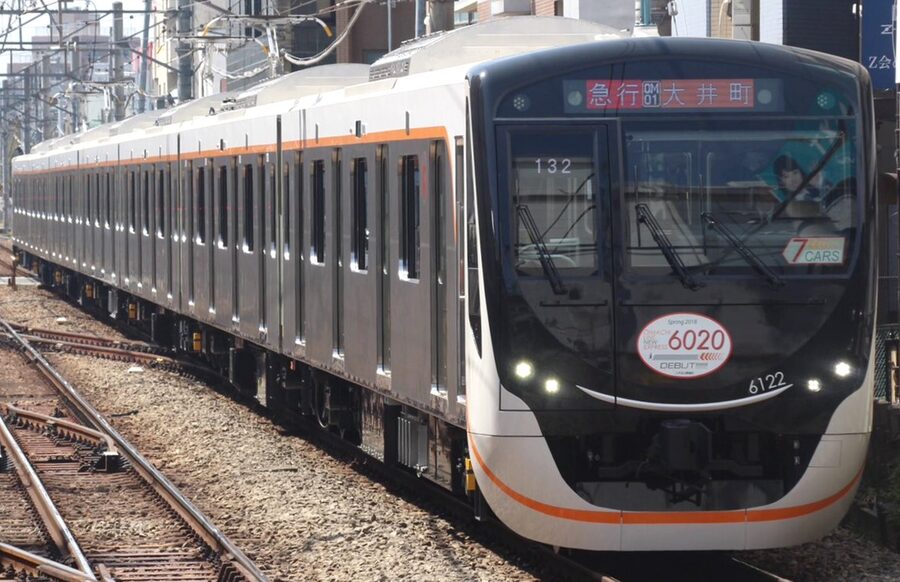
Q Seat reservations are bought via the Tokyu app or at a Q Seat ticket machine at Oimachi, Mizonokuchi, or Nagatsuta. ¥500 per seat, evening only, eastbound only, between roughly 17:00 and 23:00 on weekdays. Q Seat is also worth knowing for the simple reason that Oimachi-Nagatsuta is one of the few Tokyo commute routes where you would still consider standing for ¥500 worth of upgrade; the rest of the day, the same seats are normal commuter benches. If you book a seat, the Q Seat conductor checks your reservation at the carriage door, but there is no separate ticket gate; you are still on a normal Oimachi Line train.
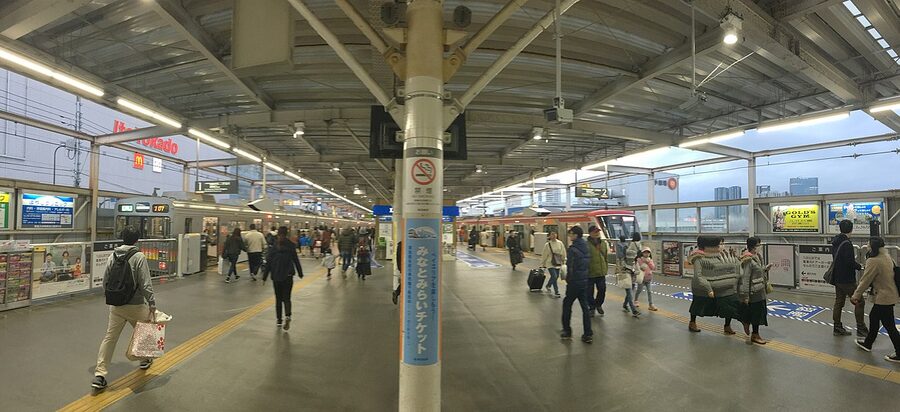
The Ikegami and Tokyu-Tamagawa: the short lines
Both run three-car trains on platforms too short for anything bigger. The Ikegami runs 10.9 km from Gotanda (south of Shibuya, on the Yamanote) to Kamata (south of Tokyo Station, on the Keihin-Tohoku). The Tokyu-Tamagawa runs 5.6 km from Tamagawa Station on the Toyoko Line out to Kamata, sharing terminals with the Ikegami there. Both use 7000 or 1000-1500 series stock. Both are flat-fare lines, IC card ¥160-180 depending on the run.
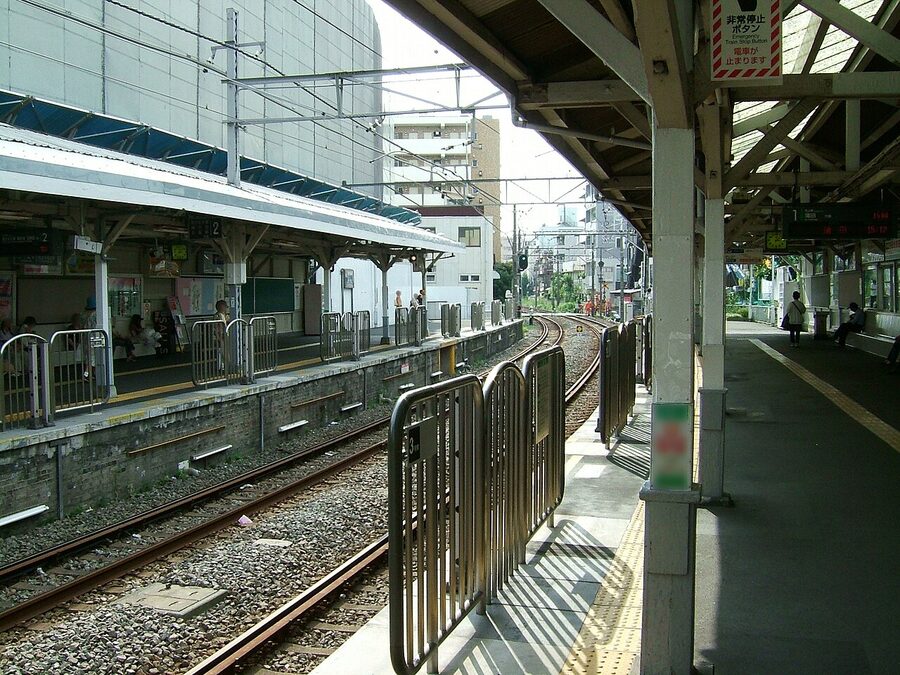
The Ikegami in particular is the line that feels the most like 1980s Tokyu. The platforms are short, the stations are mostly above ground, the trains are 18 metres rather than 20, and the timetable is consistent four-trains-an-hour. Honmonji Temple at Ikegami Station is a half-day stop in itself; the Yagumo Plum Park near Yutenji Station on the parallel Toyoko a kilometre east is the spring counterpart. Neither will be on a typical itinerary, which is why I would put the Ikegami on the list for a slow Tokyo afternoon.
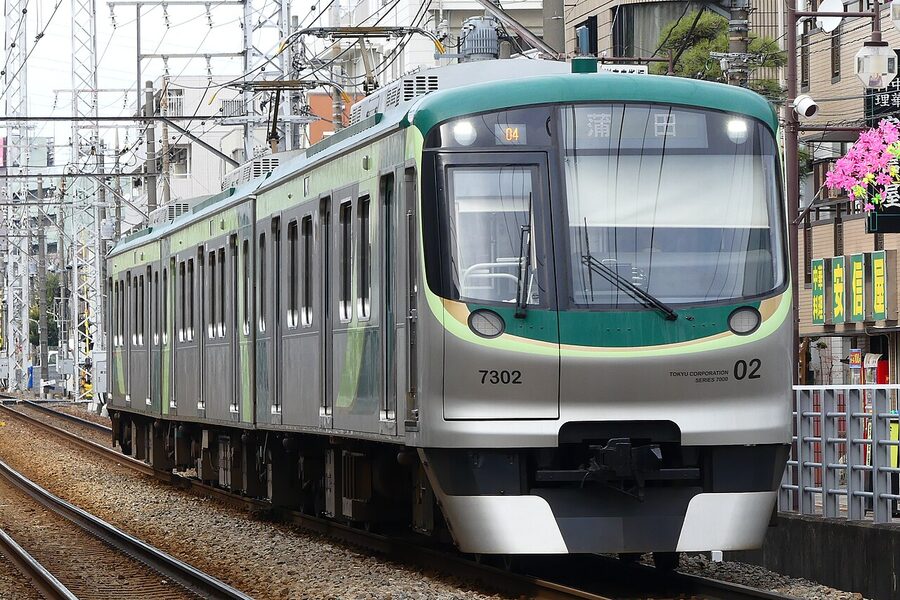
The Setagaya tram, end to end
If you are staying near Shibuya for a day, take the Setagaya tram out and back. From Sangen-Jaya (the eastern terminus, on the Den-en-toshi Line two stops west of Shibuya), the line is fifteen minutes to Shimo-Takaido. Trains every six minutes. ¥160 flat fare, IC card or coin. The tram is single-track in places, so the operator runs trains on a strict diagram with passing loops at Wakabayashi and Setagaya. There is no through-service to anything else Tokyu; gauge is 1372 mm rather than the 1067 mm Tokyu uses everywhere else.
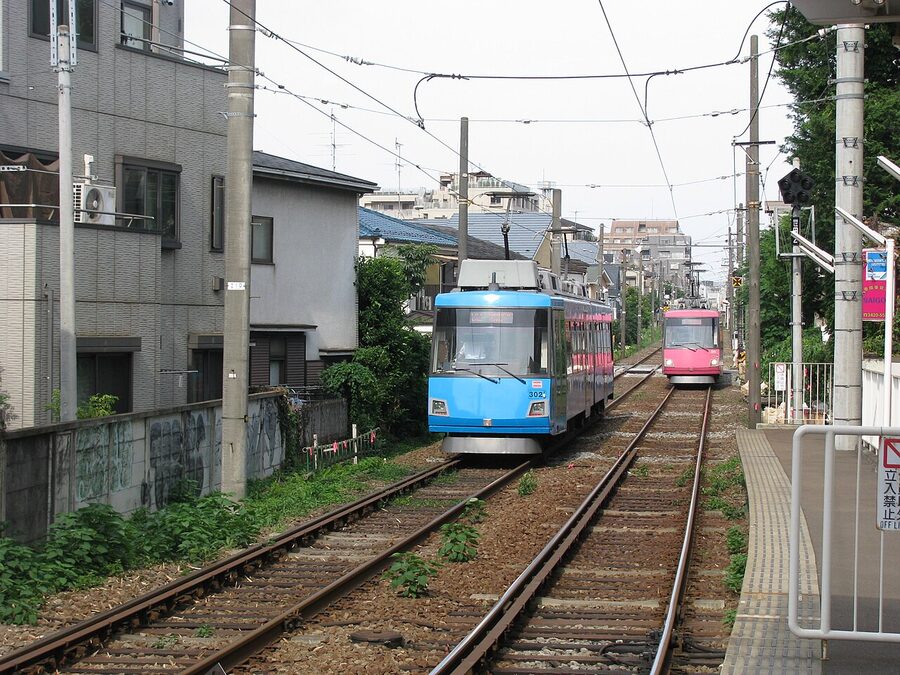
The single stop to break the tram run at is Shoin-jinja-mae, four minutes off the platform. Yoshida Shōin’s grave is a stone in a small Edo-period shrine yard; if you have read the Keio history piece the Choshu connections will land. Most travellers do not get off this stop. The Setagaya tram is the line’s own destination, and Shōin’s tomb is the bonus.
Maintenance and the trains the timetable does not show
Tokyu’s maintenance fleet is the most photographed of any private operator’s because the operator does not hide it. The TOQ-i (also written TOQ-i, type 7500) is the inspection train, a three-car set built in 2012 by Tokyu Car, painted in a cream-and-orange livery that Tokyu treats as ceremonial; it runs the entire commuter network checking track gauge, contact-wire condition, and signalling at irregular intervals. If you see it on a Den-en-toshi platform on a Sunday morning, that is the TOQ-i.
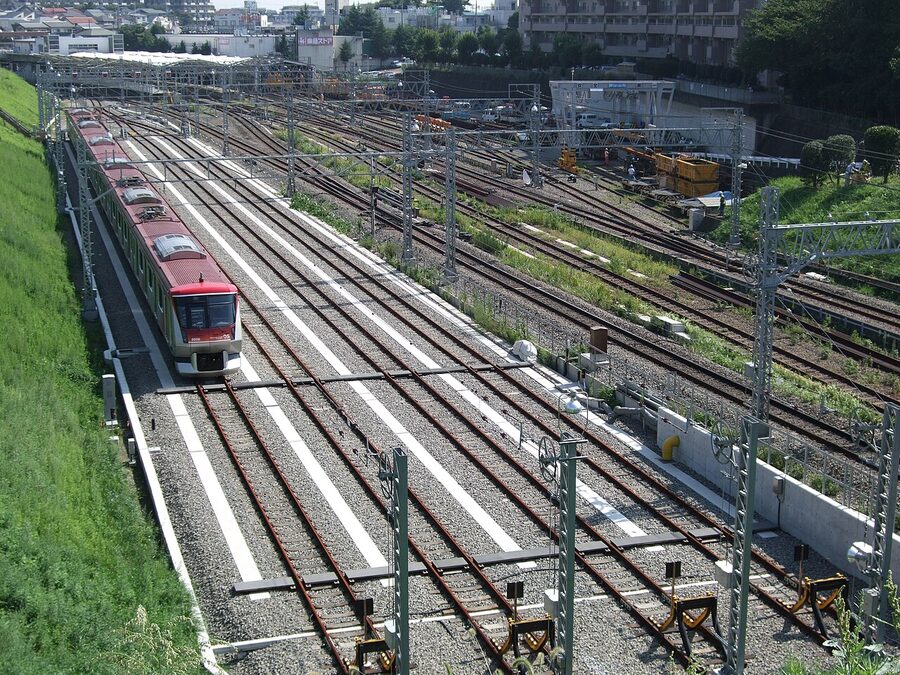
The rail-grinding car, the ballast trolleys, the tamper machines, and the catenary-maintenance vehicles are all in the Kajigaya Yard between Mizonokuchi and Saginuma on the Den-en-toshi. Public viewing is from the Den-en-toshi Line itself; you can see them from a passing 5000 set. Specialist enthusiast tours run from the yard occasionally, but they are operator-arranged and not on the public tourism calendar.
Fares, tickets, and the practical bits
Tokyu uses the standard Suica/Pasmo IC card system; all the major IC cards (Suica, Pasmo, ICOCA, the others) tap as fare media at every Tokyu gate. Cash is accepted via paper tickets at the same gates. Operator boundaries handle automatically when you use an IC card; through-running fares stack across operators, so a Toyoko-Fukutoshin-Tobu run from Yokohama to Saitama is ¥1,200-plus and you tap once at each end.
Day passes worth knowing
The Tokyu Line One-Day Open Ticket (東急線ワンデーオープンチケット) is ¥780 for adults and gives you unlimited rides on every Tokyu line including the Setagaya tram for one calendar day. Sold from any Tokyu ticket machine; pay by cash or IC card. If you are riding more than three Tokyu segments in a day, it pays for itself.
The Setagaya Line One-Day Pass is ¥380 for adults, only the Setagaya tram, all-day. Sold at Sangen-Jaya, Setagaya, and Shimo-Takaido stations.
The Tokyu-Sanyo One-Day Open Ticket is a niche pass for the Toyoko-Fukutoshin-Sanyo through-running diagram; only worth knowing if you are riding the entire Hannō to Motomachi-Chukagai through-service in one day, in which case it covers all five operators on the route for ¥1,500.
What does not work on Tokyu
Two things to know. The Japan Rail Pass does not cover any Tokyu line. JR is a separate operator and through-running between JR and Tokyu does not exist on most diagrams; the Toyoko shares Yokohama Station with the JR Yokohama Line but they are different operators with different tickets. The Tokyo Subway 24-hour pass also does not cover Tokyu; that pass is for Tokyo Metro and Toei only.
If you have a JR Pass, your Tokyu rides are paid for separately, and the IC card is the simplest way to do it. If you are doing a Tokyu-heavy day (two trips on the Toyoko, a Setagaya tram run, a Den-en-toshi run out to Aobadai), the ¥780 day pass beats individual fares.
Three good days on the Tokyu network
Tokyu’s geography is dense and the lines short, so a Tokyu day is fundamentally about combining one of the long arteries with one of the short oddities. Three I rate.
The Toyoko Line and Yokohama (long, scenic, urban)
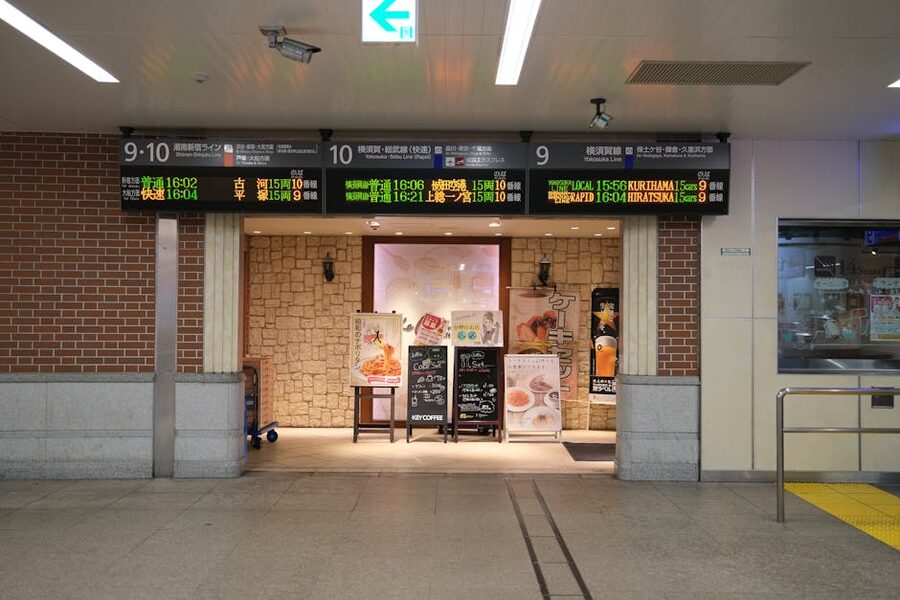
Take the Limited Express from Shibuya to Motomachi-Chukagai, 35 minutes, ¥500. Walk into the Yamashita Park area, the old foreign settlement, and the Chinatown, all of which are within twenty minutes of the platform exit. Lunch at one of the older Chinatown restaurants. The Yokohama Air Cabin (the urban gondola from Yokohama World Porters) gives you a four-minute ride over the harbour for ¥1,000 round trip; you do not have to take it but if you are at Sakuragicho anyway it works. Return on the same Limited Express in the late afternoon. Two-hour timetable, three-hour leisurely. About ¥1,500 in fares end-to-end.
The Setagaya tram and Shoin-jinja (short, slow, oddly historical)
From Shibuya take the Den-en-toshi to Sangen-Jaya, change to the Setagaya tram. Shoin-jinja-mae station, four-minute walk to the shrine; spend twenty minutes there. Continue west to Shimo-Takaido, then back. Lunch at Sangen-Jaya. Total time, three hours. About ¥500 in fares with the ¥380 Setagaya day pass. The reason this works is that you have walked half a kilometre, ridden a tram that runs every six minutes, and seen the grave of Yoshida Shōin without leaving Setagaya Ward.
The Meguro Line through to Shin-Yokohama (the new thing)
From Meguro, take the Meguro Line south to Hiyoshi, then continue on the Tokyu Shin-Yokohama Line into Shin-Yokohama. 30 minutes total. From Shin-Yokohama, you have either a Tokaido Shinkansen onward connection (most travellers’ use of this route now), the Yokohama Arena (event days), or a 15-minute walk to the Shin-Yokohama Ramen Museum, which is the niche-defining ramen exhibit and a rotating ramen-shop demonstration that has been running since 1994. If you are going to or from a Shinkansen anyway, this is the easy way. Through-fare from Meguro to Shin-Yokohama is ¥430 IC.
How Tokyu sits in Tokyo
Tokyu is the second-largest of the Tokyo private commuter operators, behind Tokyo Metro and ahead of Odakyu, Tobu, Keio, Seibu, and Keikyu. By route length it is well behind the others, sitting roughly tenth among Japan’s sixteen major private operators (大手私鉄). The reason it punches above its weight is the Toyoko-Fukutoshin and Den-en-toshi-Hanzomon arteries: every working day, those two lines move more than 2 million people, almost all of whom are paying Tokyu fares for at least part of their journey, and many of whom are also paying Tokyo Metro for part of it.
The history that drives this strategy is summarised in the sibling piece, the Tokyu Corporation history, which covers the property-led model that Goto Keita built from 1922 onwards. The short version is that Tokyu’s railway has always existed to feed real estate value, not the other way around, and the through-running pattern is the rail-side expression of that strategy: every additional station on a connecting operator’s network is a new feeder catchment for Tokyu’s developments along its own metals.
If you have read the Odakyu Line trains piece, the contrast is sharp. Odakyu sells its identity through one named train (the Romancecar), one anchor destination (Hakone), and one limited-express premium product. Tokyu sells nothing. There is no Tokyu equivalent of the Romancecar; the closest is the Q Seat reserved-seat car on the Oimachi Line, and even that is only available on the eastbound evening run. Tokyu’s revenue strategy is volume-based throughput and connecting fares, not destination tickets. The operator does not need a flagship train. It needs a flagship through-running pattern.
The same comparison runs through the rest of the Tokyo network: the Tobu trains piece covers an operator built around two destinations (Nikko and the Skytree) and a wide commuter base. The Keio piece covers a single-anchor operator (Shinjuku) with one specialty line (the Sagamihara Line). The Tokyo Metro trains piece covers the network Tokyu plugs into on most of its through-runs. The JR East trains piece covers the operator whose Yamanote and Saikyo lines bookend the Tokyu network. Read sideways across these and the through-running architecture starts to look like a single Tokyo-wide system rather than five separate operators.
The 8500 series and what they kept
Of the 400 cars Tokyu Car built in the 8500 series between 1975 and 1991, the operator preserved one set in working order at Kajigaya (8637F, the VVVF prototype, which still runs at events and is on standby for Y000 cover on the Kodomo-no-kuni Line). One driving cab is on display at the Den-en-toshi 50th Anniversary museum at Mizonokuchi. The Nagano Electric Railway runs eight cars between Nagano and Yudanaka. The Indonesia operation ended on 16 November 2025 with a one-week heritage display in Jakarta and a final return journey to the Depok Depot, after which the train was withdrawn for good. None of the rest survive.
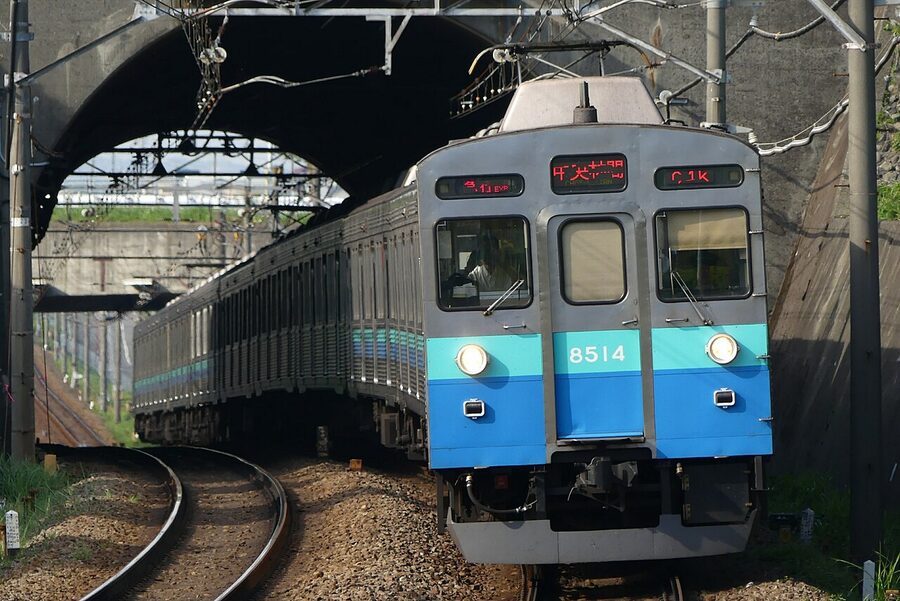
If you came to Tokyo before 2018 and rode an 8500 anywhere on the Den-en-toshi or the Hanzomon, you were riding the train Tokyu built itself around. The 2020 series replaced the 8500 in two stages: the new build came in from 2018, the retirements ran from 2019 to 2023, and the last revenue diagram was 25 January 2023. By the centenary of the operator on 2 September 2022, the train named for the centenary was already three years into its run and the train it replaced was four months from its end. There was no overlap planned; there was just a clean handoff Tokyu had been preparing for since the Toyoko-Fukutoshin work cost ¥76 billion in 2013.
Set 8637F runs at events. The 2020s, 3020s, and 6020s run at every other timetable slot. The Toyoko’s 5050s run on five operators’ tracks. The Setagaya 300s run on the only patch of metal in the network that does not connect to anything. And the Shin-Yokohama Line, which opened thirteen months after the 8500 retired, does what the operator built itself for: takes Tokyu’s trains onto somebody else’s track, and somebody else’s trains onto Tokyu’s, and charges everybody for the journey.