The Odakyu Romancecar and the Trains Under It
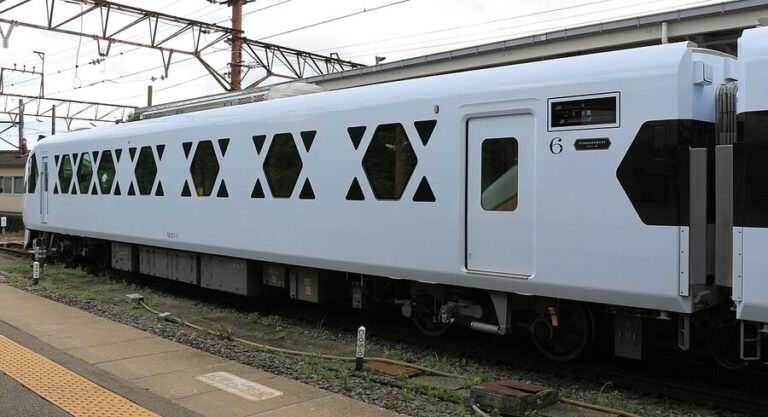
The first thing the Romancecar ticket machine at Shinjuku asks you, after you have picked your destination and your time, is whether you want a window seat or an aisle seat. The second thing, less obvious, is which train you are actually getting on. The screen shows the Hakone 13 leaving in twelve minutes and the Hakone 15 leaving in twenty–eight, both for ¥1,200 on top of the ¥910 base fare. Both reach Hakone-Yumoto. The Hakone 13 is a 30000 series EXE: bronze livery, no front observation seat, four-by-two seating in a slightly austere cabin. The Hakone 15 is a 70000 series GSE: rose-vermilion paint, a 1.0 metre tall front observation window, and the seat you are about to book is in a carriage that won the 2019 Blue Ribbon. Most travellers do not know there is a difference. There is.
In This Article
- Why which Romancecar you board actually matters
- The Romancecar fleet, ranked
- 70000 series GSE: pick this if you can
- 60000 series MSE: the only Romancecar that goes through the subway
- 30000 series EXE and EXEα: the workhorse
- 50000 series VSE: gone, briefly missed
- The museum trains: 7000 LSE, 10000 HiSE, 20000 RSE
- The commuter fleet: the actual railway
- 5000 series (II): the modern flagship commuter
- 4000 series (II): the through-train to the JR Joban Line
- 3000 series (II): the volume car
- 1000 series: the survivor that nearly went to the subway
- 8000 series: the 1983 holdout
- Where the rolling stock runs: three lines, one operating model
- The Odawara Line: where everything runs
- The Enoshima Line: the seaside diversion
- The Tama Line: the new town extension
- Booking the Romancecar: tickets, app, the trick of the front seat
- Fares and the seat reservation
- Where to buy
- The EMot pre-pay
- Riding it: a couple of practical things
- The seats to know
- Where to sit for the views
- Through-running and where it ends
- The depot and the museum at Ebina
- What I would actually book
- If you have one Hakone trip and want the iconic ride
- If you are coming from central Tokyo and the Chiyoda Line is your station
- If the GSE is sold out and you do not want an EXE
- One thing the network does that nothing else in Tokyo does
- Back at the ticket machine
Most foreign travellers meet Odakyu Electric Railway at exactly that ticket machine: they want to go to Hakone, the Romancecar is the train, and they pay the supplement and board whatever pulls in. That is fine. The Romancecar is genuinely a great train and Odakyu has been refining the formula since the 3000 series SE set the world narrow-gauge speed record at 145 km/h in 1957. But the Romancecar is also the smallest part of what this railway does. The bulk of Odakyu is a commuter operation that has spent forty years quadruple-tracking its way out from Shinjuku, with rolling stock that ranges from the 1983-vintage 8000 series still grinding along on local stops, to the 2020-debut 5000 series with its 2,900 mm wide body, to the eight-car blue MSE Romancecar that runs through the Tokyo Metro Chiyoda Line and out the other end onto the JR Joban Line. That is the article. Which series runs which service, when it was built, what it replaced, and which one is worth caring about when you walk up to the ticket machine.
Why which Romancecar you board actually matters
A Romancecar limited-express ticket is the same money for the same destination regardless of which series operates the service. The supplement is ¥1,200 from Shinjuku to Hakone-Yumoto on every Romancecar the railway runs, with one exception (the Mt. Fuji service to Gotemba is its own pricing). What you get for the money varies enormously.
The currently active fleet runs four Romancecar series: the 30000 EXE and its refurbished EXEα sibling, the 60000 MSE that does the through-running into the Chiyoda Line, and the 70000 GSE that does most of the showpiece Hakone runs from Shinjuku. The 50000 VSE, the white articulated train with the dome roof that became the Romancecar logo for nearly twenty years, was retired from regular service on 11 March 2023 and from charter on 9 December 2023. The two retired-but-iconic LSE and HiSE are at the Romancecar Museum in Ebina, where you can sit in them. None of this matters to the timetable. All of it matters to the trip.
Within the Odakyu corporate scheme, each generation gets a two-letter abbreviation: SE, NSE, LSE, HiSE, RSE, EXE, VSE, MSE, GSE. The letters are taken from the marketing name (GSE = “Graceful Super Express”; MSE = “Multi Super Express”; EXE = “Excellent Express”). They are not random; they map to a strategy decision in their decade. You can read the modern fleet that way. EXE was Odakyu admitting in 1996 that the Romancecar was being used by commuters as much as by tourists, and giving up the front observation seat to fit more of them in. VSE in 2005 was Odakyu reversing course, putting the dome roof back on, and re-staking the brand on Hakone tourism. MSE in 2008 was Odakyu chasing the Tokyo Metro into central Otemachi. GSE in 2018 was Odakyu replacing the LSE while keeping the visual signature the LSE had defined: the two-tier observation window driving the cab perched above it.
The Romancecar fleet, ranked
Four active series, two more in the museum, all worth knowing before you reserve. The order below is from the train I would actively pick out of the others to the train I would book if it was the only one going to my destination.
70000 series GSE: pick this if you can
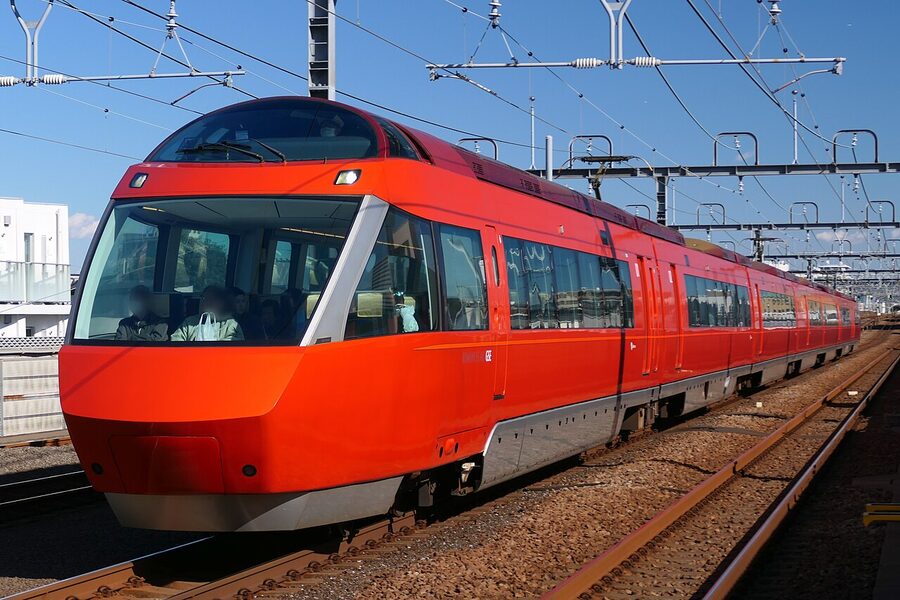
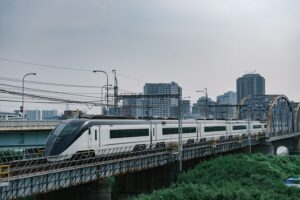
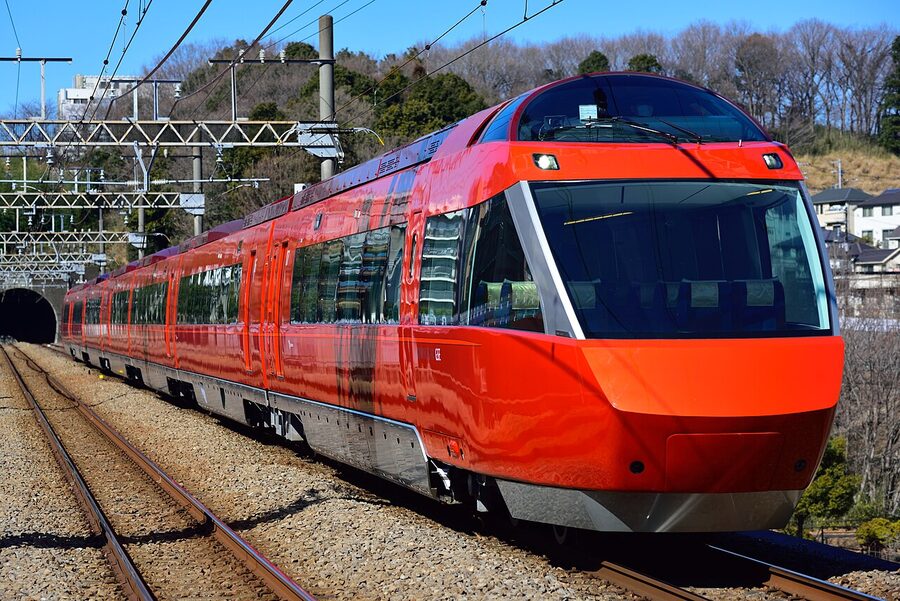
Two seven-car sets, both built by J-TREC and entered service on 17 March 2018 (set 70051) and 11 July 2018 (set 70052). Designed by Norikazu Okabe, the same architect who shaped the VSE and MSE, with a brief from Odakyu to keep the front observation seat that defined the LSE while breaking with the articulated bogie design that all previous front-observation Romancecars had used. The articulated structure was deemed incompatible with the longer body Odakyu wanted; the GSE runs on conventional 20-metre bogie cars, but the seven-car length is calibrated to almost exactly match the eleven-car articulated LSE it replaces. Most travellers will not notice. The body is aluminium double-skin alloy, the side window is 100 cm tall (3 cm taller than VSE and MSE), and the cab front-window is a 3D curved laminate roughly 30 cm larger than the VSE.
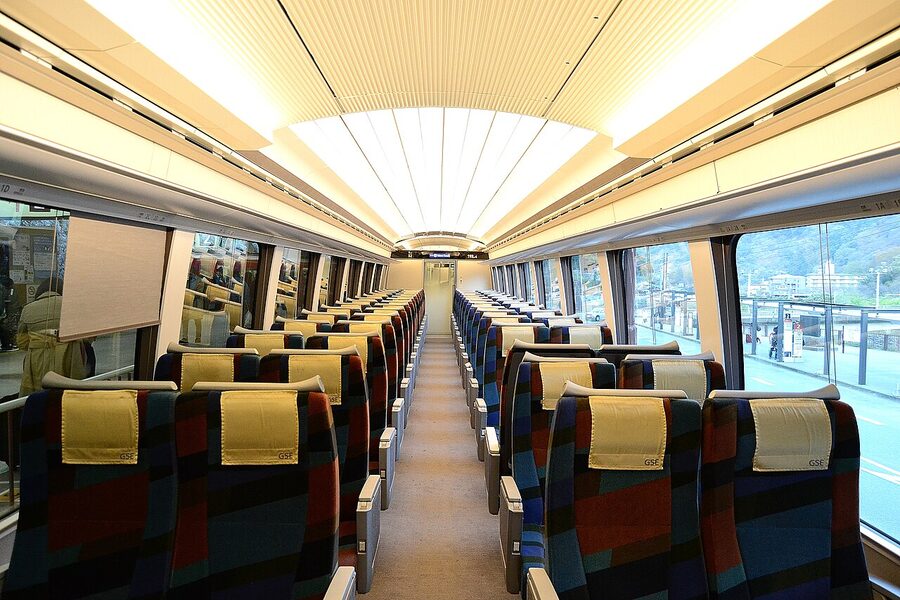
The seat to book on the GSE is row 1 in car 1 (Hakone-bound) or car 7 (Shinjuku-bound): the front observation seats. Two-by-one seating, the cab driver up a small ladder behind you, and the curved 3D windscreen wraps round the corners so the rails ahead are visible through 200°. There are eight of these seats per train, sixteen across both sets, and the booking system releases them at 10:00 thirty days ahead. They are the most-asked-for seats on the Odakyu network. If you cannot get the front observation, the next-best is row 1 of car 6 going Shinjuku-bound or car 2 going Hakone-bound; the windows there are still the wider GSE-spec glass and you avoid the section over the trucks. The aluminium body and the active anti-vibration system (Odakyu specifies the Kayaba ASTRIC system, the same hardware in some Shinkansen tilt sets) make the GSE the smoothest ride in the fleet.
The 70000 won the Good Design Best 100 in October 2018, the Good Design Gold (the METI award) later that month, and the Blue Ribbon (Japan Railfan Club) in May 2019. It is the most decorated Odakyu train of the modern era. Worth the supplement on the Hakone run; not really worth the supplement on the short Sagami run to Odawara unless you are hunting the design.
60000 series MSE: the only Romancecar that goes through the subway
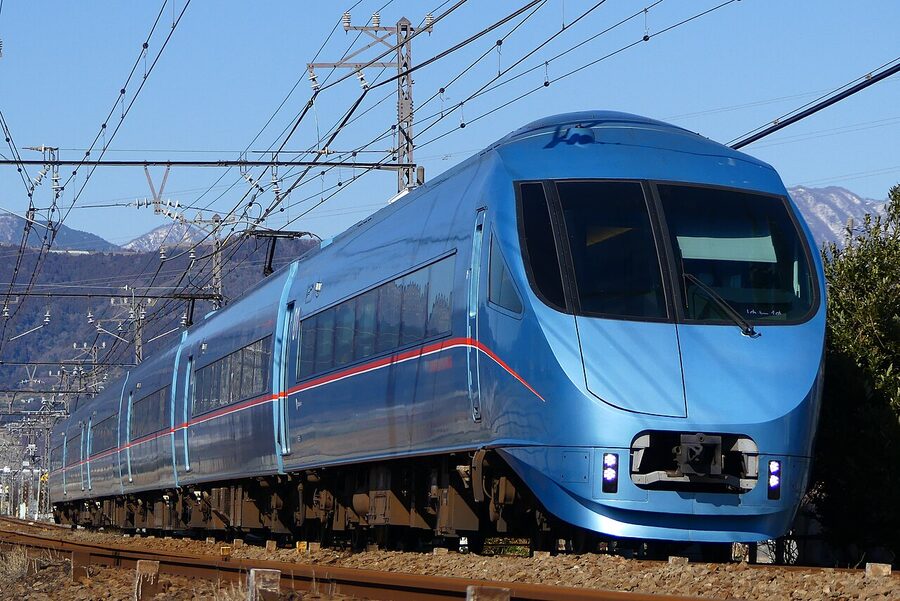
Built between 2007 and 2012, the 60000 MSE is the most operationally interesting Romancecar Odakyu has ever run. It is the first reserved-seat limited express in Japanese history to operate through-services into a subway. The MSE leaves Otemachi or Kita-Senju on Tokyo Metro Chiyoda Line track, runs onto Odakyu rails at Yoyogi-Uehara, and continues all the way to Hakone-Yumoto on Hakone Tozan Railway track. From March 2012 it added through-services onto the JR Central Gotemba Line as the Asagiri (now renamed Fujisan), making it the only Romancecar that touches three different operators on a single timetable.
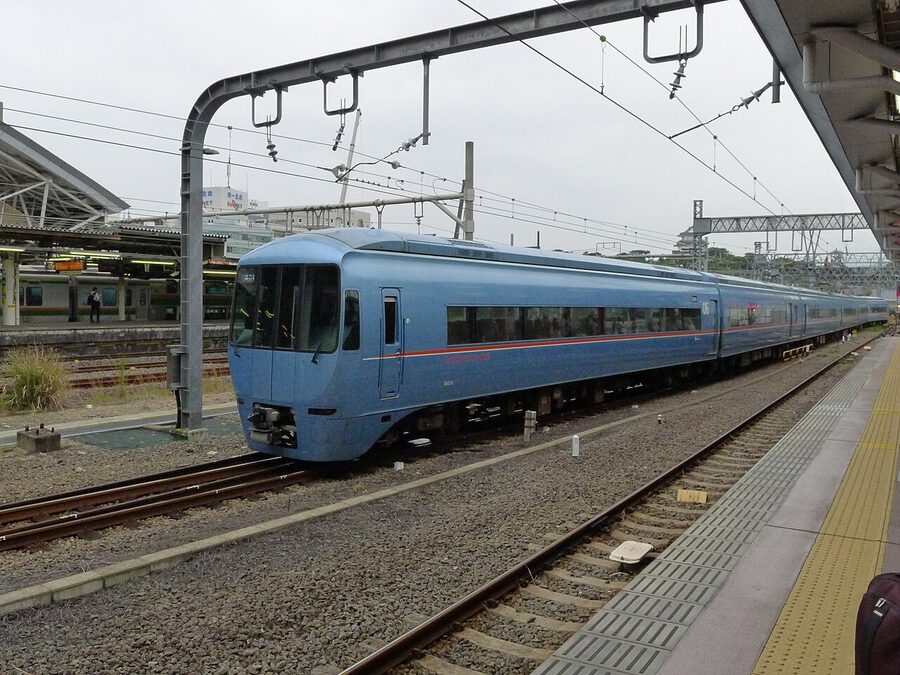
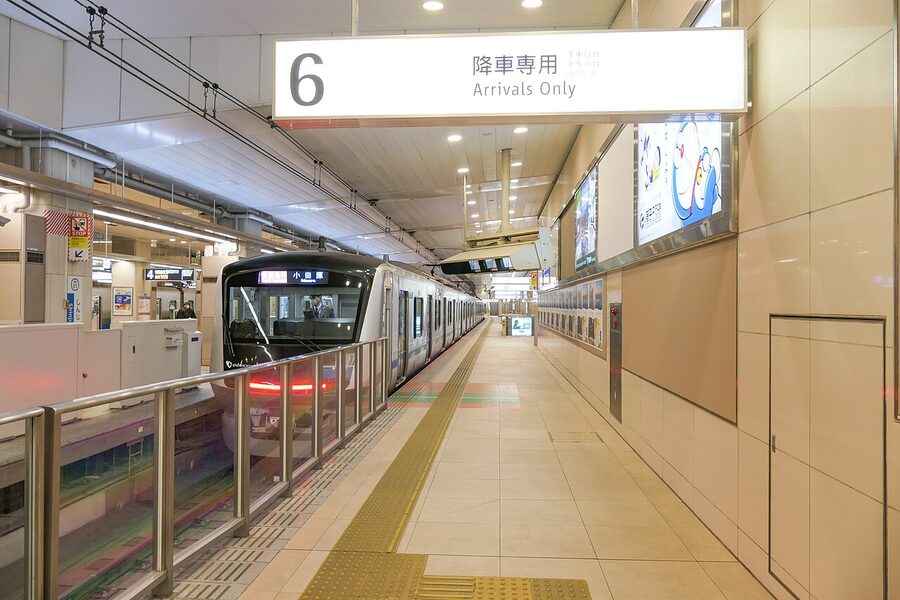
The MSE is built as four-car and six-car sets that combine into a ten-car train; the four-car portion is fitted with a powered articulated coupler at the cab end so it can split mid-journey at Sagami-Ono on combined Hakone-and-Enoshima runs. The cabs of the inner cars (positions 6 and 7 in a ten-car formation) are blunt, gangway-equipped plug doors, designed to the Chiyoda Line evacuation spec; the outer cabs (positions 1 and 10) are the streamlined non-gangway noses you see on the platform photos. There is no front observation seat on any MSE. The trade-off was deliberate: a car that fits the subway loading gauge cannot also have a windscreen 100 cm above platform level. Same designer (Okabe), same VSE-derived structural philosophy, but a different brief.
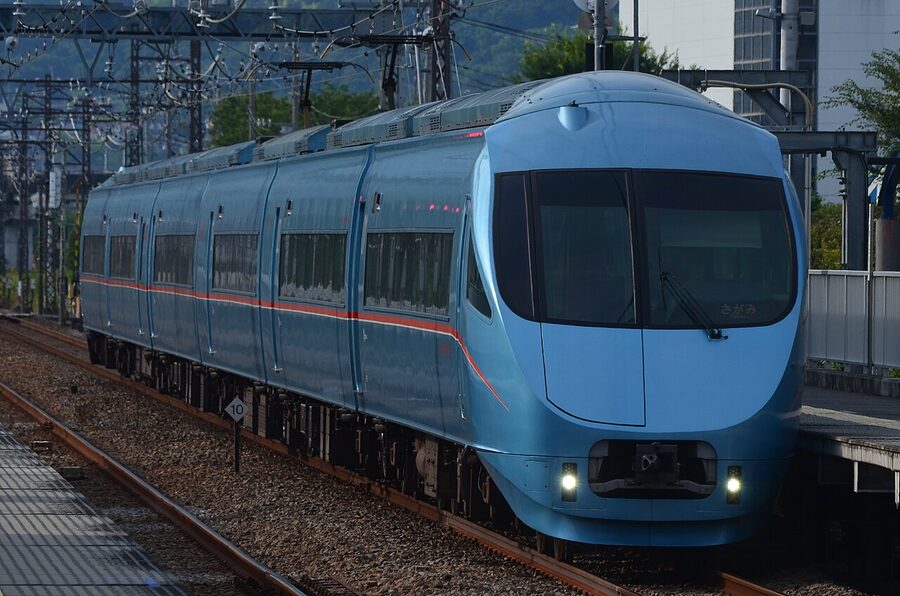
If you are starting your Hakone trip from Otemachi or anywhere on the Chiyoda Line and want to skip the change at Yoyogi-Uehara entirely, the Metro Hakone is the train. The same applies on the way back: a Metro Home Way leaving Hakone-Yumoto in the early evening will deposit you at Otemachi without changing trains. Worth noting that the MSE through-running pauses or shifts when the Chiyoda Line is in disruption, in which case you transfer at Yoyogi-Uehara to a normal Odakyu local. There is no Romancecar service that originates on the Chiyoda Line and does not also serve Yoyogi-Uehara.
30000 series EXE and EXEα: the workhorse
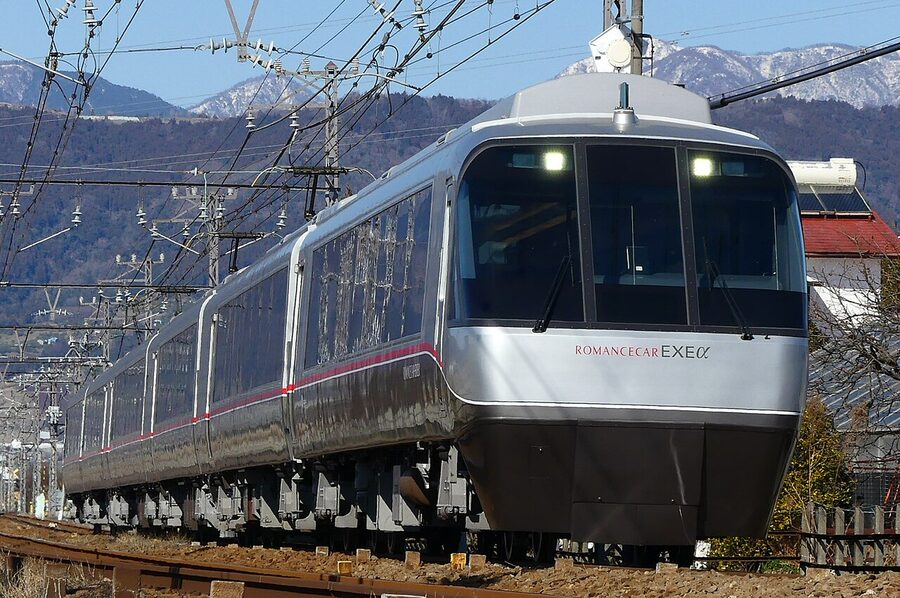
If a 30-year-old Romancecar still operates the majority of Romancecar services in 2026, that is because Odakyu got the brief right in 1996. The 30000 EXE was the railway’s response to a quiet shift in who was actually riding the Romancecar. By the early 1990s the Hakone leisure passenger numbers were dropping at about 5% a year while the Shinjuku–Sagami-Ono and Shinjuku–Machida commuter Romancecar passenger numbers were climbing. EXE was Odakyu admitting that. The brief was: more seats, fewer panoramic flourishes, easier to operate split-and-combine timetables, and the first VVVF-controlled Romancecar (a small but consequential mechanical step). The result is an unsentimental ten-car train (six + four) that can split at Sagami-Ono into a Hakone half and an Enoshima half, no front observation seat, no articulated bogies, and no Blue Ribbon (the only Odakyu Romancecar series never to win one). This was deliberate. The award juries reward dramatic flourishes; Odakyu was building a workhorse.
It works. The EXE has done thirty years of daily duty, was refurbished from JFY 2016 onward as the EXEα programme (deeper bronze livery, LCD passenger displays, accessible toilets, refreshed seat moquette), and the EXEα reached the milestone of 30 years in service on 23 March 2026. Of the ten EXE sets, most have now been through the α refit; the unrefurbished EXE in original 1996 spec is increasingly rare on the front of a service. If you book a Hakone train and you do not specifically pick the GSE departure, statistically you will get an EXEα. That is fine. The seat is comfortable, the view is the same Tama Hills the GSE sees, and you save the disappointment of finding the GSE observation seats already gone.
50000 series VSE: gone, briefly missed
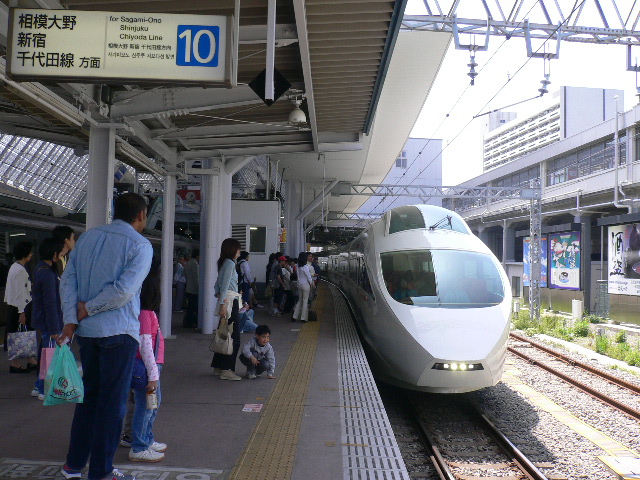
The 50000 VSE matters because it is the train Odakyu built when it decided in 2002 that the EXE had been a strategic mistake on Hakone. Annual Hakone Romancecar passenger numbers had fallen from 5.5 million in 1987 to 3 million in 2003, a 45% drop, while the wider Hakone tourist arrivals were down only 15% over the same period. The Odakyu market research found that customers were defecting to private cars partly because the EXE did not look like a Romancecar to children. Family travellers reported their kids saying things like “this isn’t a Romancecar” when they boarded an EXE. The VSE was the answer.
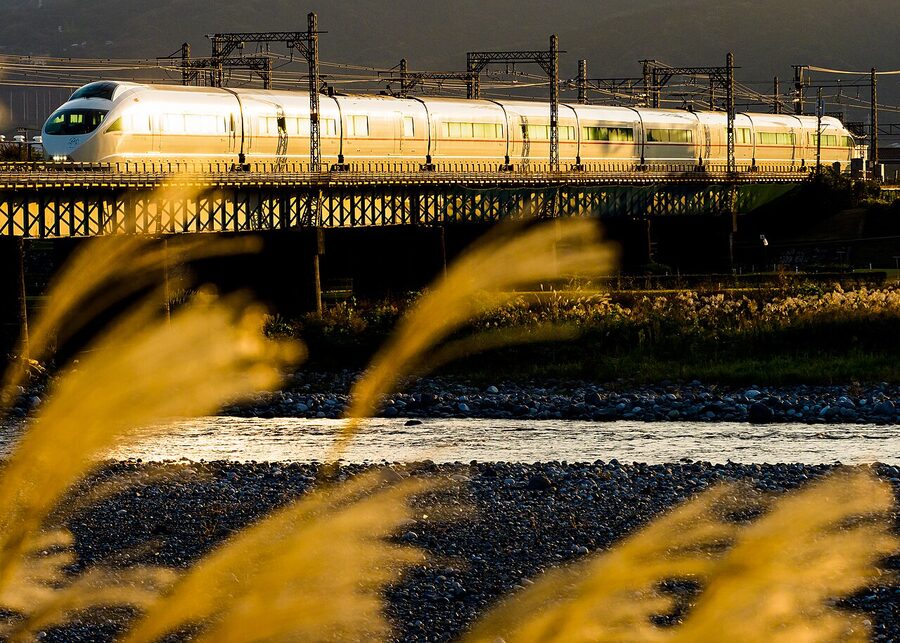
The VSE entered service on 19 March 2005 with two ten-car articulated sets (50001 and 50002), Okabe’s first Romancecar design, a domed cream-and-white body that broke from every Odakyu colour rule, and a front observation cab the LSE had defined and the EXE had abandoned. It won every award going (Blue Ribbon 2006, Asia Design Grand Prize 2006, iF Design 2007). It was retired anyway. The articulated bogie structure that gave the VSE its smooth ride and signature appearance was also the reason it could not accept the modern crash-resistance retrofits Odakyu was applying across the rest of the fleet. The two sets ran their last regular service on 11 March 2023 and their last charter on 9 December 2023. As of 2026 they remain at Kita-Yamato Depot, with no public restoration plan announced. The GSE inherits the front observation seat; nothing inherits the articulated bogies. There is currently no Romancecar in regular service with the VSE silhouette.
The museum trains: 7000 LSE, 10000 HiSE, 20000 RSE
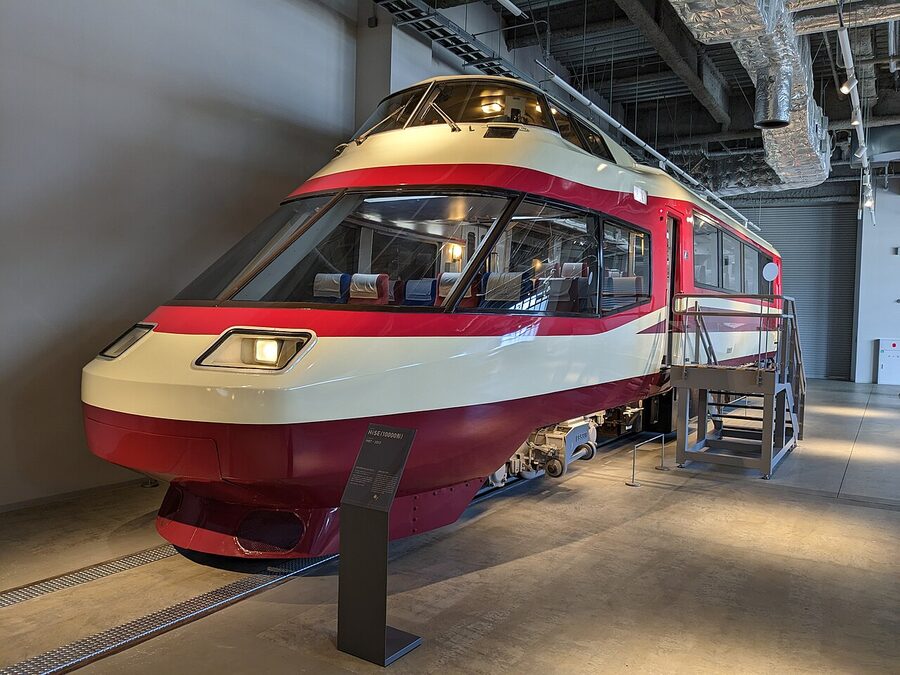
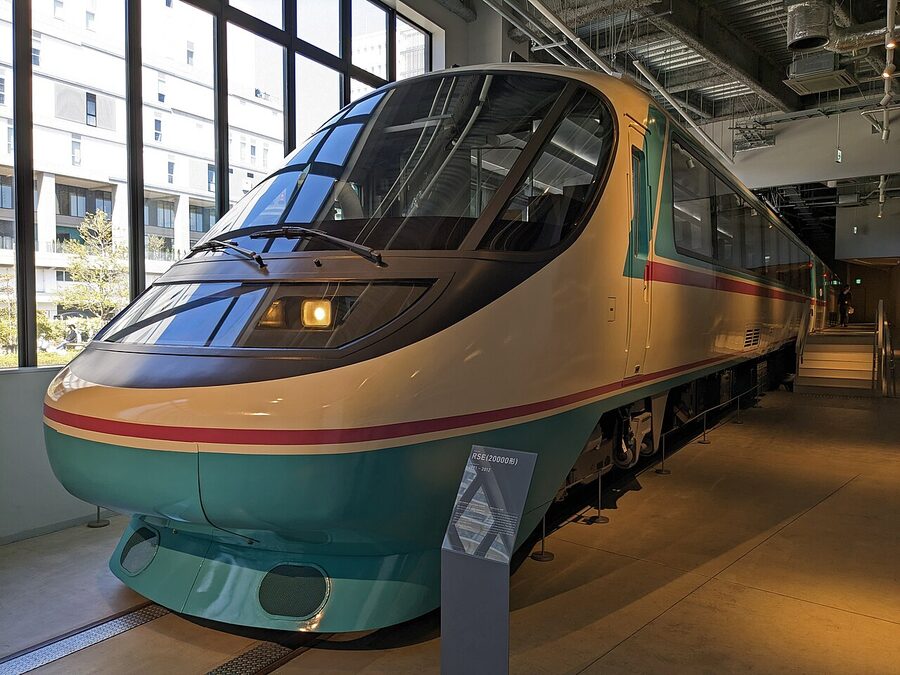
If you are interested in the Romancecar series at all, the Romancecar Museum at Ebina, opened on 19 April 2021, is the only place left to see the 7000 LSE (which was running until 2018 and is the train the GSE replaced), the 10000 HiSE (retired 2012, killed by the high-floor transport accessibility law), and the 20000 RSE (retired 2012, the only Romancecar with a double-decker car). All three are full-length preserved sets, sliced or sectioned to show interior details, with the original cab seats accessible. The 50-minute basic visit is ¥1,000 for adults; an extended ticket with a Romancecar simulator session is ¥1,500. Ebina is 50 minutes from Shinjuku on a rapid express. If you are doing the Hakone trip anyway and have an extra two hours, plan a stop on the way back rather than the way out (you do not want to be late to your Romancecar reservation).
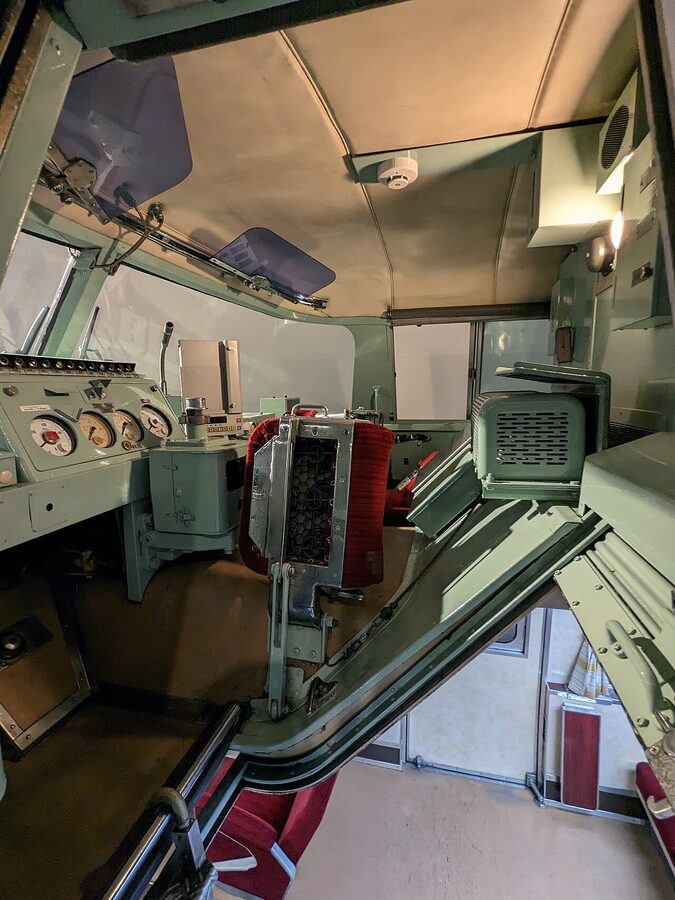
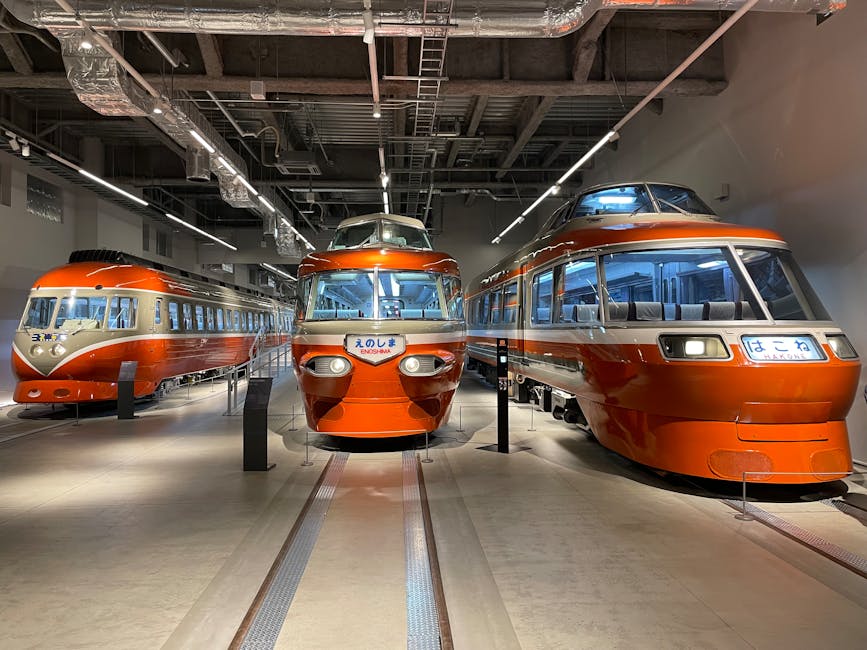
The original 3000 SE that set the 1957 narrow-gauge speed record is also at the museum, in original livery, sectioned for cabin access. If you are reading this article you should probably go.
The commuter fleet: the actual railway
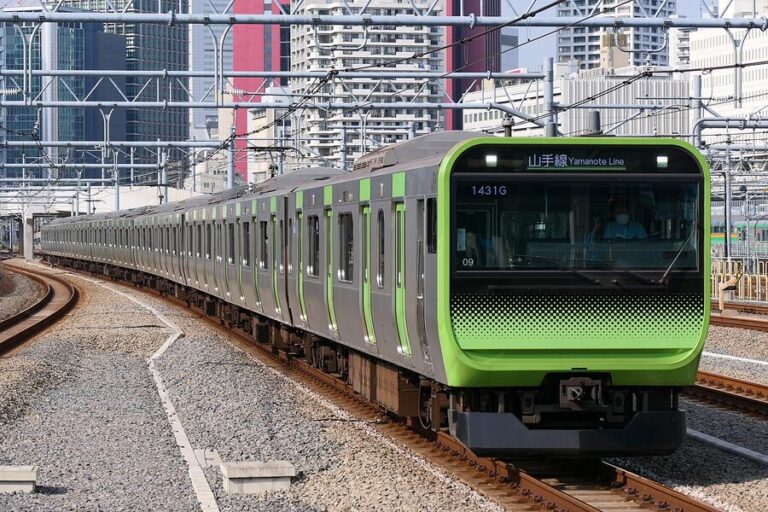
The Romancecar is the brand. The commuter fleet is the railway. Five active series carry the bulk of the Odakyu workload, plus dwindling pockets of two more on local stops. The current generations all share one design constraint that makes Odakyu commuter rolling stock easy to spot: the 1,067 mm narrow gauge that the railway has run since the 1927 opening, combined with the eventual standardisation on a 2,900 mm wide body that takes the maximum platform clearance the line will allow. That width is wider than most Tokyo private operators run, and it is the reason an Odakyu commuter carriage feels like it has more shoulder room than, for example, a JR East E233 on the Joban Line that the same MSE Romancecar runs through onto.
5000 series (II): the modern flagship commuter
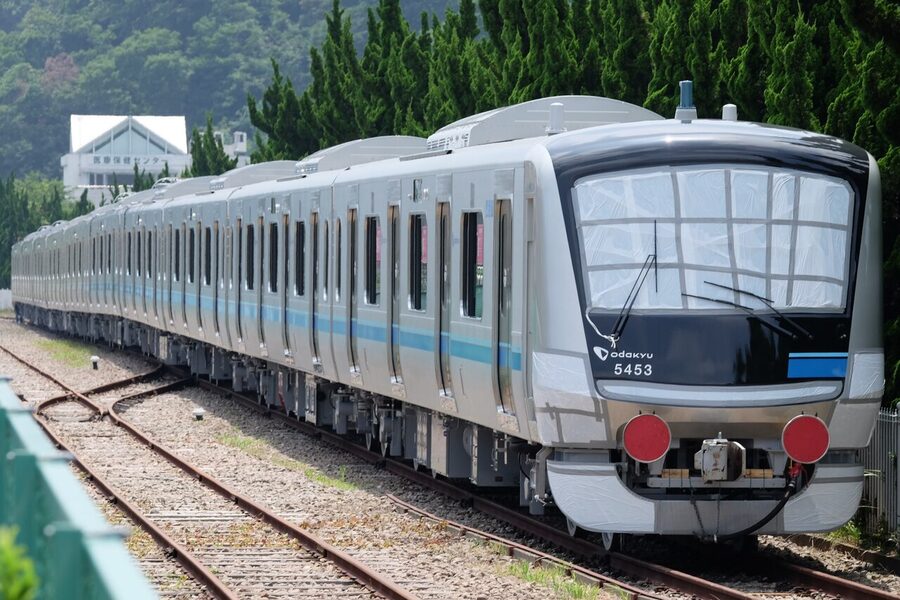
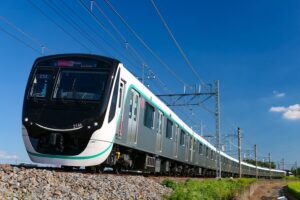
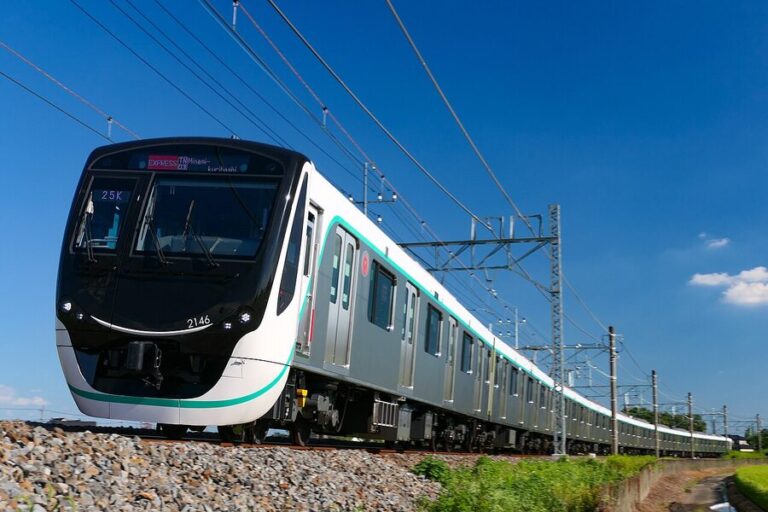
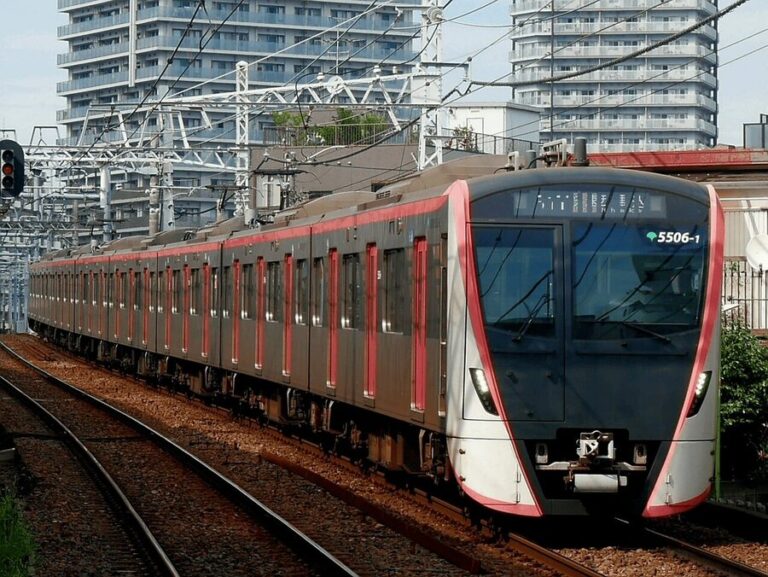
The 5000 series (second generation, often written 5000-II) entered service on 26 March 2020 to coincide with the completion of the long Tokyo quadruple-tracking project. The brief was “wider, more comfortable”, and the result is a 2,900 mm wide stainless-steel ten-car set built jointly by Kawasaki, J-TREC, and Nippon Sharyo, each vendor contributing their proprietary technique (Kawasaki’s efACE welding, J-TREC’s sustina anti-collision frame, Nippon Sharyo’s block construction). It is the first Odakyu commuter train as wide as the 8000 from 1983, after a couple of intermediate generations went narrower for Chiyoda Line clearance.
You will see 5000-II sets on Odawara Line locals, semi-expresses, expresses, rapid expresses, commuter expresses, and on Enoshima Line rapid and ordinary expresses. They do not run through to the Chiyoda Line (no ATO retrofitted), and they do not run on the bottom-of-the-line Odawara stretch where platforms are only nine cars long. If you are riding any of the major commuter services out of Shinjuku in 2026, the chances are roughly even that you are on a 5000-II or a 4000.
4000 series (II): the through-train to the JR Joban Line
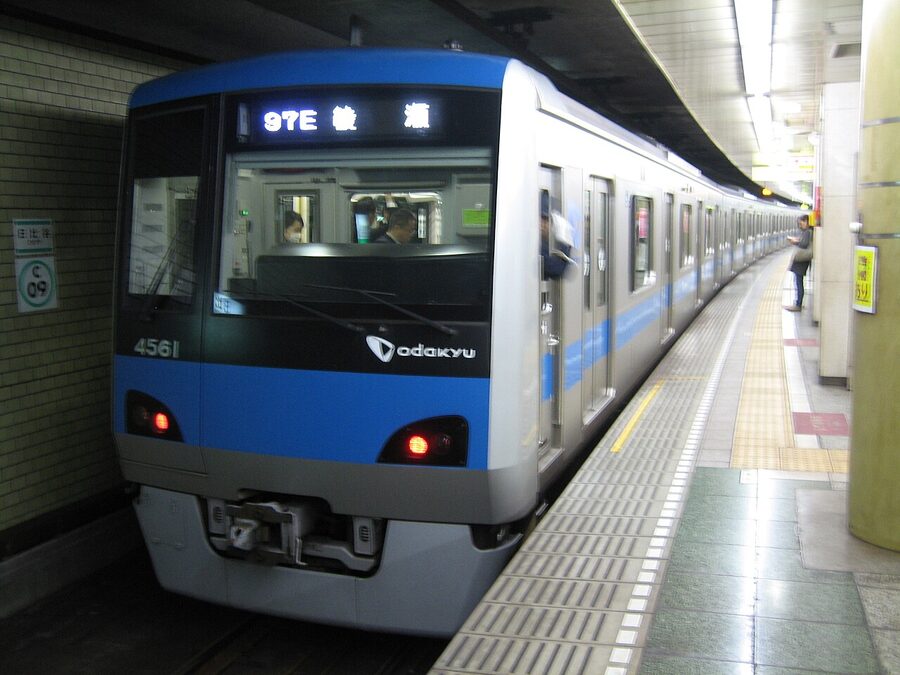
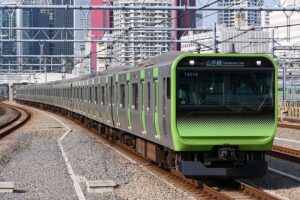
Sixteen ten-car sets in service since 2007, built by J-TREC (and JR East Niitsu), based directly on the JR East E233 platform with as little customisation as Odakyu could justify. This is unusual; Odakyu had a long house-design tradition, and the 4000 was the railway saying, in effect, that for a Chiyoda Line through-runner it made more sense to lift JR’s spec than to engineer a unique car. The trade-off Odakyu made for that decision: the 4000 has the dual-system safety hardware that lets it operate as a metro car, plus the Odakyu-side ATS for the suburban line. Three sets of safety logic, one driver. The redundancy was a reaction to the 2003 Daegu subway fire in South Korea, which made Odakyu rethink emergency-egress for any train that would enter a deep subway.
From 26 March 2016, the 4000 also through-runs to the JR East Joban (Slow) Line. So a single 4000 service can leave Hon-Atsugi on the Odakyu Odawara Line, run through Yoyogi-Uehara onto the Chiyoda Line, change drivers (and operators) at Ayase, and continue onto JR East metals as far as Toride. That is three separate companies, two safety systems, and one continuous timetable.
3000 series (II): the volume car
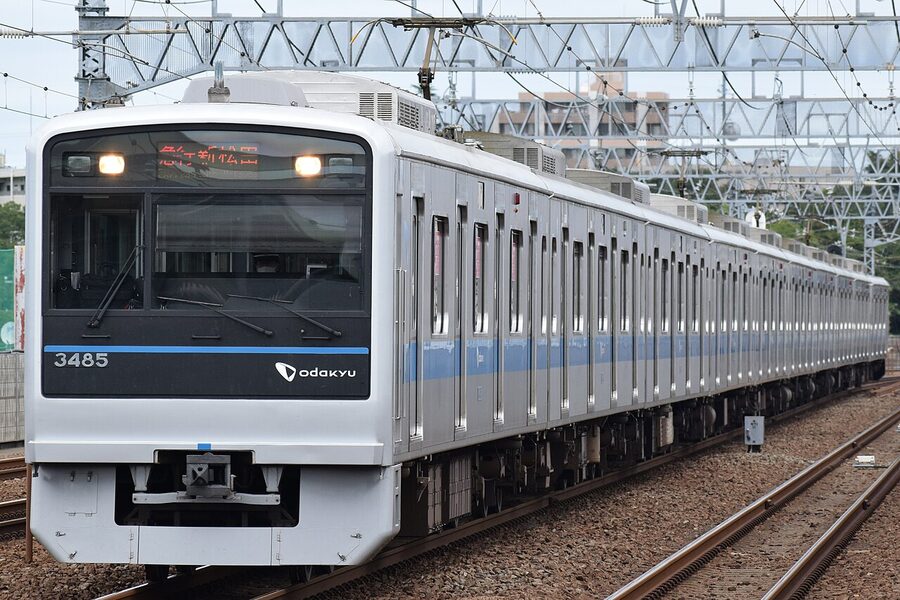
The 3000 series (II) is the answer to “which Odakyu commuter train have I been on?” 312 cars built between 2001 and 2006, distributed across six-car, eight-car, and ten-car formations, the largest single-class fleet on the railway. It replaced the 1962-vintage 2600 NHE car, the first-generation 4000, the original 5000, and the 9000 in one extended fleet renewal. It is also the train that absorbed the post-2001 standard-spec design philosophy: the Japanese rail industry’s effort to standardise commuter rolling stock to lower costs and ease platform-door installation, which is why later batches differ in detail from the earlier ones. If you are riding a stopping service on the Odawara Line on a weekday morning, the chance you are on a 3000 is something near 50%.
1000 series: the survivor that nearly went to the subway
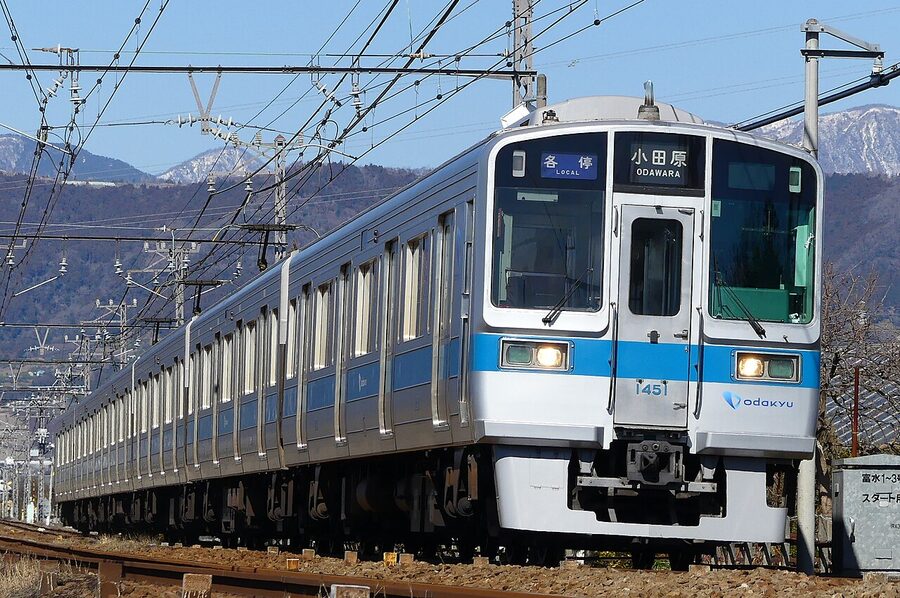
The 1000 series (built 1987–1993, 196 cars) was the railway’s first proper VVVF-inverter production train, the first all-stainless body in regular Odakyu service, and the original Chiyoda Line through-runner replacing the 9000. The narrower 2,860 mm body was deliberate: anything wider would not have cleared the Chiyoda Line tunnel walls. It was also designed for the railway’s 60th anniversary, so look for the 60-year mark on first-batch sets.
The 1000 lost the Chiyoda Line job to the 4000 in 2007, partly because the 1000’s mixed four-plus-six formation conflicted with the post-Daegu evacuation rules. It also stopped through-running entirely at the same time the on-board train-control was changed to Odakyu’s D-ATS-P. Today some 1000 sets are being scrapped, others are being refurbished and continuing as standard Odawara/Enoshima Line stock. If you ride one and the destination scroll is the older orange LED rather than the newer multi-colour LCD, you are on an unrefurbished set; the refit is a serious overhaul, basically a new train inside the old shell.
8000 series: the 1983 holdout
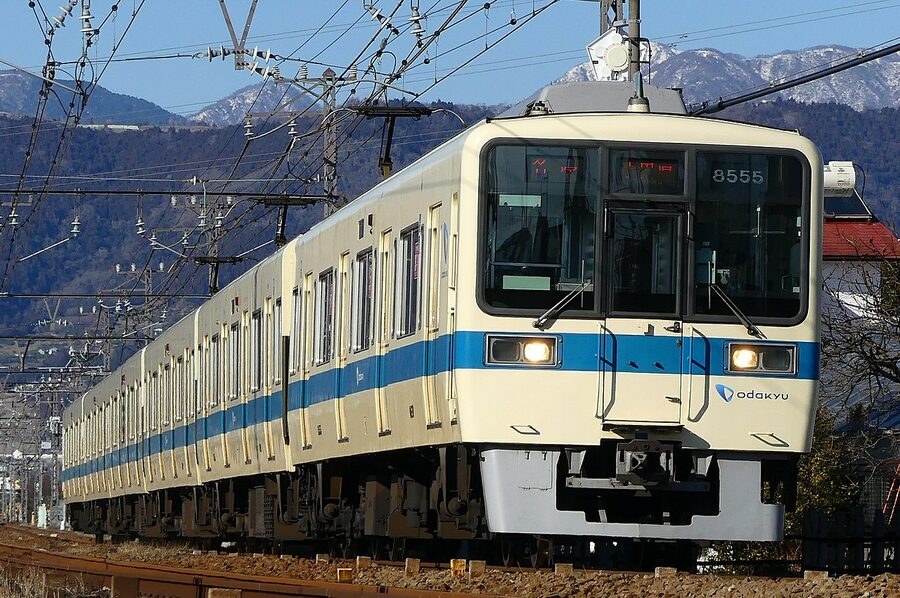
The 8000 is the Odakyu commuter train you are most likely to have noticed even if you do not look at trains: a painted blue-and-white Odakyu set among all the stainless. Built 1982–1987, 160 cars, designed to handle every commuter service short of the Chiyoda Line through-running. The painted carbon-steel body sets it apart from everything younger; the colour scheme, blue and white, is the only Odakyu commuter livery that does not centre on Imperial Blue. Most of the fleet was VVVF-converted between 2002 and 2013 (the two earliest sets, 8251×6 and 8255×6, were left in their original chopper-control configuration and have since been retired).
Boarding an 8000 in 2026 is the closest thing the modern Odakyu fleet offers to the railway’s 1980s character: lower headroom than the 5000-II, narrower aisles, slightly bigger windows, the cab visible from the passenger compartment through the original glass partition. If you collect rolling-stock photography, this is the one to chase next. The 5000-II programme is methodically replacing the 8000 on a rolling schedule, and the survivor count drops a couple of sets a year. There is no firm published end-date, but the fleet will be gone before the end of the decade.
Where the rolling stock runs: three lines, one operating model
Odakyu Electric Railway operates three lines, all 1,067 mm narrow gauge: the Odawara Line (the trunk, Shinjuku to Odawara, 82.5 km), the Enoshima Line (the south branch, Sagami-Ono to Katase-Enoshima, 27.4 km), and the Tama Line (the new town extension, Shin-Yurigaoka to Karakida, 10.6 km). Together they cover 120.5 km, 70 stations, and run through 27 cities and wards in Tokyo and Kanagawa. The Odawara Line is quadruple-tracked from Yoyogi-Uehara to Noborito (11.7 km), opened in stages from 1971 onward and fully completed in March 2018. The quadruple-tracking is why the modern Odakyu can run a Romancecar limited express past a stopping local without either of them slowing down.
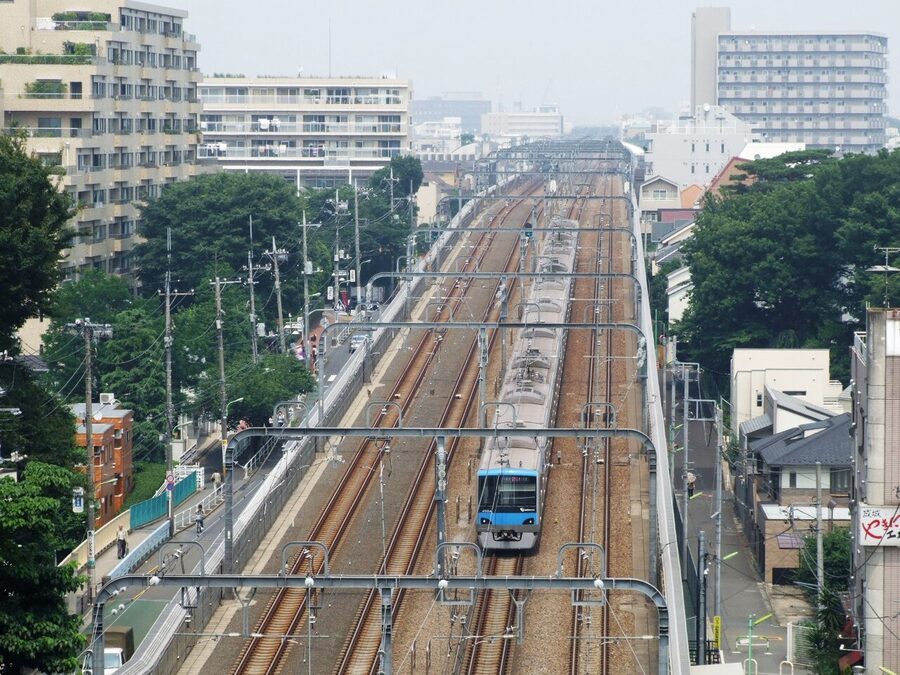
The Odawara Line: where everything runs
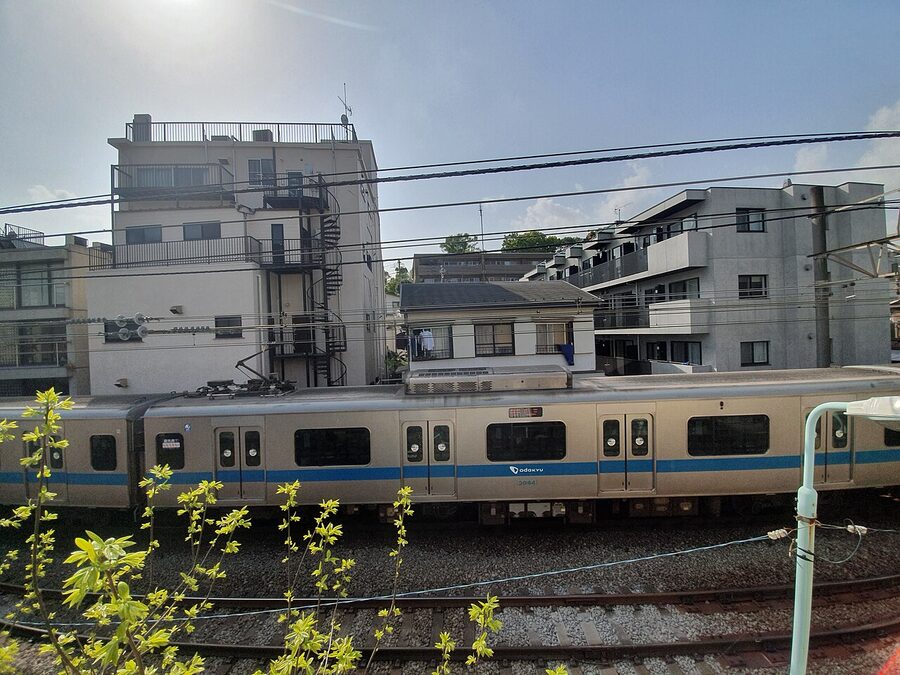
Every series in the active fleet runs on the Odawara Line. The Romancecars (EXE/EXEα, MSE, GSE) operate the limited expresses end-to-end (Shinjuku–Hakone-Yumoto via Hakone Tozan trackage). The 5000-II, 4000, 3000-II, 1000, and 8000 cover the local, semi-express, express, rapid express, commuter express, and commuter rapid services in different combinations. The timetable assigns them by length of platform on the section worked, by whether the service crosses onto Hakone Tozan track, and by whether it through-runs to the Chiyoda Line. If you board at Shinjuku on a weekday at 08:00, the train arriving on platform 4 is statistically a 4000 or a 5000-II.
The Odawara Line is also the only line where you can ride a Romancecar past a service that started on the Tokyo Metro Chiyoda Line, run through to a JR East line, and complete a journey across three operators without changing trains. That through-running is the operational signature of modern Odakyu, and it is why the fleet has the structural quirks it does (the 4000’s redundant safety logic, the MSE’s blunt-nose plug-door cab on inner cars 6 and 7, the 1000’s narrower body).
The Enoshima Line: the seaside diversion
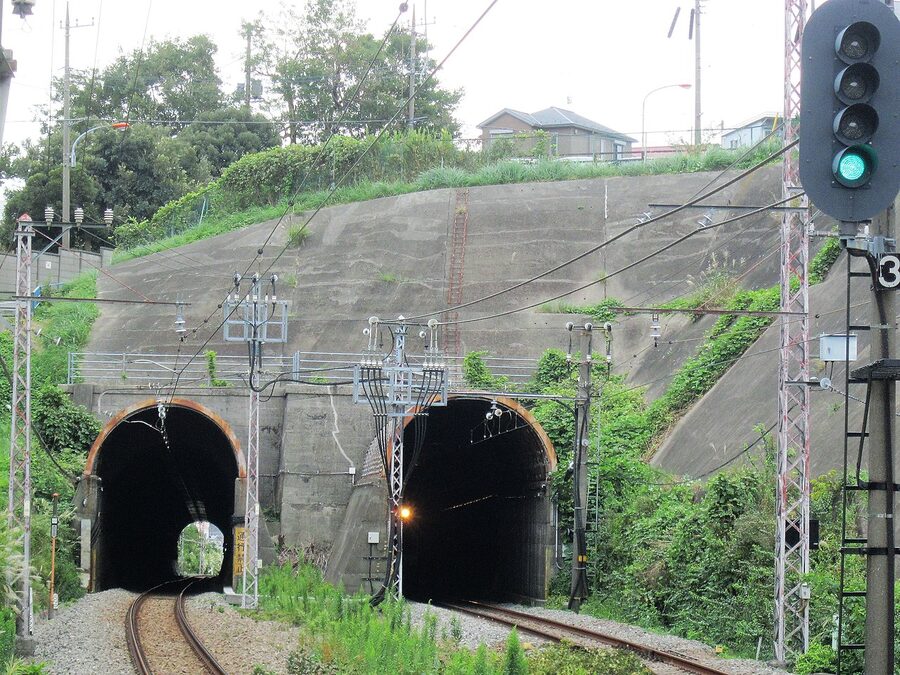
The Enoshima Line splits off the Odawara Line at Sagami-Ono and runs 27.4 km south to Katase-Enoshima, a 1929-vintage branch with the original Imperial-Crown roof terminus building still standing at the seaside end. The service mix is the EXE/EXEα (the Enoshima Romancecar, occasionally the Metro Enoshima from the Chiyoda Line), 5000-II (the rapid express), 4000 (when working a through-run), and 3000-II/1000/8000 on the locals. Trains do not get bigger than ten cars on this line; the platform lengths south of Fujisawa drop to six cars and rule out the longer formations. If you have ridden the Romancecar to Hakone and want a different line on a different day, the Enoshima is the natural pair.
The Tama Line: the new town extension
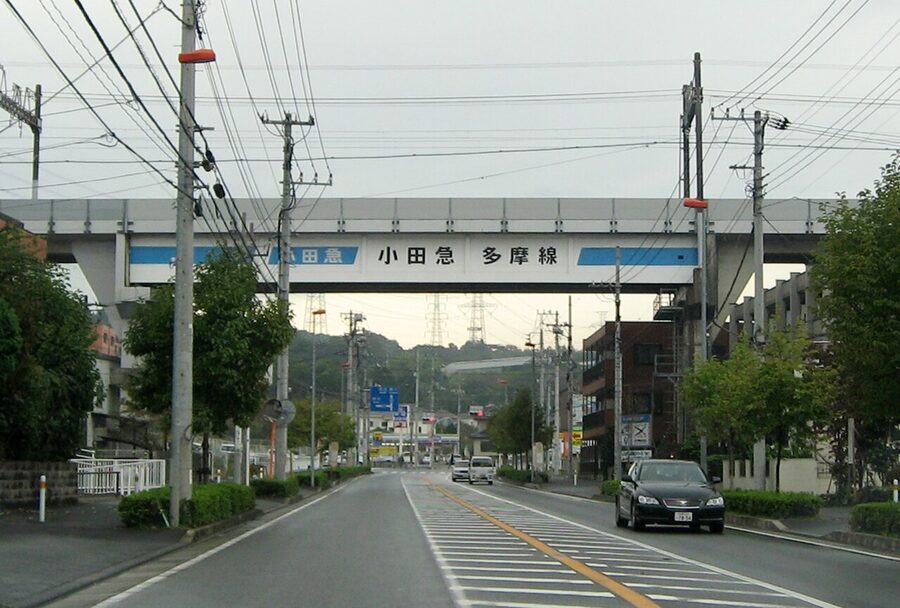
The Tama Line is the shortest and youngest of the three at 10.6 km, opened in stages between 1974 and 1990 to serve the Tama New Town high-rise developments. It branches off the Odawara Line at Shin-Yurigaoka and runs east to Karakida. Most trains on the Tama Line are short-formation 3000-II or 1000 sets; the Hakone-bound Romancecars do not stop on it, but a daily Metro Hakone service is routed via Tama in the evening peak. The Tama Line is also the only Odakyu line that runs predominantly under Kanagawa Prefecture rather than Tokyo, and the rolling stock is largely older for it.
Booking the Romancecar: tickets, app, the trick of the front seat
Fares and the seat reservation
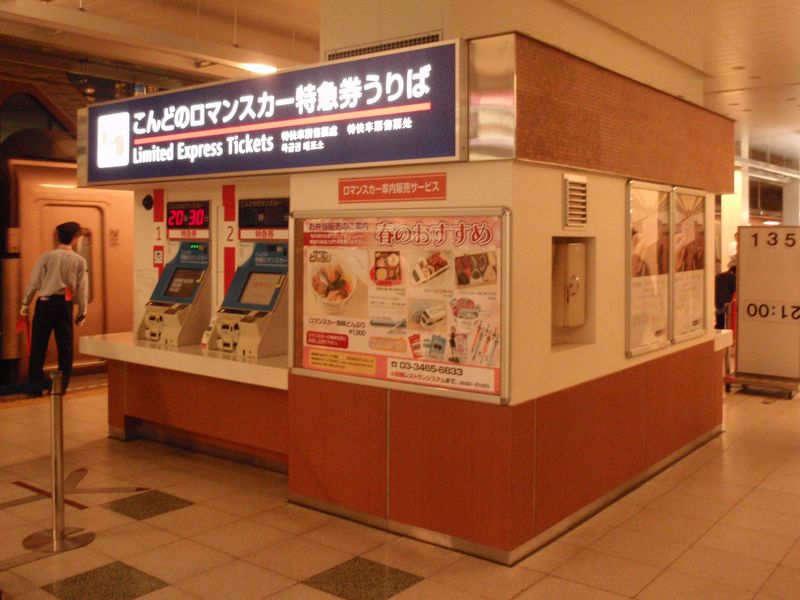
A Romancecar ticket has two parts: the basic fare (the same as a regular Odakyu commuter ticket for the same journey) plus the limited-express supplement. Shinjuku to Hakone-Yumoto runs about ¥910 base fare plus a ¥1,200 limited-express supplement on every Romancecar service except the Mt. Fuji to Gotemba. The supplement is what reserves you a seat. There is no unreserved Romancecar.
The supplement is identical regardless of which series operates the service. You pay the same for an EXE seat as you do for a GSE seat. This is unusual; JR East charges more for a green car than a standard car, and JR Central charges more for the Nozomi than the Hikari Shinkansen. Odakyu does not charge more for the GSE over the EXE, which is part of the reason getting a GSE booking is competitive.
Where to buy
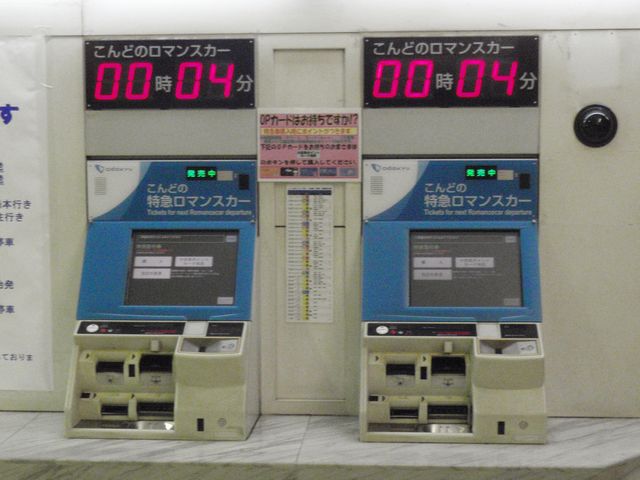
Three options. The Romancecar ticket machines at Shinjuku, Shin-Yurigaoka, Machida, Sagami-Ono, Hon-Atsugi, and Odawara accept IC cards or cash. The window at the same stations does too, with a small queue at Shinjuku. The third option, and the only one that releases tickets at exactly 10:00 thirty days ahead, is the EMot app. Download EMot, register an Odakyu Romancecar account, link a credit card; from then on you can reserve any Romancecar service from anywhere, including the front observation seats on the GSE that vanish from the machines within minutes of release.
If you are buying same-day, walk up to the machine, tap your IC card or pay cash, and you are on the next available service. If you want a particular train and a particular seat, EMot is the one. There is also the e-Romancecar option (the Odakyu website’s English booking page), which works but does not show the same seat-map detail as EMot.
The EMot pre-pay
The EMot app issues an e-ticket that you tap with your phone or a registered IC card at the gate. There is no paper. If you are travelling on a Pasmo Passport tourist IC card, you can register that to EMot too; the e-ticket reads off the Passport at the Odakyu gate. This is the easiest way to buy if you are visiting Tokyo for a week and do not want to chase a paper ticket. It is also the only way to be sure of a GSE front-observation seat: those eight seats per train release at 10:00 thirty days out and are gone within the hour for any Saturday.
Riding it: a couple of practical things
The seats to know
On a GSE, the front observation in cars 1 and 7 (eight seats per direction). On an EXE/EXEα, any seat is fine; the difference is the cabin (the α refit has slightly wider seat pitch and the LCD displays). On an MSE, avoid the inner cab cars 6 and 7 of a ten-car set; the gangway plug door is on those cabs and the seats around it are the noisiest in the train. On an MSE Metro service, sit in the middle of any car and you will not notice the through-running at all; the Chiyoda Line section is just slower, with the LED running map showing each subway station as you pass it.
Where to sit for the views
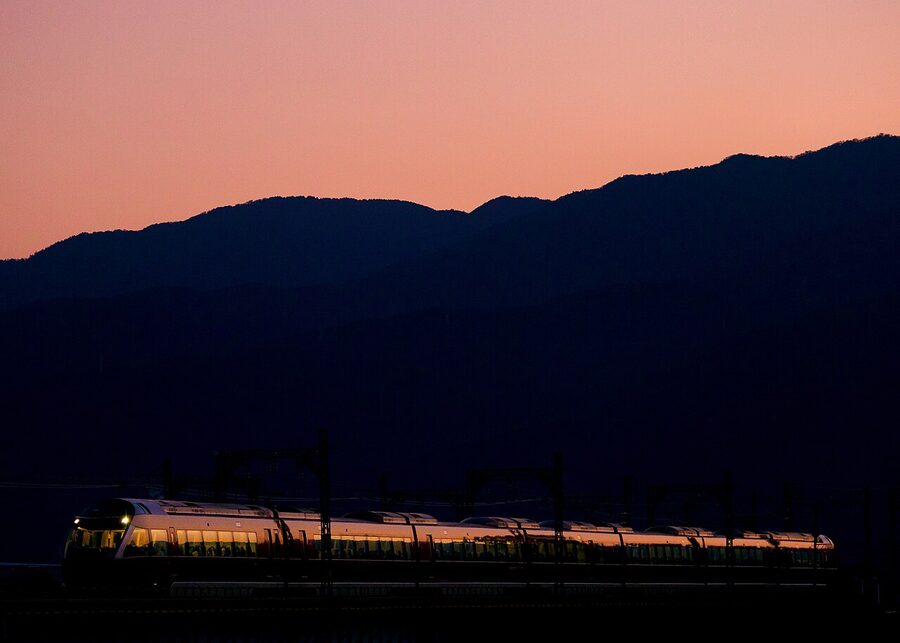
On any Romancecar from Shinjuku to Hakone-Yumoto, the right-hand side (the Odakyu sea side, 海側) is the side that gets you the Sakawa River bridge between Kayama and Tomizu. This is the photograph above, except not at sunset. Sit on the left (the mountain side, 山側) for the Hakone Tozan switchback approach into Hakone-Yumoto, where the train is on a tight 80-metre radius curve and you can see Mt Hakone framed against the carriage windows.
Through-running and where it ends
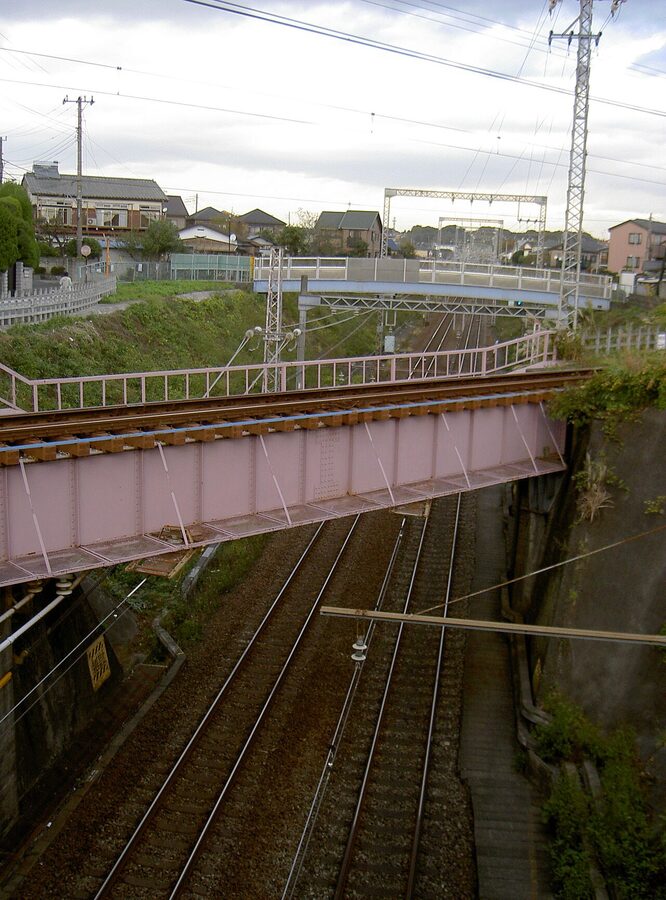
The Odakyu through-running pattern is unusual on three counts: the MSE Romancecar onto the Tokyo Metro Chiyoda Line (subway pattern), the 4000 commuter through to the JR East Joban Slow Line (private-to-JR pattern), and the MSE again onto the Hakone Tozan Railway south of Odawara (gauge-changing pattern, with the Hakone Tozan Line track between Odawara and Hakone-Yumoto laid as dual-gauge to take both Odakyu’s 1,067 mm and Hakone Tozan’s 1,435 mm standard-gauge stock). Three different through-running schemes on a single railway, three different mechanical workarounds, all visible in the rolling stock if you know where to look.
The depot and the museum at Ebina
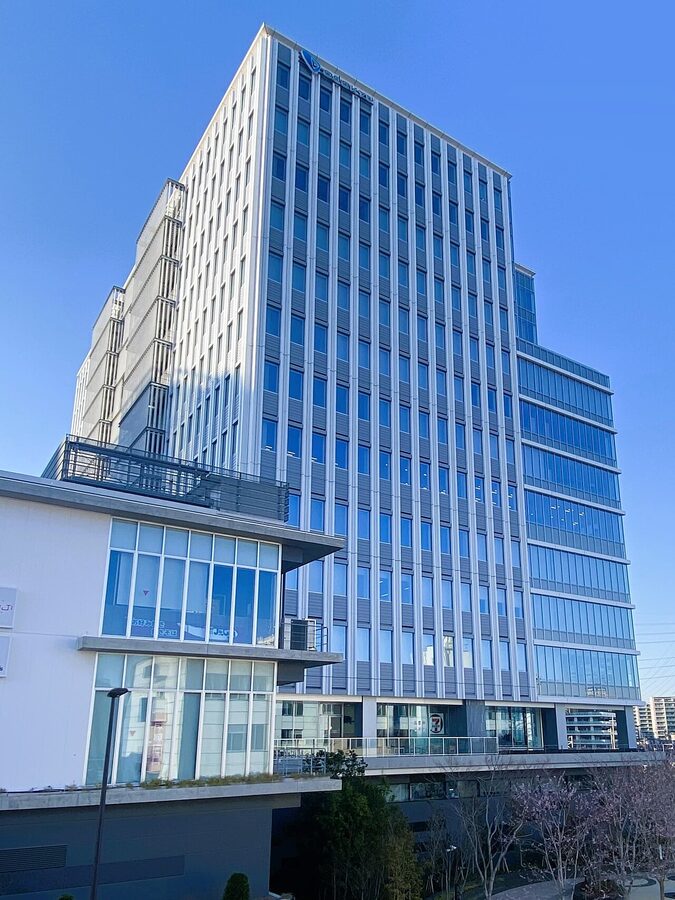
The decision to put both the modern head office and the Romancecar Museum at Ebina, rather than at Shinjuku or Odawara, is the railway’s quiet declaration that Ebina is the operational centre of the modern Odakyu. The depot here maintains the bulk of the active fleet, including the GSE and the MSE; the Romancecar Museum opposite is the only place to see the retired Romancecars (LSE, HiSE, RSE, NSE 3221 cab, and the original 3000 SE) in preserved condition. The Sotetsu Atsugi Line crosses the Odakyu line a few hundred metres away, and there is a coffee shop in ViNA GARDENS OFFICE that looks down on the elevated junction. If you want to see the railway as it actually runs, you go to Ebina; if you want to see Hakone, you take the Romancecar from Shinjuku. The two trips are different.
For the operator history that produced this network (the 1923 founding, the 1942 wartime merger into the Big Tokyu, the 1948 re-separation, the 1957 SE speed record, the long fight over Setagaya quadruple-tracking) the Odakyu Line history article is the companion piece. For comparable rolling-stock breakdowns on the other private operators that share Tokyo’s commuter market, Tobu’s fleet, Keio’s fleet, and Tokyu’s nine-line network each take the same approach. The MSE through-running into the Chiyoda Line connects to Tokyo Metro’s rolling stock at Yoyogi-Uehara, and the 4000 through-running onto the Joban Slow Line picks up JR East stock north of Ayase.
What I would actually book
Three patterns, depending on what you are doing.
If you have one Hakone trip and want the iconic ride
Book a GSE on a Saturday morning Hakone service from Shinjuku, thirty days out, the front observation seat in car 1. The supplement is ¥1,200; the seat is ten in a hundred: ten of the eight thousand or so Hakone-bound Romancecar seats sold each Saturday come with a 200° cab view. The booking opens at 10:00 Tokyo time exactly thirty days before departure on the EMot app. Be on the app at 09:59. For everything else you can buy at the machine on the day.
If you are coming from central Tokyo and the Chiyoda Line is your station
Skip Shinjuku entirely. Book a Metro Hakone on the MSE from Otemachi or Kasumigaseki. You arrive at Hakone-Yumoto roughly the same time, you save the change at Yoyogi-Uehara, and you ride the only reserved-seat limited express in Japan that operates through a subway. No front observation seat, but a clean run through the central Chiyoda Line tunnels with the Odakyu interior fittings is its own thing.
If the GSE is sold out and you do not want an EXE
Take the MSE Sagami service to Odawara and connect onto the Hakone Tozan Railway for the last 11 minutes to Hakone-Yumoto. You add about 15 minutes total versus the through Hakone Romancecar, but you get the MSE on the Sagami leg and a direct Hakone Tozan ride over the dual-gauge track for the last section, which is its own thing.
One thing the network does that nothing else in Tokyo does
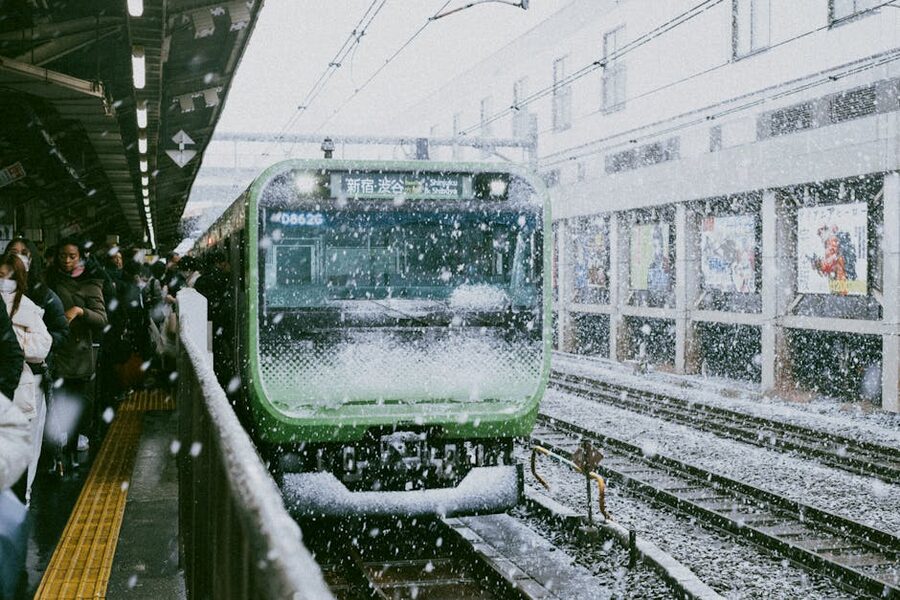
Odakyu is the only operator in Tokyo running a reserved-seat limited express through a subway and out onto a JR line on a single daily timetable. Tobu runs limited expresses through to JR but not through a subway. JR East runs limited expresses through subways (the Sobu rapid line through Yokosuka) but not as reserved Romancecar-equivalent services. Tokyo Metro runs through-services with several private operators but not as a reserved-seat product. The MSE is the only Japanese train that combines all three patterns. That fact, more than the GSE’s design awards or the EXE’s cabin layout, is the operational thing that makes the Odakyu rolling stock different from the rest.
Back at the ticket machine
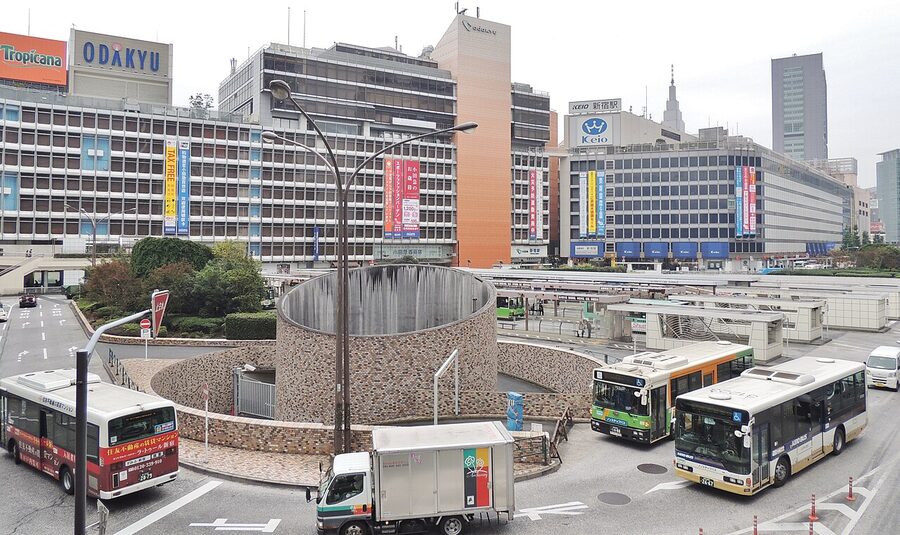
Back at the ticket machine in Shinjuku, the screen has been waiting for an answer. The Hakone 13 in twelve minutes is an EXEα. The Hakone 15 in twenty-eight is a GSE, with one window seat and one observation seat still showing on the cab end of car 7. Both reach Hakone-Yumoto for the same money. Tap the GSE, the observation seat in car 7, and pay the ¥1,200 supplement; you are now booked into the seat behind the driver of the most-decorated Odakyu train of the modern era for an 80-minute ride south to a hot spring. The Hakone 13 will run anyway, full of people who pressed the first available time without looking at the train number. They get there twenty minutes earlier. They will not have noticed.