Nippon Tetsudo, JNR, and the JR Group
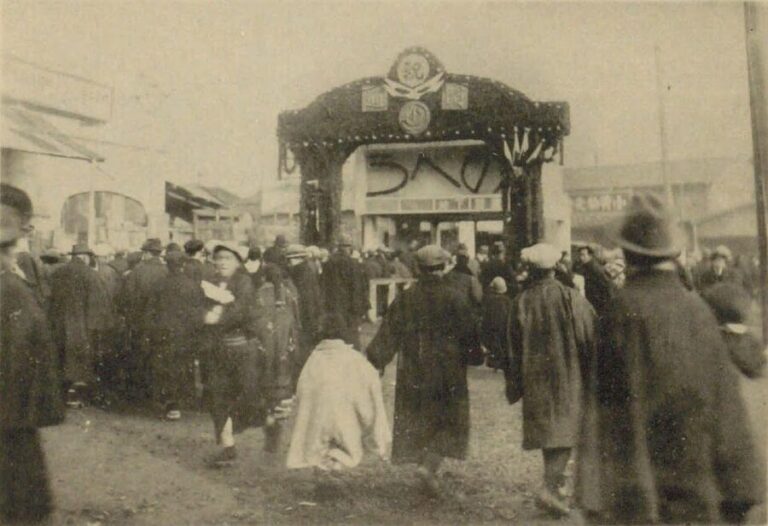
On the morning of 24 February 1898, around four hundred drivers, firemen and yard staff at Nippon Tetsudo’s Fukushima depot walked out. The line they ran, Ueno to Aomori via Sendai, was the longest railway in Japan and the spine of the eastern half of the country. For four days nothing moved on it. Trains sat at Ueno, freight backed up at the silk and rice exchanges in Tohoku, and the company’s directors, who had spent the previous decade telling investors that the future of Japanese rail was private capital, had to negotiate with their own footplate crews. The strikers got most of what they asked for. The company never recovered the political confidence it had built up since 1881, and eight years later the Imperial Diet nationalised it along with sixteen other private operators. The whole network became state property, ran as state property for eighty-one years, and was then sold off again to seven new private companies on 1 April 1987. Those seven companies are the JR Group. The Japan Rail Pass works on every one of them because they share a single corporate inheritance, and that inheritance is the point of this article.
In This Article
- Why this matters when you board a JR train
- The private era: Nippon Tetsudo and the five companies that built the trunk network
- 1881: the kazoku put up the money
- The Ueno terminus and what it locked in
- The five contemporary private companies
- The 1898 Fukushima strike
- The 1906 Railway Nationalisation Act
- What changed for the rider in 1906
- The state era, 1906 to 1949
- The Tanna Tunnel and the Tokaido double-tracking
- The D51 and the wartime workhorse
- 1945 and the network the war left behind
- The JNR era, 1949 to 1987
- 1 October 1964: the Tokaido Shinkansen
- The 583 series and what JNR built when it was running out of money
- Why JNR went broke
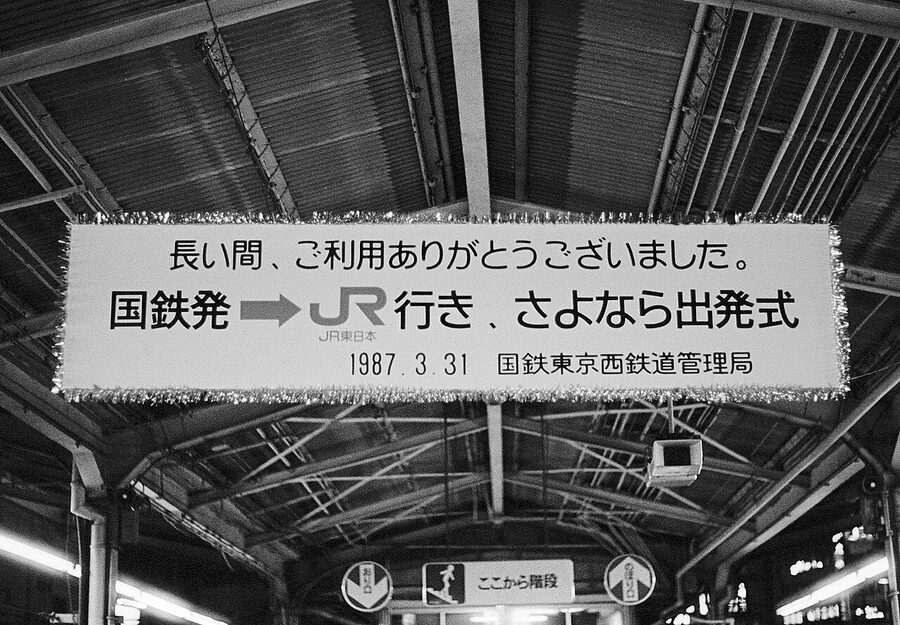
- The 1987 break-up
- What each successor inherited
- How the JR system runs today, and what JNR left behind
- The JR companies as the rider sees them
- JR Hokkaido and the Seikan Tunnel
- The Nippon Tetsudo lines that are still in daily use
- What this corporate inheritance feels like at the platform
- The Nippon Tetsudo lineage and the rest of the Tokyo network
- Riding the inheritance today
- The Japan Rail Pass crosses corporate boundaries
- The corporate boundary at the platform
- The IC card just works
- Where to actually see all this
- The Saitama Railway Museum
- The Kyoto Railway Museum
- The SCMaglev and Railway Park, Nagoya
- The Inoue Masaru statue at Tokyo Station
- The verdict
Why this matters when you board a JR train
Most travellers using the JR network never need to know any of this. The network works. The trains run on time, the IC card taps you through, the Pass scans at the gate. But if you have ever wondered why JR East owns its own power plants and JR Hokkaido does not, why the Tokaido Shinkansen is run by a different company from the Tohoku Shinkansen, why the Yamanote Line and the Joban Line meet at Ueno rather than Tokyo, and why almost every long-distance train you board on a JR Pass is named after something pre-war, the answer is corporate. There is a single corporate ledger that runs from the Iwakura-era kazoku investors of 1881 to the JR East shareholders of today, with two government takeovers and one government sell-off in between. The track and the train have changed; the ledger has not.
The article frames around four corporate eras and the discontinuities between them. The first is the private era, 1881 to 1906, when Nippon Tetsudo and five contemporary private companies built most of the trunk network. The second is the state-railway era, 1906 to 1949, when the Imperial Railway Bureau and its successors ran everything. The third is the JNR era, 1949 to 1987, the public corporation that built the Shinkansen and went broke. The fourth is the JR era, 1987 to today, which inherits everything and is still living off the inheritance. Each break is a hard discontinuity, not a handover, and each one explains something specific about how the JR network you actually use is shaped.
The private era: Nippon Tetsudo and the five companies that built the trunk network
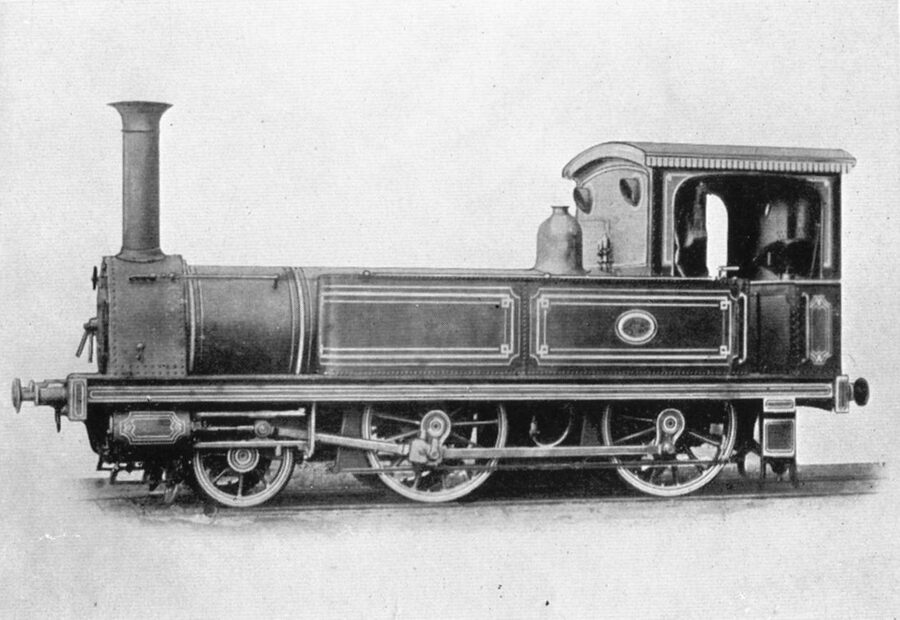
Japan’s first railway opened between Shimbashi and Yokohama on 14 October 1872, fourteen years after Commodore Perry forced the Tokugawa shogunate to open the country and four years after the Meiji Restoration replaced the shogunate with a centralising imperial government. The line was state-owned, British-built, narrow gauge, and 29 km long. Edmund Morel, the Australia-trained British engineer-in-chief, chose the 1,067 mm Cape gauge that the entire pre-Shinkansen Japanese network still uses today. He died of tuberculosis in Yokohama in November 1871, eleven months before the line opened, and is buried in the Yokohama Foreign General Cemetery. The original principle of the new Japanese government was clear: railways were strategic, railways were state. The director of the Imperial Railway Bureau, Inoue Masaru, would spend his entire career arguing the same line.
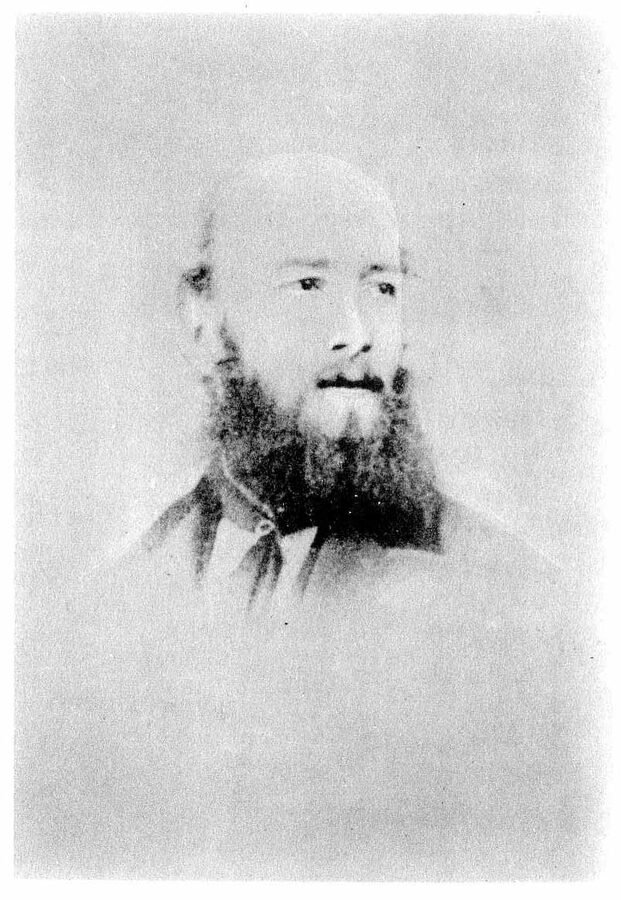
The principle survived the first decade and then collapsed. The Satsuma Rebellion of 1877 cost the Meiji treasury so much that nothing was left for railway construction. The new government had built the Tokyo line and an Osaka to Kobe line by 1874, and was meant to extend both into a national trunk network, but the rebellion debt killed the budget. There was a serious proposal in the early 1880s to sell the existing two state lines back to private investors and use the proceeds to build a third. Inoue Masaru fought it. The compromise was that the trunk network would be built privately under government supervision, with the state retaining the right to buy the companies back later.
1881: the kazoku put up the money
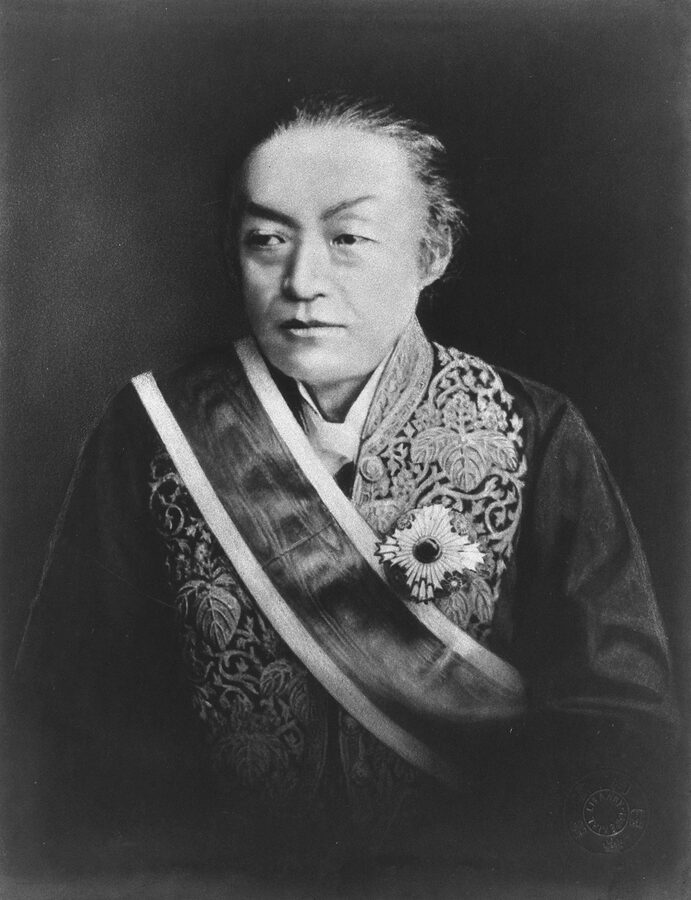
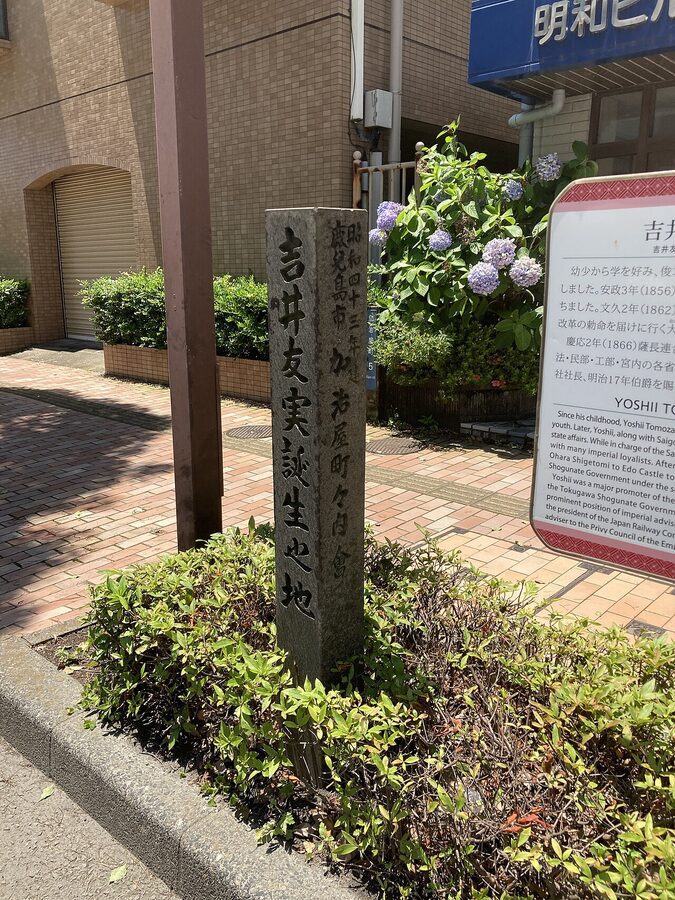
The first private railway company in Japan was founded on 11 November 1881 with capital subscribed almost entirely by the kazoku, the Meiji nobility. It was called Nippon Tetsudo (“Japan Railway”), and the founding charter named four routes the company intended to build: Tokyo to Aomori via Takasaki and Sendai, a Kyoto-direction line through Tsuruga, a Niigata branch off the first, and a separate Kyushu line from Mojiko via Kokura to Nagasaki. In practice it built only the first. The project was politically organised by Iwakura Tomomi, the most senior court noble of the Restoration, who saw private capital as the only way past the post-rebellion treasury bottleneck. The first president was Yoshii Tomozane, age 53, a Satsuma Domain official who had served the imperial court since the 1860s.
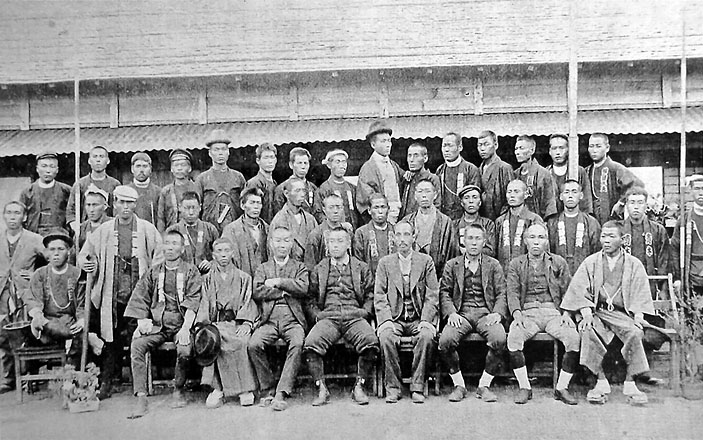
The first 61 km of track, Ueno to Kumagaya, opened on 28 July 1883. Three things about that opening are worth noticing. The terminus was Ueno, not the existing state-owned Shimbashi, because Tokyo Station did not yet exist and the company wanted its own city head. The construction was done by Japanese workers under British and American engineering supervision, which is why the photograph below shows a Japanese crew at Fukiage in 1883 with the engineering staff in Western suits in the background. And the actual track-laying was contracted out to the government’s railway works, with Nippon Tetsudo paying the bills, which is the model that let the line open at the speed it did.
The Ueno terminus and what it locked in
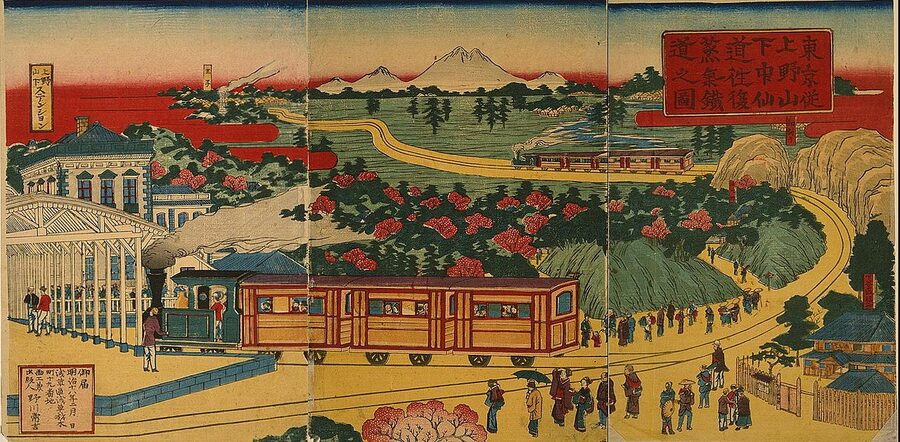
Nippon Tetsudo’s southern terminus was Ueno. It was an unfashionable choice in 1883 because Ueno sat on the unsettled north side of central Tokyo, and Shimbashi to the south was where the state line ran. But it locked in the geography of the eastern Tokyo network for a hundred and forty years. The Tohoku Shinkansen, the Joetsu Shinkansen, the Hokuriku Shinkansen, the Yamanote Line, the Keihin-Tohoku Line, the Joban Line, and the Utsunomiya and Takasaki lines all pass through Ueno today because the company that built them in the 1880s and 1890s chose Ueno as its city head. Tokyo Station was added in 1914 to fix the broken connection between Shimbashi and Ueno; the current layout is a 1914 patch on an 1883 decision.
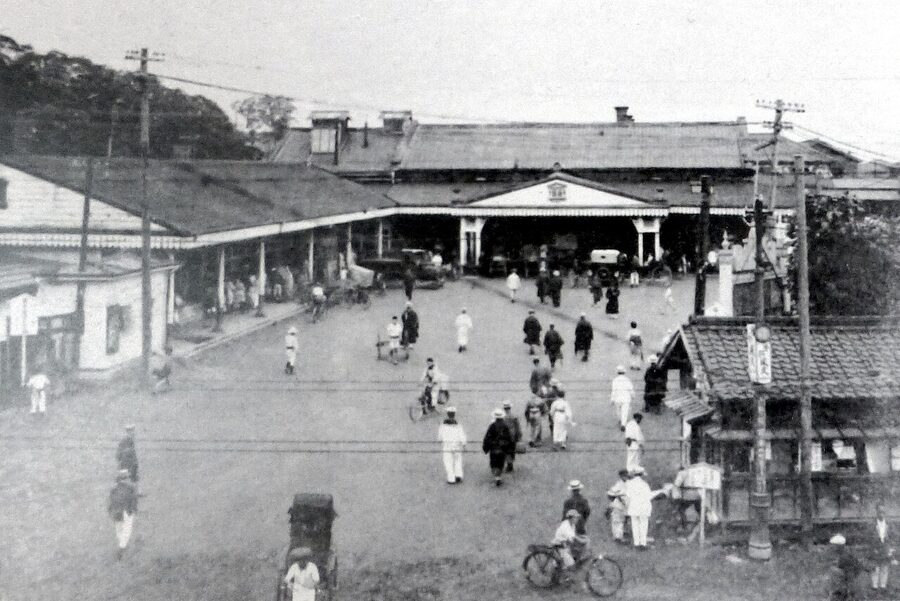
The 1885 Yamanote connector deserves its own paragraph. Nippon Tetsudo, having built north from Ueno to Takasaki and Maebashi, needed to feed freight from its lines to the Tokaido and the international ports at Yokohama. The state’s Shimbashi line ran straight south, but the connection between Ueno and Shimbashi did not exist yet. The solution was a 21 km western arc from Akabane through Ikebukuro, Shinjuku and Shibuya down to Shinagawa, opened on 1 March 1885 as the “Shinagawa Line”. The track-laying was again contracted to the government on Nippon Tetsudo’s account. That arc is the western half of today’s Yamanote Line, and the JR East E235 series you board at Shinjuku is the operational descendant of that 1885 freight bypass.
The five contemporary private companies
Nippon Tetsudo was not the only private railway built between 1881 and 1906. By the time the Russo-Japanese War ended, sixteen private companies were operating across Japan, of which five carried trunk-network responsibility on the same scale as Nippon Tetsudo. The 1906 Railway Nationalisation Act bought out all seventeen companies named in its annex, but these are the five that mattered alongside Nippon Tetsudo:
- Sanyo Tetsudo, founded 1888, building the Kobe to Shimonoseki trunk along the Inland Sea and operating Japan’s first sleeper service. Its track is now most of the JR West Sanyo Main Line and Sanyo Shinkansen alignment.
- Kyushu Tetsudo, founded 1888, building Mojiko to Kagoshima and the Nagasaki branch. Its track is now JR Kyushu’s primary trunk.
- Hokkaido Tanko Tetsudo (Hokkaido Coal Mining Railway), founded 1889, building Sapporo to Otaru and the lines to the Yubari coalfield. Its track is JR Hokkaido’s southern half.
- Kansai Tetsudo, founded 1888, building Nagoya to Osaka via Iga and competing aggressively with the state-owned Tokaido line. Most of its alignment became the JR West Kansai Main Line.
- Hokuetsu Tetsudo, founded 1894, building Niigata into Naoetsu and the Hokuriku connection. Its track is now the JR East Shin’etsu Main Line.
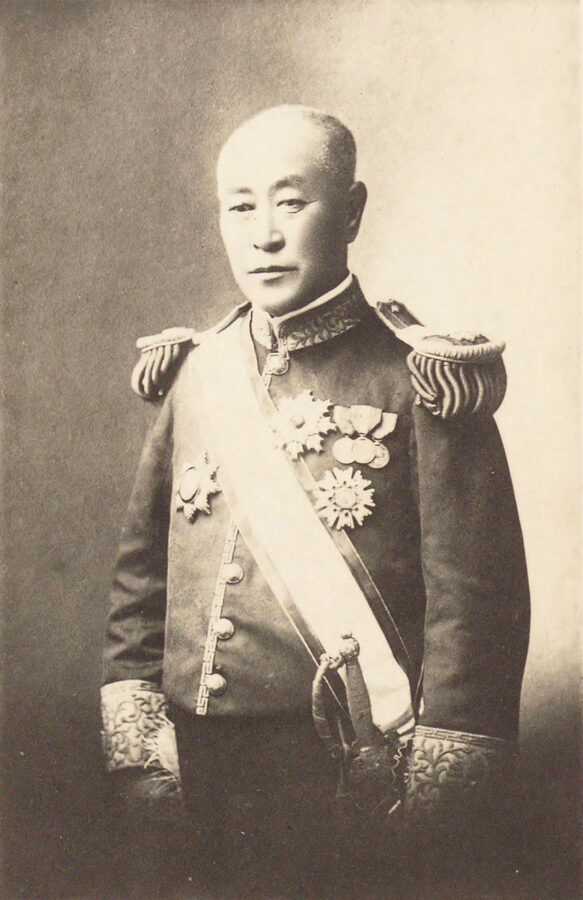
By 1905, Nippon Tetsudo plus these five companies operated 4,832 km of railway, against the state’s 2,562 km. Private capital had built nearly twice as much trunk network as the state had managed in the same period. Inoue Masaru, watching from his office at the Imperial Railway Bureau, considered this proof that nationalisation was overdue.
The 1898 Fukushima strike
The hook of this article comes from this period. On 24 February 1898, around four hundred Nippon Tetsudo drivers, firemen and yard staff at the Fukushima depot walked out. The strike lasted four days, ran the entire Tokyo to Aomori line into the ground, and ended with the strikers winning most of their demands on pay and conditions. It was the first railway strike in Japan and the largest industrial action of the Meiji period. The strike did not by itself cause nationalisation; that came eight years later, for different reasons. But it cracked the political confidence in private rail. Imperial Diet members, who had been prepared in 1893 to let private companies own the trunk network, were suddenly sceptical that private companies could run it without the state having to step in to keep the lines moving in a crisis. The Russo-Japanese War of 1904 to 1905, when the army needed to move whole divisions to Korea on private track, finished the argument.
The 1906 Railway Nationalisation Act
The Tetsudo Kokuyu-ho, the Railway Nationalisation Act, was passed by the Saionji Kinmochi cabinet on 31 March 1906. Its operative clause directed the state to buy out seventeen private railway companies named in the Act’s schedule, paying for them with thirty-year government bonds at compulsory book value. The bill passed the House of Representatives 243 to 109 on 16 March, then the House of Peers 205 to 62 with amendments on 27 March. Sogai Sukenori, the president of Nippon Tetsudo, spoke against it in the Peers and lost. Shibusawa Eiichi, the elder statesman of Japanese capitalism, also opposed it. They lost together.
The seventeen companies bought out were Nippon Tetsudo, Sanyo Tetsudo, Kyushu Tetsudo, Hokkaido Tanko Tetsudo, Kansai Tetsudo, Hokuetsu Tetsudo, Sanyo Tetsudo’s branch operators, and ten smaller regional companies. The total purchase price was ¥456 million, paid in 5 per cent thirty-year bonds redeemable from 1937. The state network grew overnight from 2,525 km to 7,153 km. The Imperial Railway Bureau, renamed the Tetsudo-in (Railway Bureau) in 1908 with cabinet rank, took over operations. By April 1907 every named company had been transferred. Nippon Tetsudo’s last day as an independent operator was 1 November 1906, twenty-five years and four days after its founding.
The arguments for nationalisation, recorded in the Diet debates and in Inoue’s contemporaneous writings, were five. Strategic: the army needed unified control of trunk capacity, especially after the Russo-Japanese War. Financial: the war had left Japan with foreign debt that could be refinanced if the railways were on the state balance sheet as collateral. Operational: the seven private companies had different gauges, signalling, brakes and timetable conventions, and through-running across them was a daily mess. Political: foreign capital was beginning to buy private-railway shares, and the Diet did not want British or French shareholders deciding which trains the army could commandeer. And, more quietly: the kazoku investors of 1881 wanted out, and a state buyout at book value was the most graceful exit.
What changed for the rider in 1906
If you had been riding the Tokyo to Aomori line in 1905 and again in 1907, you would have noticed almost nothing. The same trains ran on the same track to the same timetable. Nippon Tetsudo’s livery was repainted into Imperial Railway Bureau ochre over a period of four years. The line names you know today, Tohoku Main Line, Joban Line, Takasaki Line, Yamanote Line, were not formalised until the 1909 Line Naming Regulations. Until then, the lines kept the names Nippon Tetsudo had used. What did change, immediately, was the management ledger. Profits no longer went to dividend. Wages were standardised across the seventeen former companies, mostly upward. And the Imperial Railway Bureau began the long technical project of standardising rolling stock, signalling and brakes, a project that ran into the 1920s.
The state era, 1906 to 1949
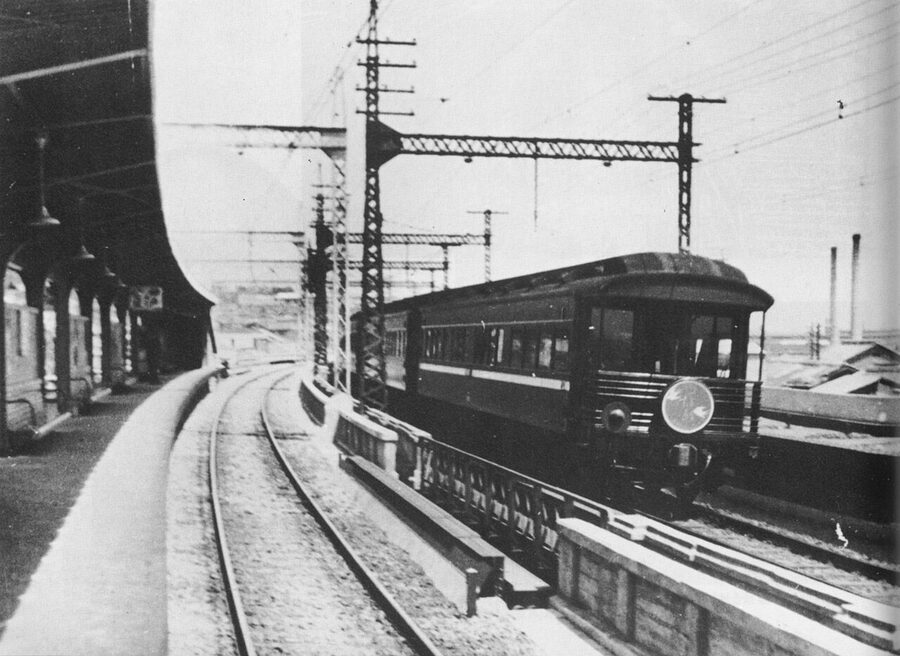
The state era is the longest of the four and gets the least attention in the English-language treatments, partly because it spans the Russo-Japanese War, the Taisho liberal period, the Showa militarisation, the Pacific War and the post-war American occupation, and partly because the operating identity changed three times during it without the network changing very much. The Tetsudo-in (Railway Bureau) became the Tetsudo-sho (Ministry of Railways) in 1920, then the Un’yu-tsushin-sho (Ministry of Transport and Communications) consolidated it in 1943, then the Un’yu-sho (Ministry of Transport) inherited it after the war, and only in 1949 did it become a separate public corporation. Through all that, the trains ran on the same network with broadly the same rolling stock, expanded steadily.
The Tanna Tunnel and the Tokaido double-tracking
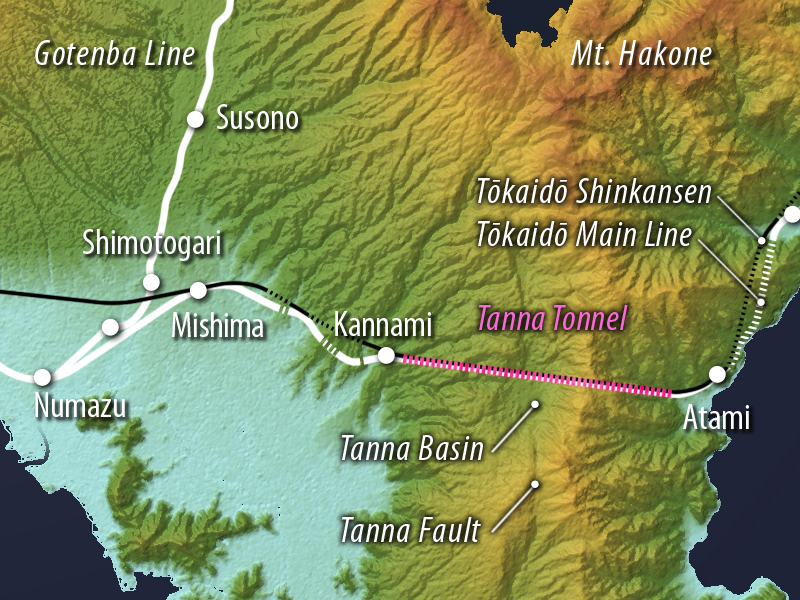
The state era’s signature engineering achievement was the Tanna Tunnel. The original Tokaido Main Line, opened in stages in the 1880s, climbed over the Hakone mountains via the Gotemba Line on switchbacks, which was slow, expensive in coal, and capacity-limited. The Tetsudo-in began driving a 7,804 m tunnel under the Tanna Pass in 1918. Sixteen years and sixty-seven workers’ deaths later, the tunnel opened in December 1934. It cut the Tokyo to Osaka journey by 23 km and let the Tokaido carry double-stacked freight at full mainline speed. The Tsubame super-express, which had run via Gotemba since 1930 at 9 hours 30 minutes Tokyo to Kobe, ran the new alignment from December 1934 in 8 hours 20 minutes. The Tanna Tunnel is still in daily use; if you take a Hikari or Kodama on the Tokaido Shinkansen today, you parallel it.
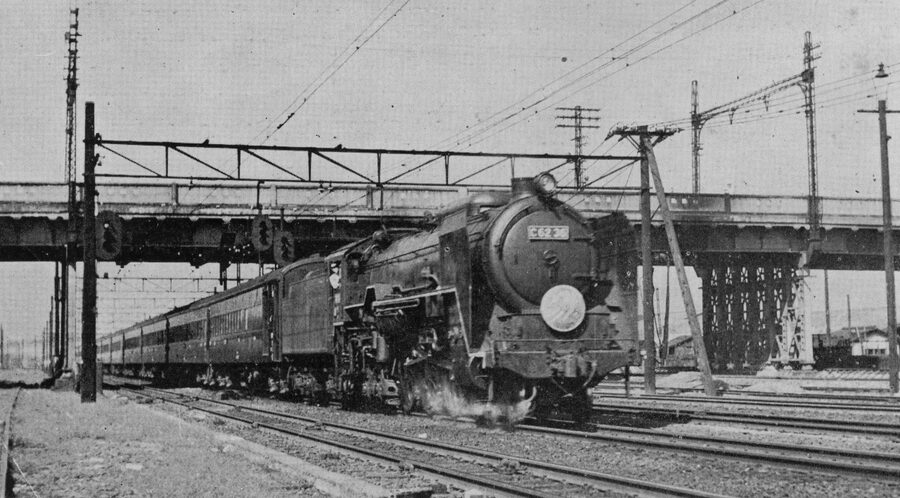
The D51 and the wartime workhorse
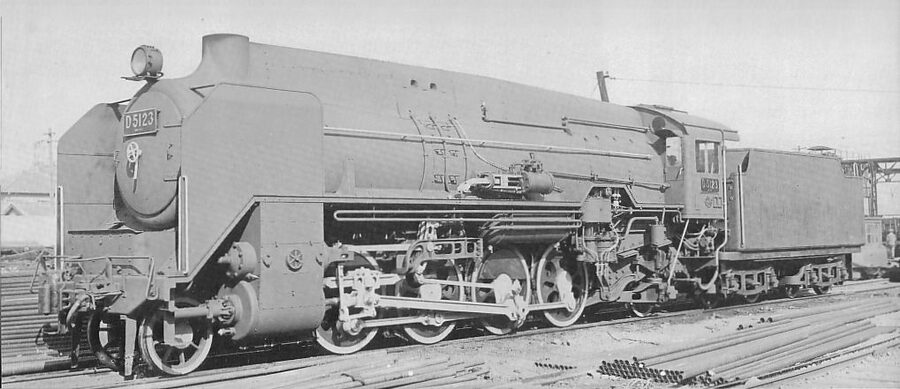
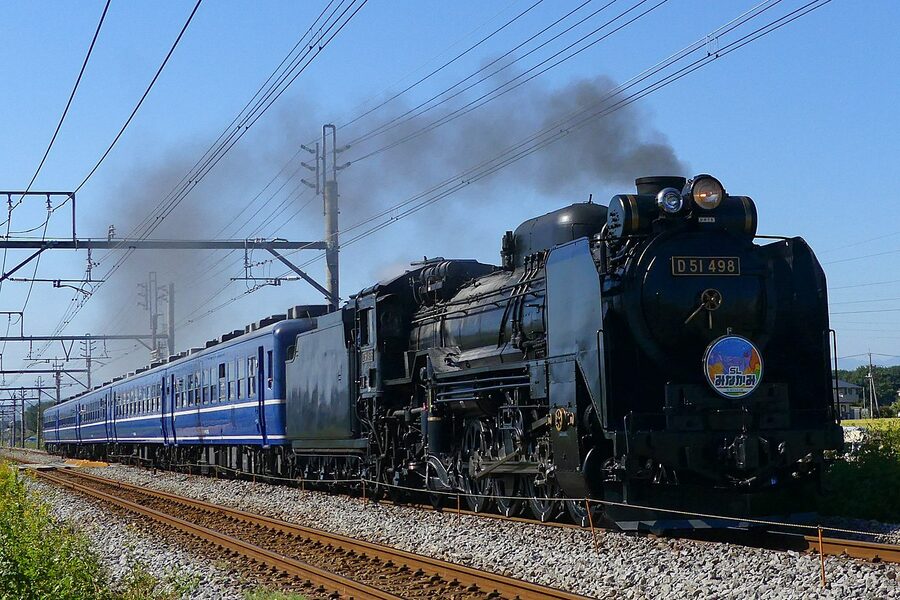
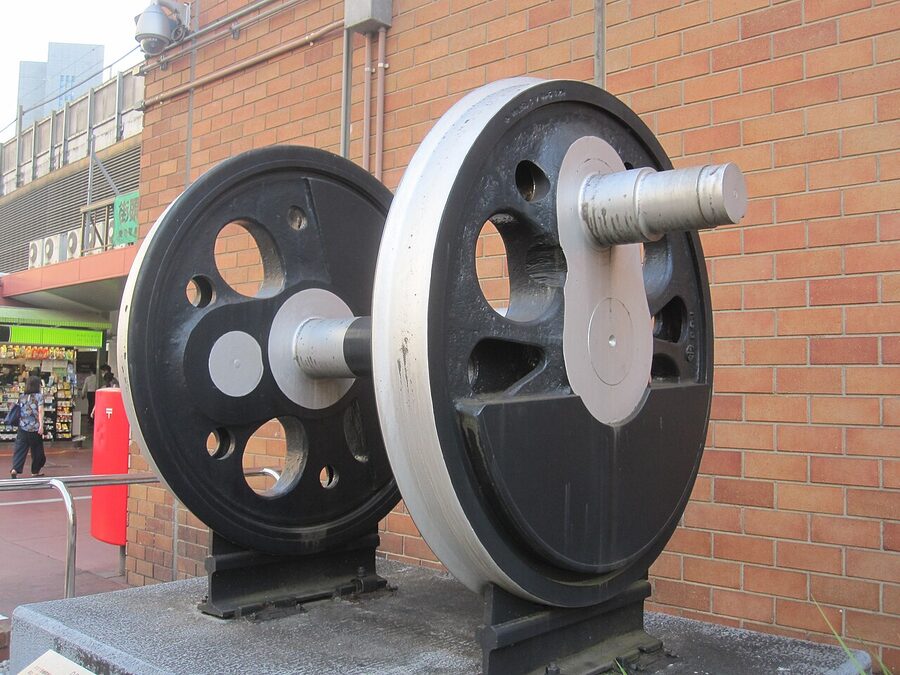
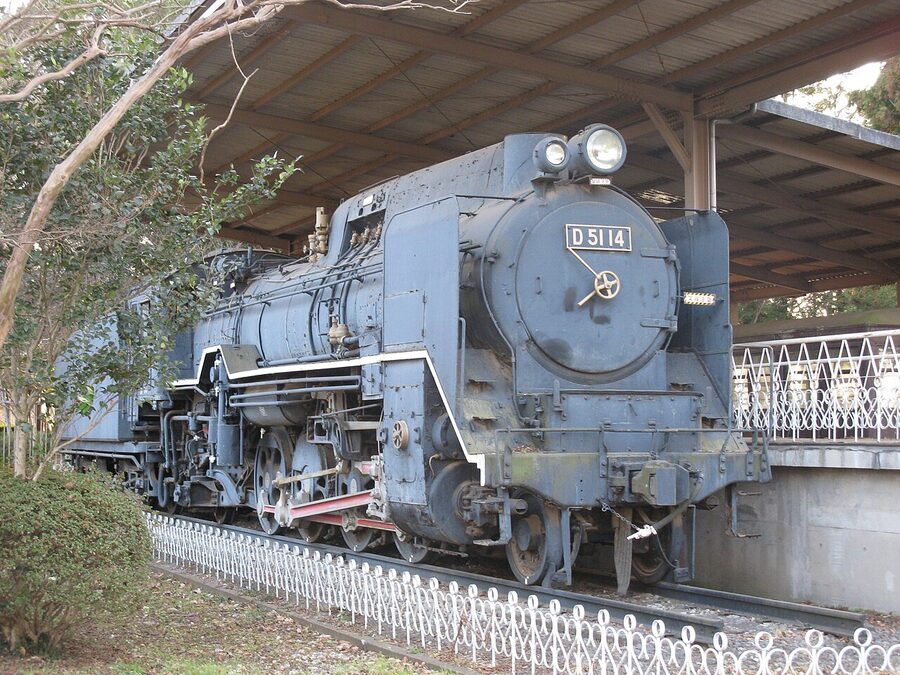
The Tetsudo-sho’s other defining engineering project was rolling stock. The D51 series 2-8-2 freight locomotive, designed in 1935 and built from 1936, became the workhorse of the wartime and post-war network. 1,115 were built before 1945, the largest single production run of any Japanese steam class. They hauled coal, war supplies, and after 1945 the rebuilt freight network. D51 498 still runs heritage services on the Joetsu Line for JR East, and the SL Minakami runs into the autumn-leaf weekends out of Takasaki at speeds that look identical to the wartime timetable.
1945 and the network the war left behind
The Pacific War left the state railway with most of its infrastructure damaged but most of it still standing. American bombing concentrated on cities and industrial sites; the rural trunk network mostly survived because the bombers concentrated on coastal industrial targets and because Japanese rail used narrow gauge and steam, which the US Air Force did not consider a strategic priority. The Tokaido Main Line was running again by November 1945. The Tohoku Main Line, Nippon Tetsudo’s old route, was running by spring 1946. The damaged stations were rebuilt over the next decade, and by the time JNR was constituted in 1949 the network was operating at roughly pre-war capacity with mostly pre-war rolling stock.
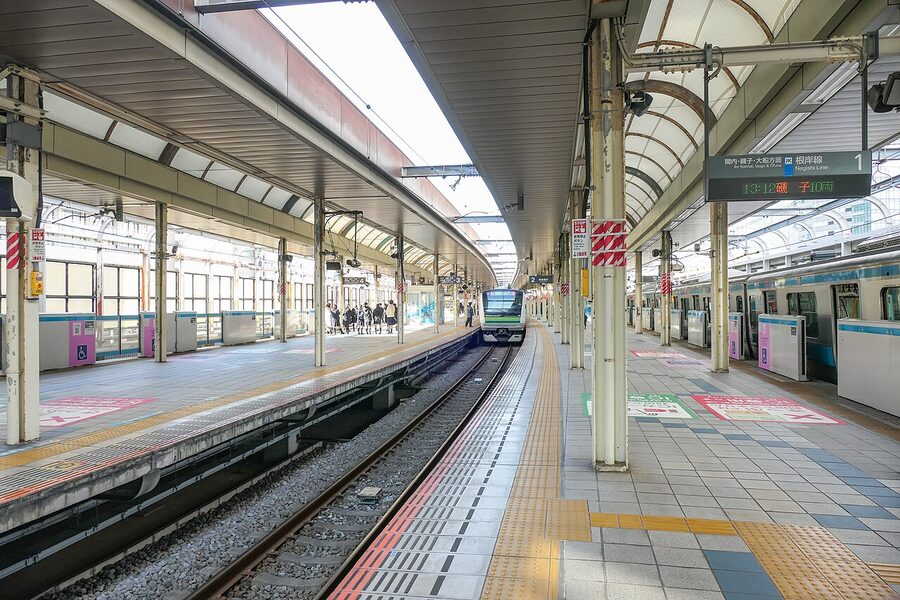
Sakuragicho Station in Yokohama, the original 1872 terminus, is one of the few places where the original Nippon Tetsudo-era state-railway alignment is still in continuous use. The current platforms sit roughly on the 1872 footprint. The current building dates to 1964, but the line through it has not moved.
The JNR era, 1949 to 1987
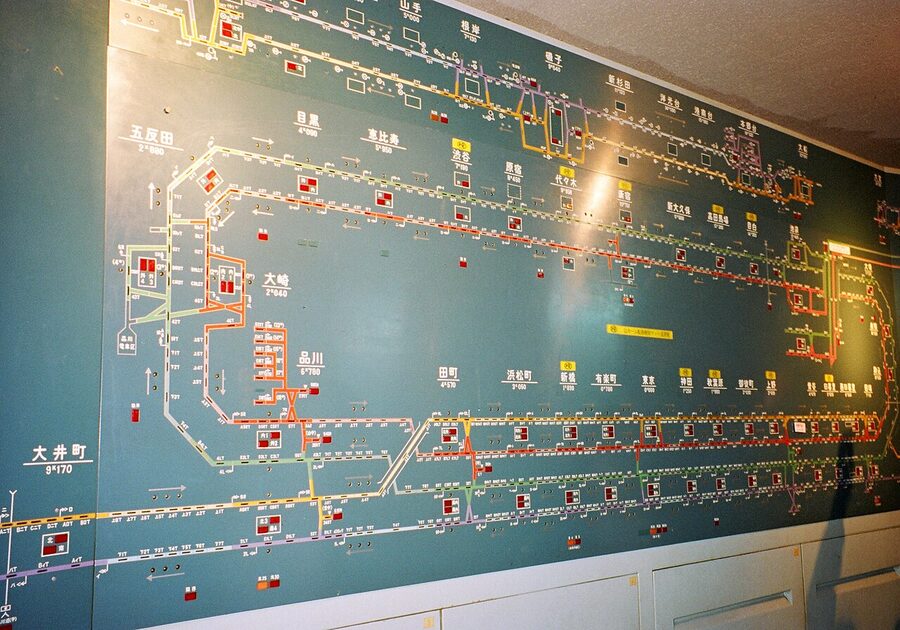
On 1 June 1949, the operating arm of the Ministry of Transport’s Railway Bureau was hived off into a new public corporation called Nihon Kokuyu Tetsudo, in English Japanese National Railways, in shorthand JNR or, in Japanese, Kokutetsu. The corporation was 100 per cent state-owned but operated under independent accounts, with its own president appointed by the cabinet, its own board, and its own collective bargaining agreements. The new structure was an American occupation idea, modelled on US public corporations like the Tennessee Valley Authority. The official launch date was meant to have been 1 April 1949, but the Ministry of Transport could not get the paperwork ready in time and the actual transition slipped to 1 June.
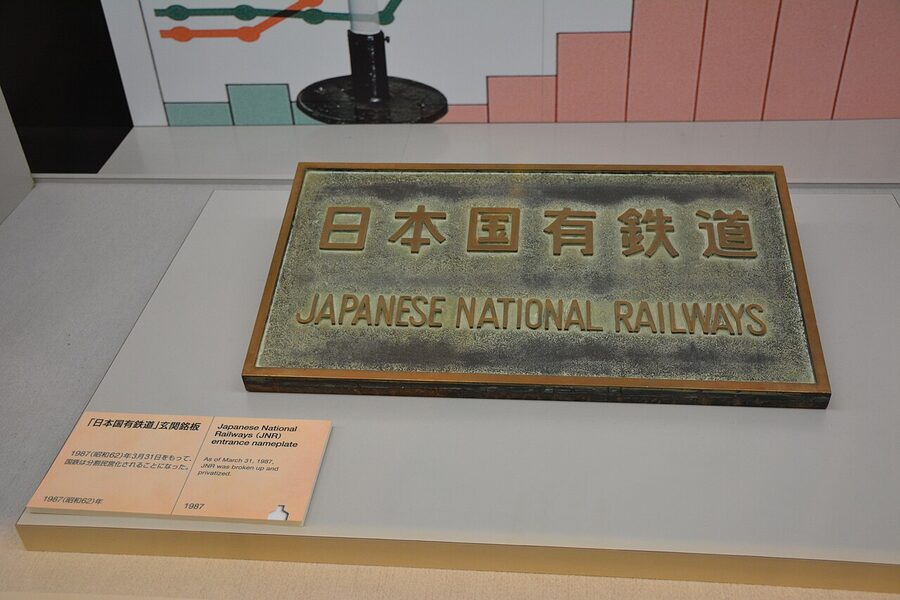
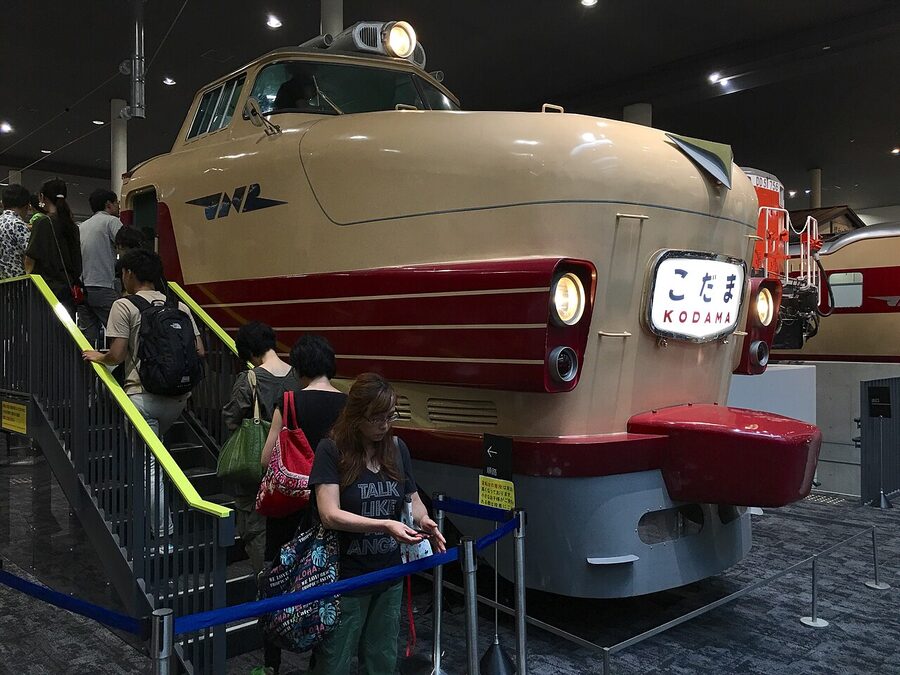
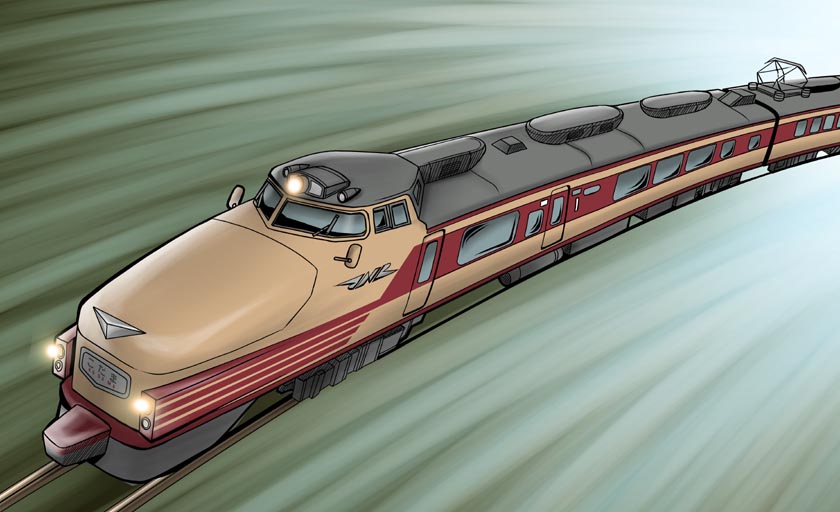
JNR inherited a network of 19,000 km of track, 80,000 freight wagons, 6,000 passenger carriages, 5,500 steam locomotives, and 460,000 employees. About a quarter of the staff were demobilised soldiers and repatriated colonial workers absorbed by government order during 1946 and 1947, and that wartime employment overhang would become the corporation’s central financial problem in the 1980s. JNR’s first decade ran a small surplus and rebuilt the network. The 1958 introduction of the Class 151 EMU as the Kodama service, running Tokyo to Osaka in 6 hours 40 minutes, was the symbolic close of the rebuild.
1 October 1964: the Tokaido Shinkansen
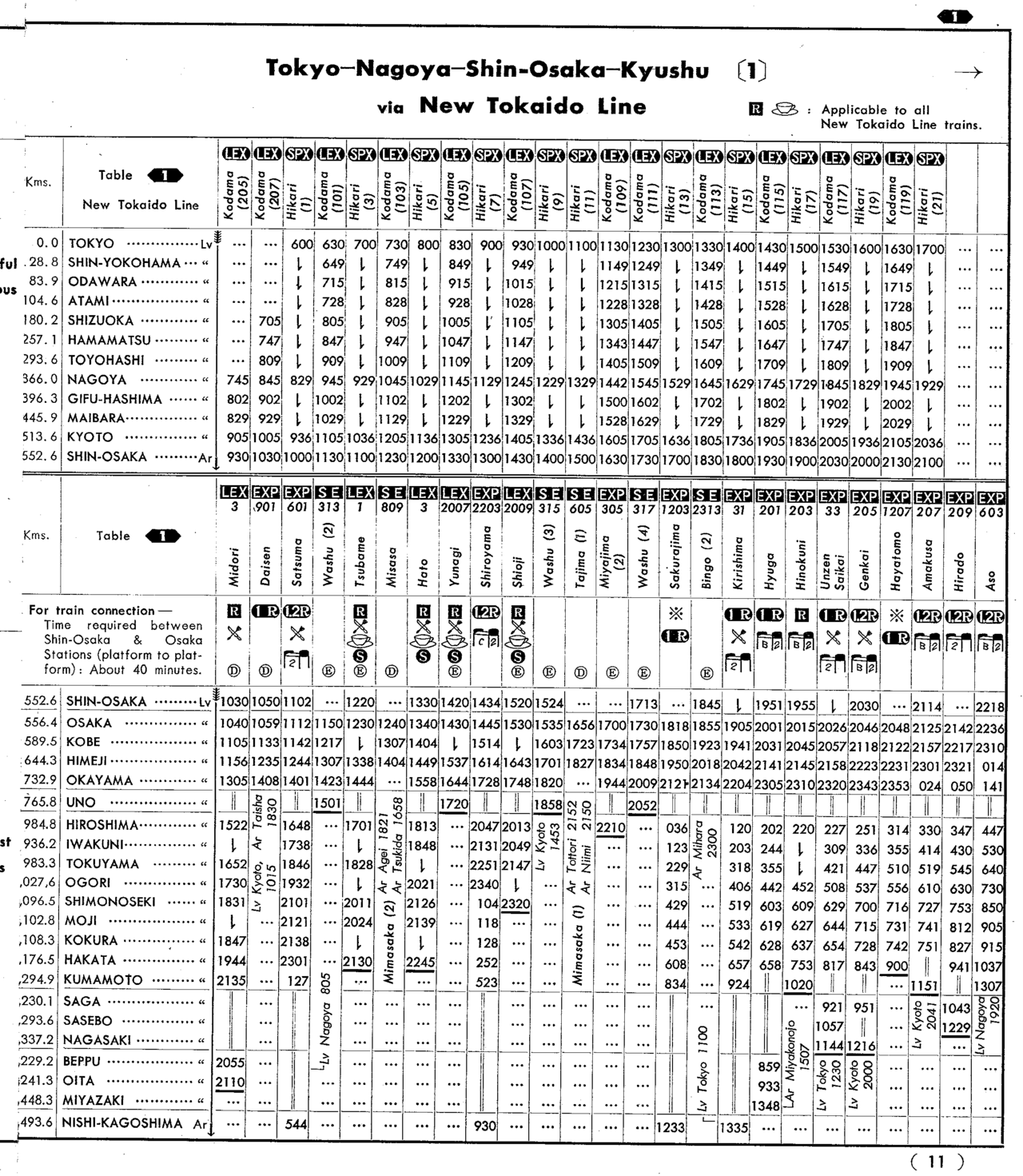
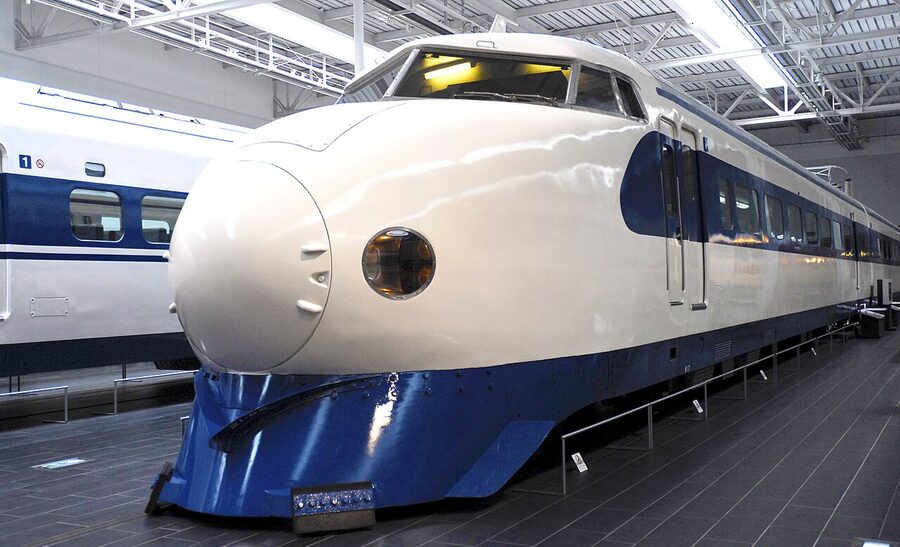
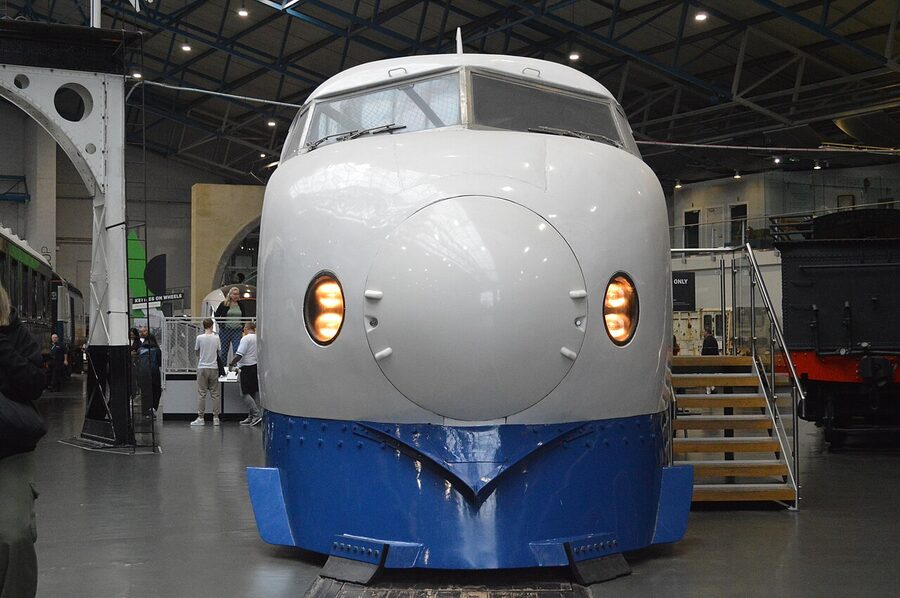
The Tokaido Shinkansen opened on 1 October 1964, nine days before the Tokyo Olympics. It was JNR’s largest civil-engineering project, the first dedicated standard-gauge high-speed line anywhere in the world, and the start of the corporation’s terminal financial crisis. The 515 km Tokyo to Osaka line cost ¥380 billion, twice the original World Bank loan budget, and was financed by domestic bonds that JNR had to service out of operating revenue. The opening-day Hikari ran Tokyo to Osaka in 4 hours; the Kodama, stopping at every station, ran in 5 hours. By 1965 the journey had been cut to 3 hours 10 minutes. By 1990 to 2 hours 30 minutes. By 2025 to 2 hours 21 minutes on the Nozomi.
1964 is also the year JNR’s accounts went red and stayed there. The Shinkansen launch coincided with the corporation’s first single-year operating loss, ¥30 billion. By 1966 JNR was in capital deficit. By 1976 the cumulative debt had passed ¥5 trillion. By 1985, the year the privatisation working group reported, the cumulative debt was ¥25.5 trillion and the annual interest bill was over ¥1 trillion, more than the corporation’s annual operating profit on passenger services. The combination of three things drove this: the Shinkansen capital programme, the wartime employment overhang, and the political-railway construction programme that built loss-making lines into ruling-party Diet seats.
The 583 series and what JNR built when it was running out of money
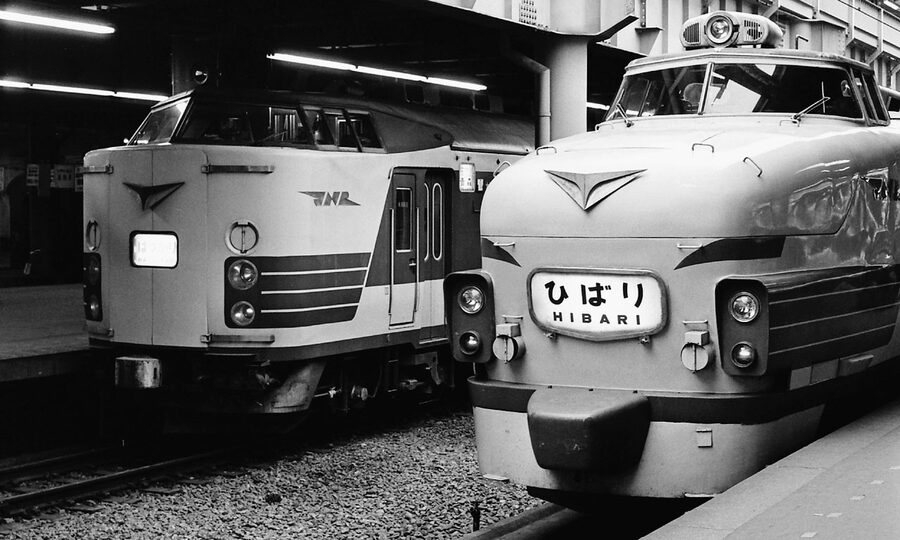
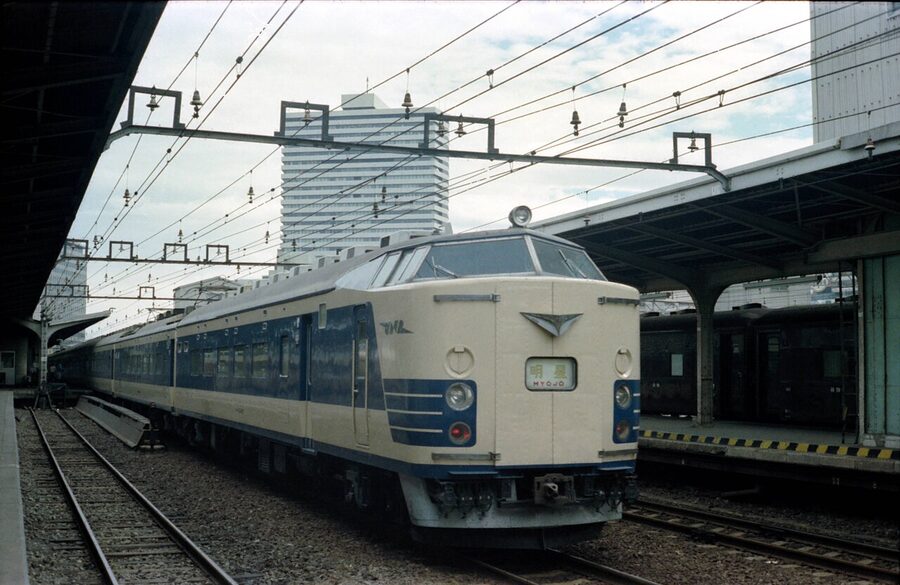
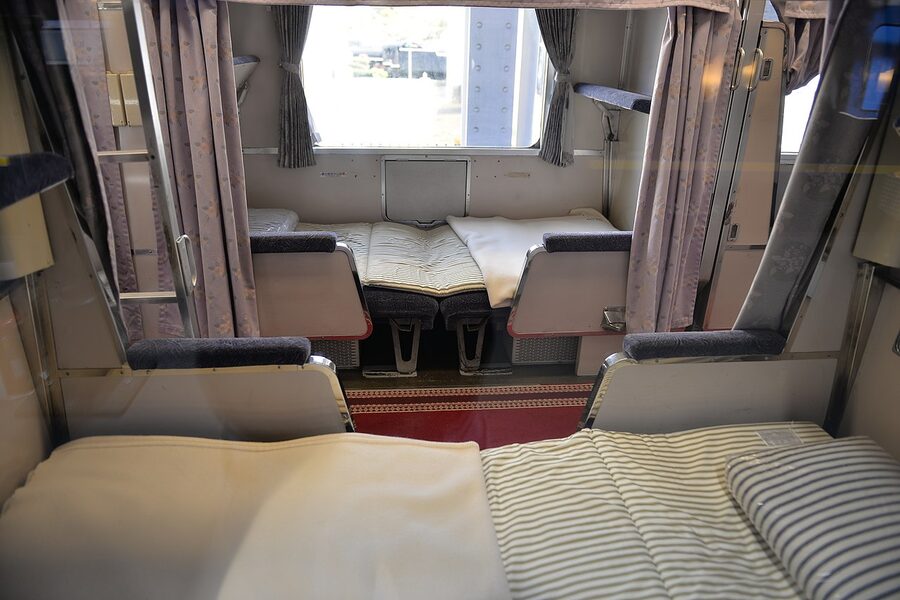
The 583 series, built between 1967 and 1972, is the rolling stock that captures the late JNR most precisely. It was the world’s only mass-production EMU designed for both daytime limited-express service and overnight sleeper service in the same train. The seats unfolded into three-tier sleeper berths over a 90-minute depot conversion. JNR built 434 cars and ran them on overnight runs across the network: the Hatsukari (Ueno-Aomori), the Hibari (Ueno-Sendai), the Myojo (Osaka-Hakata), the Kirishima (Kyoto-Nishikagoshima). The 583 ran in revenue service until 2017, three decades after JNR itself was wound up. It is the corporation’s most evocative artefact, partly because the design genuinely was clever, and partly because it embodies the JNR habit of solving problems by building unique equipment that no commercial railway would have built.
Why JNR went broke
The standard explanation is that JNR died of debt. That is true but not complete. The deeper reason is that the corporation was the operational arm of a state, not the management of a railway. JNR could not raise fares without Diet approval. It could not close lossmaking branch lines without prefectural approval. It could not enter property development, hotels or retail to cross-subsidise the rails, because the Public Corporation Act forbade it from operating outside its statutory remit. It had to accept whatever capital projects the ruling party wanted in its constituencies (the so-called gaden-intetsu, “irrigating my own field with railway”), and then service the debt for those projects out of operating revenue. The private sector, the Odakyus and Tokyus and Tobus, did the opposite: built the railway, built the housing on the line, sold the housing, used the cash flow to subsidise the rail.
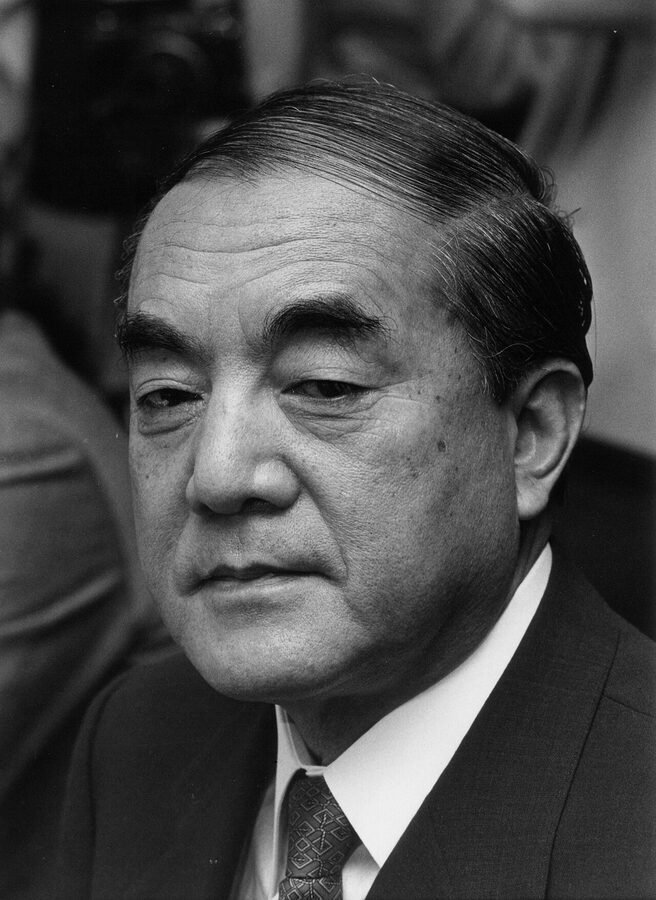
By the early 1980s the political class of all parties agreed JNR had to be reformed. They disagreed on how. The Liberal Democratic Party right, led by Prime Minister Yasuhiro Nakasone after 1982, wanted full break-up and privatisation, partly for ideological reasons (Reagan and Thatcher were doing similar things) and partly to crush the JNR labour union, the Kokuro, which had been the strongest single component of the political opposition for thirty years. The LDP centre, led by Tanaka Kakuei until his 1985 stroke, wanted privatisation without break-up: a single operating entity, sold to private shareholders. The Socialists wanted the corporation kept whole and the debt forgiven. Nakasone won.
The 1987 break-up
The Diet passed the JNR Reform Acts (eight related bills) on 28 November 1986. They came into force on 1 April 1987. The structure they created was specific and deliberate. JNR’s operating divisions were split into seven new joint-stock companies, all initially 100 per cent state-owned through a holding entity called the JNR Settlement Corporation. The seven were:
- JR Hokkaido, all railway in Hokkaido north of the Seikan Tunnel.
- JR East, the bulk of the Kanto, Tohoku and Niigata networks, the largest of the seven by track-km and the only one with a viable balance sheet from day one.
- JR Central, Tokai and the Tokaido Shinkansen, the most profitable of the seven, structurally protected by the cash-cow corridor between Tokyo and Osaka.
- JR West, the Kansai and Sanyo networks plus the Sanyo Shinkansen.
- JR Shikoku, the entire Shikoku network, with a JNR-Settlement-funded “management stabilisation fund” of ¥208 billion to live off.
- JR Kyushu, the entire Kyushu network with a similar ¥387 billion stabilisation fund.
- JR Freight, the freight operating company, with track-access rights over all six passenger networks.
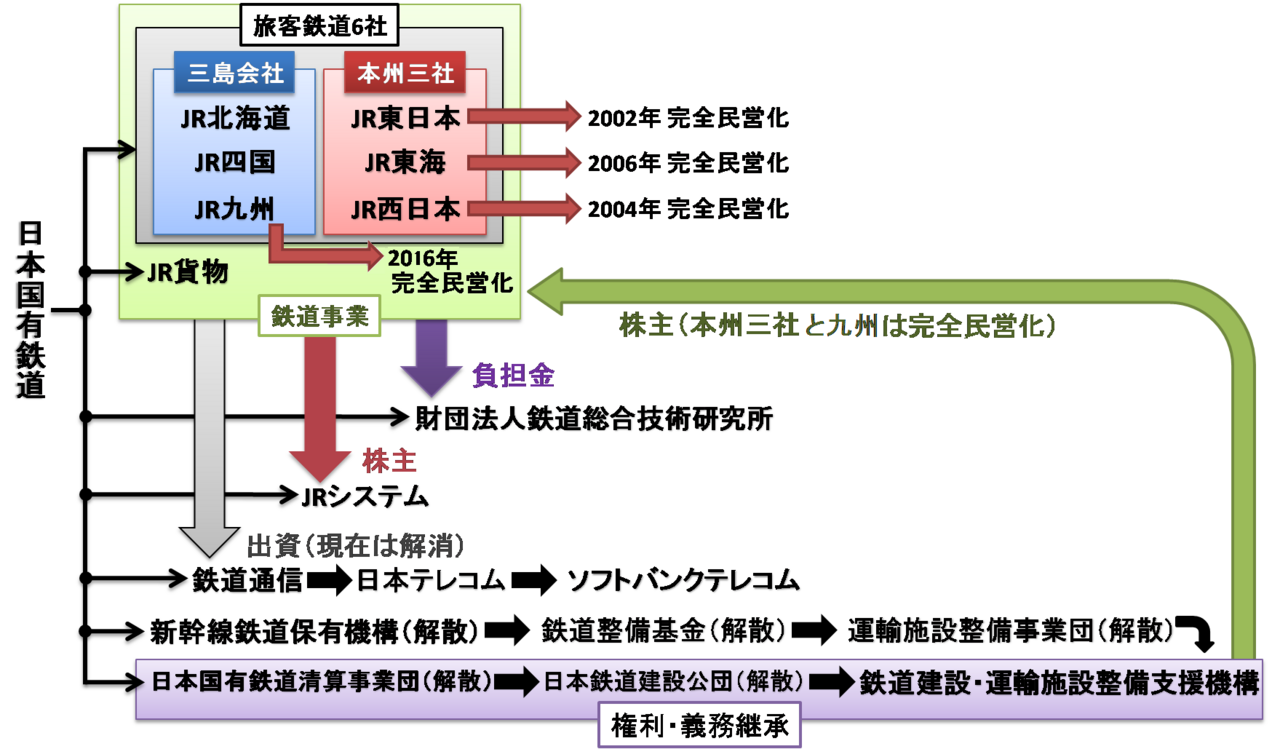
The JNR debt of ¥25.5 trillion was not transferred to the seven companies. About ¥14 trillion went to the JNR Settlement Corporation, to be repaid out of the sale of JNR’s surplus land holdings (mainly in central Tokyo and Osaka). About ¥11 trillion went into the Shinkansen Property Holding Corporation, with the four passenger railway companies that operated Shinkansen services paying lease fees back into it. The remaining debt sat with the new operating companies as a manageable starting balance sheet. By 1998, when the Settlement Corporation was wound up, ¥24 trillion of residual debt had to be parked on the general government balance sheet as taxpayer liability. The reform paid for the railway by socialising the unrecoverable debt.
What each successor inherited
The way the seven companies were drawn was the most important decision of the 1987 reform. The boundaries were not symmetrical. JR Central got the Tokaido Shinkansen, the most profitable single railway corridor in the world, on a network 1,970 km long. JR Hokkaido got 2,499 km of track on which freight had collapsed to almost nothing and population was already declining. JR Kyushu got 2,273 km in a region where private operators ran most of the urban commuter market. The asymmetry was deliberate: the planners knew JR Hokkaido, JR Shikoku and JR Kyushu would need permanent subsidy, and built the management stabilisation funds to provide it. The funds were supposed to generate operating subsidies from interest income at 1980s interest rates of around 7 per cent. By the 2000s, with rates near zero, the funds were generating almost nothing, and the three island companies have been on permanent government life support since.
The successful companies, JR East, JR Central and JR West, were also the ones with property portfolios. JR East inherited the JNR landholdings around Tokyo, Shibuya, Shinjuku and Ueno, which were worth more than the railway. JR Central inherited the Nagoya properties and the Tokaido Shinkansen corridor. JR West inherited the Osaka and Kobe stations. All three have spent the last forty years running real-estate businesses on top of the railway, the same model the pre-war private operators had used. JR Hokkaido and JR Shikoku, with no major-city properties to monetise, have not.
How the JR system runs today, and what JNR left behind
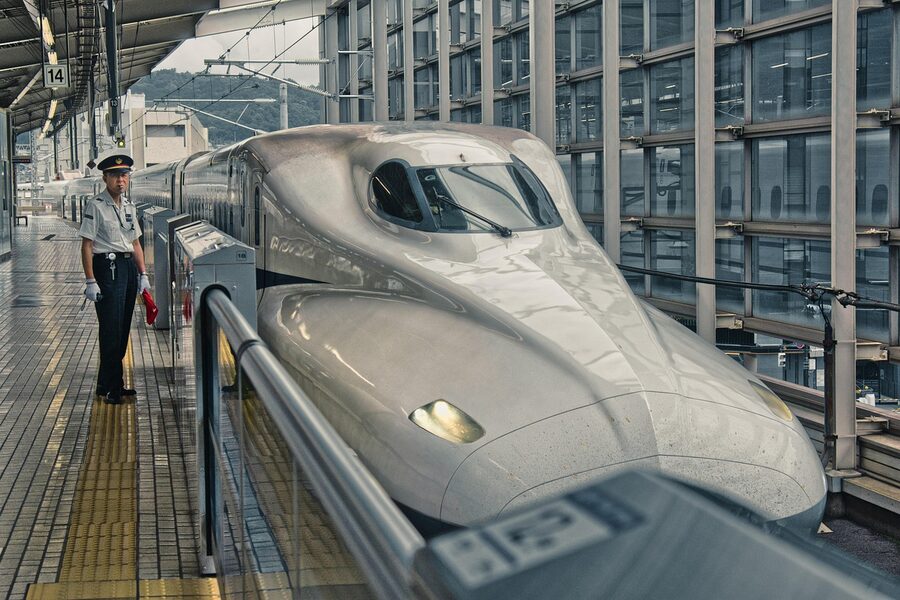
For the rider, the 1987 break-up is mostly invisible. You buy a Pass, you tap an IC card, you board a train. The train is a JR train. You probably do not notice that the Tokaido Shinkansen at Shin-Osaka hands over from JR Central to JR West, that the Tohoku Shinkansen at Shin-Aomori hands over from JR East to JR Hokkaido, that JR Central trains sometimes use the JR West tracks west of Maibara and pay lease fees for the privilege. The handover is engineered to be invisible.
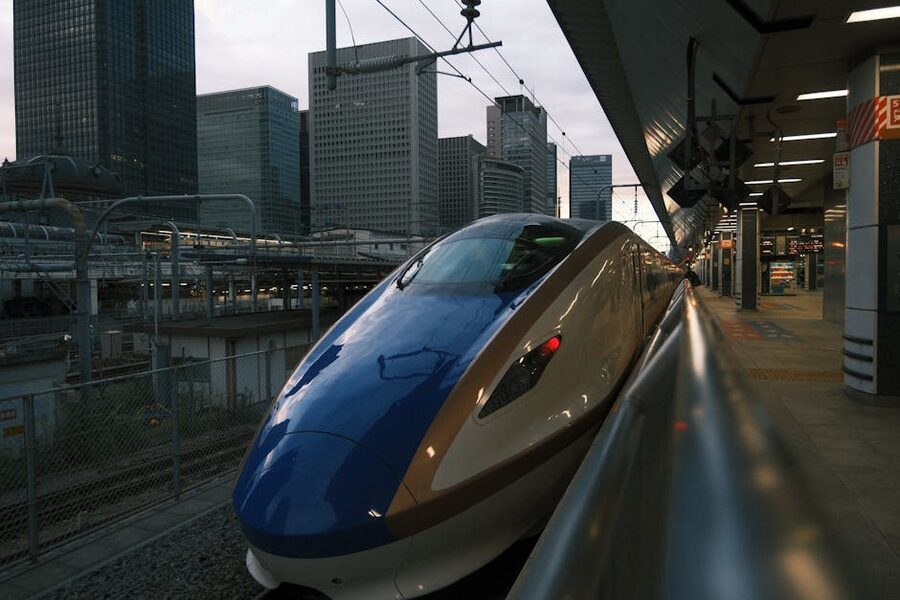
The JR companies as the rider sees them
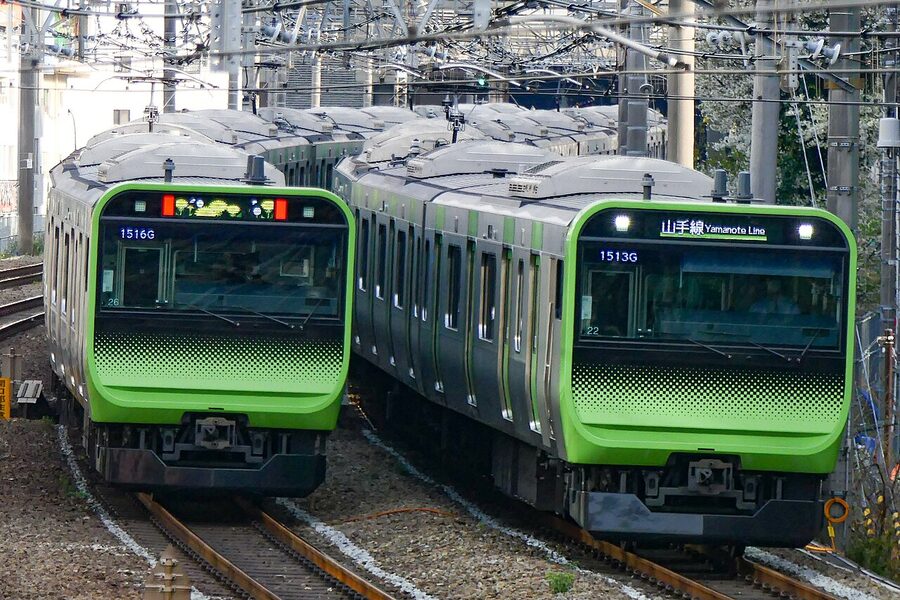
JR East is the operator you encounter most as a Tokyo visitor. It runs the Yamanote, the Keihin-Tohoku, the Chuo Rapid, the Sobu, the Joban, the Saikyo, the Tohoku, Joetsu and Hokuriku Shinkansen, and most of the urban network. It is the largest passenger railway in the world by ridership, shifting roughly 17 million passengers on a typical weekday. The detailed rolling-stock and route picture lives in the dedicated JR East trains piece, with the Yamanote Line and the new commuter generations covered there.
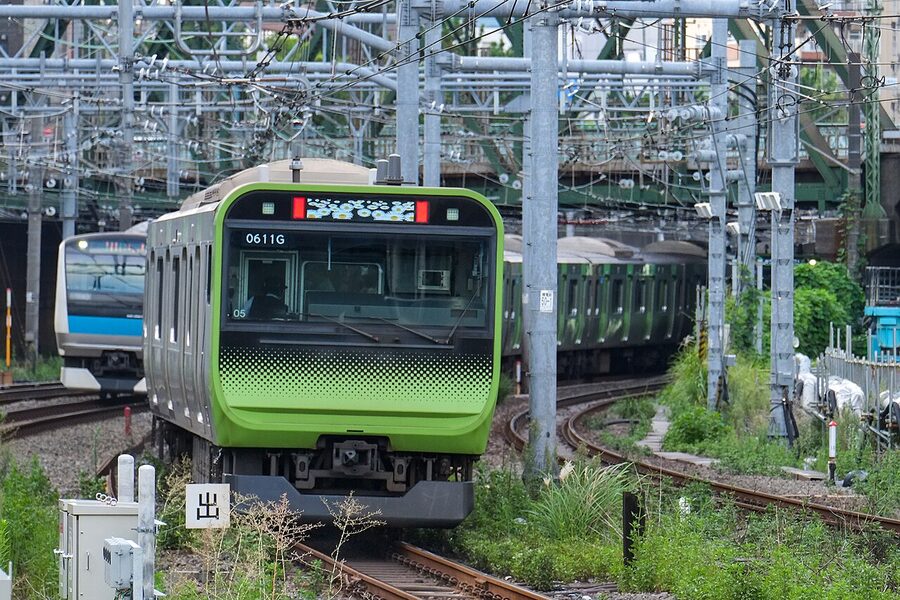
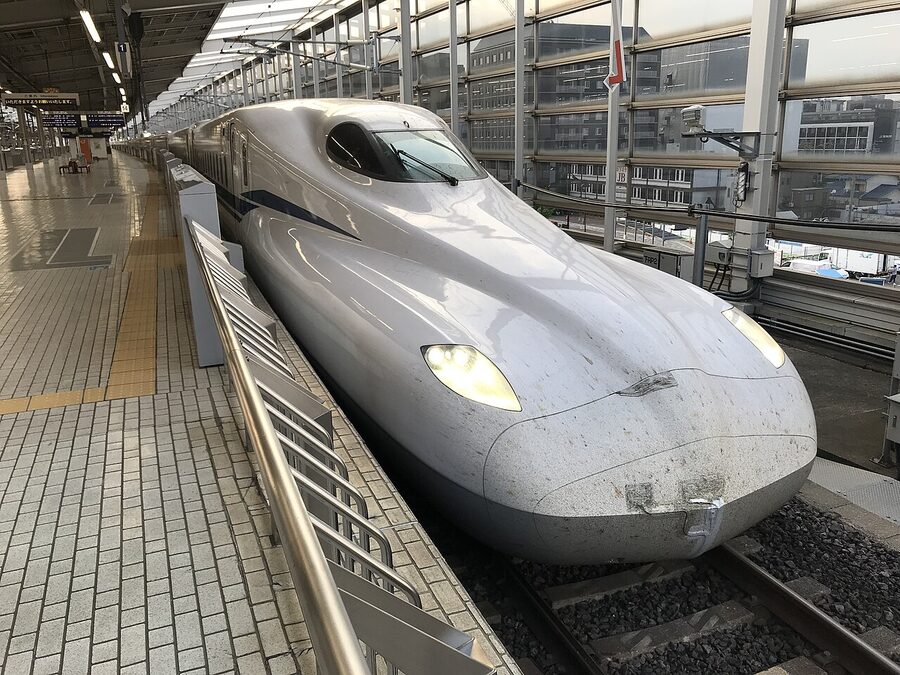
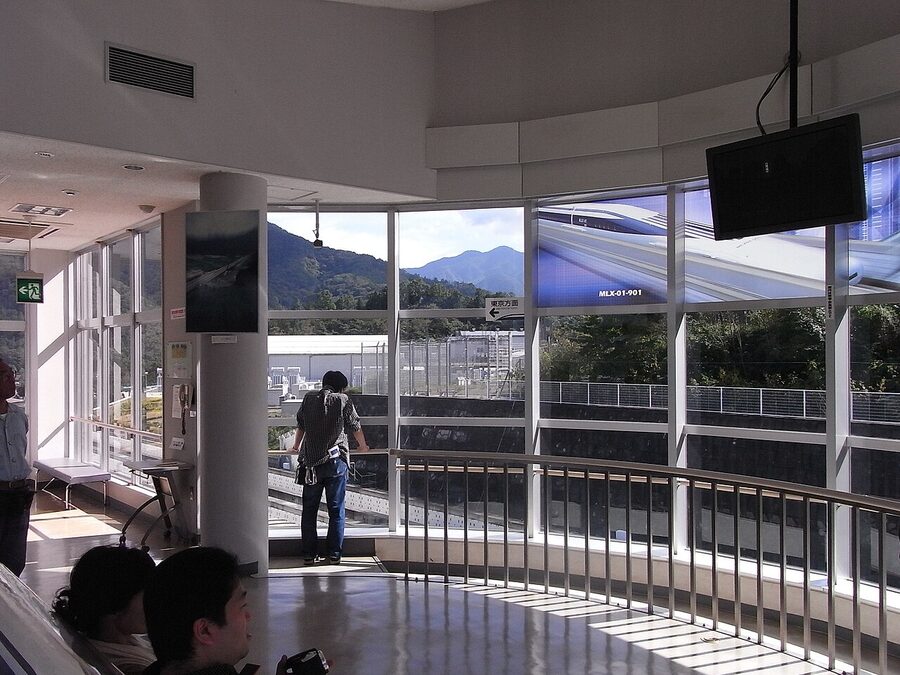
JR Central is the smallest of the big three by track-km but the most profitable by a wide margin, because the Tokaido Shinkansen carries 460,000 passengers a day at the highest yield of any high-speed line in the world. JR Central has been spending most of its cash flow for the last twenty years on the Linear Chuo Shinkansen, the Tokyo-to-Nagoya maglev that will replicate the Tokaido in 40 minutes when (or if) it opens. The Yamanashi test track on the future Linear Chuo Shinkansen alignment has held the world rail speed record at 603 km/h since 21 April 2015.
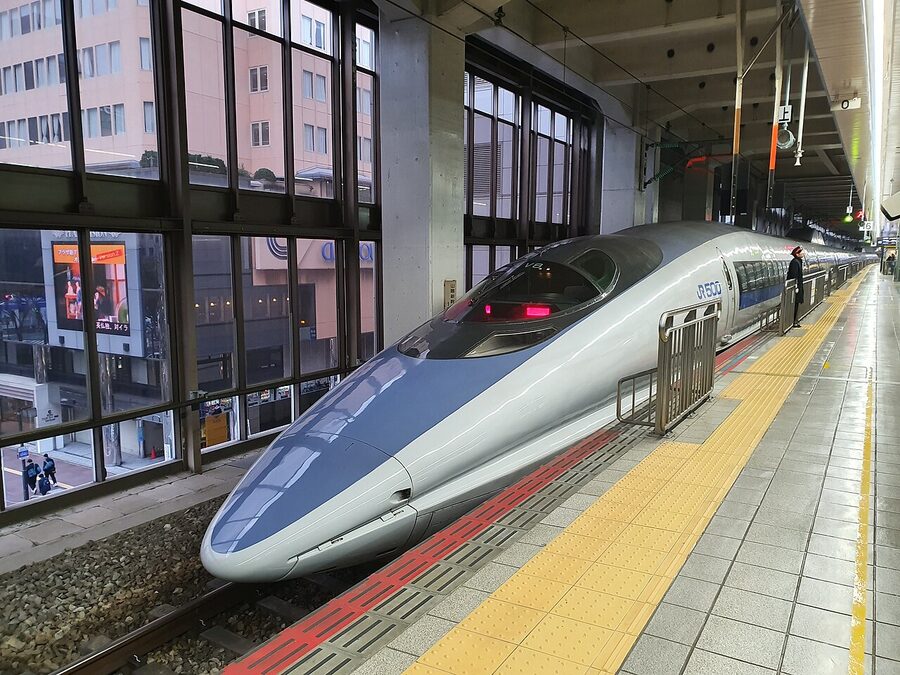
JR West runs the Sanyo, Kansai and most of the Hokuriku network, including the Sanyo Shinkansen and the Hokuriku Shinkansen as far as Tsuruga. It is the second of the three big-three companies and the only one to have had a major safety incident as a private company: the 25 April 2005 Amagasaki derailment, which killed 107 people and led to a complete restructure of operating procedures and driver training across the JR system.
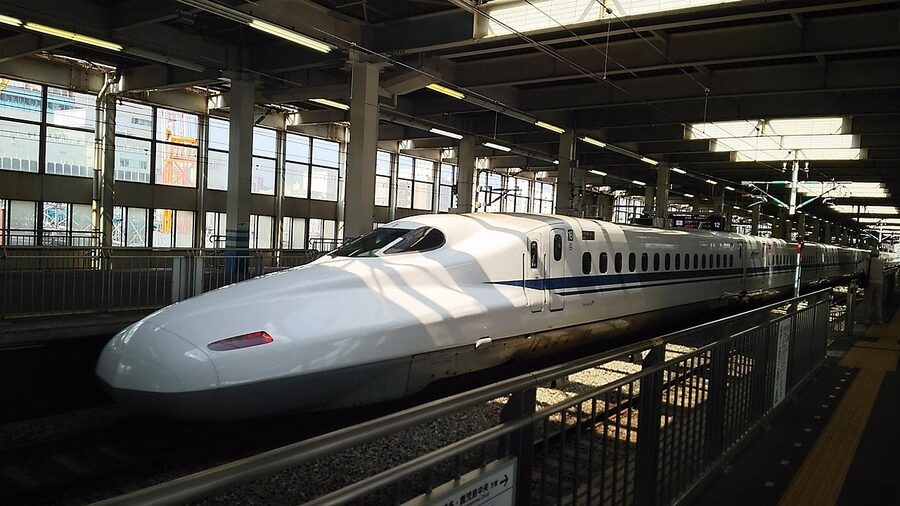
JR Hokkaido and the Seikan Tunnel
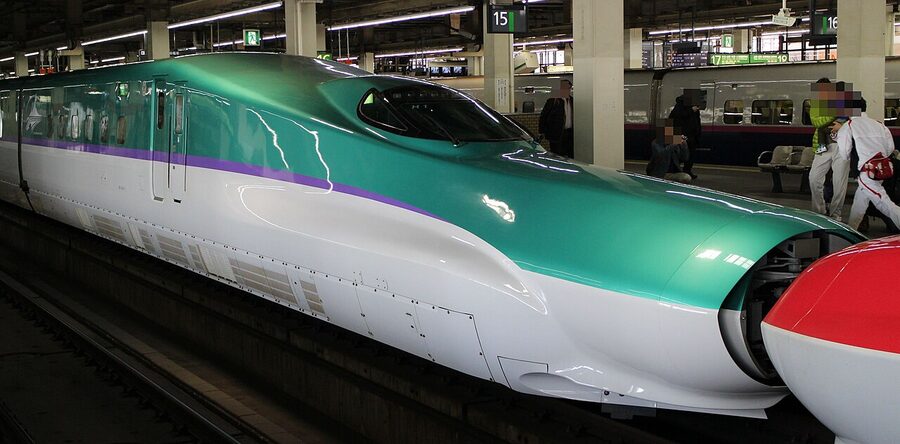
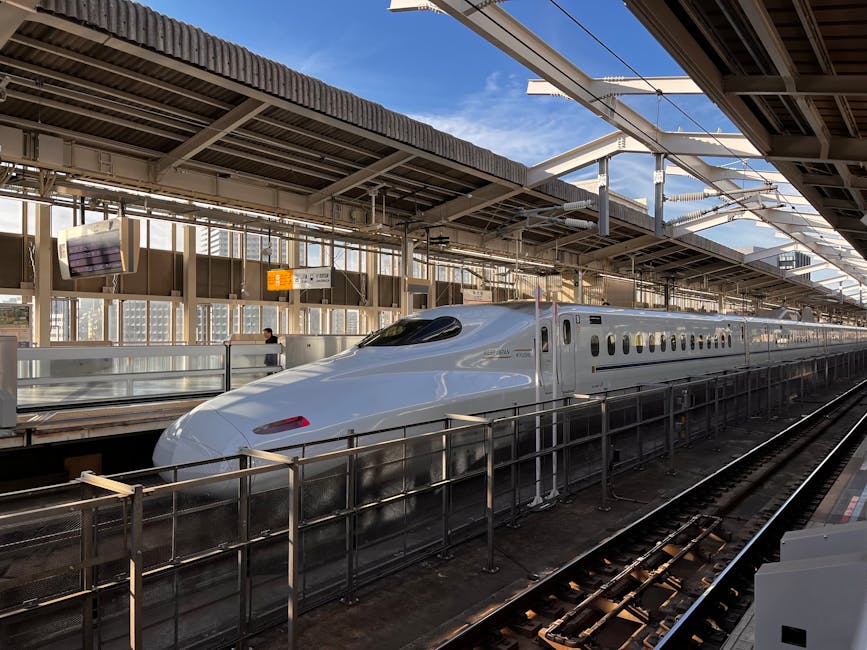
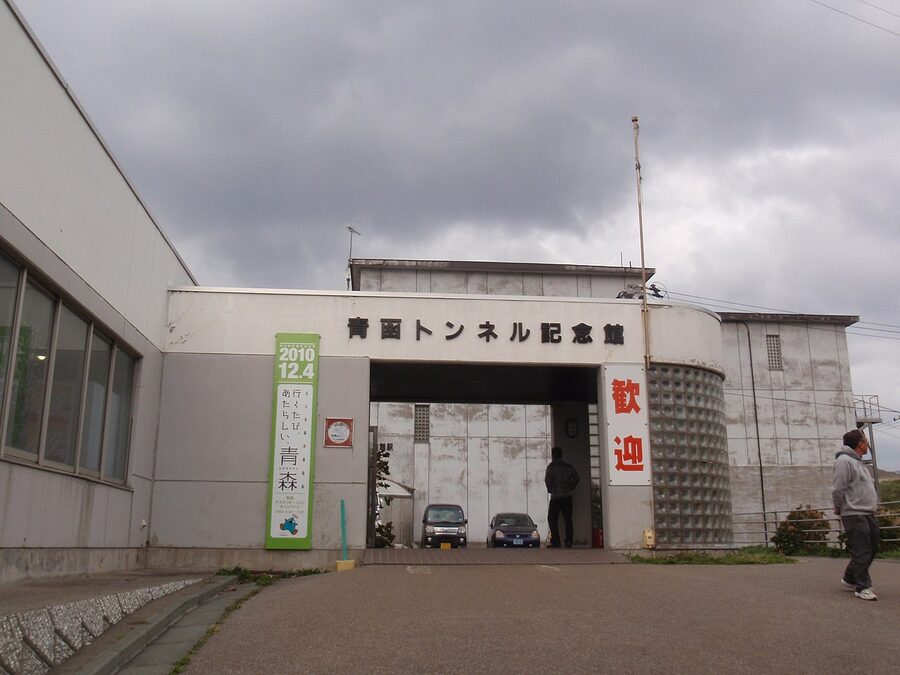
JR Hokkaido is the smallest, most-loss-making, and most rurally distributed of the seven. Its only profitable corridor is Sapporo to New Chitose Airport. The 2016 opening of the Hokkaido Shinkansen as far as Shin-Hakodate-Hokuto added a Tokyo-to-Hakodate option that runs in 4 hours 2 minutes, but ridership has been below the planning forecast and JR Hokkaido continues to lose money on the segment. The Seikan Tunnel, the 53.85 km undersea tunnel that links Honshu to Hokkaido, opened in 1988 (a year after JNR’s break-up) and was the world’s longest railway tunnel until the Gotthard Base Tunnel passed it in 2016.
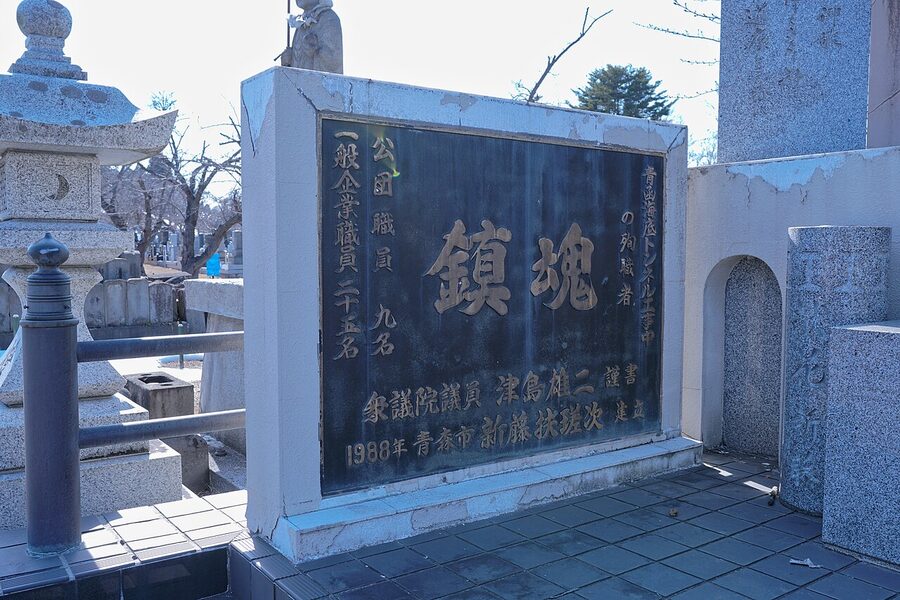
The Nippon Tetsudo lines that are still in daily use
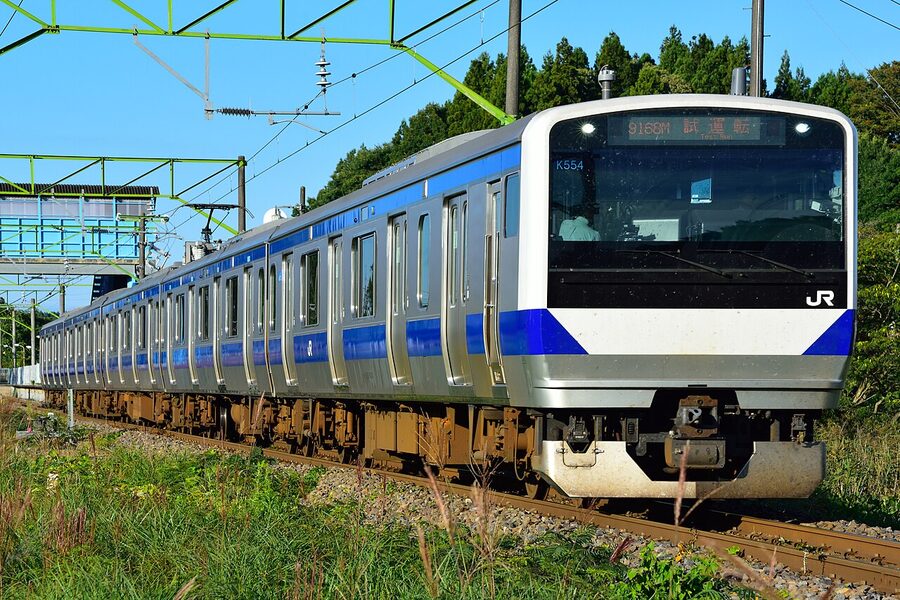
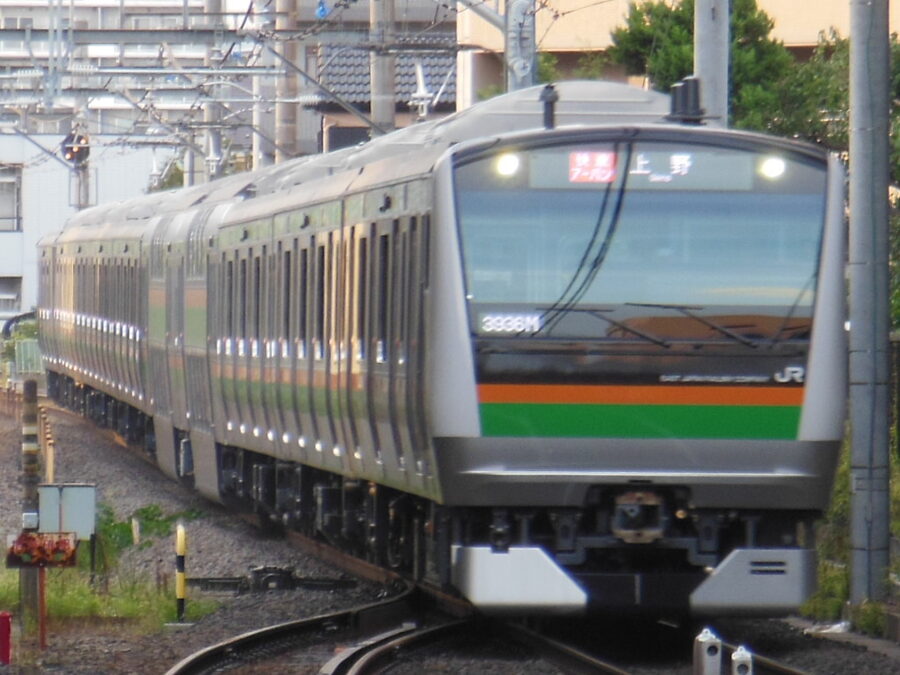
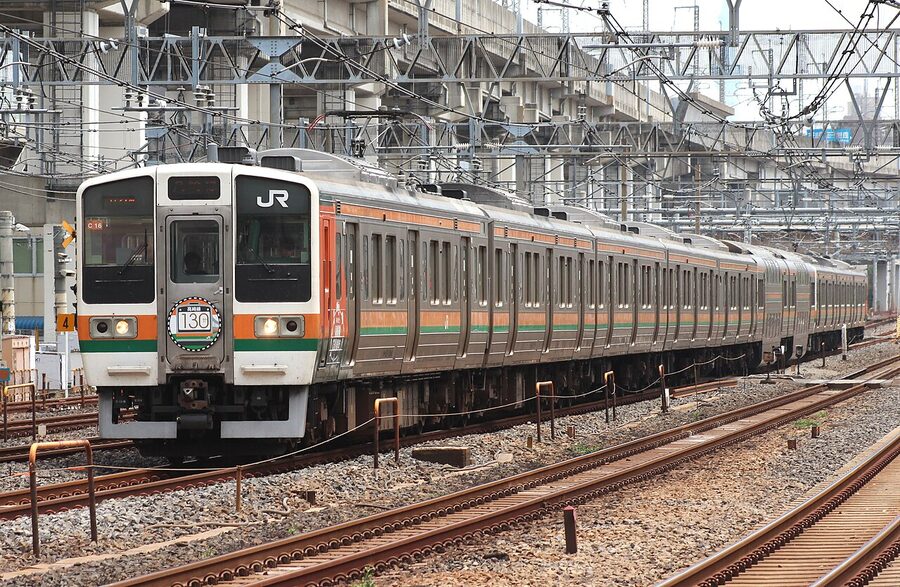
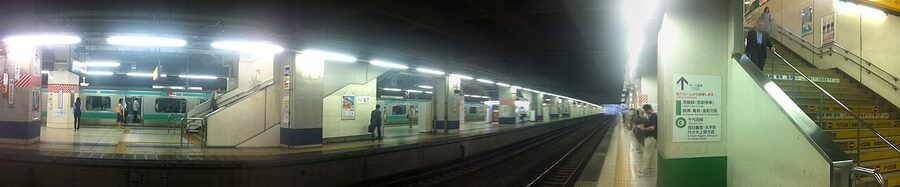
This is the part that closes the corporate-spine argument. The lines Nippon Tetsudo built between 1883 and 1906 are not abstractions: they are the JR East commuter lines you ride today, with the same alignment, the same station spacing, and in many cases the same platform geometry as in the 1890s. The Tohoku Main Line out of Ueno still leaves on the 1883 alignment. The Takasaki Line still runs the same path Nippon Tetsudo opened to Takasaki in 1884. The Joban Line still uses the 1890s coastal alignment to Iwaki and Sendai. The Yamanote Line is still the 1885 connector. The rolling stock has gone from steam to electric to EMU to E235; the corporate operator has gone from Nippon Tetsudo to Tetsudo-in to Tetsudo-sho to JNR to JR East; the timetable has densified by an order of magnitude. The track has not moved.
What this corporate inheritance feels like at the platform
The corporate spine shows up in tiny operational decisions. The Yamanote Line is the densest commuter ring in the world partly because it was originally a Nippon Tetsudo freight bypass: the curves are gentle, the platform spacing is short, and the operating constraint has always been “more trains, faster turnaround”. The Joban Line still uses Ueno as its city head rather than Tokyo Station, because that’s where Nippon Tetsudo built it. JR East runs its own electric power generation (the Senju and Kawasaki power stations) because JNR inherited a captive-power system from the 1909 Tetsudo-in unification and never gave it up. JR Central did not inherit captive power and buys from Chubu Electric, which is one of the structural reasons the Tokaido Shinkansen runs at 60 Hz on a network where 50 Hz starts at Atami: the Shinkansen catenary uses dedicated frequency-converted power that JR Central pays for.
If you want to see this corporate spine made visible, three places make it readable on a single afternoon. The Saitama Railway Museum (a half-hour from Tokyo Station on the Tohoku Shinkansen) holds the original Class 150 locomotive from 1872, the first 0 series Shinkansen and the JNR head-office signage. The Kyoto Railway Museum holds the Kuha 151, the C62, the 583 sleeper interior, and the operational archive. The SCMaglev and Railway Park in Nagoya holds the original 0 series and the L0 maglev test set side by side. None of this would be sensible to assemble for a private operator’s museum: it is a national archive in three regional buildings, the same way the network it documents is a national archive in seven operating subsidiaries.
The Nippon Tetsudo lineage and the rest of the Tokyo network
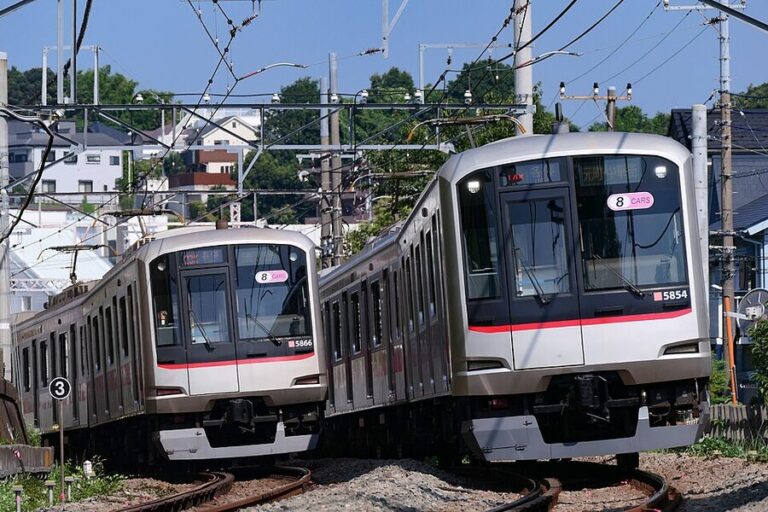
The corporate-spine framing only covers the JR side of the Tokyo network. The other half, the private operators that came up after 1906 and have been running independently ever since, is a parallel story. After the 1906 nationalisation, the Diet allowed new private operators to apply for “light railway” charters under a 1910 Act, and that legal change is the origin of every major Tokyo private railway you ride today. Tokyu dates from 1922 (originally Meguro-Kamata Electric Railway), Odakyu from 1923, Keio from 1910, Tobu from 1899 (which makes it the oldest of the post-Nippon-Tetsudo private operators), and Chichibu from 1899 too.
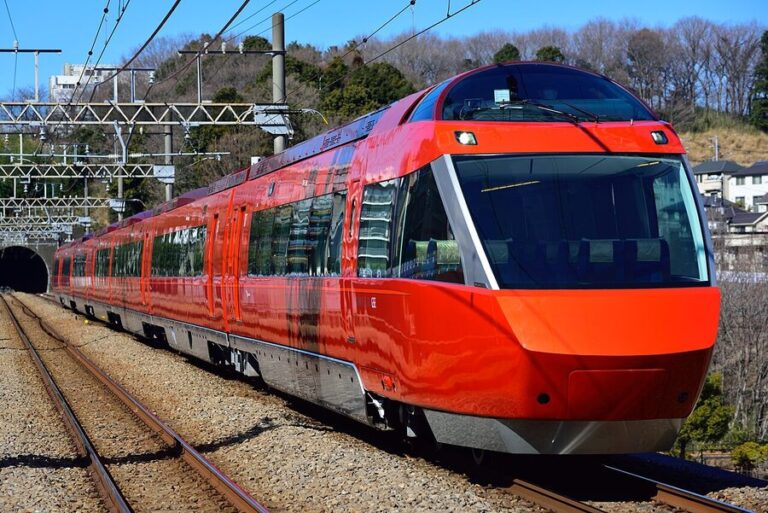
What the 1906 Act did, in passing, was draw the boundary that still defines the Tokyo network: trunk and inter-city services run on JR-inherited track; commuter and inter-suburb services run on private operator track. The boundary is geographic (private lines do not cross former Nippon Tetsudo trunks except at interchange stations) and operational (private operators paid for their own electrification, signalling and rolling stock; the JR predecessors used the state’s). If you want to know why your Shinjuku-to-Shibuya hop is on JR East but your Shinjuku-to-Hakone trip is on the Odakyu Romancecar fleet and your Asakusa-to-Nikko trip is on the Tobu Railway network, the answer is: because the 1906 Diet decided private operators could not operate trunk lines, and the trunk lines were already drawn. The same logic explains why the Keio Line trains heading west from Shinjuku do not interact with JR West services at all (different track, different gauge, different corporate inheritance), and why Keio still owns its own depot, signalling and substations.
The Tokyo Metro and Toei networks come from the third stage of this story, after 1927, and run on a separate set of legal instruments altogether. They are covered in detail in the Tokyo subway system history, with the rolling stock catalogued under Tokyo Metro trains and the Toei lines under the Toei fleet; the short version is that the underground network was always conceived as outside the JNR perimeter and has stayed that way through the 1987 break-up.
Two of the cluster’s smaller operators, Chichibu Railway in Saitama and Tokyu in Kanagawa, illustrate the alternative model the 1906 Act left intact: long-distance freight (Chichibu, on cement and limestone) and property-cum-railway (Tokyu, which built Shibuya as a real-estate asset). Both were chartered after 1899 under provisions the 1910 Act later codified, and both still run on track JNR never owned.
Riding the inheritance today
Three practical points fall out of all of this when you actually book a JR train.
The Japan Rail Pass crosses corporate boundaries
The Pass is the single visible artefact of the JR Group’s continued unity. It works on every JR network because all seven operating companies share the MARS reservation system, the same ticketing rules, and the basic JR brand. The Pass does not work on the Nozomi or Mizuho, the highest-class Tokaido Shinkansen services, because JR Central and JR West want to charge yield on those, and they are commercial decisions made by separate companies. If you are travelling Tokyo to Kyoto or Osaka on a Pass, take the Hikari (covered) instead of the Nozomi (not covered), and accept the 12-minute time penalty.
The corporate boundary at the platform
You almost never see the JR Central / JR East boundary because the two operators do not run direct trains across it. The Tokaido Shinkansen at Tokyo Station is in JR Central’s hands; the conventional lines on platforms 1 to 10 are JR East. The interchange between them takes about four minutes through the Marunouchi tunnel. At Shin-Osaka the JR Central / JR West boundary is invisible because the Shinkansen runs through; you stay in your seat. At Shin-Aomori the JR East / JR Hokkaido boundary is invisible for the same reason. The handovers were engineered to be invisible to the rider; the boundary is in the corporate ledger.
The IC card just works
Suica (JR East), Toica (JR Central), Icoca (JR West), Kitaca (JR Hokkaido), Sugoca (JR Kyushu) and Manaca (JR Central area private operators) have been mutually accepted across the entire Japanese rail and bus network since 23 March 2013. The seven JR companies plus most major private operators standardised the contactless card system. You can buy a Suica at Narita, tap it on the JR Yamanote Line, take it on a JR Hokkaido train in Sapporo, and use the same balance to pay for a vending-machine drink in Hakata. The IC card system is the most visible piece of post-JNR cooperation between the seven companies: each runs its own card brand, but the underlying system is shared.
Where to actually see all this
The Saitama Railway Museum
30 minutes from Tokyo Station on the Tohoku Shinkansen to Omiya, then four minutes on the local Saitama New Shuttle to Tetsudo-Hakubutsukan. The museum holds the original 1872 Class 150, the first 0 series Shinkansen, JNR-era station signage, the C57 135 that hauled the last JNR-era steam revenue service in 1975, and a working live-section of the Yamanote with E235 trains rolling through. The exhibition is bilingual; allow four hours; closed Tuesdays.
The Kyoto Railway Museum
10 minutes’ walk from Kyoto Station, west exit. The museum was reopened in 2016 in the former Umekoji roundhouse and inherits everything from the JNR collection that is not in Saitama. Highlights: the Kuha 151, the C62 26, the 583 sleeper interior in cross-section, an operational steam roundhouse with the C56 160 and the 8620 series 8630, and a full-size Tokaido Shinkansen 0 series cab. Allow a full day; closed Wednesdays.
The SCMaglev and Railway Park, Nagoya
Nagoya Station Aonami Line south to Kinjo-Futo, 24 minutes. The JR Central museum holds the original 0 series Shinkansen alongside the L0 maglev test set, plus the C62 17 and a complete 700 series cab. It is the smallest of the three but the only one where you can see the Shinkansen evolution and the maglev future under one roof. Allow three hours.
The Inoue Masaru statue at Tokyo Station
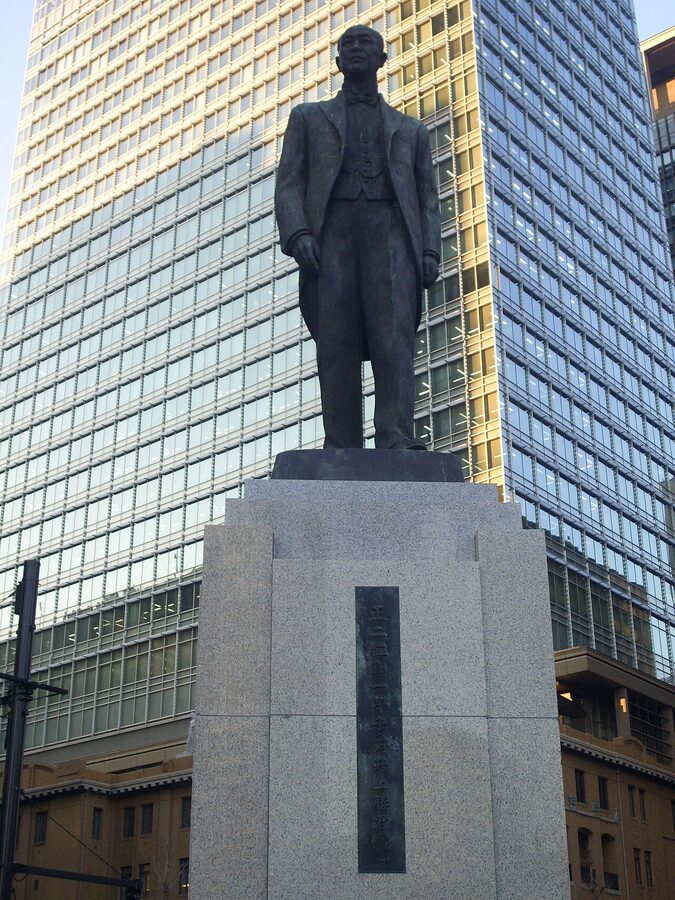
Marunouchi Square, the plaza outside Tokyo Station’s Marunouchi side, on the right of the central building entrance. Easy to walk past. The statue is bronze, two metres tall, and signed in Japanese only with Inoue’s life dates (1843 to 1910) and the words “Father of Japanese Railways” in seal-script kanji. He campaigned for the 1906 nationalisation his entire career, lived to see it pass, and died four years later before the building behind the statue opened.
The verdict
I have been riding JR trains for ten years and I have come to think the corporate-spine framing is the only one that actually explains the network. JR is not a single railway pretending to be seven companies; it is seven companies inheriting the same railway. The Yamanote Line you board at Shinjuku tonight is operated by JR East, designed by JNR, electrified by Tetsudo-sho, built by Nippon Tetsudo, and conceptually traceable back to Edmund Morel’s 1,067 mm gauge decision in 1869. The Tokaido Shinkansen you board for Kyoto is operated by JR Central, designed by JNR, financed by World Bank loans that the JNR Settlement Corporation eventually defaulted on, and conceptually traceable back to Inoue Masaru’s argument that trunk railways are a state strategic asset. The Pass works because all of this sits on a single corporate ledger that has been continuous since 11 November 1881.
Four hundred Nippon Tetsudo crew at Fukushima walked out in February 1898 because the company had let the schedule run them into the ground. They got most of what they asked for. Twenty-six years later, in 1924, the Imperial Railway Bureau formalised an eight-hour day for all footplate staff. Twenty-five years after that, JNR was constituted as a public corporation explicitly to take labour relations out of the cabinet’s direct hands. Forty-three years after that, the Nakasone government broke JNR up partly to break the union that had grown out of those Fukushima drivers’ descendants. The history runs through, and the railway runs through with it. You board it at Shinjuku, the line goes back to 1885, and the corporate ledger goes back to 1881. The Pass scans, the gate opens, and the train comes.