
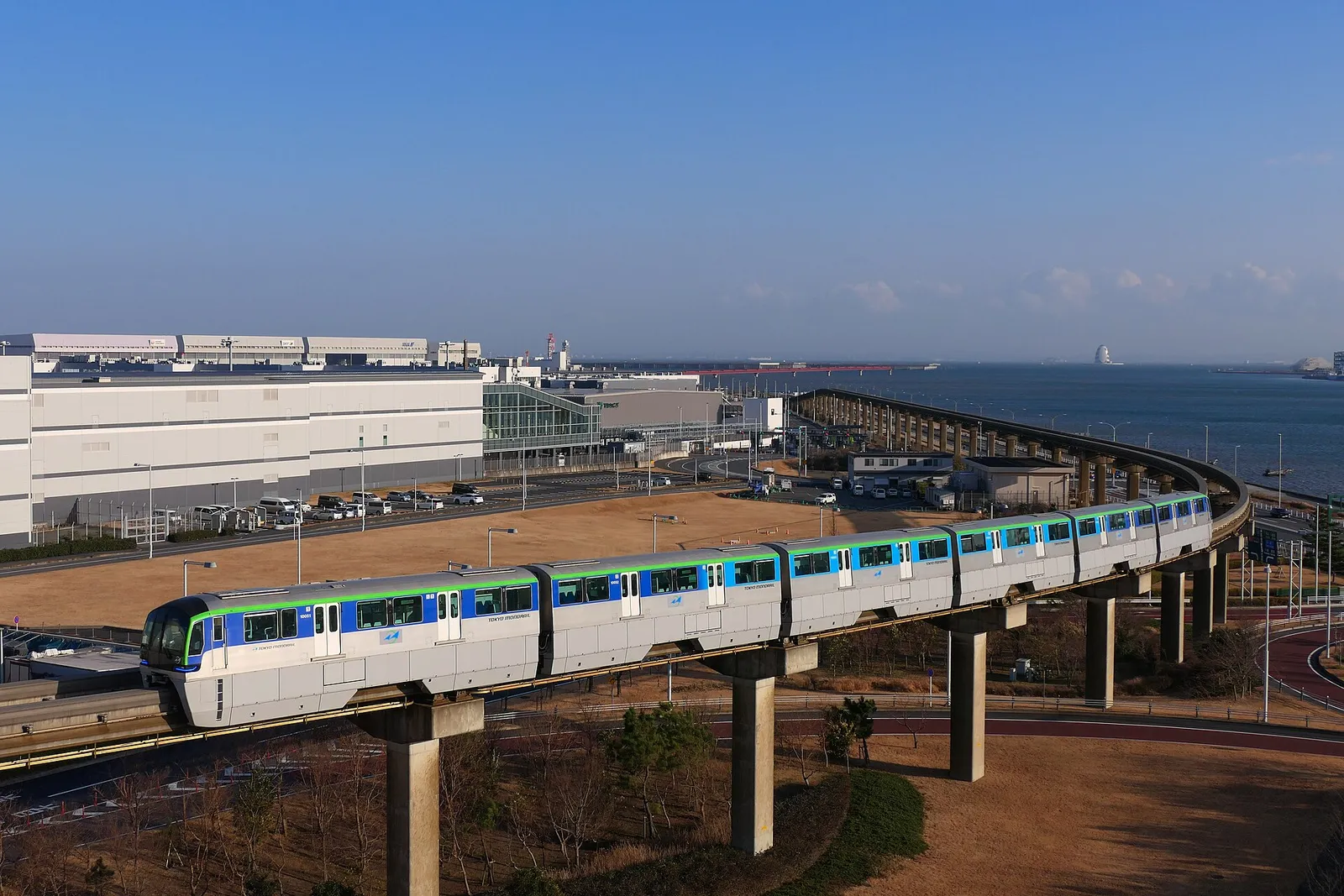

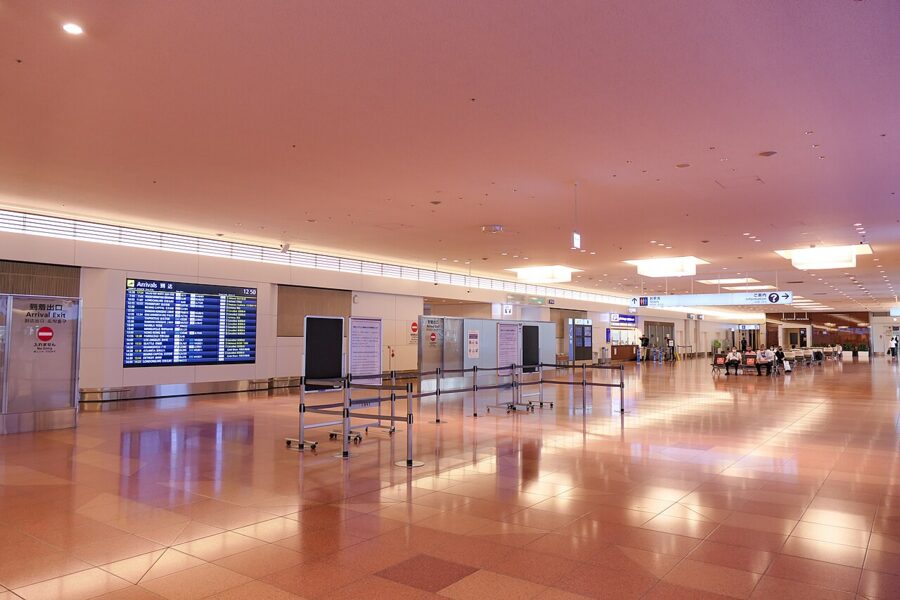
Customs at Haneda’s Terminal 3 lets you out into the arrivals hall on the second floor, and two railways are waiting within a short walk. The Tokyo Monorail runs to Hamamatsucho in 13 minutes for ¥520 (about US$3). Keikyu runs to Shinagawa in 11 minutes for ¥330 (about US$2), and most of its trains carry on under the city to Nihombashi and Asakusa without a change.
Neither is a wrong answer, and both beat anything that has to use the expressway. What decides it is where you are sleeping tonight. Staying west, in Shinjuku or Shibuya, Keikyu is cheaper and quicker; staying east, around Asakusa or Ginza, Keikyu takes you to the door; and if you hold a Japan Rail Pass, the monorail costs you nothing.
After midnight the question changes. The last Keikyu train to Shinagawa leaves at 00:08 and the last weekday monorail at 00:10, and after that your choice is a ¥2,800 (about US$18) night bus to Shinjuku and Ikebukuro, or a taxi.



Every way into town, side by side
The figures below are from Terminal 3, adult fares, as of November 2026. Times are the operators’ own and leave out the walk at a change, so add five to ten minutes wherever there is one. IC card fares are a few yen lower.
| Option | To | Time | Fare (ticket) | How often |
|---|---|---|---|---|
| Keikyu | Shinagawa | 11 min | ¥330 | about every 10 min towards the city at midday |
| Keikyu, through on the Toei Asakusa Line | Higashi-ginza / Asakusa | 23 / 34 min | ¥550 / ¥610 (about US$4) | most city-bound trains |
| Keikyu, change to JR at Shinagawa | Tokyo / Shinjuku | 20 / 30 min | ¥540 / ¥590 (about US$4) | JR every few minutes |
| Tokyo Monorail | Hamamatsucho | 13 min (Airport Rapid) | ¥520 | about 10 an hour at midday |
| Monorail, change to JR at Hamamatsucho | Tokyo / Ueno / Shinjuku | 19 / 27 / 37 min | ¥720 / ¥730 / ¥780 (about US$5) | JR every few minutes |
| Airport Limousine bus | Shinjuku Station and hotels | about 35 to 45 min | ¥1,400 (about US$9) | about 80 a day |
| Airport Limousine bus | Tokyo Station Yaesu North | about 55 min | ¥1,200 (about US$8) | six a day |
| Night bus | Shinjuku and Ikebukuro | about 30 to 55 min | ¥2,800 | 00:20, 01:00, 01:40, 02:20 |
| Taxi, flat fare | Chiyoda ward / Shinjuku ward | depends on traffic | ¥7,600 / ¥9,000 plus tolls | any time |
Keikyu publishes its travel times from Haneda and a fare table; by IC card Shinagawa is ¥327. The monorail’s fare table has Hamamatsucho at ¥519 by IC. The taxi figures are the large companies’ shared flat fares as listed in September 2026.
Which terminal, which station
Haneda has three terminals, and each railway names its stations after them. Terminal 3 is the international terminal; Terminal 1 handles mainly JAL’s domestic flights and Terminal 2 mainly ANA’s, and some international flights leave from Terminal 2 as well. Check the terminal on your booking before you go anywhere, because the two railways split them differently.
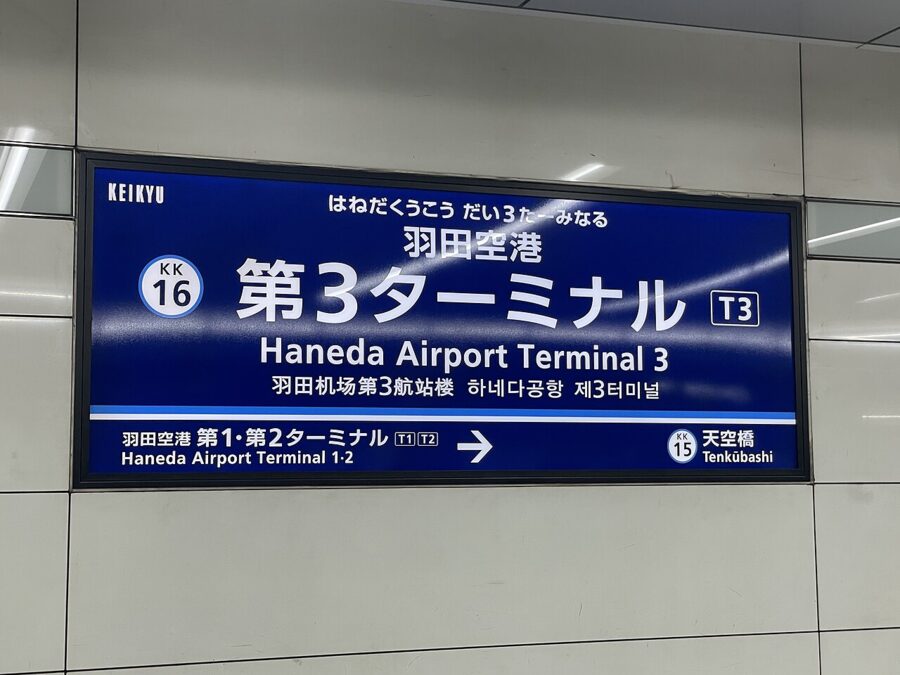
- Keikyu has two stations: Haneda Airport Terminal 3 (羽田空港第3ターミナル, KK16) and, one stop further in, Haneda Airport Terminal 1·2 (KK17), which sits between the two domestic terminals and serves both. From Terminal 1·2, add three minutes to every Keikyu time above.
- The Tokyo Monorail has three: Terminal 3 (MO08), then Terminal 1, then Terminal 2 at the end of the line. Its Terminal 3 fare is the same ¥520 as from the domestic terminals.
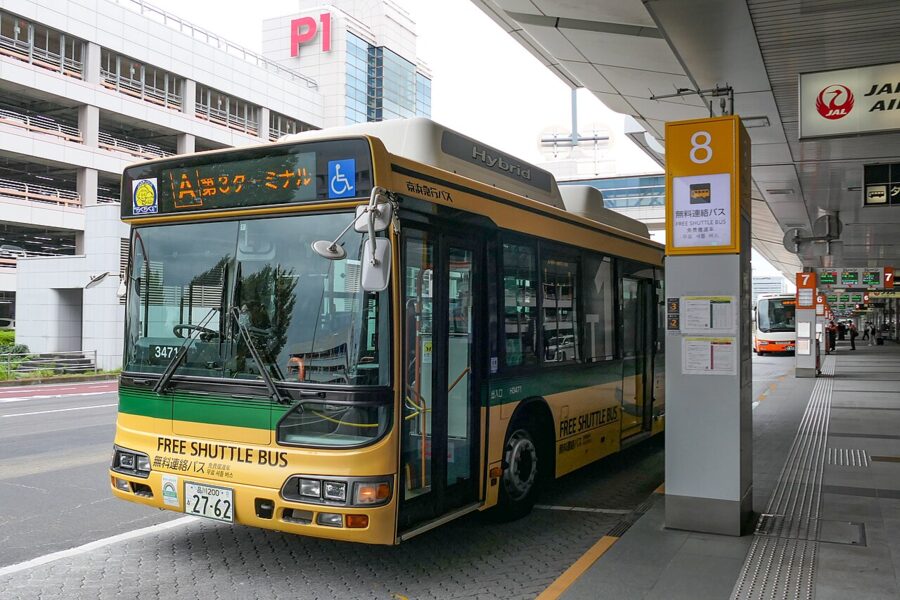
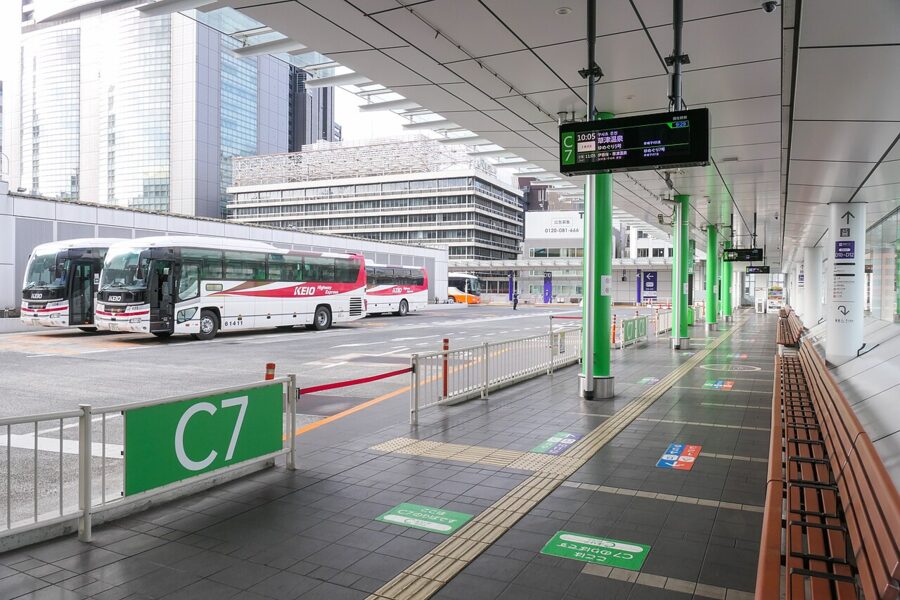
- Buses leave from the first floor of every terminal. At Terminal 3 they stop on lane 3: stop 3 for Shinjuku and the night buses, stop 1 for Tokyo Station, stop 2 for Ikebukuro.
- Taxis at Terminal 3 are on the first floor, second lane, stop 21.
If you land at one terminal and need another, the free shuttle bus between terminals runs every four minutes from 05:00 to 20:00 and every eight minutes until midnight, from stop 0 at Terminal 3. Free rail tickets between terminals are only for passengers connecting between flights.


Monorail or Keikyu: decide by where you are staying
Price the trip to your hotel, not to the first station. Keikyu is the cheaper railway to almost everywhere in central Tokyo, because its fare to Shinagawa is low and the JR fare onward from Shinagawa is about the same as from Hamamatsucho. The monorail wins on three counts: it is free with a rail pass, it has a flat weekend ticket to anywhere on the Yamanote Line, and it is the more pleasant ride.
- Shinjuku, Shibuya, Harajuku: Keikyu to Shinagawa, then the JR Yamanote Line. It is ¥590 to Shinjuku Station against ¥780 by monorail, seven minutes quicker on paper, and 23 minutes to Shibuya Station.
- Asakusa, Nihombashi, Higashi-ginza, Oshiage for the Skytree: Keikyu, staying in your seat. This is the one route with no change at all.
- Tokyo Station, Akihabara, Ueno: close. Keikyu and JR via Shinagawa is ¥540 to Tokyo; the monorail and JR via Hamamatsucho is ¥720, a minute quicker by the operators’ figures.
- Hamamatsucho, Shiodome, Daimon, Roppongi by the Oedo Line: the monorail, which ends at Hamamatsucho.
- Yokohama, Kawasaki: Keikyu, the other way down its main line, 23 minutes to Yokohama.
- Anywhere on the Yamanote Line, at a weekend, with luggage and no pass: the monorail’s ¥590 ticket, below.
The Tokyo Monorail to Hamamatsucho
The monorail opened in September 1964, three weeks before the Tokyo Olympics, and since October 2025 it has also carried the name Tokyo Panorama Line. The track runs on stilts beside canals and warehouses and past the Oi racecourse, with Tokyo Bay off to the right on the way in. The Airport Rapid runs non-stop from Terminal 3 to Monorail Hamamatsucho (浜松町, MO01) in 13 minutes; the section rapids and locals take a few minutes more.
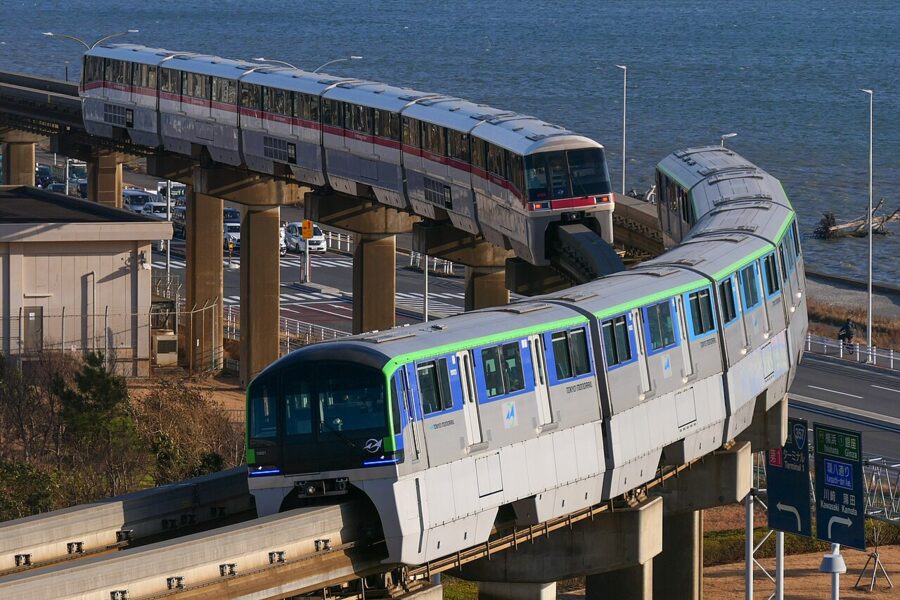

On a weekday the first train from Terminal 3 to Hamamatsucho leaves at 05:09 and the last at 00:10, with ten an hour through the middle of the day, in the monorail’s Terminal 3 timetable. The Airport Rapid is the train to wait for: the locals stop at every station up the bay.
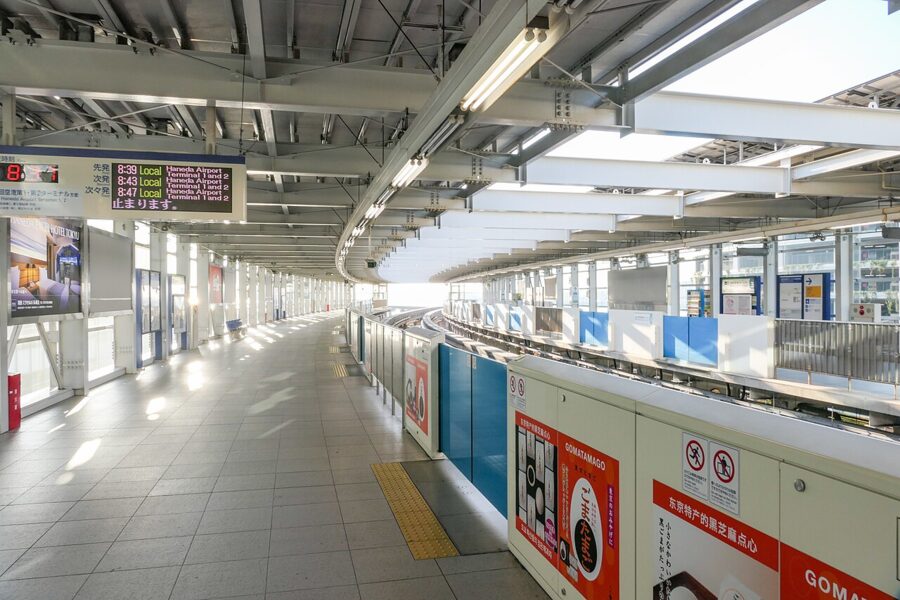

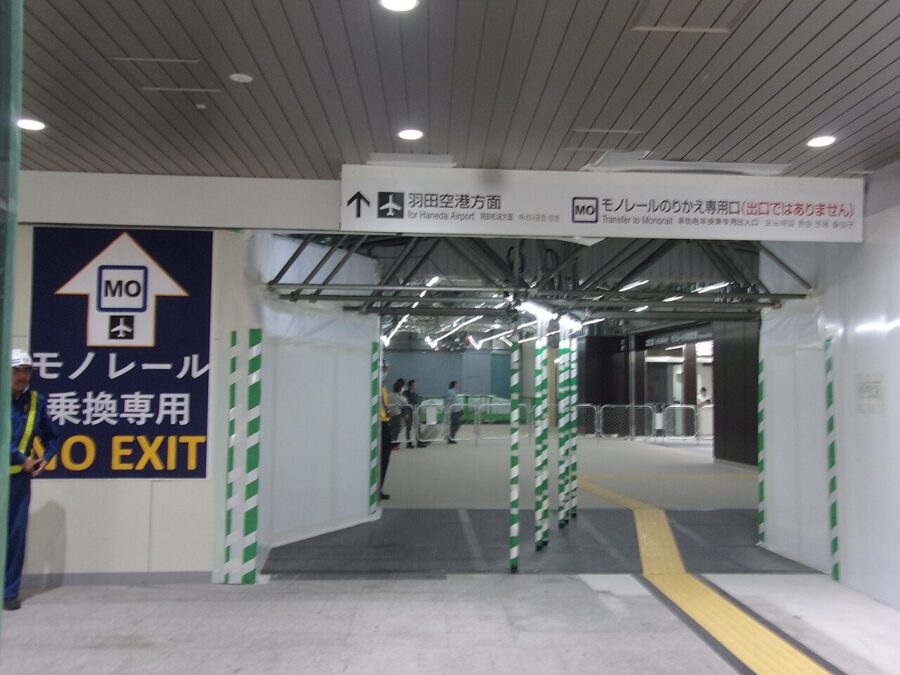
The change at Hamamatsucho is where the monorail loses time. The station is being rebuilt with the land around it, and since 13 June 2026 you leave through a new north or central gate and walk a passage to the JR gates. The monorail plans a direct transfer gate for spring 2027 and the finished station for about 2030.
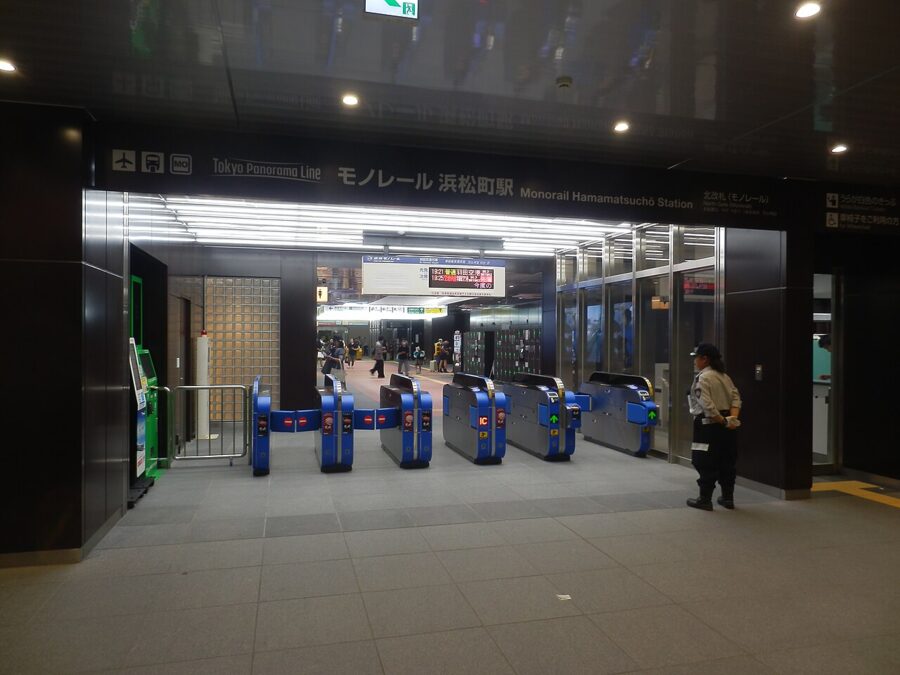

At JR Hamamatsucho the Yamanote Line and the Keihin-Tohoku Line share platforms, and for Tokyo, Akihabara and Ueno you want the northbound side. Daimon on the Toei Oedo and Asakusa lines is next door, and the Oedo Line is the monorail’s way to Roppongi.

Keikyu to Shinagawa and through the Asakusa Line
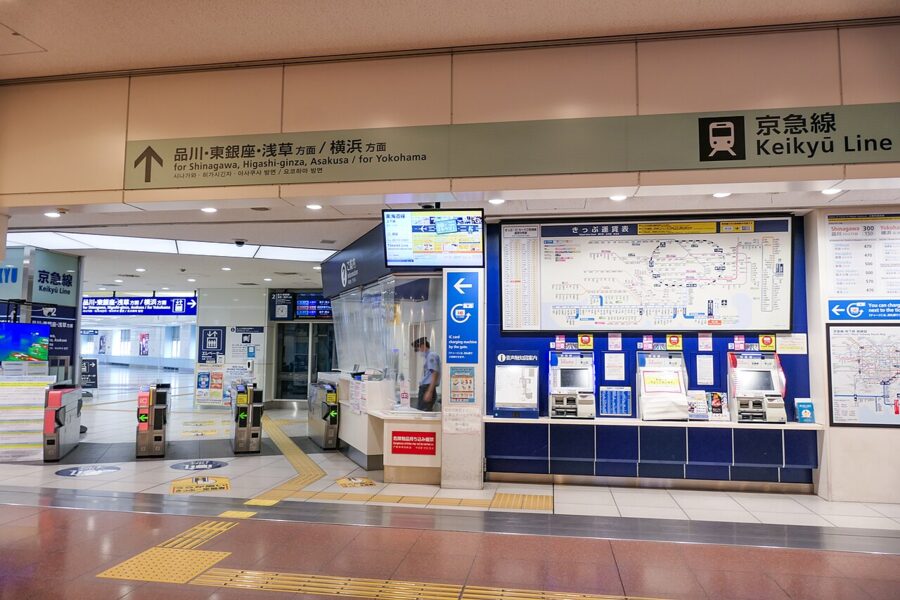
Keikyu is the private railway south from Shinagawa (品川, KK01) to Yokohama and the Miura Peninsula, with a branch into the airport. Its Airport Limited Express does Terminal 3 to Shinagawa in 11 minutes. At Shinagawa there are transfer gates straight onto JR, and the Tokaido Shinkansen platforms are in the same station, which makes Keikyu the obvious choice if you are heading on by Shinkansen to Kyoto or Osaka.
Most city-bound Keikyu trains do not end at Shinagawa. They run on through Sengakuji (泉岳寺, A07) onto the Toei Asakusa Line under Shimbashi, Higashi-ginza, Nihombashi and Asakusa (A18), and many continue to Oshiage and out to Narita Airport. Terminal 3 to Asakusa is 34 minutes and ¥610 by ticket, ¥599 by IC card.
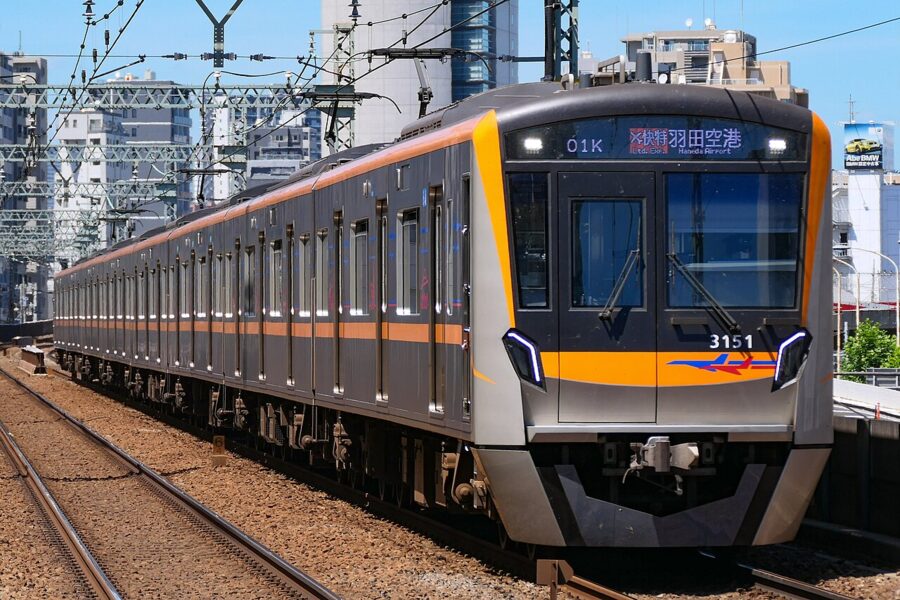

Read the destination before you board. Keikyu’s city-bound platform at Terminal 3 also serves trains that turn south at Keikyu Kamata for Kawasaki, Yokohama, Kanazawa-bunko and Zushi·Hayama. For central Tokyo you want Shinagawa, Sengakuji, Oshiage, Aoto, Keisei Takasago, or anything for Narita Airport and the Keisei and Hokuso lines beyond. In the middle of a weekday about six an hour go that way, and the first leaves Terminal 3 at 05:26.

Buses and taxis
The Airport Limousine
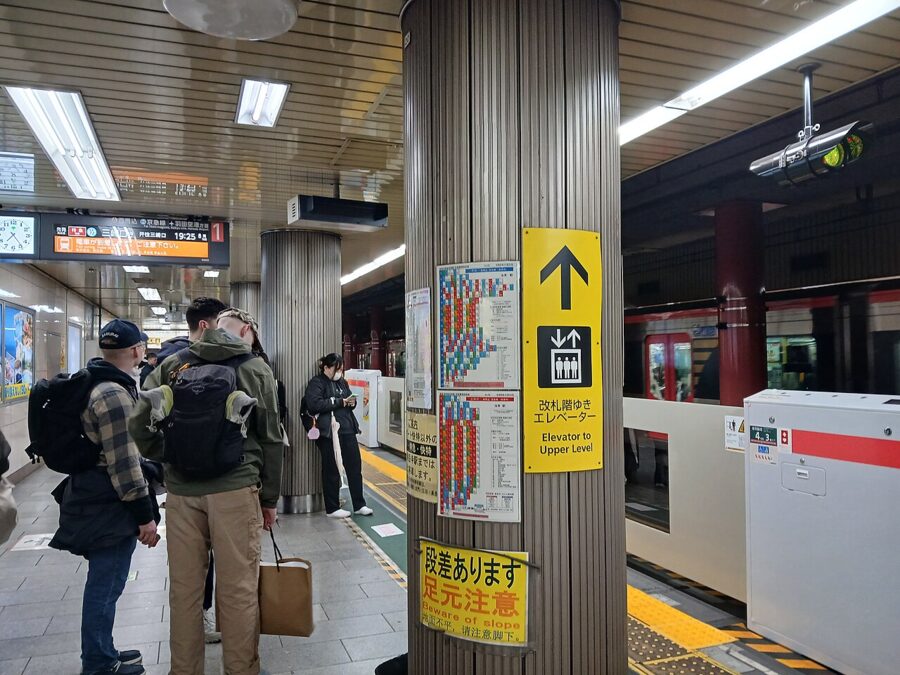
The orange-and-white Airport Limousine is the answer when your hotel is one of its stops and your bag is heavy: it goes in the hold, and you get off at the door. The Shinjuku route is the useful one: about 80 departures a day from Terminal 3, ¥1,400 to Shinjuku Station, the Shinjuku Expressway Bus Terminal (Busta Shinjuku) and the big west-side hotels, with the first at 06:15 and the last at 23:40.
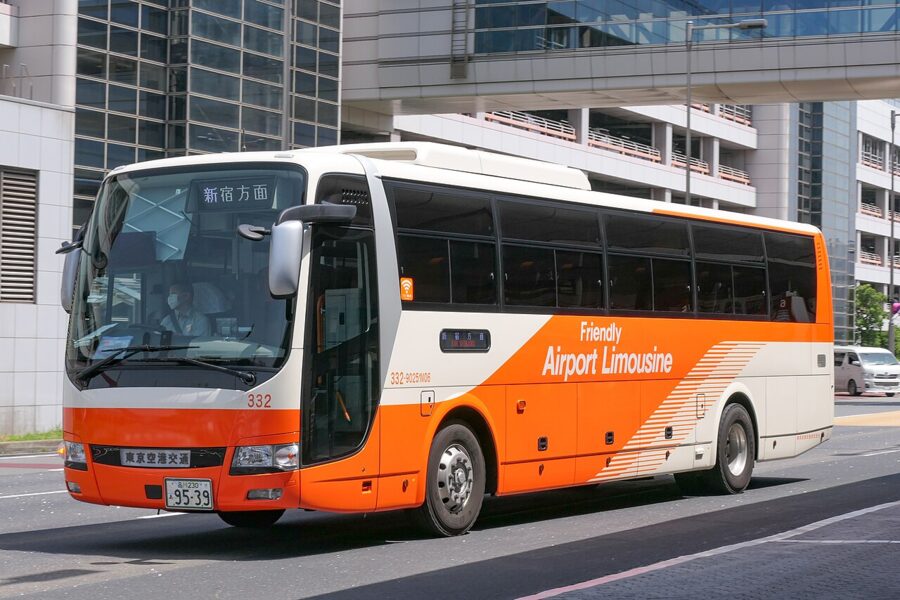

Elsewhere the network is thinner. In November 2026 the airport’s bus list shows the hotel routes for Ginza and Shiodome, Akasaka and Roppongi, Shinagawa and Ebisu, Toranomon and Otemachi all suspended. The bus to Tokyo Station Yaesu North runs only six times a day on the late-November timetable, at ¥1,200 and about 55 minutes; Keikyu and JR do it in 20. Ikebukuro is ¥1,400, and Toyocho, Kinshicho and Asakusa are ¥1,200 to ¥1,300; check the Limousine timetable for your stop.
Taxis and the flat fares
Tokyo taxis went up on 20 April 2026. On the new fares a standard car charges up to ¥500 for the first kilometre, then ¥100 for every 232 metres and for every 85 seconds crawling in traffic. From Haneda most companies offer a flat fare instead, set by the ward you are going to, with expressway tolls on top and 20 per cent more between 22:00 and 05:00.
- Chiyoda ward (Tokyo Station, Marunouchi): ¥7,600 (about US$48), ¥9,000 late at night
- Shibuya ward: ¥8,500 (about US$53), ¥10,000 late
- Shinjuku ward: ¥9,000 (about US$56), ¥10,700 late
- Taito ward (Asakusa, Ueno): ¥9,100 (about US$57), ¥10,800 late
- Toshima ward (Ikebukuro): ¥11,200 (about US$70), ¥13,200 late
These are the large companies’ shared airport flat fares as listed in September 2026, and the closest wards (Chuo, Minato, Shinagawa, Ota, Koto and Meguro) have none: you go on the meter. Agree the flat fare when you get in.
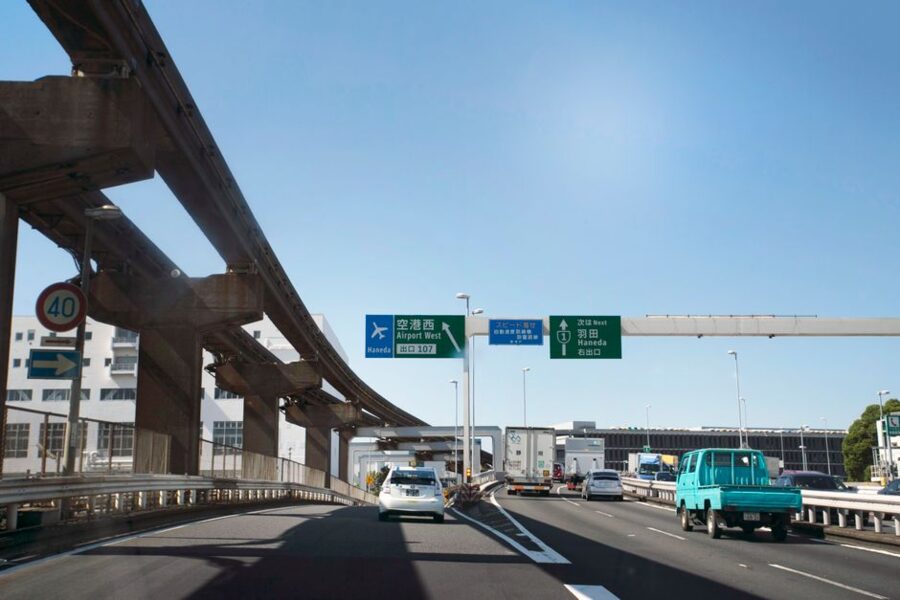
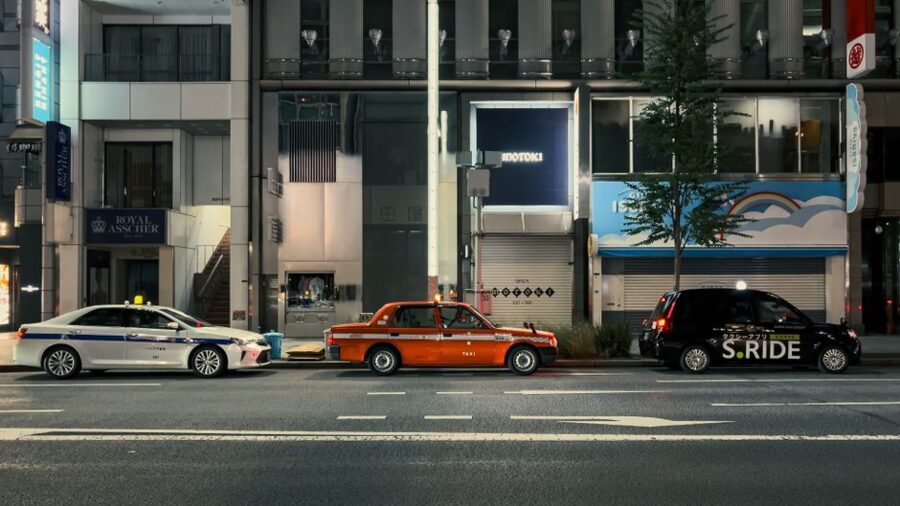
For three or four people with luggage, the flat fare to Shibuya works out at ¥2,100 to ¥2,800 each before tolls, against about ¥600 each by Keikyu and JR. If you hail by app, the reserved pick-up points are on the second floor of Terminals 1 and 2 and on the eighth floor of the P5 car park at Terminal 3, per the airport’s taxi page.
Late arrivals: last trains and the night buses
Long-haul flights land at Haneda late, and there is still a scheduled way into town at 02:20. The trains go first. Keikyu’s last train from Terminal 3 to Shinagawa leaves at 00:08 every day and arrives at 00:20; the last monorail to Hamamatsucho leaves at 00:10 on weekdays.
Reaching Shinagawa at 00:20 is not reaching your hotel. Check the onward connection before you trust it; if it fails, take the night bus from the airport.
The night bus is the Airport Limousine to Shinjuku and Ikebukuro, ¥2,800 on every run. The first leaves Terminal 2 at 00:05, Terminal 1 at 00:10 and Terminal 3 at 00:20; the later ones leave Terminal 3 only, at 01:00, 01:40 and 02:20, all from stop 3. The 00:20 reaches Shinjuku Station before 01:00 and Ikebukuro East Exit at about 01:15. Keikyu Bus runs one more, at 01:20 from stop 7, to Yokohama City Air Terminal and Sakuragicho.

After 02:20 it is a taxi, at the late-night flat fare. Count it before you decide a cheap 01:00 arrival is cheap.
Tickets, Suica and the Japan Rail Pass
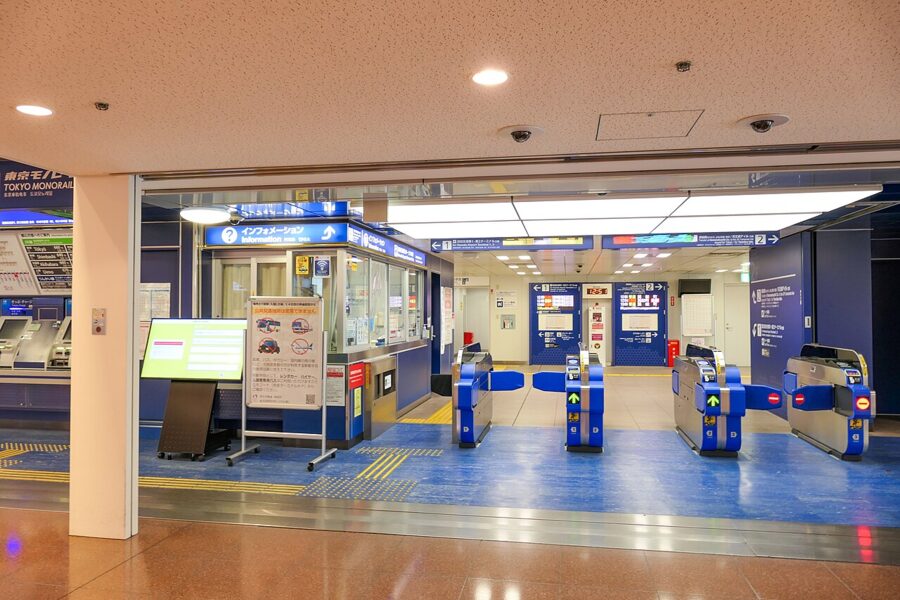
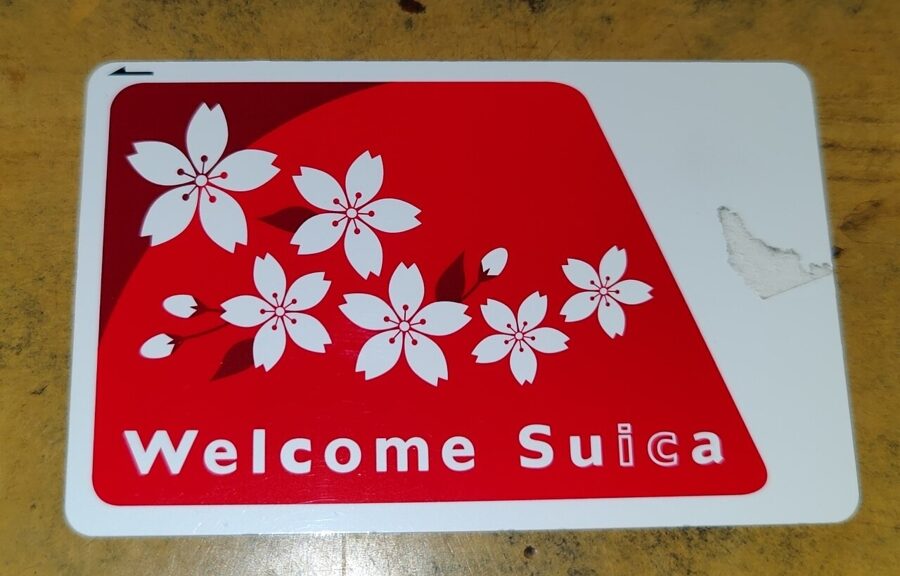
An IC card is the easy way through either set of gates, and Haneda sells two kinds to short-stay visitors. Welcome Suica is sold from machines at the monorail’s Terminal 3 station and at the JR East Travel Service Center on the second floor of Terminal 3. TOURIST PASMO, the private railways’ equivalent, launched at the airport stations in May 2026.
Both come loaded with ¥1,000 to ¥10,000 (about US$6 to US$63), have no deposit and no refunds, and expire after 28 days. You can top up Welcome Suica to ¥20,000 with cash at station machines and Seven Bank ATMs, and it is sold one card per person, in JR East’s purchase rules. On a phone, a Suica or PASMO in the wallet does the same job.

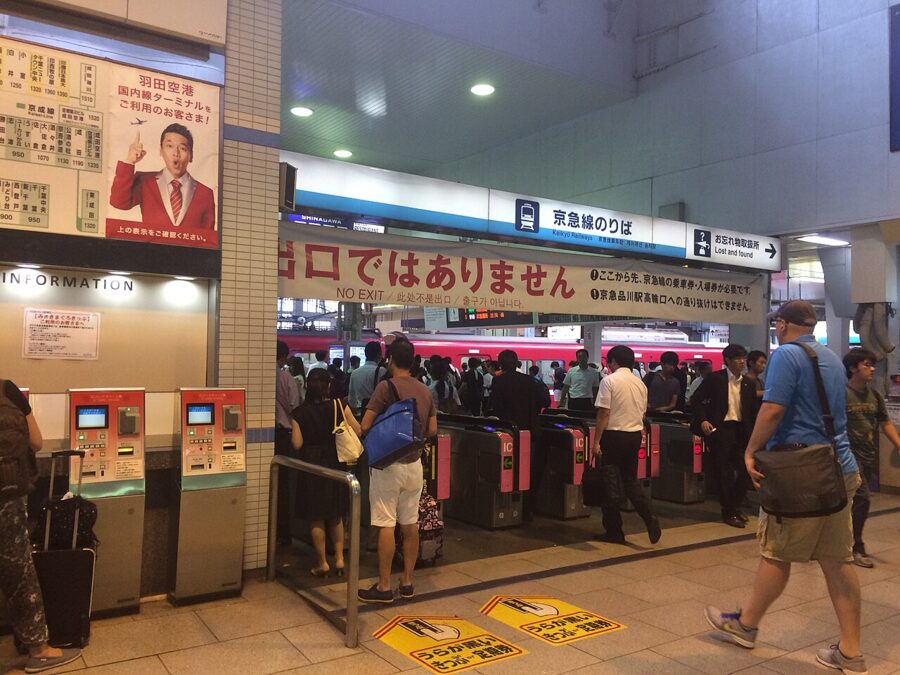
You do not need a card at all for Keikyu. Its gates take contactless bank cards (Visa, Mastercard, JCB, American Express and others) at the adult fare, though not at the Shinagawa transfer gates to JR, so exit and re-enter if you are changing there. The monorail is not part of that scheme.

The deals
- Monorail & Yamanote Line Discount Ticket: ¥590 from any Haneda monorail station to any station on the Yamanote Line, sold from the airport station machines on Saturdays, Sundays, holidays and listed holiday periods until 31 March 2027. Against ¥780 to Shinjuku or ¥870 to Ikebukuro it is the best value at the airport, and it covers the change at Hamamatsucho. The valid dates include the New Year, from 26 December to 3 January.
- KEIKYU Hanetoku Ticket & Tokyo Subway Ticket: a Keikyu return between Haneda and Sengakuji plus unlimited Tokyo Metro and Toei subway travel for 24, 48 or 72 hours, at ¥1,600, ¥2,100 or ¥2,600 (about US$10, US$13 or US$16). It is sold online only, before you fly, and you collect it at Haneda; see Keikyu’s conditions. Worth it if you will ride the subway four or five times a day.
The Japan Rail Pass covers the Tokyo Monorail, and Keikyu does not take it. The JR East Travel Service Center beside the monorail gates at Terminal 3 exchanges and sells passes, so pass holders go monorail, Hamamatsucho, JR, and pay nothing.
Two changes are coming. From spring 2027 Keikyu, the Tokyo Monorail, JR East and four other railways replace paper magnetic tickets with larger tickets carrying a QR code that you hold over the gate. If you would rather not carry a suitcase at all, the ecbo counter at Keikyu’s Terminal 3 station takes bags for same-day delivery to hotels in the 23 wards from ¥1,600 (about US$10) each, between 07:00 and 16:00.
The JR line that is not open yet
JR East is building its own railway into Haneda, the Haneda Airport Access Line (羽田空港アクセス線). The first part, the Higashi-Yamanote route from Tokyo Station, will cut Tokyo to Haneda to about 18 minutes without a change, and is due in fiscal 2031 together with a Rinkai route from the waterfront, which means some time between April 2031 and March 2032. The tunnel-boring machine for the section under the Keihin Canal was due to start on 16 November 2026, and the estimated cost is about ¥280 billion (about US$1.75 billion).

The western branch towards Shinjuku and the Saikyo Line has no date; JR East’s August 2026 progress report covers only the Tokyo route.
Going back to Haneda
Work back from the time you want to be at the terminal, not from the departure time. For an international flight from Terminal 3 I would be at the check-in counter two hours before departure, more in holiday weeks; your airline’s own check-in deadline is on your booking, and that is the one that counts.
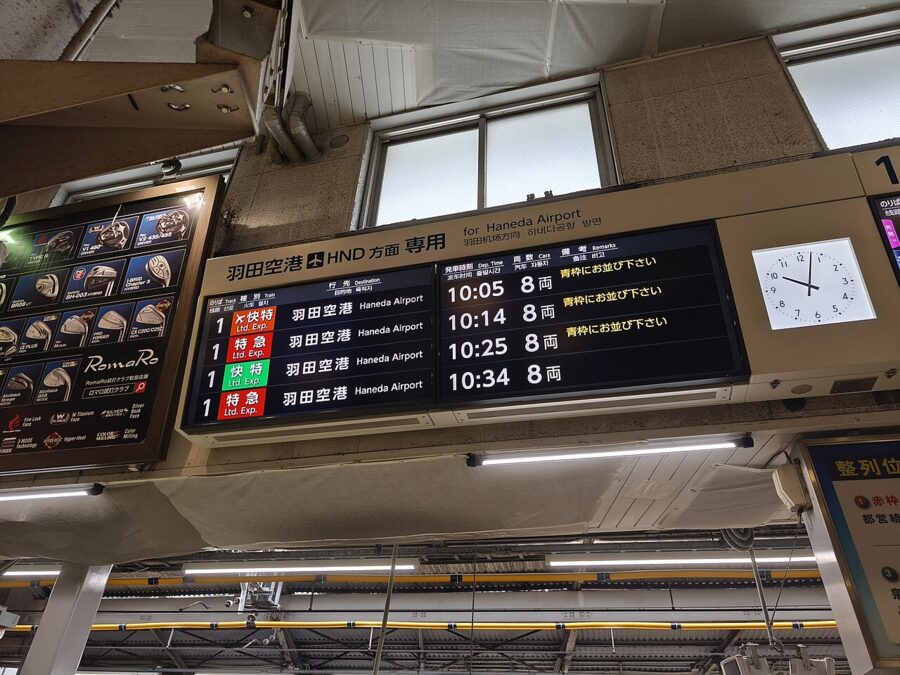

By rail, allow the journey time plus 15 minutes for the change and the walk. From a Shinjuku hotel that means leaving about an hour before you want to reach the counter: Yamanote Line to Shinagawa, Keikyu to Terminal 3, 30 minutes on the trains. Keikyu’s Haneda-bound trains from Shinagawa reach Terminal 3 first and Terminal 1·2 three minutes later; the monorail from Hamamatsucho calls at Terminal 3, then Terminal 1, then Terminal 2.
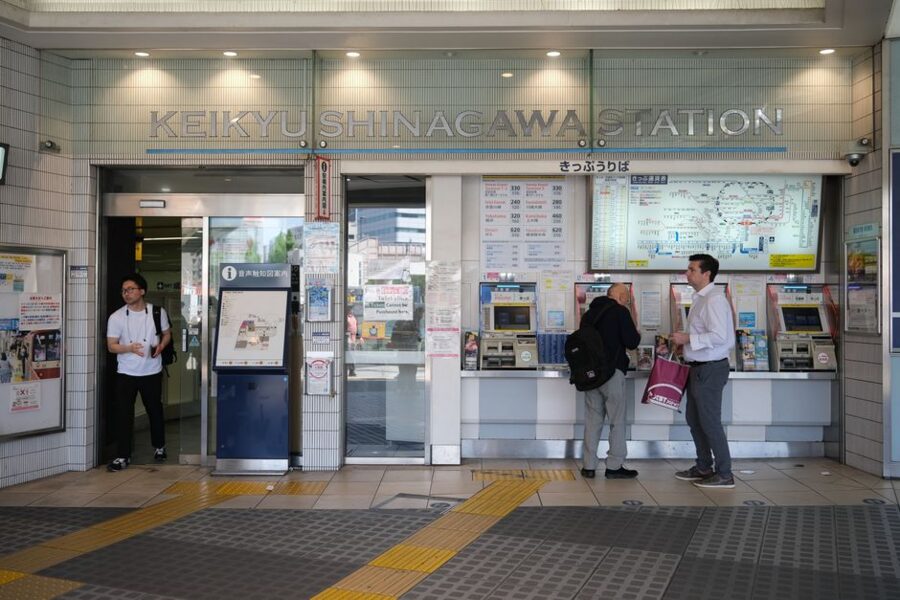
For a dawn flight, the first Keikyu train leaves Shinagawa at 05:09 and reaches Terminal 3 at 05:29. If that is too late, the early Limousine leaves Ikebukuro East Exit at 03:35, Higashi-Shinjuku at 03:50 and Busta Shinjuku at 04:00, reaching Terminal 3 at 04:35 for ¥2,800. The ecbo service works in reverse too: hand in your bag at a city drop-off point in the morning and collect it at Keikyu’s Terminal 3 counter between 16:00 and 23:00.
At the start of the trip the gates were a short walk from customs, and on the way home they put you back on the same second floor, a few steps from check-in. Tap in at Shinagawa, take the first train marked for Haneda, and get off at Terminal 3.