
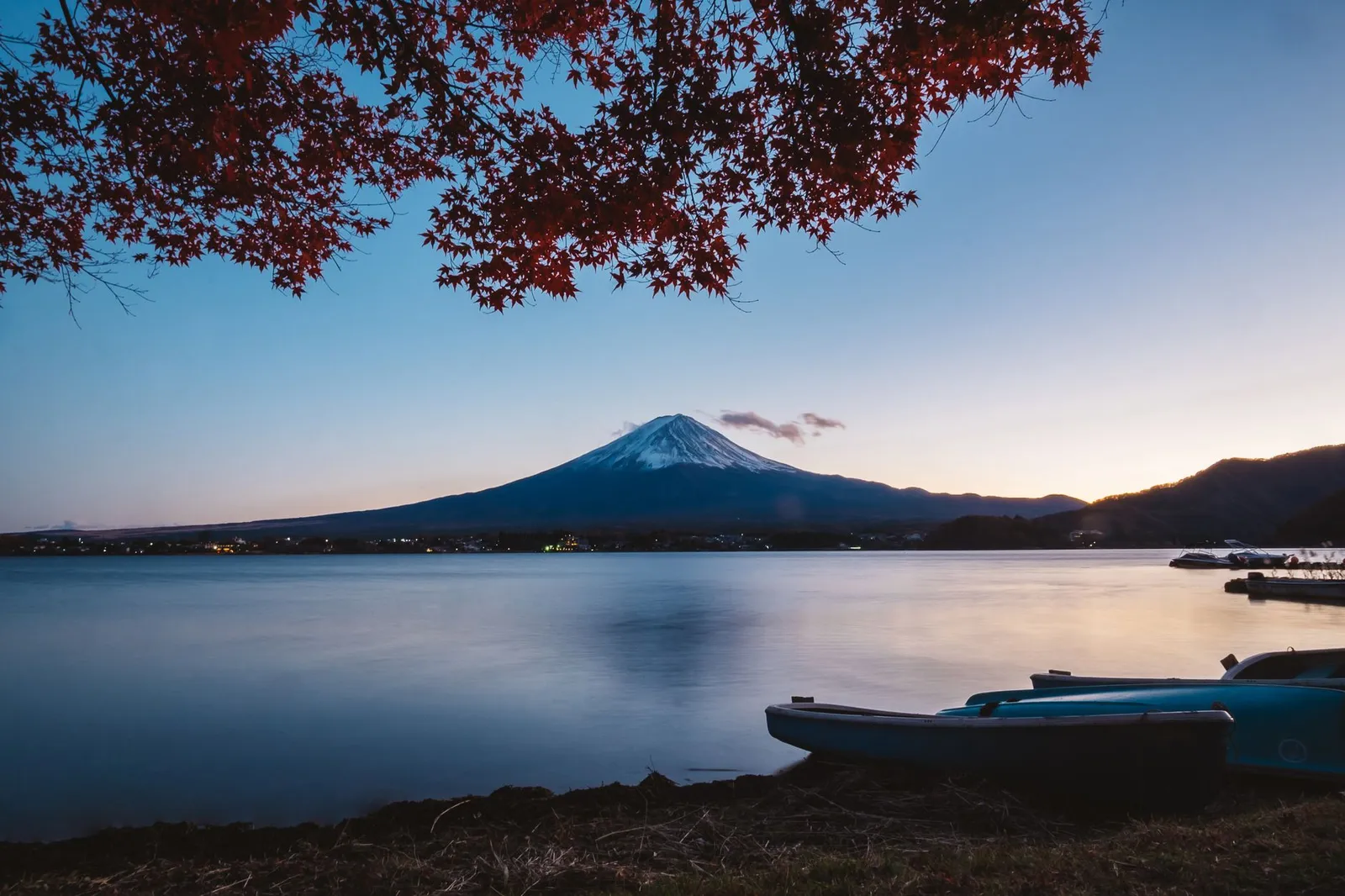
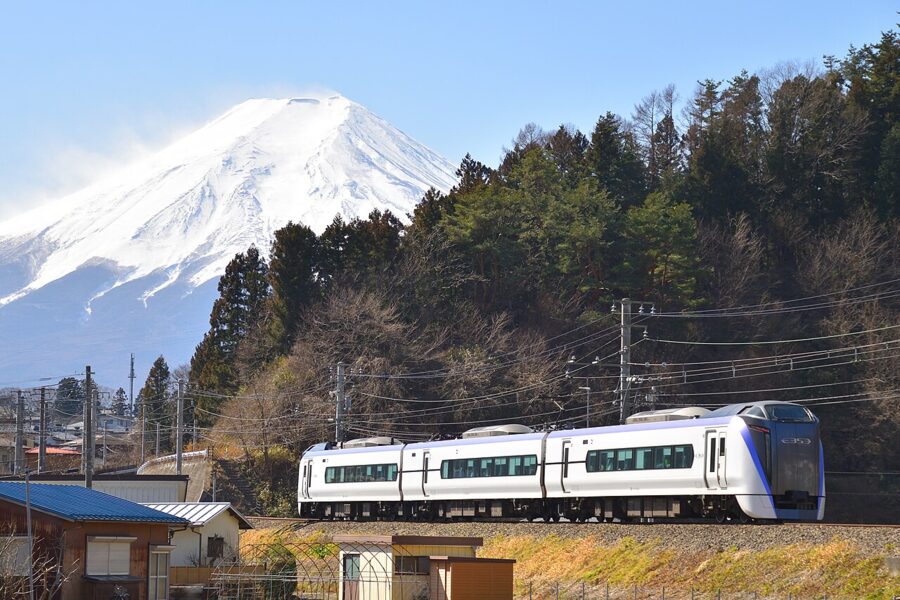
For the first hour out of Shinjuku Station the Fuji Excursion is just another limited express on the Chuo Line, threading the suburbs and then the gorges of the Sagami and Katsura rivers. At Otsuki (大月) its three cars uncouple from the Kaiji or Azusa, swing south onto the Fujikyu line and start to climb. Somewhere past Kotobuki (寿) the valley opens, and the mountain that has been hiding behind the ridges since Tokyo is suddenly filling the window.
It is a good moment, and it is the reason to go by train rather than by bus, although the bus is cheaper and often quicker. The Fuji Excursion runs four times a day each way, sells only reserved seats and can sell out at weekends soon after booking opens a month ahead. Miss it and you have a choice of a limited express to Otsuki and a change, the ordinary trains, or a highway bus from Busta Shinjuku that leaves every ten minutes on a busy morning.
The other decision is when. Fuji hides for most of the summer and shows best on winter mornings, and the lakeside town of Kawaguchiko (河口湖) is at its quietest on exactly those days. Get both right and the trip is two hours each way for a mountain that fills the view.
目次Contents8
- The ways there, side by side
- The Fuji Excursion: Shinjuku to Kawaguchiko without changing
- The Chuo Line and a change at Otsuki
- The bus that competes: Busta Shinjuku to Kawaguchiko
- At the end of the line
- When you will see Fuji, and the climbing season
- Passes that help, and some that do not
- A sensible day, and the crowds



The ways there, side by side
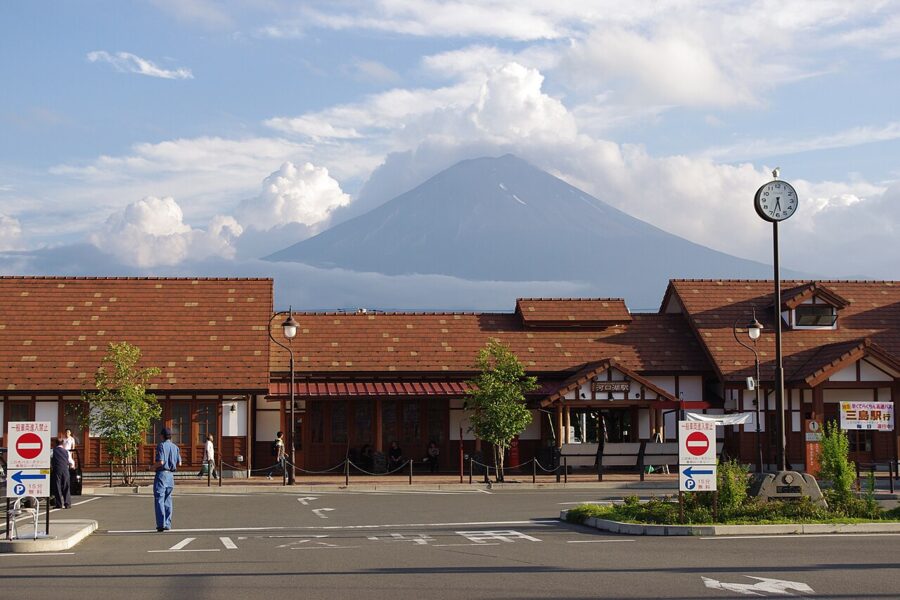
Everything below starts at Shinjuku and ends at Kawaguchiko Station, the hub for the lakes and the buses. The trains also stop at Shimoyoshida (下吉田), for the Chureito Pagoda, and Fujisan (富士山) station in Fujiyoshida, which is a station and not the mountain.
| Route | Time | Fare, one way (as of 2026) | Passes |
|---|---|---|---|
| Fuji Excursion limited express, direct | About 1 hr 55 min | ¥4,200 (about US$27): ¥2,580 fare + ¥1,620 limited express charge, reserved or seat-unspecified only | JR Tokyo Wide Pass covers all of it; Japan Rail Pass covers Shinjuku–Otsuki only, ¥1,770 extra |
| Kaiji or Azusa to Otsuki, then Fujikyu local | About 2 hr 15 min–2 hr 30 min, depending on the connection | ¥3,600 (about US$23); ¥4,000 with a Fujikyu limited express (¥400 charge) | Japan Rail Pass covers the JR part; pay ¥1,170 from Otsuki |
| Chuo Line rapid and local trains, then Fujikyu local | About 2 hr 45 min–3 hr, two or three changes | ¥2,580 ticket, ¥2,569 IC | As above |
| Keio Line to Takao, JR to Otsuki, Fujikyu local | About 3 hr 10 min | ¥2,200 ticket | None |
| Highway bus, Busta Shinjuku to Kawaguchiko | About 1 hr 45 min, traffic permitting | ¥2,000 booked online, ¥2,200 at the counter | None |
Fares and times are as of November 2026, on the timetable that began on 14 March 2026. My order of preference: the Fuji Excursion if you can get a seat, the bus out in the morning if you cannot, and a train home whatever you came on.
The Fuji Excursion: Shinjuku to Kawaguchiko without changing
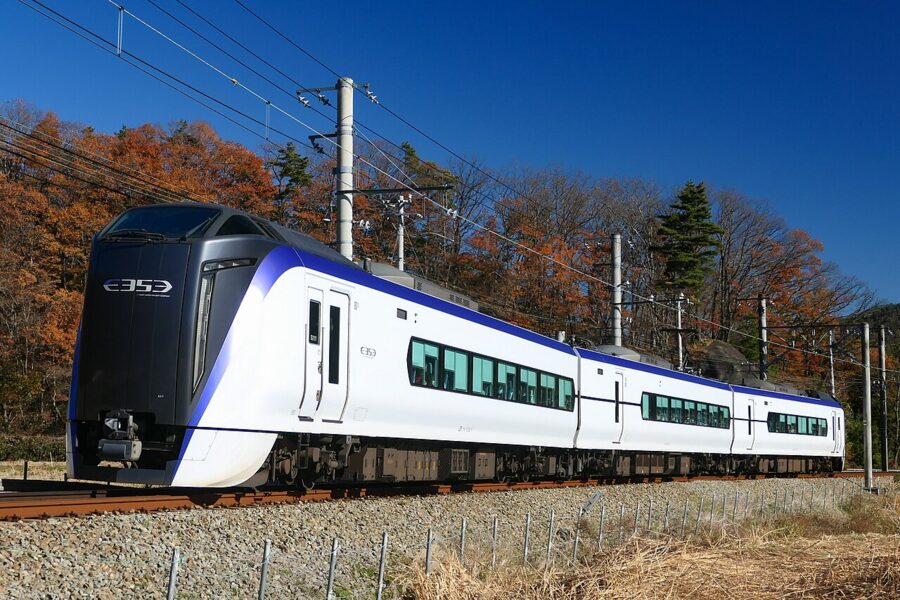
The Fuji Excursion (富士回遊, Fuji Kaiyu) is run jointly by JR East and Fujikyu. It is a three-car E353 set, the short end of the same trains that work the Azusa and Kaiji, and from Shinjuku to Otsuki it runs coupled to one of them. At Otsuki the two halves part. Ride in cars 1 to 3 or you will end up in Kofu or Matsumoto.
Down trains leave Shinjuku at 07:30, 08:30, 09:30 and 10:30 every day, reaching Kawaguchiko at 09:28, 10:26, 11:28 and 12:24. The 07:30 starts its day at Chiba. Coming back, they leave Kawaguchiko at 14:08, 14:58, 16:48 and 17:41, arriving at Shinjuku between 16:06 and 19:48 depending on the day. The return times are the weak point: the last train home leaves before six, which is early in summer and fine in winter.
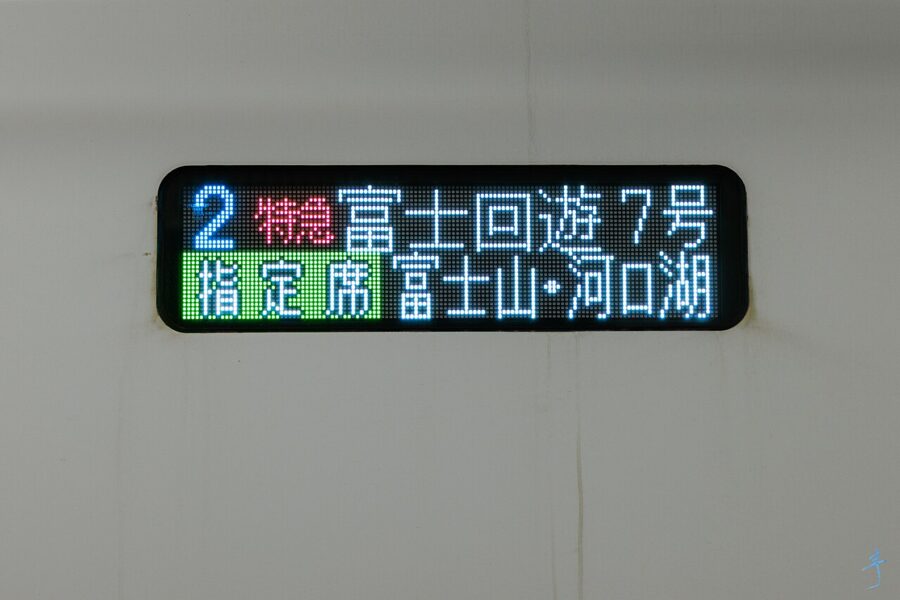

This winter a fifth train runs each way. On weekdays from 22 October to 29 December and from 12 January to 26 February it is the 11:34 from Shinjuku (Fuji Excursion 93) and the 15:39 back (94); at weekends and holidays from 24 October to 28 February, the 09:02 down (81) and the 16:12 back (78). Check the dates on the Fujikyu timetable before planning round it.
There are no unreserved seats. You buy either a reserved seat or a seat-unspecified ticket (座席未指定券), which lets you sit in any seat nobody has booked and stand if there is none. Seats go on sale at 10:00 one month before travel, at JR ticket offices and machines, on Eki-net, on JR East’s English booking site and at Fujikyu’s main stations. Eki-net’s ticketless booking takes ¥100 off the JR part of the charge.
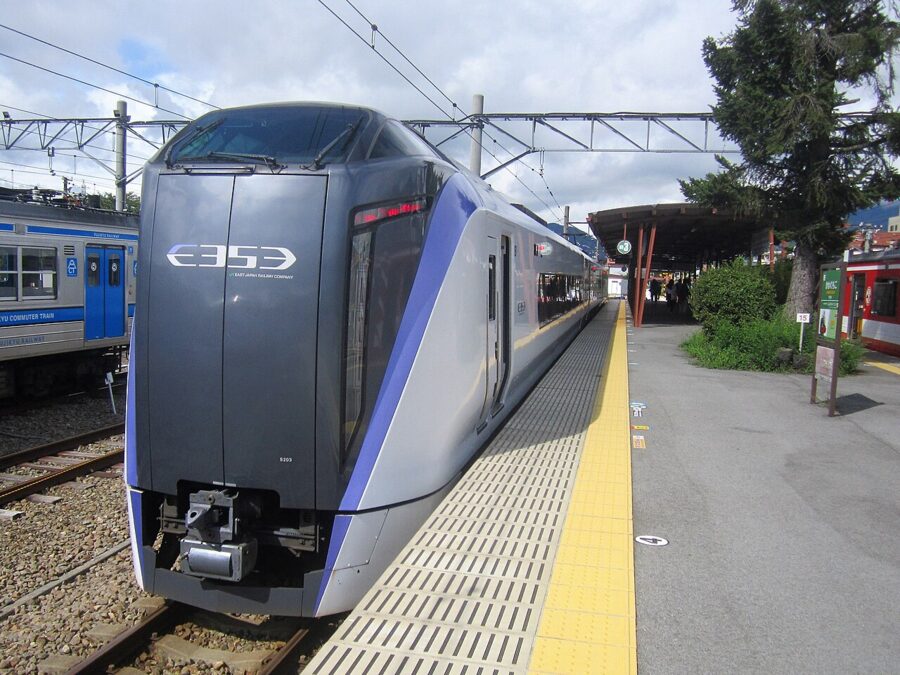

For weekends, holidays, the autumn leaves and the cherry blossom, book on the morning sales open. Midweek in winter it is usually less of a scramble. If the train you want is full, the seat-unspecified ticket is a gamble I would not take with a suitcase; the Kaiji plus a change at Otsuki gets you there twenty or thirty minutes later with a guaranteed seat. Buy an ekiben at Shinjuku before you board: two hours is long enough for lunch with a view.
The Japan Rail Pass and the JR Tokyo Wide Pass
The Japan Rail Pass covers the Fuji Excursion only as far as Otsuki. The pass’s own list of through trains marks Otsuki to Kawaguchiko as Fujikyu territory, so you pay the Fujikyu fare of ¥1,170 (about US$8) and its limited express charge of ¥600, ¥1,770 in all, each way. A JR ticket office will sell the Fujikyu part when it issues your seat. That makes the day ¥3,540 with a pass, against ¥8,400 without one.
The JR Tokyo Wide Pass is the better pass for this trip, and the only one that covers the Fuji Excursion end to end. It costs ¥16,000 (about US$103) for three consecutive days, is sold only to foreign passport holders, and covers the whole Fujikyu line as well as JR East’s lines round Tokyo. A Fuji return is worth ¥8,400; add Nikko and the pass has paid.
The Chuo Line and a change at Otsuki
Every other train route is the same two railways with a change in the middle. JR’s Chuo Line, run by JR East, takes you from Shinjuku to Otsuki; Fujikyu takes you the last 26.6 kilometres from Otsuki to Kawaguchiko. Suica and Pasmo work on both, through the transfer gates at Otsuki.
The quick way is a Kaiji or an Azusa limited express from platforms 9 and 10 at Shinjuku. Between them there are about two an hour, but not every Azusa stops at Otsuki, so check before you buy. The JR fare to Otsuki is ¥1,410 (about US$9) by ticket or ¥1,408 by IC card, and a reserved seat adds ¥1,020. The run takes about an hour.
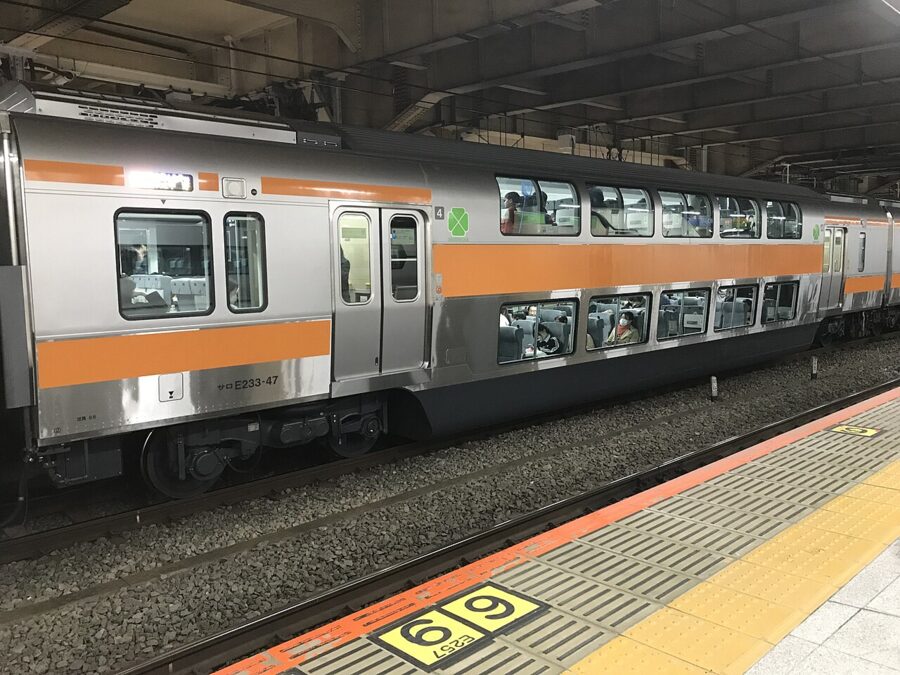
The slow way is the orange-striped Chuo rapid to Takao and a local on to Otsuki, about an hour and a half, for the fare alone. The rapid trains now carry double-deck Green Cars as far as Otsuki, which is a comfortable middle course if you buy the Green ticket on your Suica before boarding. Cheapest of all is Keio from Shinjuku to Takao and JR from there, ¥2,200 to Kawaguchiko, but with three changes and over three hours I would only do it on a pass that covers Keio.

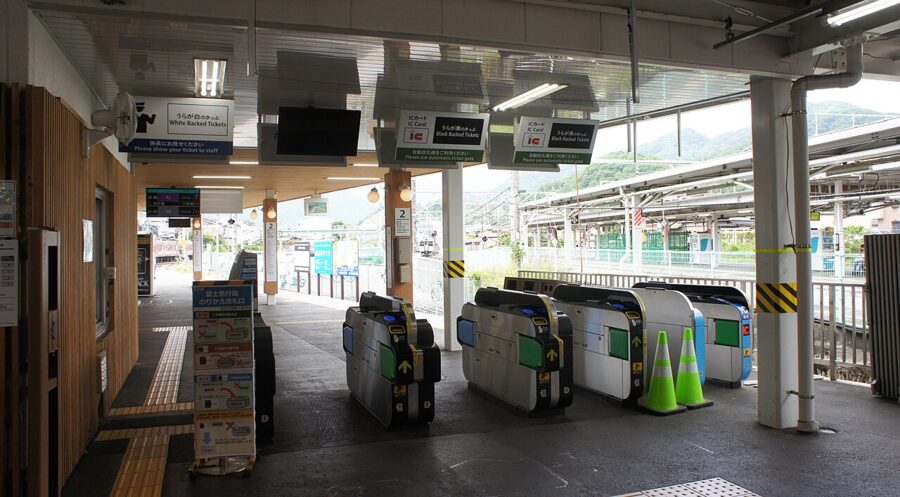

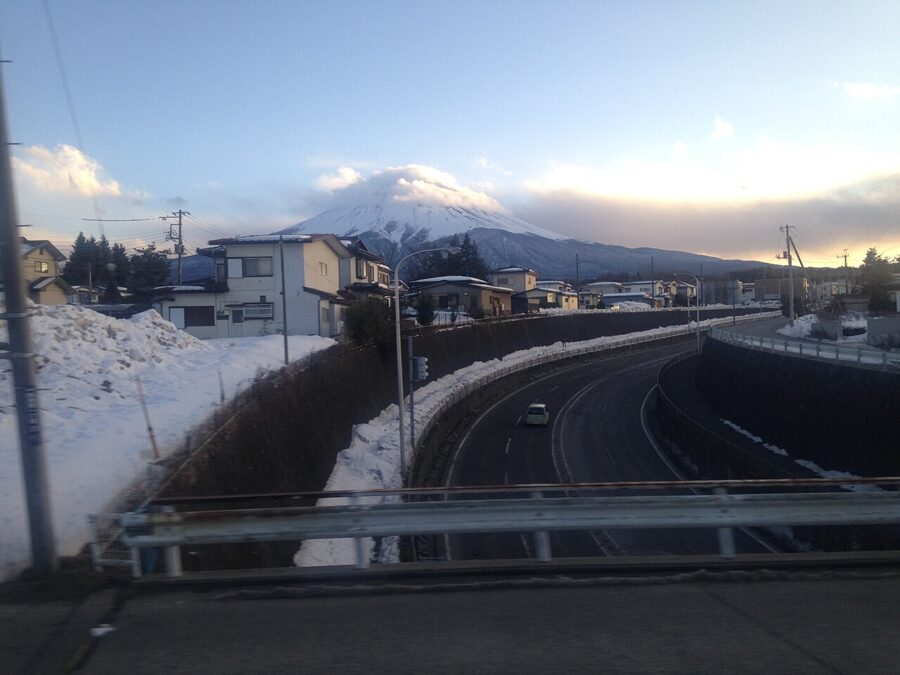
From Otsuki the Fujikyu fare to Kawaguchiko is ¥1,170 by ticket or ¥1,161 by IC card. The line climbs from 358 metres at Otsuki to 857 at Kawaguchiko, reverses at Fujisan, and takes about an hour by local train. There are one or two trains an hour for most of the day.
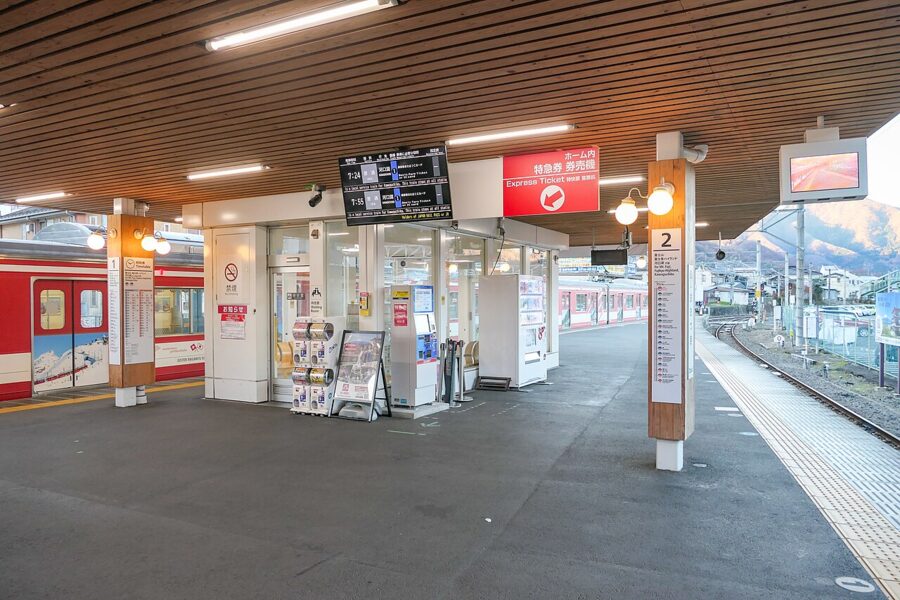
The Fujikyu trains: View Express, Fujisan Limited Express and Thomas
Fujikyu runs other railways’ old trains. Its two limited expresses charge ¥400 (about US$3) from Otsuki to Kawaguchiko on top of the fare, with three cars apiece and one of them unreserved. The surprise is the timing: the limited expresses take 57 or 58 minutes, and the fastest local, 54. You pay for the train, not the time.
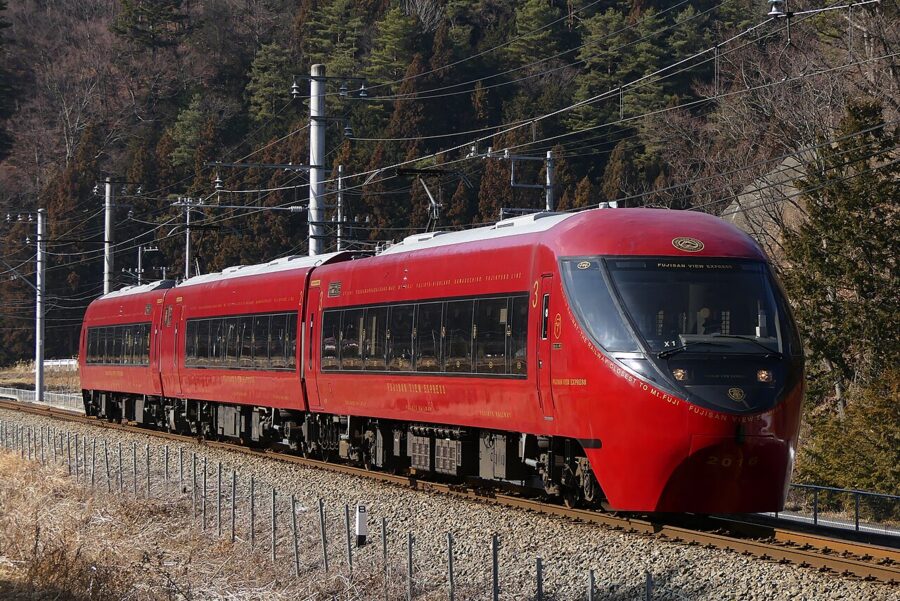
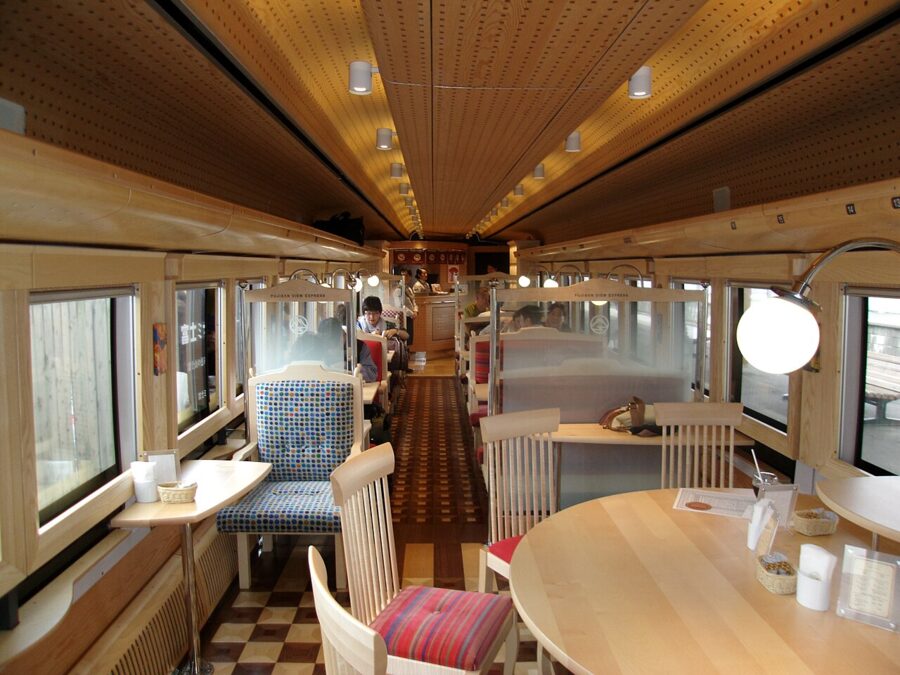
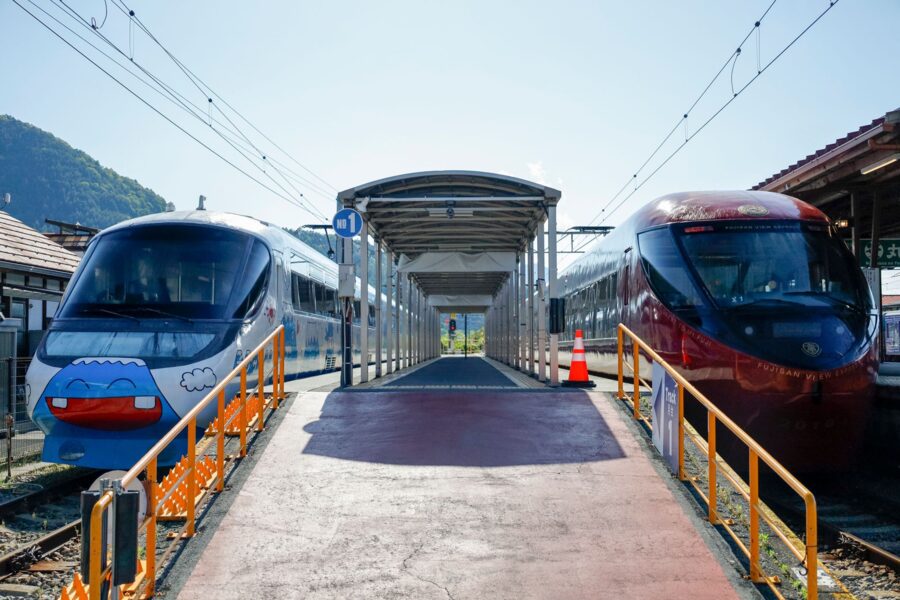
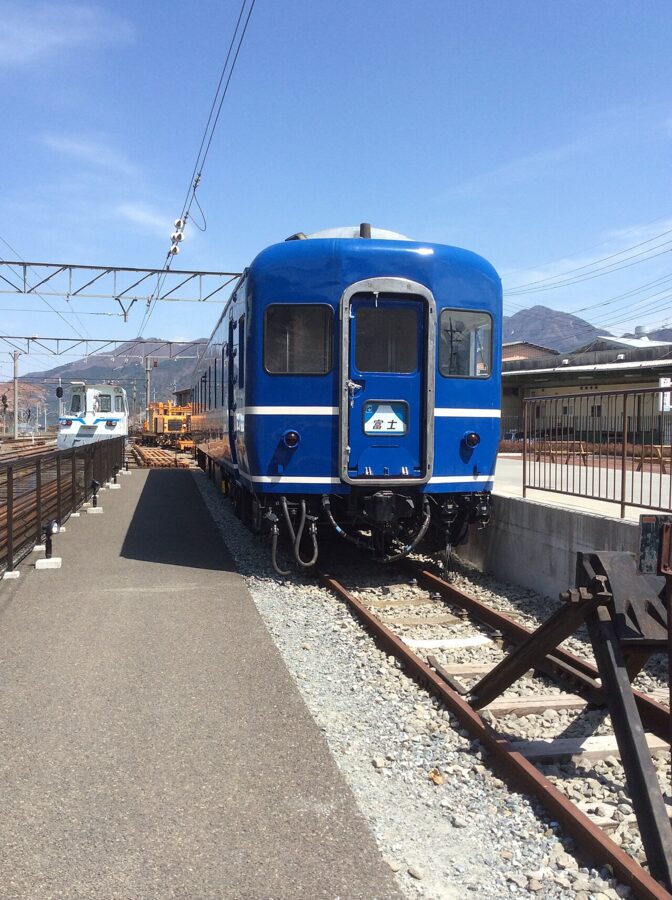
The Fujisan View Express (富士山ビュー特急) is the 8500 series, JR Central’s old 371 series rebuilt by the designer Eiji Mitooka, in service since April 2016. It runs twice each way: from Otsuki at 10:49 and 14:57, from Kawaguchiko at 09:16 and 13:02. Car 1 is a wood-panelled lounge with a welcome drink for a ¥1,000 supplement, car 2 is reserved for ¥200 and car 3 is unreserved.

At weekends the 10:49 and 14:57 down and the matching up trains carry the sweets plan in car 1: cakes from the Highland Resort Hotel’s pastry kitchen, drinks and the reserved seat for ¥6,000 (about US$39). On weekdays a Fujiyoshida wagashi maker, Tokyoya Seika, supplies Japanese sweets for ¥5,800. Both must be booked at least fourteen days ahead.

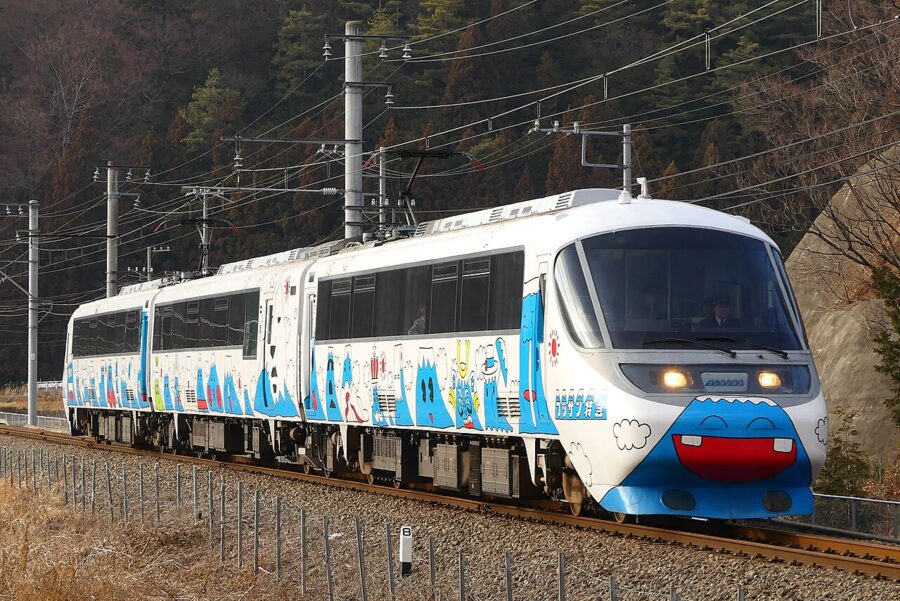
The Fujisan Limited Express (フジサン特急) is the 8000 series, Odakyu’s retired 20000 series RSE Romancecar, on the Fujikyu line since 2014 and painted with cartoon Fujis. Car 1 is billed as an observation car, its high-floor seats looking forward through the cab; it and car 2 are reserved for ¥200. It leaves Otsuki at 09:48 and 12:42 and Kawaguchiko at 08:23 and 11:01, with a third working on some weekdays.

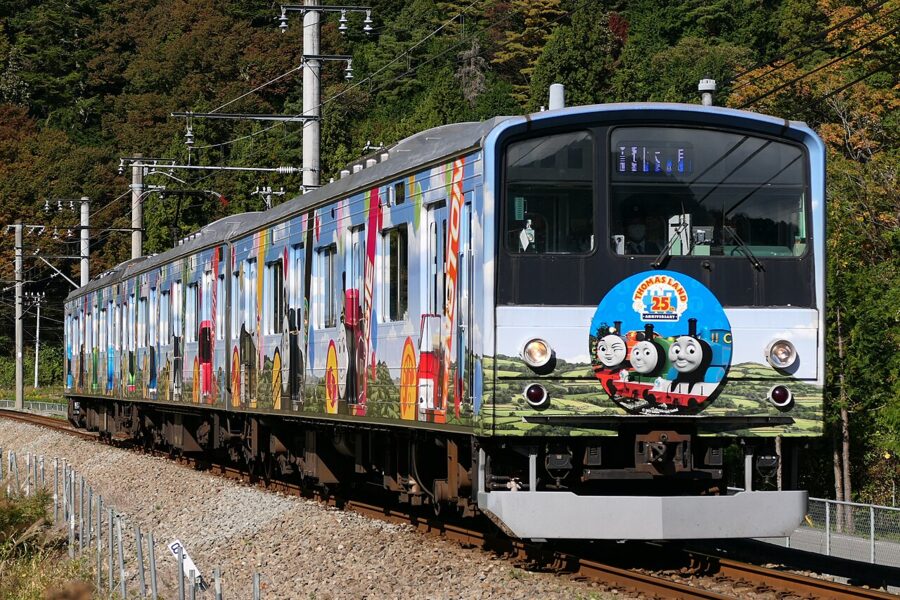
The Thomas Land 25th anniversary train is a local, and costs nothing extra. It is 6000 series set 6502, a converted JR East 205, wrapped inside and out for the Thomas Land area at Fuji-Q Highland, and runs four times each way: from Otsuki at 07:55, 10:03, 12:19 (12:18 at weekends) and 15:03. If you are travelling with small children, plan the day round it. The Fuji Tozan Densha, the other Mitooka train, is out of service for the time being.
The bus that competes: Busta Shinjuku to Kawaguchiko
The Chuo Highway Bus from Busta Shinjuku is the train’s real rival. It costs ¥2,200 (about US$14) at the counter or ¥2,000 booked online, takes about 1 hour 45 minutes when the road is clear, and stops at Fuji-Q Highland just before Kawaguchiko. Seats are reserved and go on sale a month ahead.
Since 1 October 2026 the route has 55 departures a day each way. From Shinjuku they leave every ten minutes from 07:00 until about 11:00; from Kawaguchiko, every ten minutes from 15:00 until about 19:00. The catch is the booking. Keio and Fujikyu now alternate the departures and sell them separately, Keio on Highway Bus.com and Fujikyu on Fujiyama Connect, and you cannot switch between the two without cancelling.
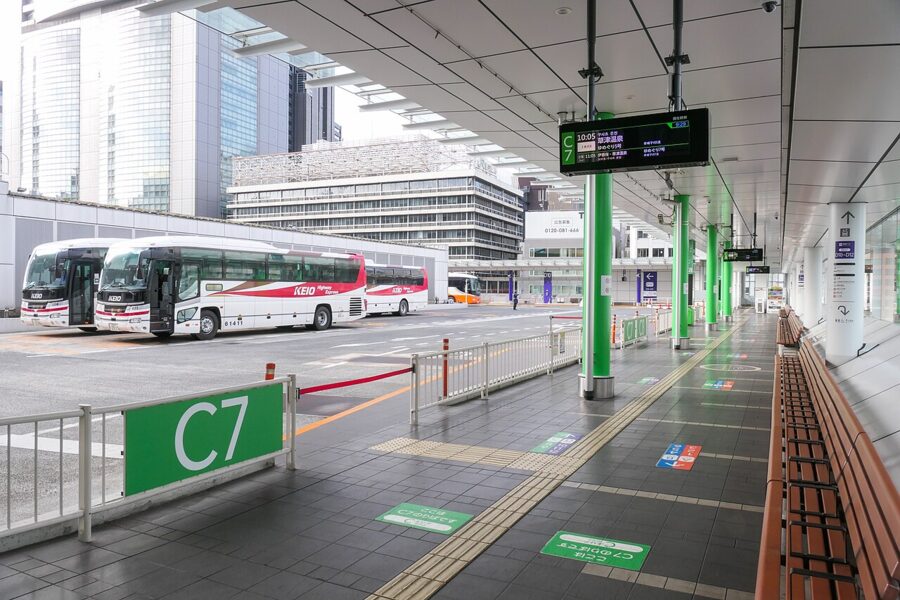

Going out on a weekday morning, the bus is hard to beat. Coming back, the Chuo Expressway into Tokyo jams on weekend and holiday afternoons, and the bus company will not refund for a late arrival. My rule: bus out early, train home.
Buses also run from Tokyo Station, Shibuya and Ikebukuro, and Fujikyu runs direct buses from Haneda Airport and Narita. The Tokaido Shinkansen is no use for Kawaguchiko, but passes the mountain on the Shizuoka side with one of the best views from any train. Hakone, the other Fuji day trip, sees it from the southeast across Lake Ashi.
At the end of the line
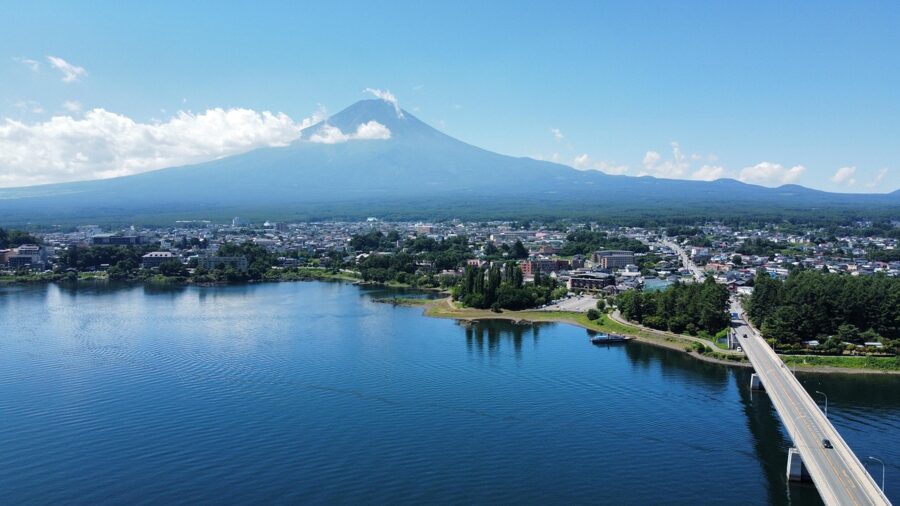
Kawaguchiko is a lakeside resort with a station, a bus terminal and four of the Fuji Five Lakes in the same town. Fujiyoshida, two stops back, has the Chureito Pagoda and the old shopping streets. A day is enough for one of each.
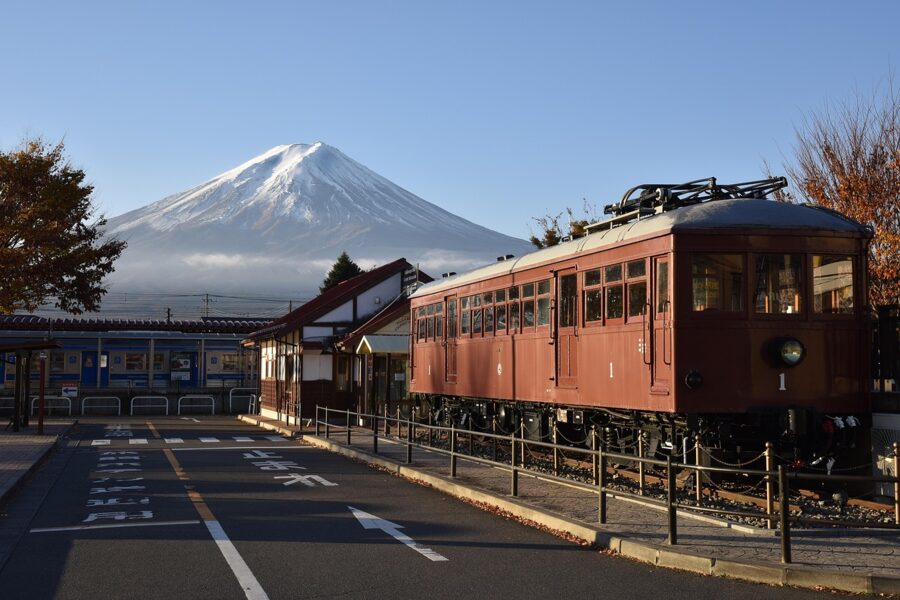
Kawaguchiko and the lake
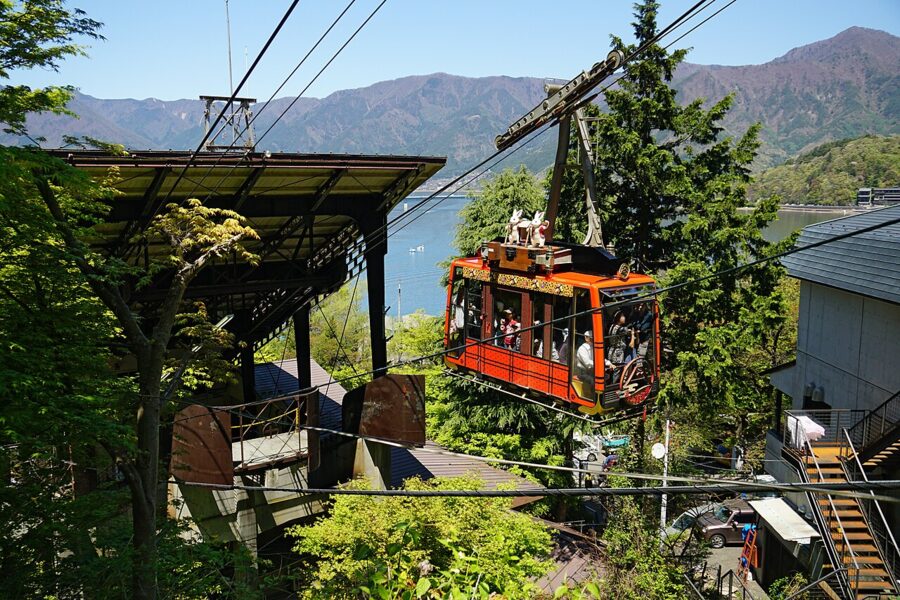
From the station it is a ten-minute walk downhill to the lake shore at Funatsu, across Route 137. The Mt. Fuji Panorama Ropeway goes up Mount Tenjo from the shore in three minutes to a viewpoint at 1,075 metres, ¥1,200 (about US$8) return since a price rise on 1 November 2026. The sightseeing boats from Funatsu cost ¥1,000 for a twenty-minute circuit.

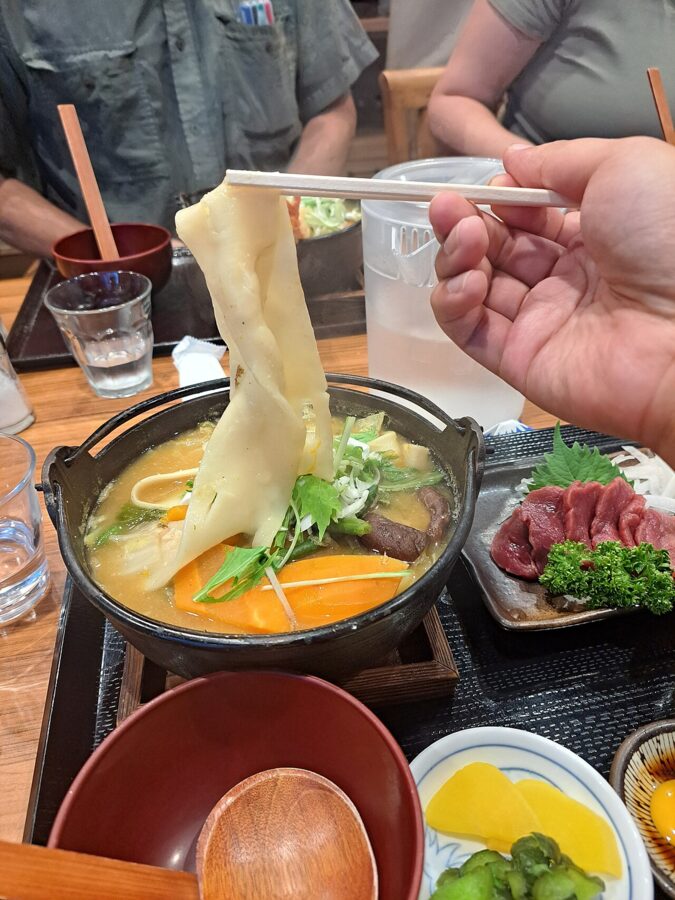
For lunch the local dish is hoto, thick flat noodles stewed with pumpkin and vegetables in miso, served in an iron pot. It is the right food for a cold day at 850 metres, and every street between the station and the lake seems to serve it.
The retro buses round the lakes
Three sightseeing bus loops leave from stand 1 at Kawaguchiko Station, in old-fashioned liveries also designed by Mitooka. The Red Line circles the north shore about every fifteen minutes, for the ropeway, Oishi Park and the Itchiku Kubota Art Museum. The Green Line goes along the south shore to Lake Saiko and the lava caves, and the Blue Line to Lake Shoji and Lake Motosu, with only about five departures a day.
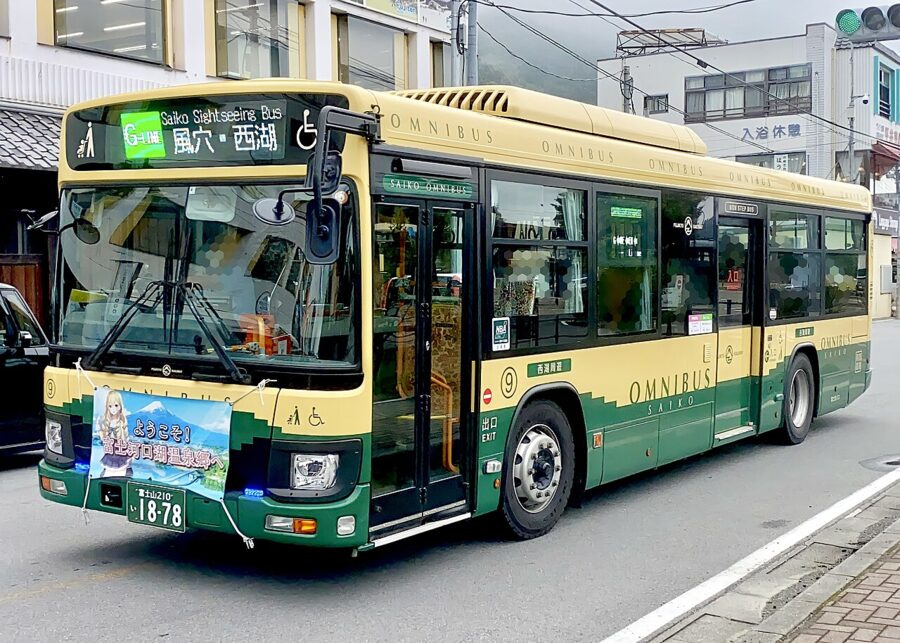

Single fares start at ¥180 and IC cards work. A pass for all three loops is ¥1,500 for a day or ¥2,000 for two. Large suitcases are not allowed on board, so leave them in the lockers at Kawaguchiko Station first.
Chureito Pagoda, from Shimoyoshida
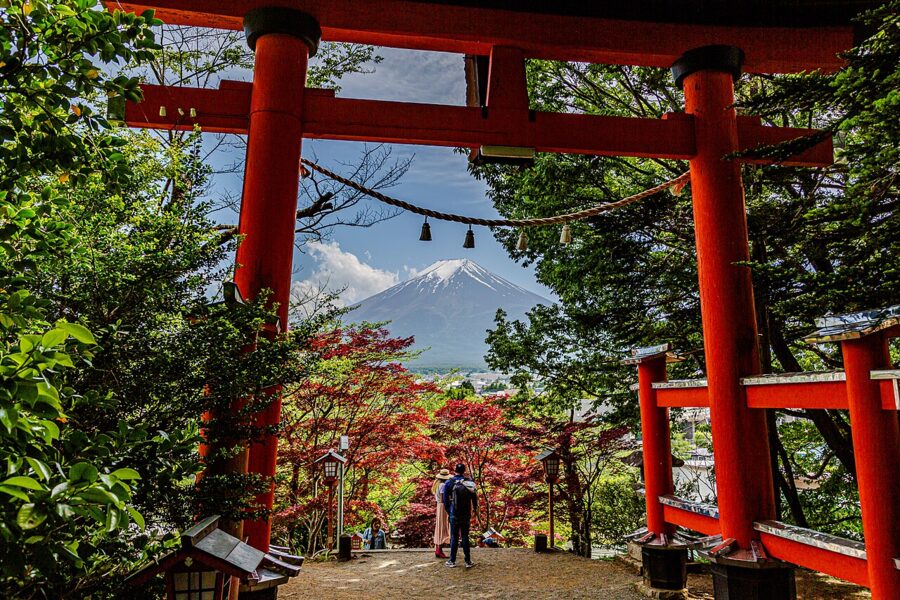
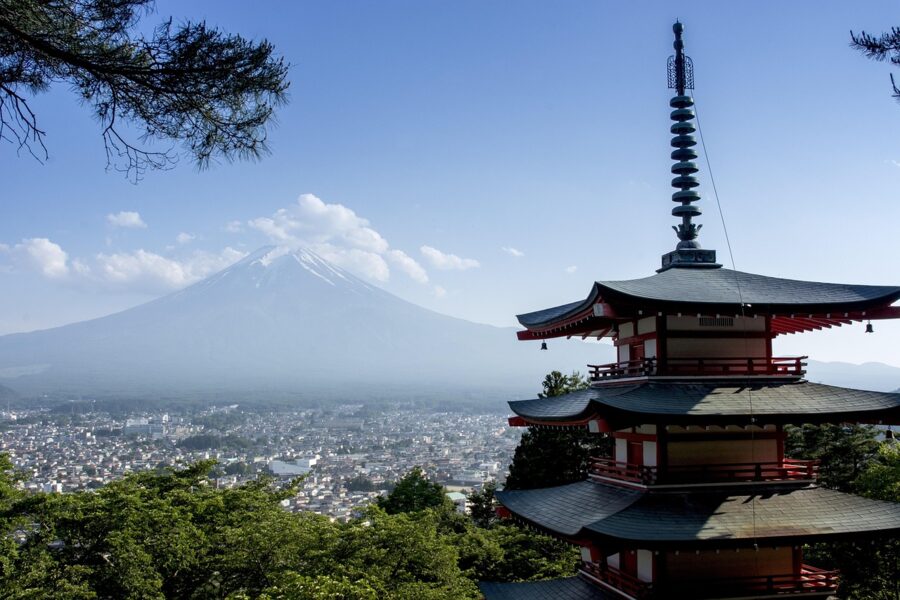
The view on every Fuji poster, the five-storey pagoda with the mountain behind, is in Arakurayama Sengen Park above Shimoyoshida, four stops before Kawaguchiko. The Fuji Excursion stops there, so you can get off on the way in. From Kawaguchiko it is ¥310 by ticket or ¥305 by IC card on the local, about fifteen minutes.
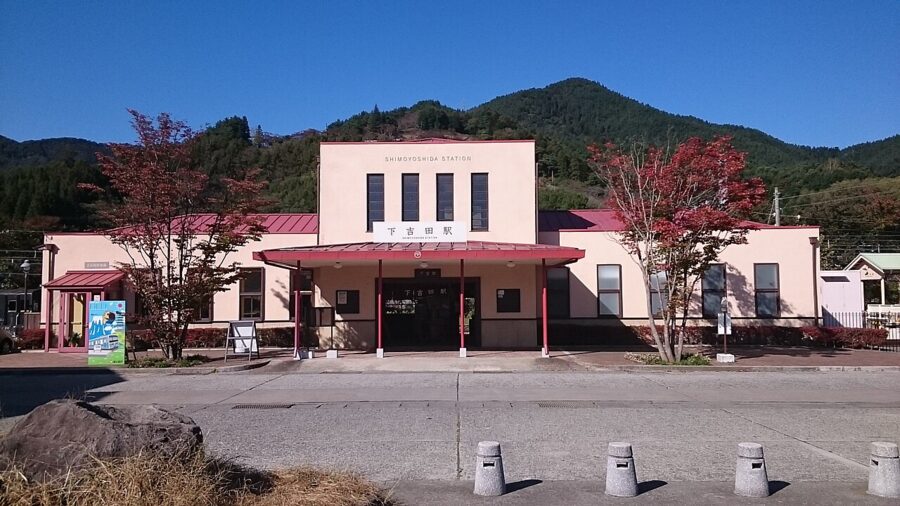


It is 10–15 minutes on foot from the station to the shrine at the bottom of the park, then 398 steps, the Sakuya-hime stairs, to the observation deck; a gentler slope takes 15–20 minutes instead. Entry to the park is free at any hour. Go in the morning, when the sun is behind you and the mountain is lit from the front.
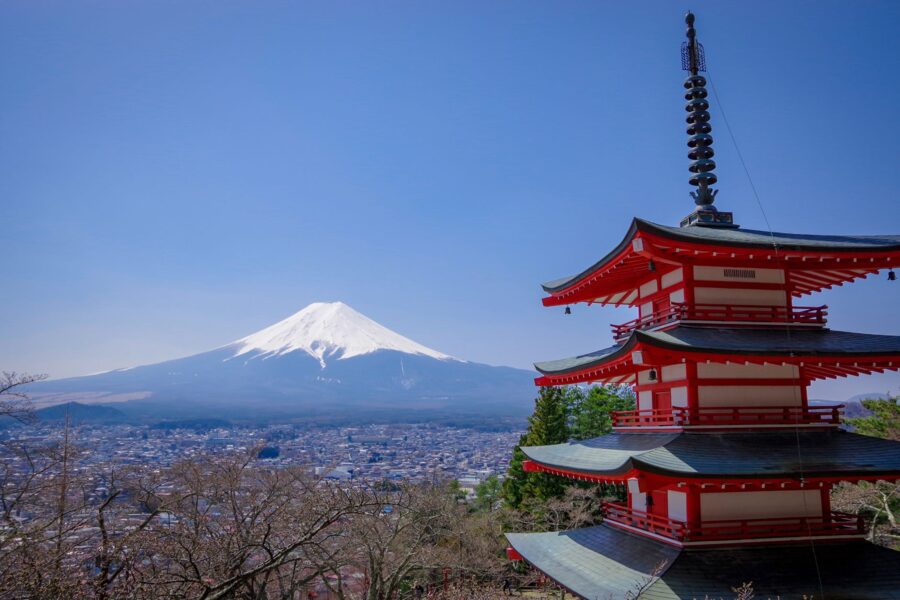
In recent years foreign visitors here have topped 10,000 a day, and in February 2026 Fujiyoshida cancelled its cherry blossom festival, a city official telling the Associated Press that the area is primarily an ordinary residential neighbourhood. For the blossom it kept tour buses and cars out and posted guards.
Like Kamakura, Fujiyoshida has learned what one famous photograph can do to a quiet street. Walk on the pavement, use public toilets and do not knock on doors.

Five minutes from Shimoyoshida Station, Honcho Street runs straight towards the mountain between old shop signs, and has become a photo spot of its own. It is also a working road. Take the picture from the pavement, not from the white line, and move on.
The Lawson and the photo-spot rules
The same goes for the Lawson convenience store by Kawaguchiko Station, whose roof lines up with the summit. The crowds in the road there led the town to hang a 20-metre black screen across the view in May 2024. It came down that August, and in December 2024 the town put fences along the pavement and a painted crossing instead.
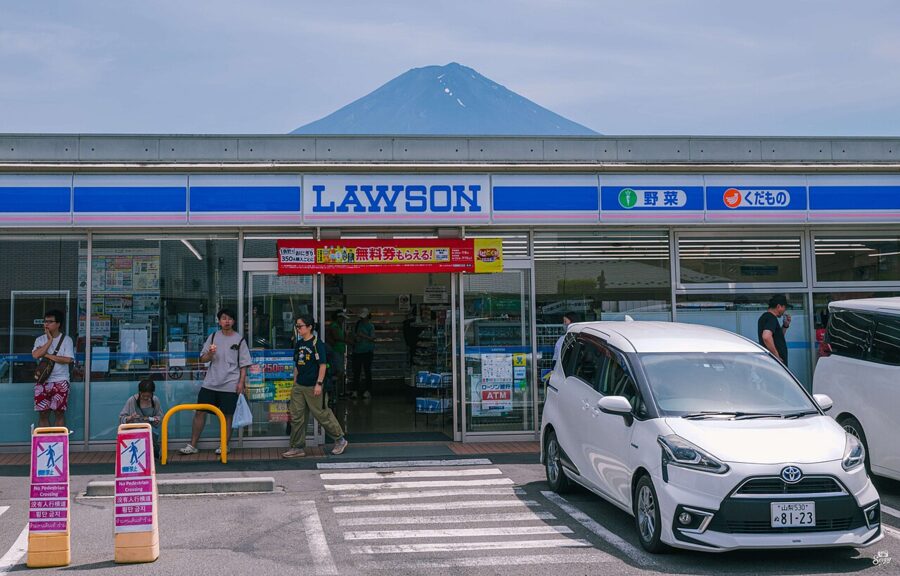

The rules are the ordinary ones: cross at crossings, keep off the road and private land, take your rubbish home. Neither the Lawson nor Honcho Street is worth a special trip.
Oshino Hakkai
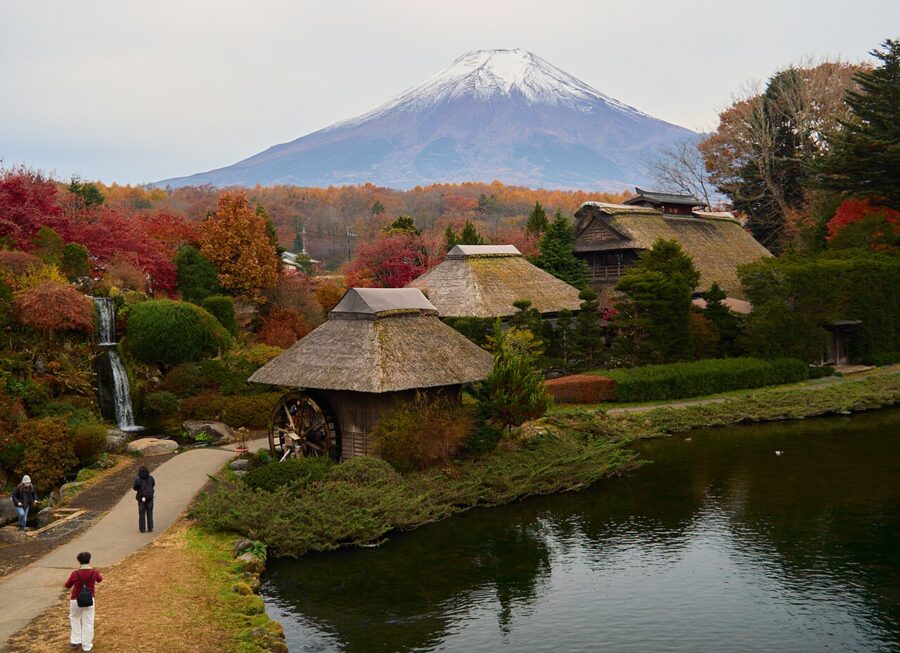
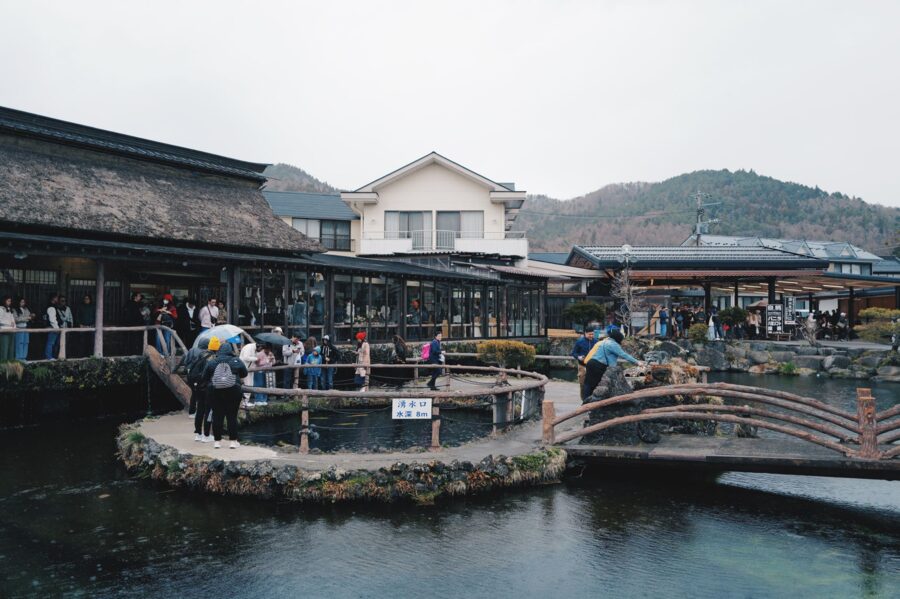
Oshino Hakkai is a group of eight spring-fed ponds in a village between Fujiyoshida and Lake Yamanaka, fed by snowmelt that has filtered down through the mountain’s lava. The Fujikko-go sightseeing bus runs there from Kawaguchiko Station eleven times a day, and its pass for all the sightseeing buses costs ¥1,800 for a day.
When you will see Fuji, and the climbing season
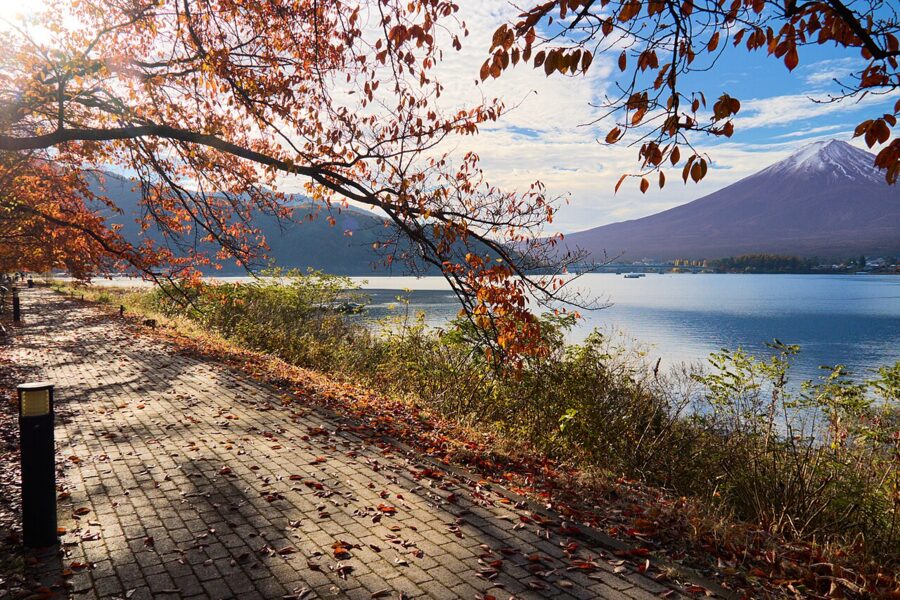
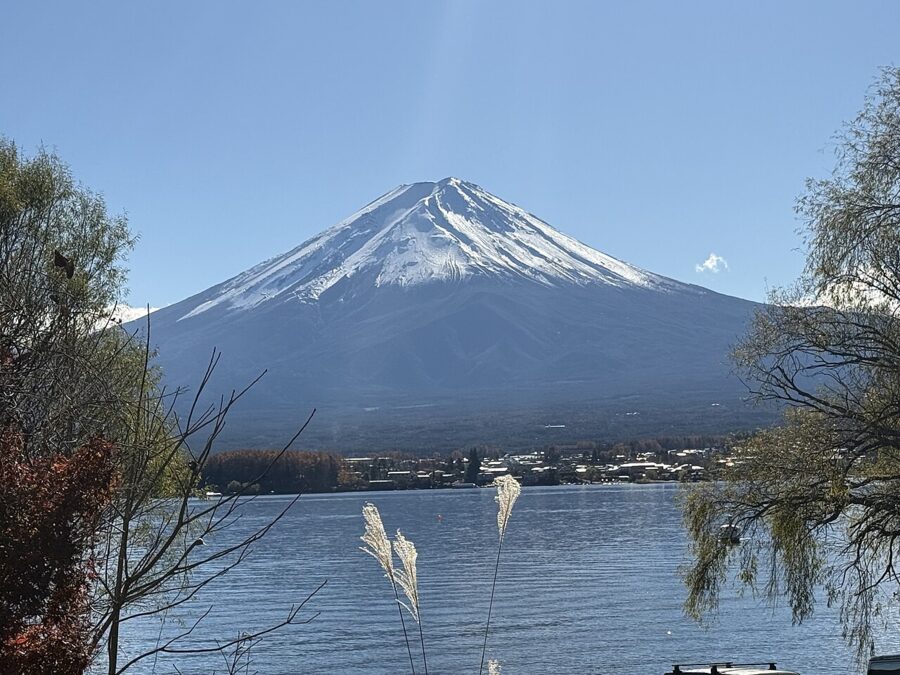
Fuji makes its own weather and hides for much of the year. Fuji City, on the Shizuoka side, has recorded the view three times a day, at 08:00, noon and 16:00, since 1990. Its 2025 record has the whole mountain visible at 08:00 on 136 days, 37 per cent of the year.
The seasons decide it. In 2025 the mountain was clear at 08:00 on 22 days in February and 19 each in January, November and December, but on only 2 days in June and 3 in August. The time of day matters almost as much: 37 per cent at 08:00 fell to 26 at noon and 25 by four in the afternoon. Go between late October and February, go early, and check a live camera before you buy a ticket.

The Fifth Station and the climbing season
The Fuji Subaru Line Fifth Station, at about 2,300 metres, is where the Yoshida Trail starts and as high as a bus goes on the Yamanashi side. Buses from Kawaguchiko take about 55 minutes and cost ¥2,000 one way from Fujisan Station, or ¥3,400 return. In winter the road is opened day by day as far as the weather allows; when it stops short the bus turns back early or does not run, so check before you go.
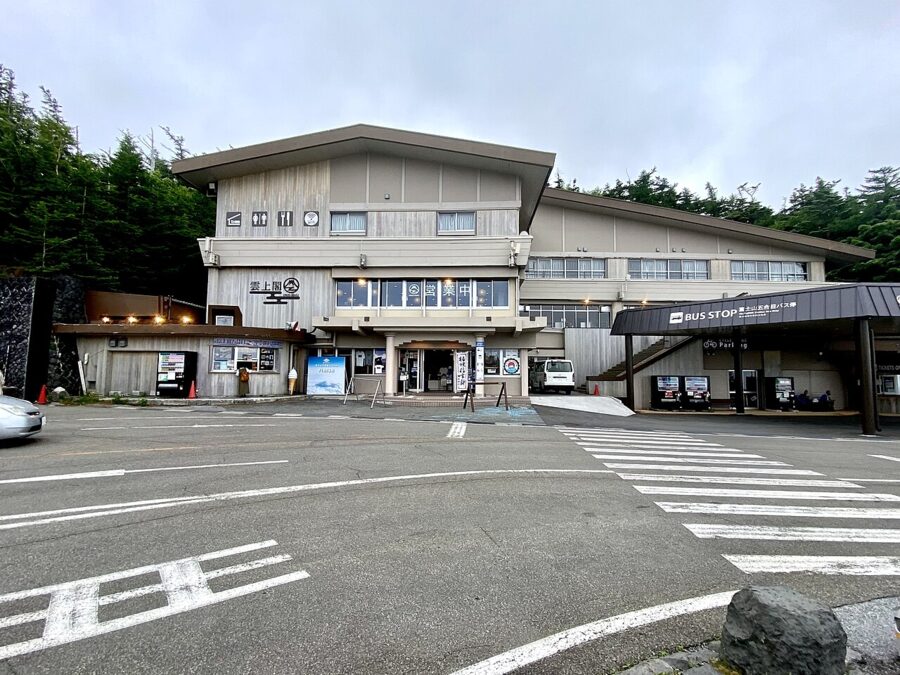

Climbing is a summer-only business. In 2026 Yamanashi Prefecture opened the Yoshida Trail from 1 July to 10 September, charged ¥4,000 (about US$26) a head, closed the gate at the Fifth Station from 14:00 to 03:00 to anyone without a mountain hut booking, capped climbers at 4,000 a day and turned back anyone without warm clothes, a two-piece rain suit and proper boots.
On the Shizuoka side the Fujinomiya, Gotemba and Subashiri trails charged the same ¥4,000 and required advance registration and a short online course. The 2027 rules have not been announced. In summer direct buses run from Busta Shinjuku to the Fifth Station; outside the season, nobody should be going above it.
Passes that help, and some that do not
For most people the right answer is no pass at all: an IC card on the slow trains, or a Fuji Excursion ticket. These are the exceptions, as of November 2026.
- JR Tokyo Wide Pass, ¥16,000 for three days: the Fuji Excursion end to end. Worth it with a second big day trip.
- Japan Rail Pass: Shinjuku–Otsuki only. Not worth buying for this trip.
- Fujikyu 1-day pass, ¥2,400 (about US$15), online only: unlimited local trains from Otsuki to Kawaguchiko. A return is ¥2,340, so it pays as soon as you add the hop to Shimoyoshida. The 2-day version is ¥2,500.
- Fujikyu Limited Express Free Pass, ¥3,000 for two days: adds the unreserved cars of both limited expresses. For the Fuji Excursion you still need its ticket.
- Mt. Fuji and Fuji Five Lakes Passport, two days: ¥4,700 with the whole Fujikyu line, or ¥3,300 with Shimoyoshida to Kawaguchiko only, plus the sightseeing loops and local buses, not the Fifth Station bus. Best value for a night’s stay.
- Mt. Fuji-Shizuoka Area Tourist Pass Mini, ¥6,500 for three days: JR Central lines in Shizuoka and the Gotemba–Kawaguchiko bus, but not the Shinkansen. For coming round the mountain from the south, not for a day from Shinjuku.
A sensible day, and the crowds
On a winter weekday, this is how I would do it. Take Fuji Excursion 3 from Shinjuku at 07:30 and get off at Shimoyoshida at 09:13. Climb to the pagoda while the morning light is on the mountain, then take the 10:46 local on to Kawaguchiko, arriving at 10:59; it is the Thomas train, which children will count as a bonus.
Have hoto for lunch, then take the Red Line to the ropeway or to Oishi Park for the north-shore view. Be back at the station for Fuji Excursion 44 at 16:48, which reaches Shinjuku at 18:48 on a weekday. If the train is sold out, take an early bus from Busta Shinjuku and still come back by train, changing at Otsuki.
The crowds follow the calendar: weekends, the cherry blossom in early to mid April, Golden Week, the summer holidays and the autumn leaves from late October to mid-November. A Tuesday in January is the opposite of all of them, and it is when the mountain is most likely to be out. If you can only go at a weekend, go early and come back early, by train.
Staying a night changes everything. You get the lake at dawn, when the view is most likely, and the Fuji Excursion home the next afternoon, with no 07:30 start. Either way, book the Fuji Excursion the morning the seats go on sale, sit in cars 1 to 3, and watch for the moment past Kotobuki when the mountain fills the window.