
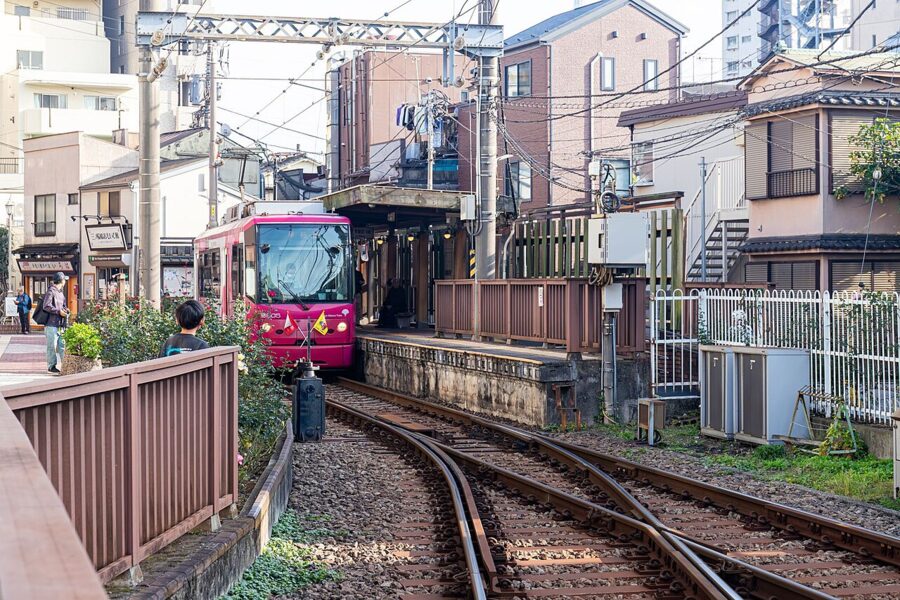
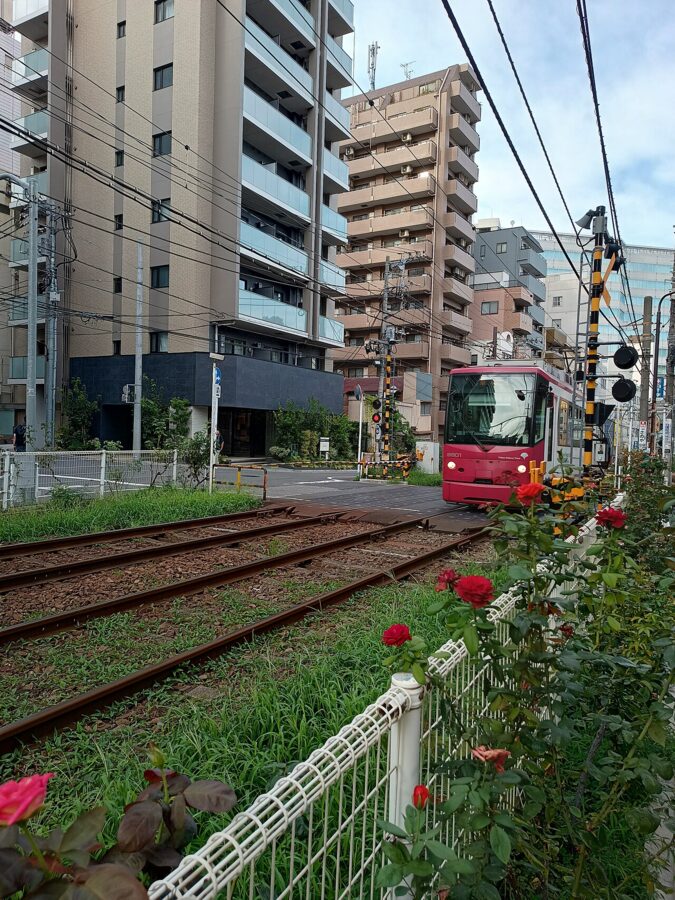
The crossing bell starts, the barrier drops across a lane barely wide enough for a delivery van, and a single tram car no longer than a bus slides past between a row of two-storey houses and a fence hung with roses. Nobody on the pavement looks up. A minute later the barrier lifts, a cyclist goes over the rails, and the street is a back street again.
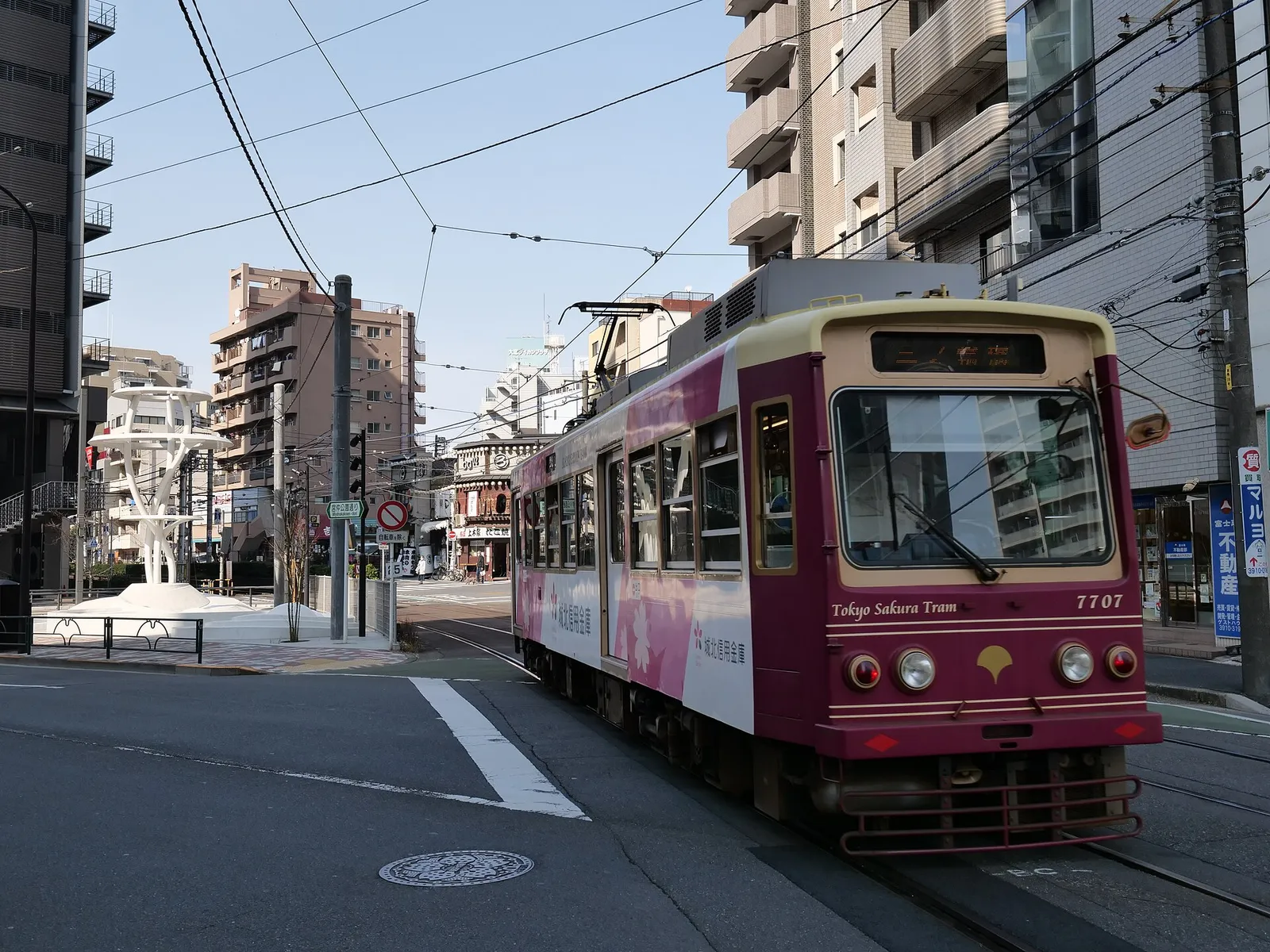
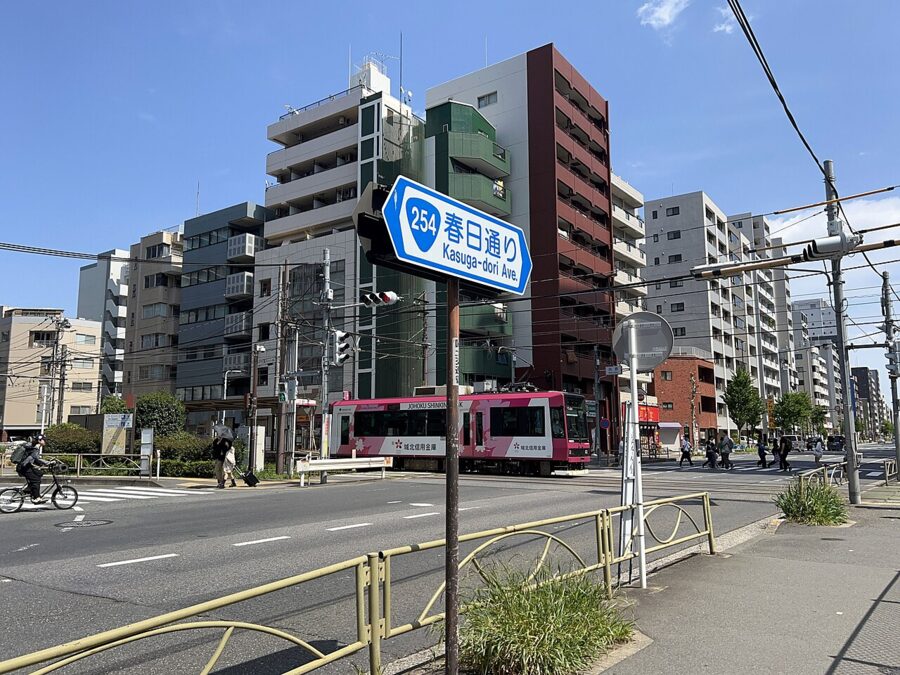
That is the Toden Arakawa Line (都電荒川線), branded since 2017 as the Tokyo Sakura Tram: the last working piece of a street tramway that once ran some forty routes across the city. It covers 12.2 km from Minowabashi in the north-east to Waseda in the west, has thirty stops, and takes 56 minutes end to end at an average of 13.1 km/h. Every ride costs the same ¥170 (about US$1.10).
Nobody rides it to save time. You ride it because it runs behind the city most visitors see, through wards of small houses, workshops and covered shopping streets, and because a ¥400 (about US$2.60) day pass lets you get off whenever something looks worth a look. Start at Minowabashi, get off four or five times, and finish at Waseda before dusk.


Forty routes down to one
The line began as a private venture. The Oji Electric Tramway opened its first stretch, between Otsuka and Asukayama, in August 1911, and reached Minowa in April 1913. In 1942 wartime consolidation handed the trams to the city’s electric bureau, the body that became Toei, which today also runs four subway lines, the buses and the Nippori-Toneri Liner.
From 1967 the city closed its tram routes one after another, and by November 1972 almost all were gone. Two survived: route 27 from Minowabashi to Akabane and route 32 from Arakawa-shakomae to Waseda. About nine-tenths of their track ran on its own reservation, and the parallel road was too congested for a replacement bus to keep time. Only the Oji-ekimae to Akabane section, down the middle of Kita-hondori, was closed.
In 1974 the city decided to keep the rest, and on 1 October that year the two routes became one service named the Arakawa Line. Conductors went in 1977 and 1978; the two-stroke bell before each departure replaced their signal. Everywhere else, how Tokyo lost its trams came down to cars, buses and the new subway lines taking the streets.
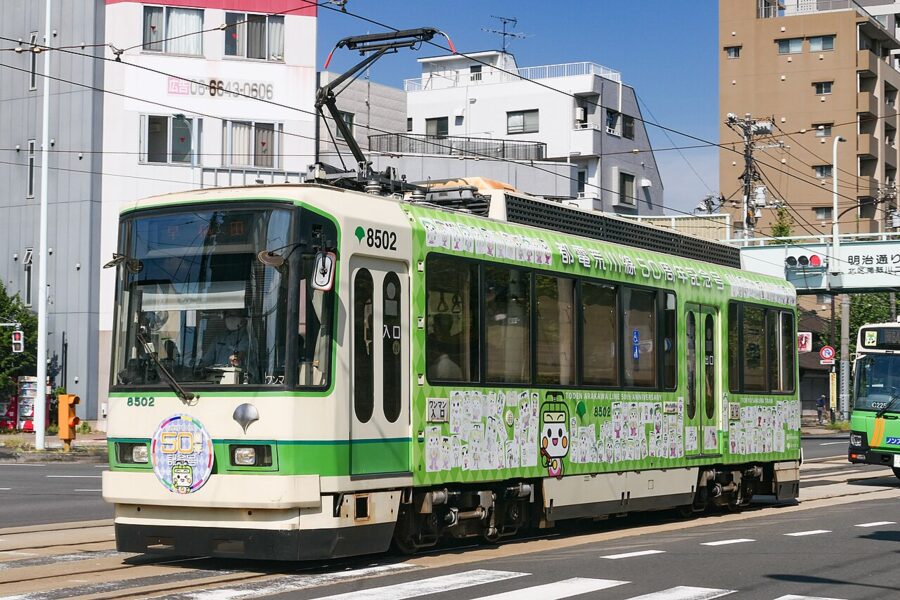
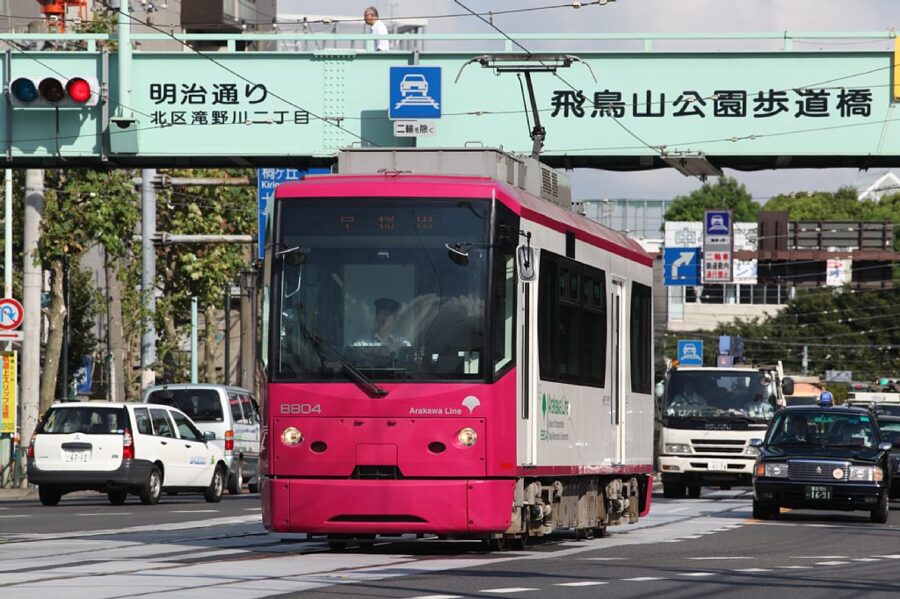
What you ride now is 10.5 km of reserved track and 1.7 km of street, most of it kerbed off from cars. Only the climb up Meiji-dori from Oji-ekimae to Asukayama truly mixes with traffic. Gauge is 1,372 mm, top speed 40 km/h, and the stops are numbered SA01 at Minowabashi to SA30 at Waseda.
Fares and the one-day pass (as of 2026)
There is one flat fare for any distance: ¥170 in cash or ¥168 by IC card for adults, ¥90 cash or ¥84 IC for children aged 6 to 11. There are no tickets. You pay as you board, and the fare machine takes coins and ¥1,000 notes only. Get off and on again, even to change from a short working to a through car, and you pay again.
That is why the Toden one-day pass matters. It costs ¥400, or ¥200 for a child, and pays for itself on the third ride.
| Ticket (as of November 2026) | Adult | Where to buy | Notes |
|---|---|---|---|
| Single ride | ¥170 cash, ¥168 IC | On board | No transfers |
| One-day pass, paper | ¥400 | On board (cash only), Minowabashi Omoidekan, Arakawa depot office | Show the date side each time |
| One-day pass, IC | ¥400 | On board only, onto PASMO or Suica | Same day only |
| One-day pass, digital | ¥400 | RYDE PASS app, before boarding | Card, Apple Pay, Google Pay or PayPay; up to eight at once |
| Toei Marugoto Kippu | ¥700 | On board (cash), Toei subway machines | Adds Toei subway, buses and Nippori-Toneri Liner |
The IC version is the least fuss: ask the driver for the one-day pass, touch your card, and from then on touch in like any other rider. It works only on PASMO or Suica, mobile versions included. The paper and digital passes each bring discounts at shops and sights along the line on the day, though the two lists differ.
The Toei Marugoto Kippu at ¥700 (about US$4.50) pays only if you also ride Toei buses or the Mita, Oedo, Shinjuku or Asakusa lines that day; advance sales ended on 30 September 2026. The tram is not covered by the Japan Rail Pass or by the Tokyo Subway Ticket, which is valid only on the Tokyo subway.
Boarding: in at the front, out at the back
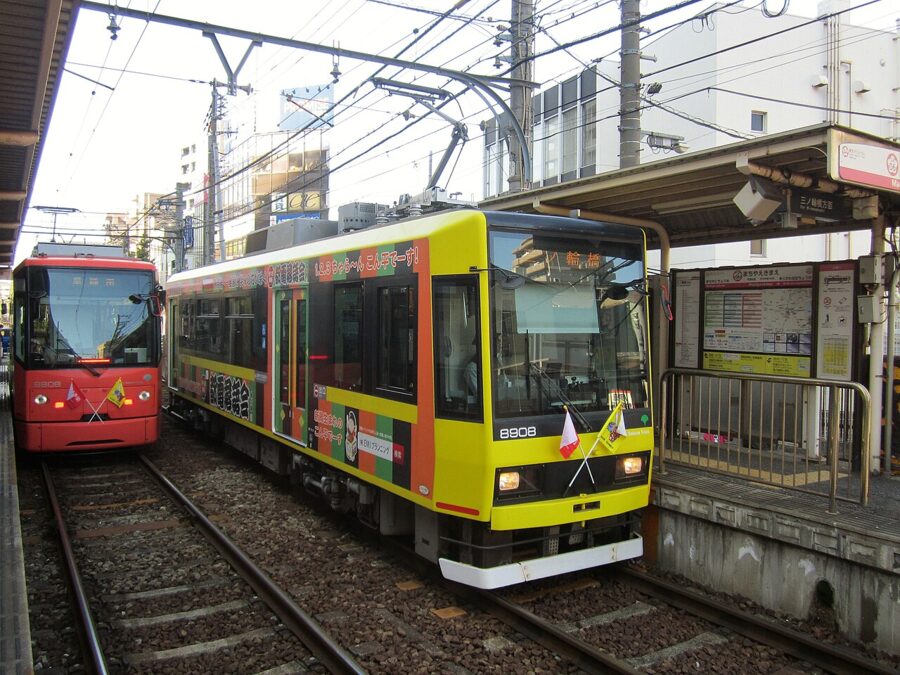
Check the destination board, because some cars turn back at Arakawa-shakomae, Oji-ekimae, Machiya-ekimae or Otsuka-ekimae. Board at the front, beside the driver, and pay or touch your card; if you are paying a child fare or for two people on one card, say so first. Press the stop button in good time and leave by the rear door. Usual train etiquette applies: phone on silent, no calls.
Luggage is limited to two pieces of up to 250 cm in combined dimensions and 30 kg each, and a big case may be refused when the car is full. Every stop has a ramp and every car a wheelchair space.
Cars run every three to five minutes at rush hour and every six to seven through the day. On weekdays the first through car leaves Minowabashi at 05:48 and the last at 22:11; from Waseda the first leaves at 06:00 and the last through car at 22:19, by the timetable Toei posts for each stop. Later cars run only part way.
The stops worth getting off at
The stops run east to west, the direction I would ride it, so the day ends near Waseda.
Minowabashi (三ノ輪橋, SA01)
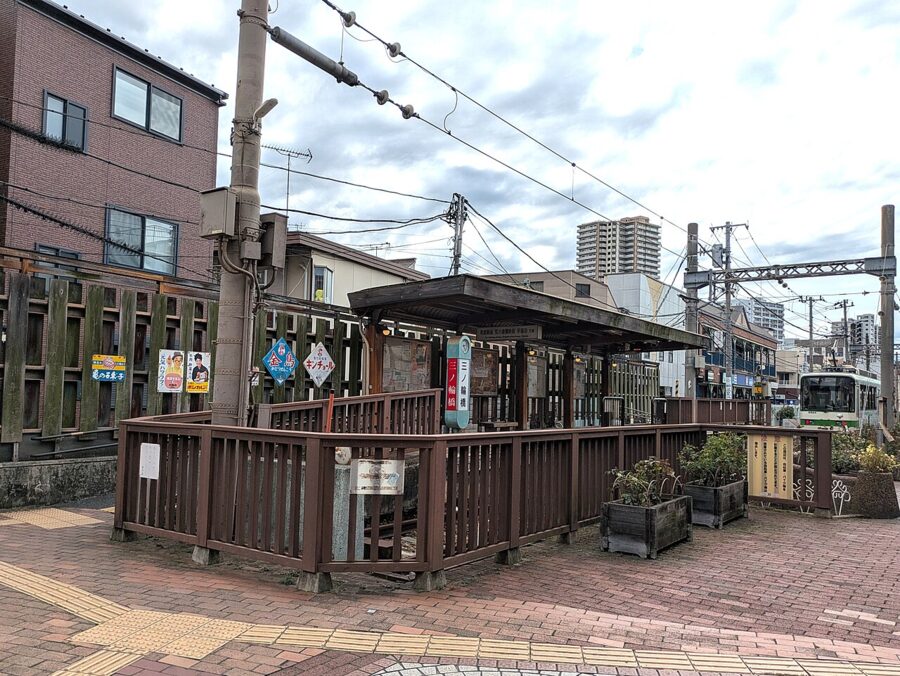
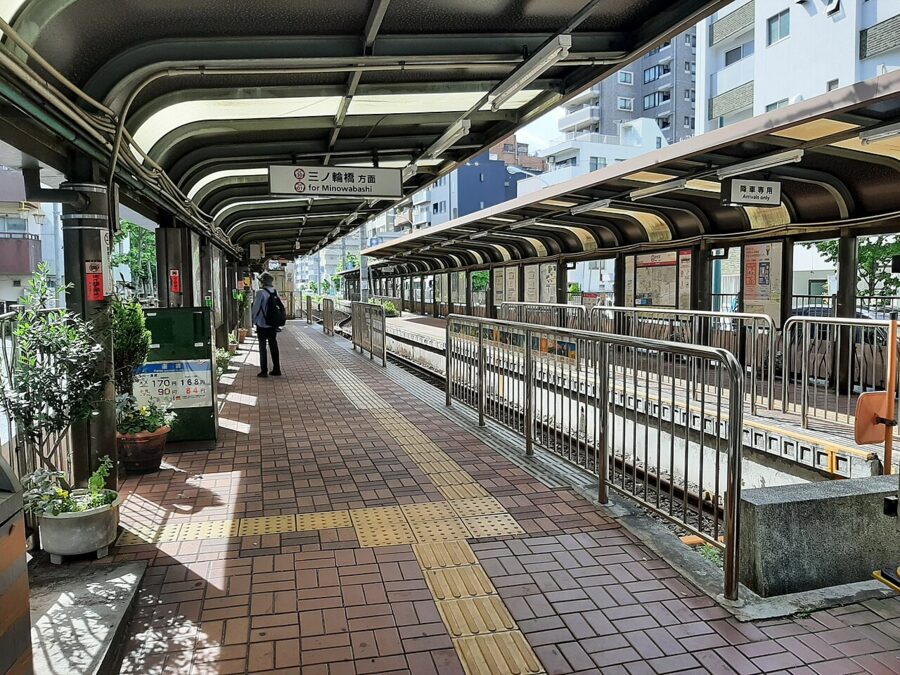
The terminus is a few minutes’ walk north of Minowa Station on the Tokyo Metro Hibiya Line (H 20), up Nikko-kaido and under the JR Joban Line. The way in is a passage through an old office block that was the Oji Electric Tramway’s head office. Beyond it is a stop with a wooden canopy, a clock tower and old enamel advertising signs.
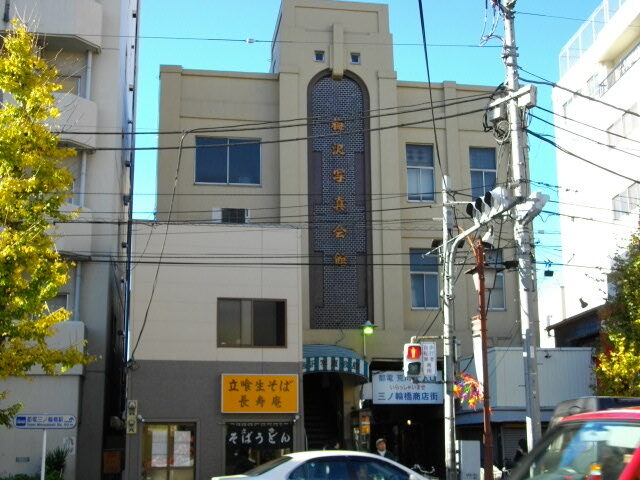
Next door, the Minowabashi Omoidekan is Toei’s information office for the line, open 10:00 to 18:00 and closed on Tuesdays and Wednesdays unless they are holidays. It sells paper day passes, valid on any one day within six months, and tram souvenirs, and keeps a diorama of the line.

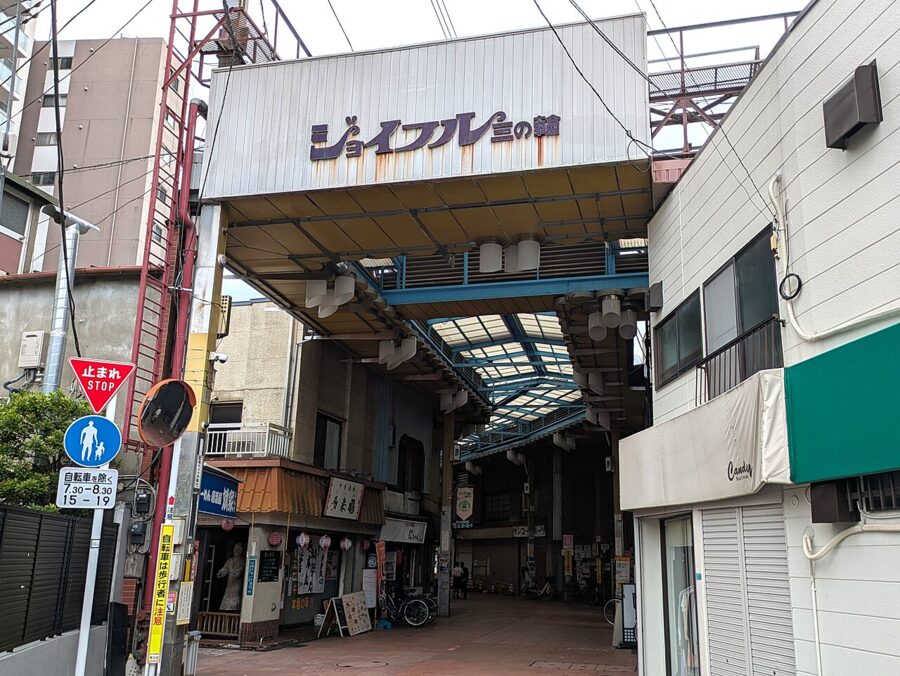
Beside the platform starts Joyful Minowa (ジョイフル三の輪), a covered shopping street of butchers, greengrocers, dried-fish sellers and bakers. It is a neighbourhood market rather than a sight, which is the point. Walk to the far end and back and you have seen the kind of street the tram was built to serve; eat what you buy before boarding, as Toei asks riders not to eat on the tram.

Arakawa-nanachome (荒川七丁目, SA05)
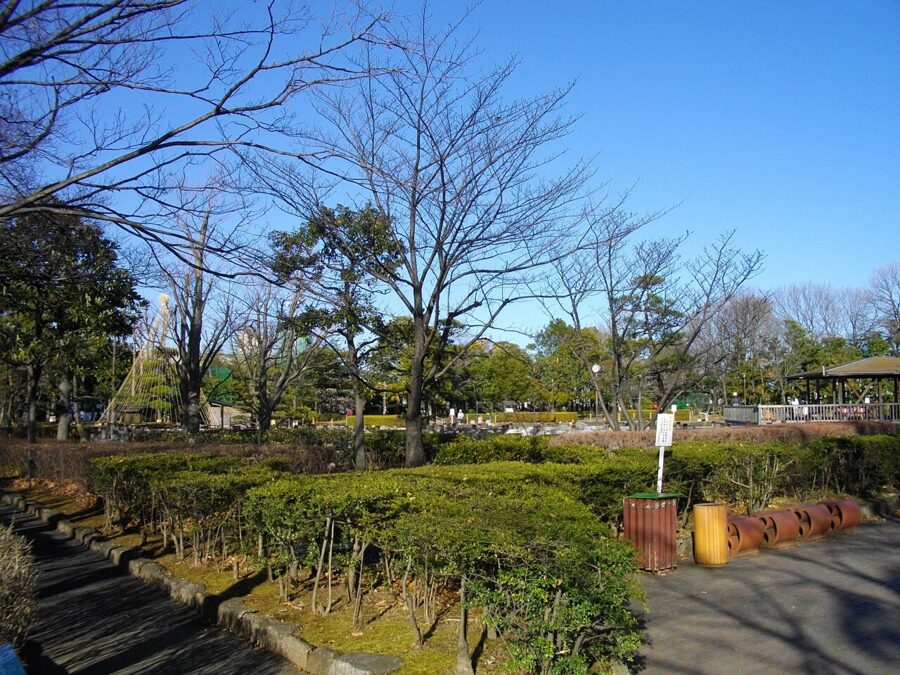
Here the line runs along Arakawa Nature Park, a ward park of ponds, lawns and cherry trees laid out on the roof of the Mikawashima water reclamation centre, Japan’s first large-scale sewage works. Get off here or one stop earlier at Arakawa-nichome, whose platform is lined with cherry trees. The park closes on the first and third Thursdays of each month.
Next comes Machiya-ekimae, the change for the Keisei main line and the Chiyoda Line, where a rose market is held each May. At Kumanomae the line meets the Nippori-Toneri Liner, and from there to Odai it runs on kerbed track down the middle of a street.

Arakawa-yuenchimae (荒川遊園地前, SA12)
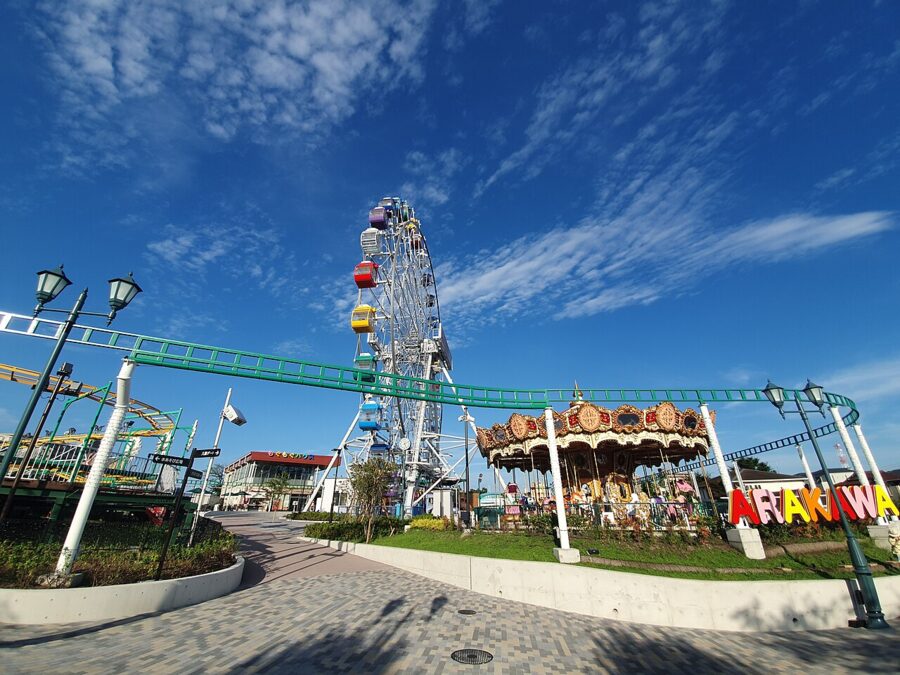
Arakawa Yuen is the ward’s small amusement park by the Sumida River, the only public one in Tokyo, a short walk north of the stop. It reopened in 2022 after a rebuild and is aimed at young children: a ferris wheel, a gentle coaster, a carousel, ponies and a fishing pond. Admission is ¥800 (about US$5.20) for adults, or ¥1,800 with unlimited rides, as of 2026.
It opens 09:00 to 17:00 (20:00 on night-opening days) and closes on Tuesdays, or Wednesday after a Tuesday holiday, except in school holidays. Without children, the ferris wheel is the reason to go, for the view over the Sumida.
Arakawa-shakomae (荒川車庫前, SA13)
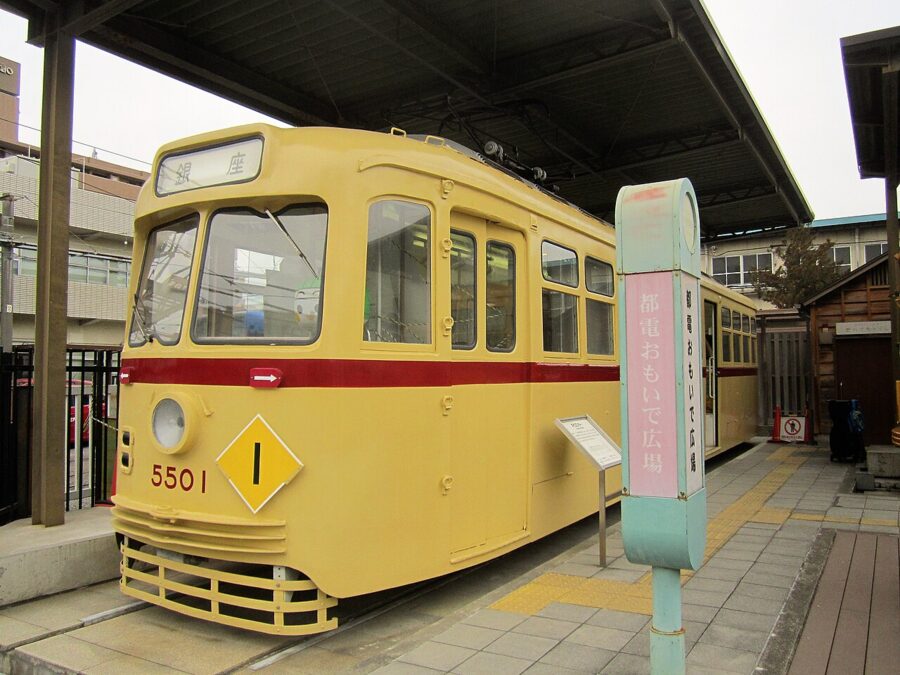
The next stop is the depot. Beside it, Toden Omoide Hiroba displays two retired cars on a mock platform, free, from 10:00 to 16:00 on Saturdays, Sundays and holidays. Car 5501 is a 1954 PCC-type car built with American technology for route 1 between Shinagawa and Ueno; 7504 dates from 1962 and ended its career on the morning school run.
Toei is repainting both, and from 21 November 2026 to 11 January 2027 they are under covers and cannot be seen from outside. The display inside 5501, a mock cab and a diorama of the 1950s city, stays open on opening days.

Oji-ekimae and Asukayama (王子駅前, 飛鳥山, SA16 and SA17)
Oji-ekimae connects with the JR Keihin-Tohoku Line and the Namboku Line and, with Otsuka-ekimae, is one of the two busiest stops. Leaving it, the tram turns onto Meiji-dori, passes under the JR viaduct and climbs the hill in the traffic. Sit on the left heading west for the park.
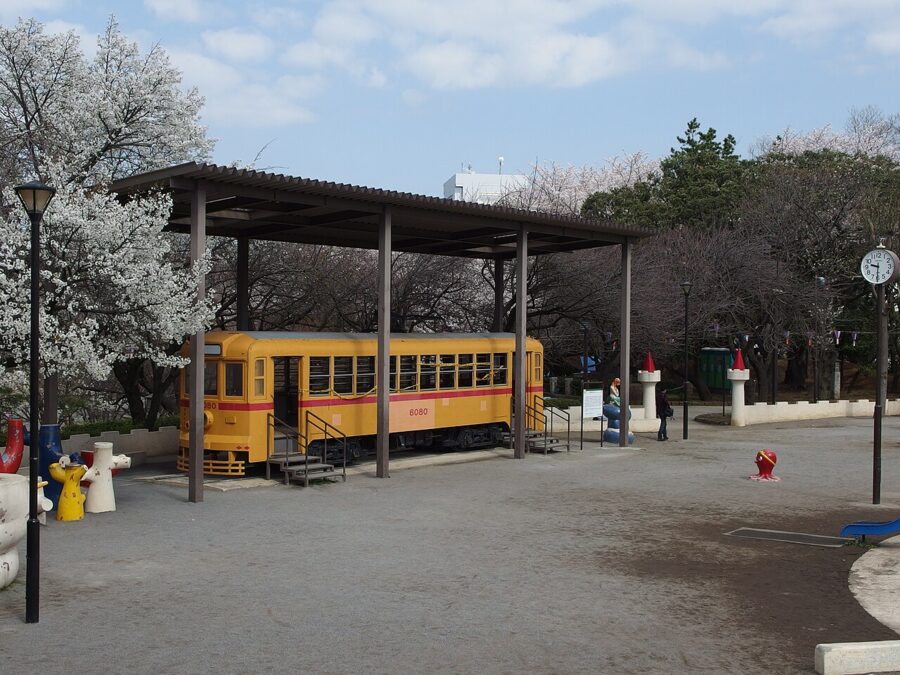
Asukayama Park is one of Tokyo’s oldest cherry-viewing grounds: the shogun Tokugawa Yoshimune had 1,270 trees planted here in 1720 and 1721 and opened the hill to the townspeople. Kita ward counts about 600 to 650 cherry trees today. The park also holds three museums, the Kita City Asukayama Museum, the Shibusawa Memorial Museum and the Paper Museum. On show in the park are a D51 steam locomotive and Toden car 6080, which ran past the park until 1978; you can sit inside the tram from 09:00 to 16:30.

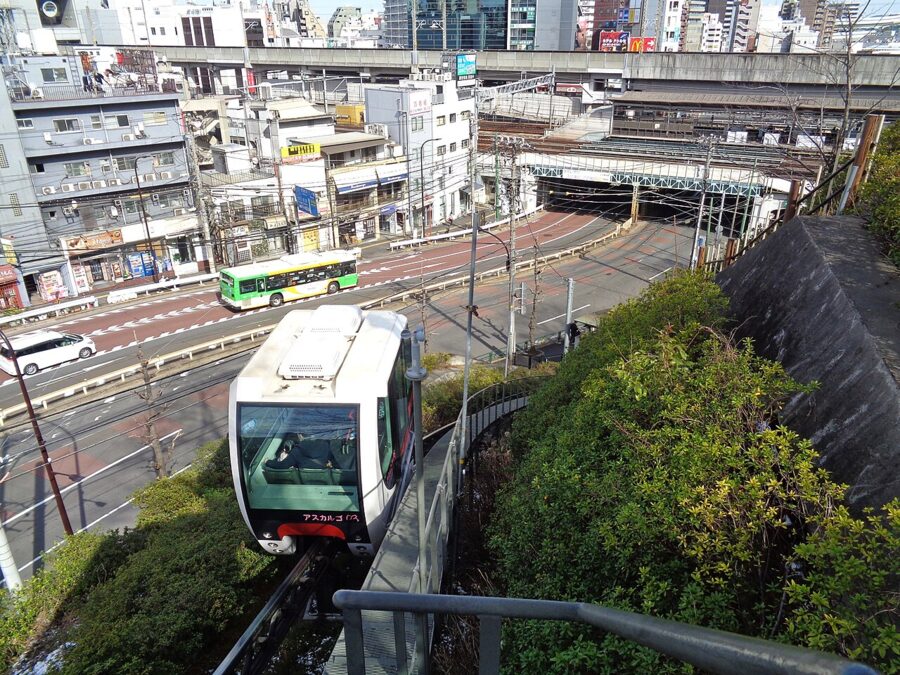
From the park gate by Oji Station, the Asukarugo slope car climbs 17.4 m on a 48 m rail to the top in about two minutes. It is free and runs 10:00 to 16:00, except on the morning of the first Thursday of each month (the third in April), all day on the first Thursday of July, and over New Year. From inside you look down on the tram climbing Meiji-dori.

Koshinzuka and Otsuka-ekimae (庚申塚, 大塚駅前, SA21 and SA23)
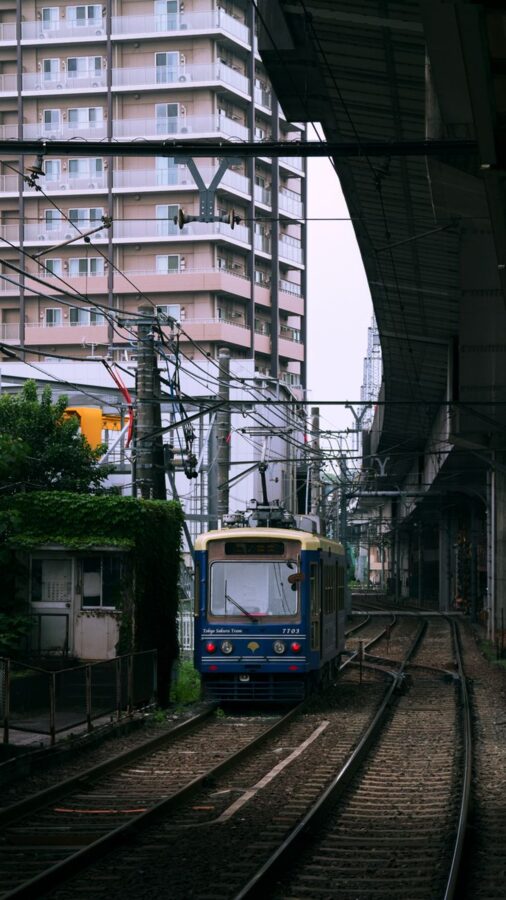
Koshinzuka sits at the northern end of Sugamo’s Jizo-dori, the shopping street of Togenuki Jizo temple, busiest on days of the month ending in 4. Shin-Koshinzuka, the stop before, is the change for Nishi-Sugamo on the Mita Line. Otsuka-ekimae lies under Otsuka Station on the Yamanote Line, the easiest place to join the tram from central Tokyo.
West of Otsuka the track climbs so steeply to Mukohara that drivers often stand to see over the crest in poor light. Volunteers tend the roses along this stretch.
Toden-zoshigaya and Zoshigaya Cemetery (都電雑司ヶ谷, SA26)
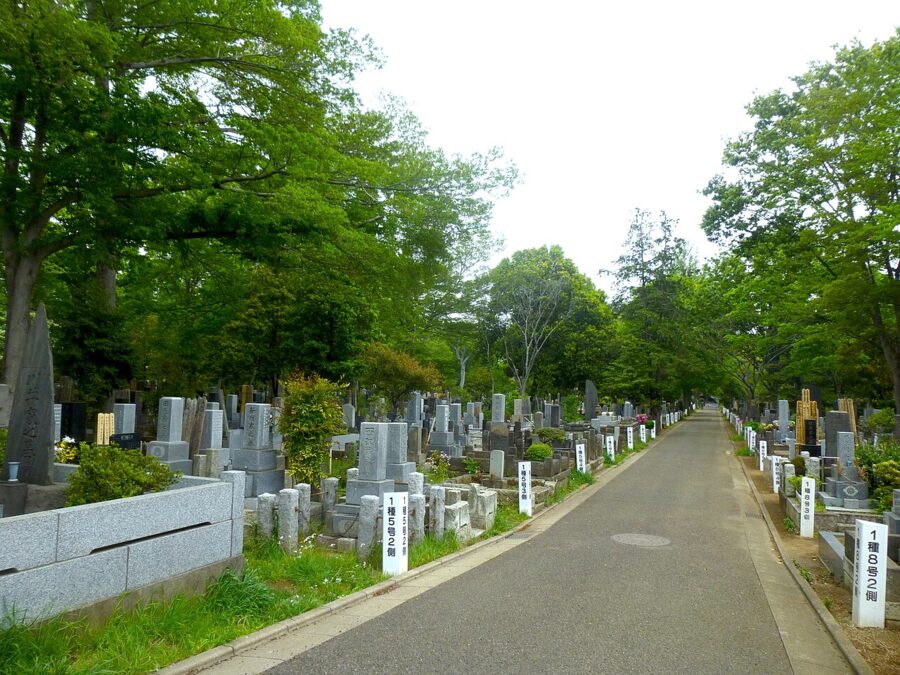
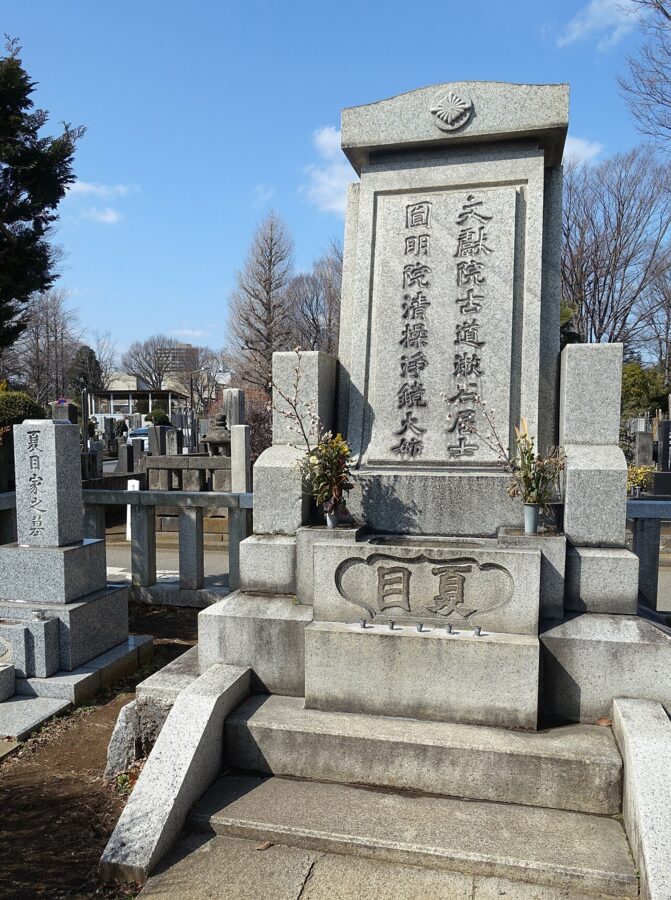
After Higashi-ikebukuro-yonchome, the change for the Yurakucho Line, comes Toden-zoshigaya on the edge of Zoshigaya Cemetery. Opened in 1874, it is a quiet wooded grid where the novelists Natsume Soseki and Nagai Kafu are buried, as are Lafcadio Hearn, under his Japanese name Koizumi Yakumo, and John Manjiro, the castaway who came home from America to interpret for the shogunate. Pick up the map at the management office.

Kishibojimmae (鬼子母神前, SA27)
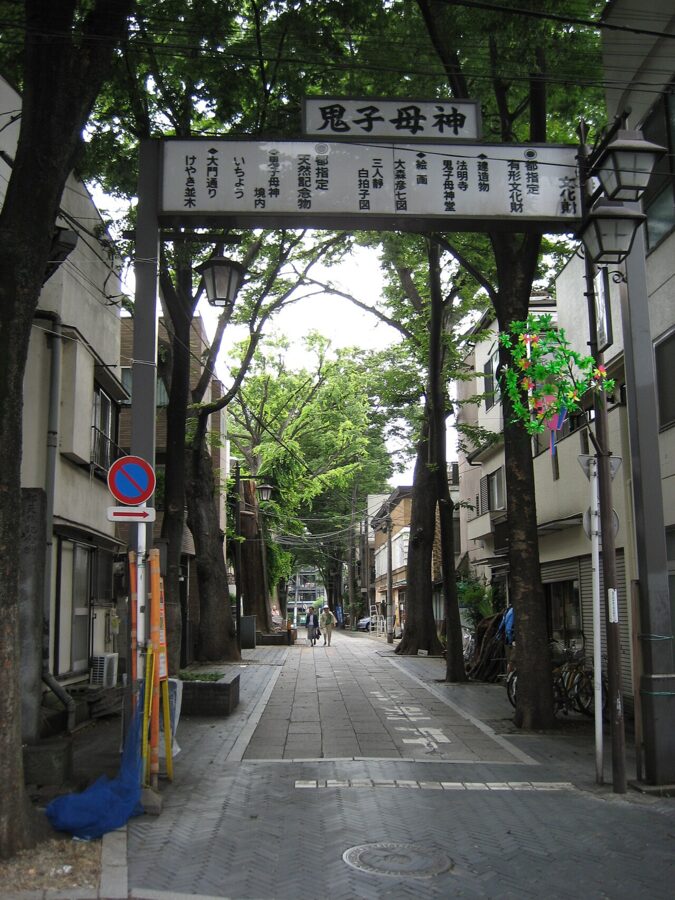
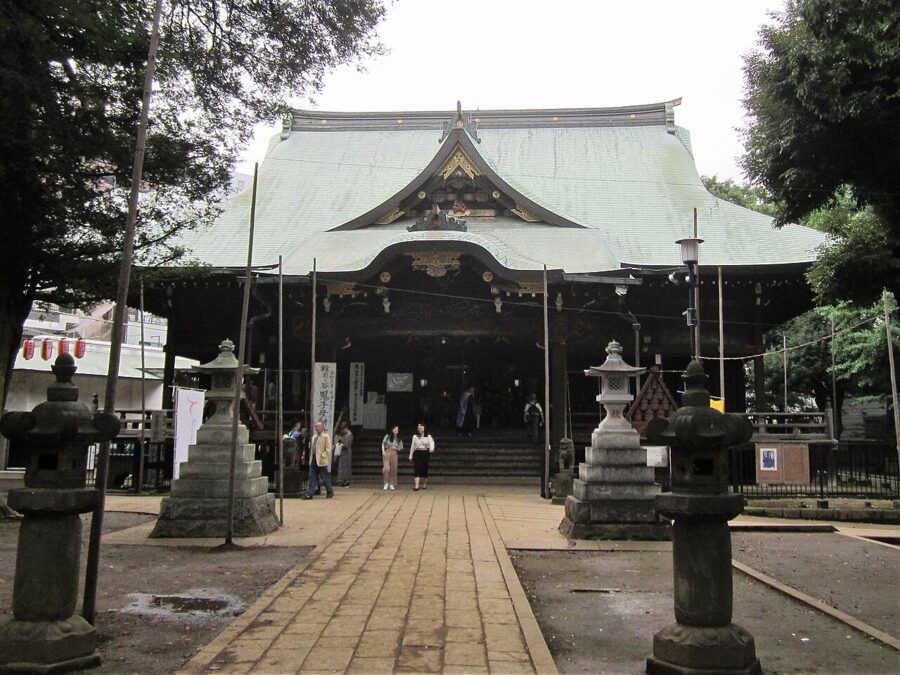
The next stop is the change for Zoshigaya Station on the Fukutoshin Line (F 10). A short walk away, down a paved approach under zelkova trees, is Zoshigaya Kishimojin-do, a hall of the temple Homyo-ji dedicated to Kishimojin, protector of children and childbirth. The hall was built in 1664, paid for by the wife of the second lord of Hiroshima, and became an Important Cultural Property in 2016.
Look at the sign above the approach. The temple writes 鬼 (demon) without the small top stroke that stands for a horn: a demon who has mended her ways, the story goes, has no horns. Of the eighteen great zelkovas on the approach in 1937, four remain.


Omokagebashi and Waseda (面影橋, 早稲田, SA29 and SA30)
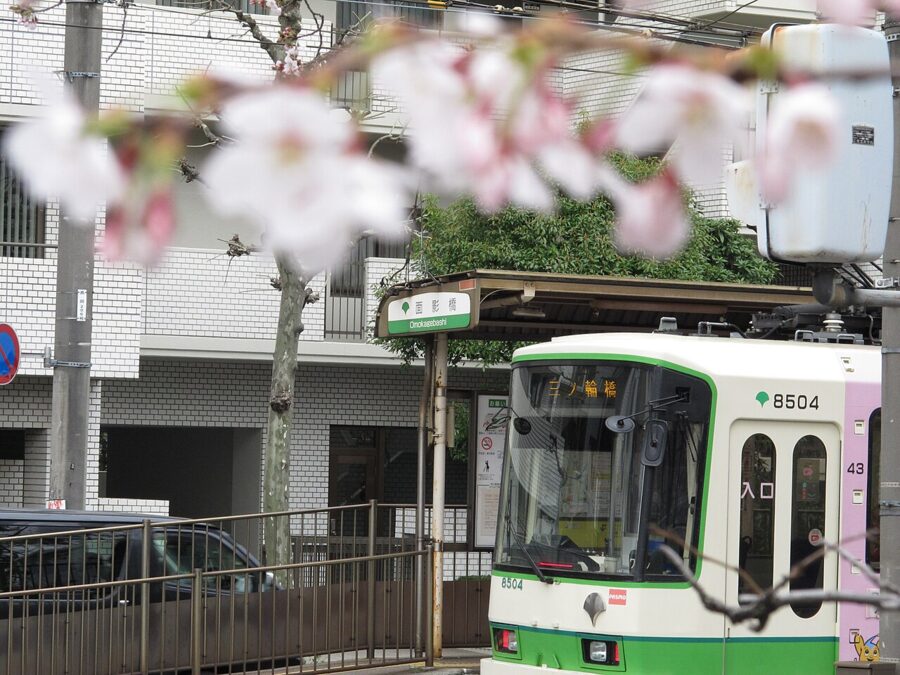
The last stretch drops past Gakushuin-shita to the Kanda River, whose banks at Omokagebashi are lined with cherry trees. Waseda, the terminus, sits in the middle of Shin-Mejiro-dori, a short walk from Waseda University and its Okuma garden. The Tozai Line’s Waseda Station is about 700 m south on foot and is not signed as an interchange.

The cars
Toei runs 33 cars of five types, and you get whichever turns up.
| Series | In service | Cars | How to spot it |
|---|---|---|---|
| 7700 | 2016 | 8 | Rebuilt 7000-series bodies; green, blue or maroon |
| 8500 | 1990 | 5 | Green and white; 8501 rebuilt in 2026 in yellow-orange |
| 8800 | 2009 | 10 | Rounded front, white sides; rose red, violet, orange or yellow |
| 8900 | 2015 | 8 | Based on the 8800; orange, blue, rose red or yellow |
| 9000 | 2007 | 2 | Retro: cream over maroon (9001) or blue (9002) |
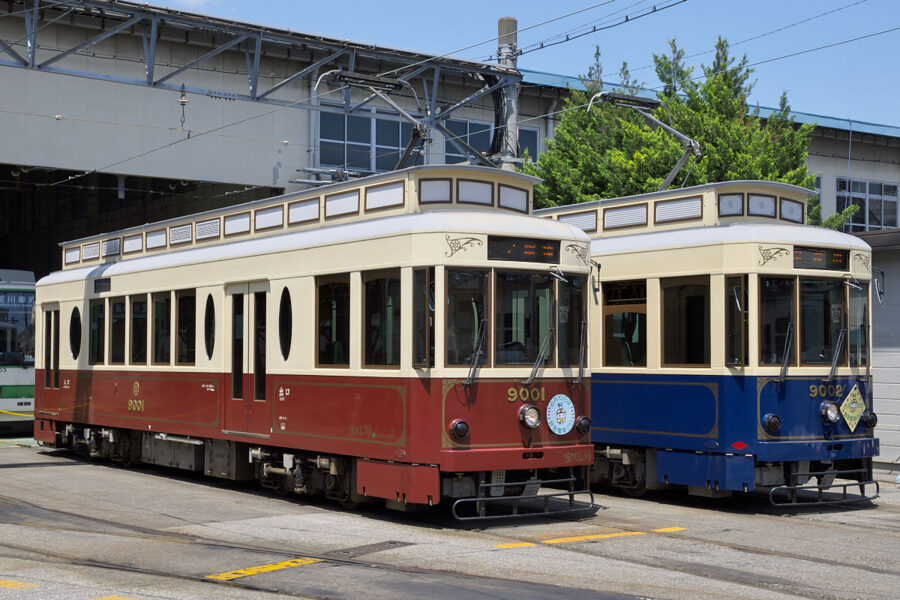
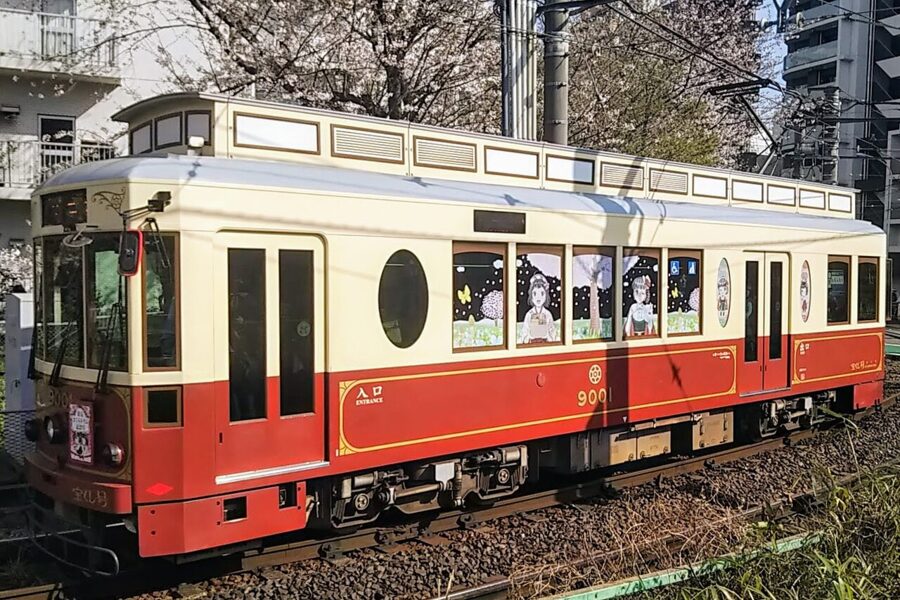
The two 9000-series cars are the ones people wait for. Built in 2007 and the following year to look like the Tokyo City trams of around 1930, they have a false clerestory roof, round windows by the doors, wood-grain walls, brass handrails and green patterned seats. Car 9001 was paid for with a grant from the national lottery association and carries the name Takarakuji-go.

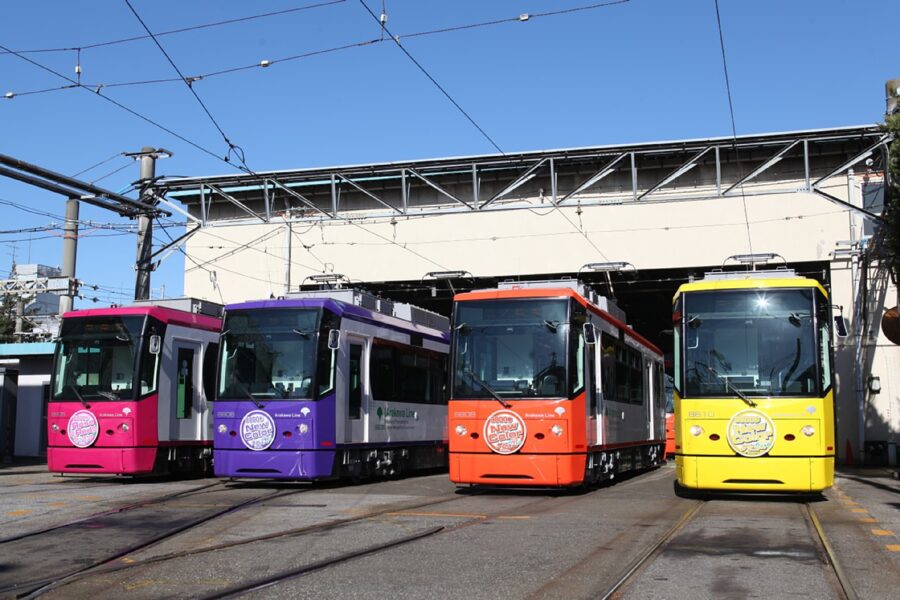
The 8800s of 2009 and 2010 have a rounded front chosen by public vote from three designs. Five are rose red, after the roses along the line; the rest are violet, orange and, on 8810 alone, yellow, and riders say spotting it brings luck. The 8900s of 2015 and 2016 replaced the old 7000s.

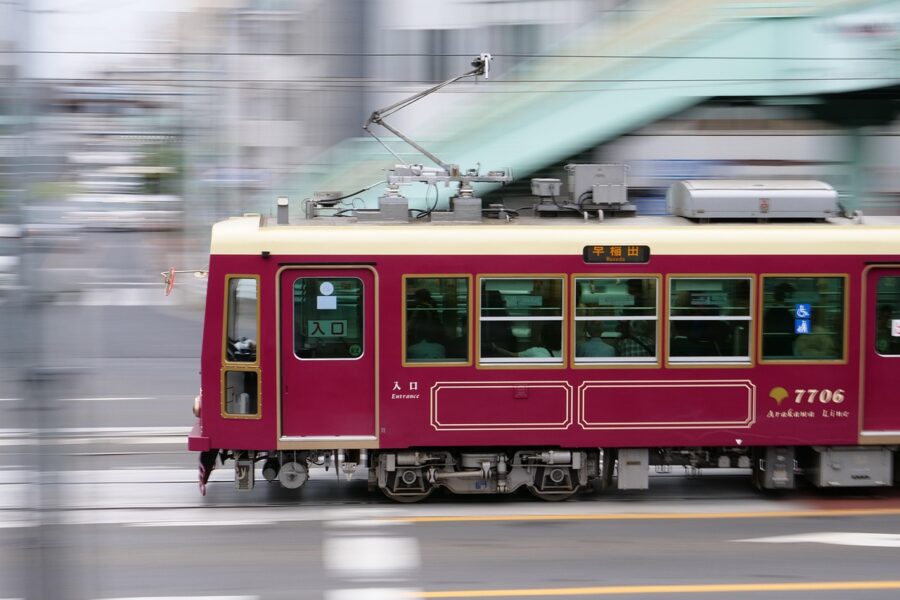
The 7700s are the thrifty idea. Rather than build more 8900s, Toei gave eight 7000-series bodies the 8900’s bogies and modern VVVF control, and painted them in a classic-modern scheme thought up by young Toei staff. The last unrebuilt 7000 ran in June 2017.
The 8500 of 1990 was Toei’s first new tram in 28 years. On 16 April 2026 car 8501 returned to service after a makeover by Eiji Mitooka, designer of JR Kyushu’s Seven Stars train. It is now a deep yellow-orange recalling the old Toden livery, with parquet floors, wooden benches and a cedar lattice screen at the driver’s end, partly paid for by crowdfunding.

Roses in May, cherry blossom in late March
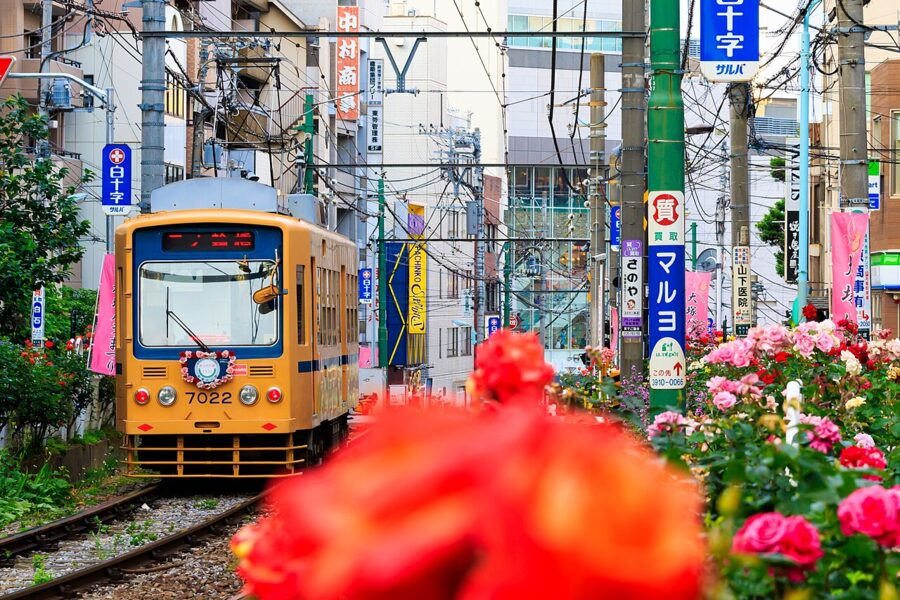
The nickname says cherry, but locals will tell you the line’s flower is the rose. Arakawa ward began planting roses beside the track in 1985 and now grows about 140 varieties along some 4 km. Toei lists three stretches: Minowabashi to Machiya-nichome, Arakawa-yuenchimae to Arakawa-shakomae, and Otsuka-ekimae to Mukohara, all tended by volunteers.
The ward gives the spring bloom as early to late May, with a thinner second flowering from mid-October to early November. The Arakawa rose market is held near Machiya Station in May, and Otsuka has its own rose festival by the tracks.


Cherry blossom usually peaks in the last days of March and the first of April. Asukayama is the big one; Kita ward held its cherry festival there on 28 and 29 March in 2026. Quieter spots are Arakawa-nichome, the Kanda River at Omokagebashi, the Otonashi water park by Oji, and Gakushuin-shita. On a blossom weekend Asukayama stop is packed, so go on a weekday morning or watch the park from the window.
An afternoon end to end
Allow four hours. Take the Hibiya Line to Minowa for about 13:00, spend half an hour in Joyful Minowa, then buy the IC day pass as you board at the terminus.
Ride to Arakawa-yuenchimae for the ferris wheel, or one stop further on a weekend for the depot. Then ride on to Asukayama and be at the Asukarugo before 16:00. Back on board, ride through Otsuka to Toden-zoshigaya for the cemetery, walk on to Kishimojin-do and rejoin at Kishibojimmae, then finish with the drop to the Kanda River and Waseda as the light goes.
That is four or five rides, ¥680 to ¥850 in cash, or ¥400 on the pass. Avoid the weekday rush. On a Tuesday or Wednesday the Omoidekan is shut, which does not matter: the pass is sold on board.
If you are staying near Ikebukuro, ride the other way and start at Higashi-ikebukuro-yonchome. Either way, touch in at the front, sit by a window, and listen for the bell at the first crossing.