
The official Japan Rail Pass site now asks for ¥50,000 (about US$315) before it asks where you are going. That is seven days in an ordinary car, bought online in November 2026. Buy the same pass from a travel agent abroad and it has cost ¥53,000 (about US$330) since 1 October.
Set that against the trip most people buy it for. A reserved seat on the Nozomi from Tokyo to Kyoto costs ¥14,170 (about US$90) each way as of 2026, so the return is ¥28,340, and the pass needs another ¥21,660 of JR travel in the same week before it saves a yen. Before October 2023 the same seven days cost ¥29,650 from an agent, which is barely more than that return costs today.
So the question is no longer whether you are going to Kyoto. It is how far beyond Kyoto you are going, how fast you want to get there, and whether all of it fits inside seven consecutive days. For most trips that start in Tokyo the answer is now separate tickets or a regional pass, and for a few long loops it is still the national pass.
目次Contents9
- What the pass is in 2026
- Prices now, and what they were before 2023
- What it covers, and what it doesn't
- The Nozomi and Mizuho ticket
- Buying it: the official site, an agent, or nowhere in Japan
- Collecting the pass, the ticket gates and seat reservations
- The break-even maths
- The regional passes that often win
- The decision rule

Everything here assumes a short-stay visitor starting from Tokyo. If you live in Japan you cannot use the national pass at all; skip to the regional passes.


What the pass is in 2026
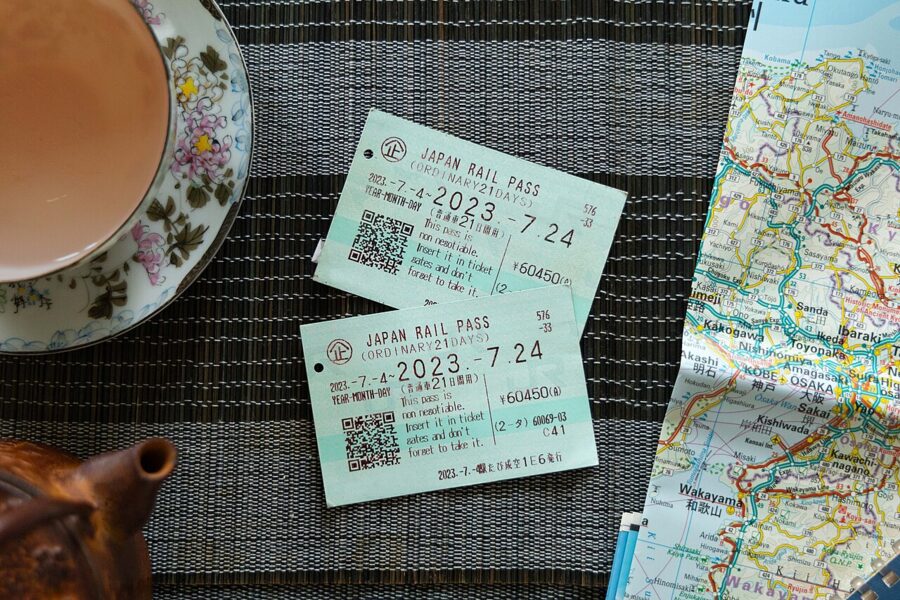
The Japan Rail Pass is a joint ticket of the six companies that replaced Japanese National Railways in 1987 (the JR group). It gives unlimited travel on their trains for 7, 14 or 21 consecutive days, in either ordinary cars or Green cars, the JR name for first class. Children aged 6 to 11 pay half.
Only two kinds of people can use it. The first is a foreign visitor who entered Japan as a “Temporary Visitor”, the status stamped or stickered into a passport at immigration for a sightseeing stay. The second is a Japanese national who can document ten or more consecutive years living abroad. Residents, students and anyone on a work visa are out.
The stamp is the step people miss. If you go through the automated immigration gates at Narita or Haneda you get no stamp, and without it the ticket office will not hand over a pass. The conditions of use tell you to use a staffed gate or ask an officer for the sticker, so do that before you reach the JR counter.
The price has now risen twice in three years. On 1 October 2023 it went up by about 70 per cent, and the JR group’s announcement of 9 April 2026 added another 5 to 6 per cent from 1 October 2026, citing the fare rises some JR companies have made since. The second rise applies only to agents: the official site kept its old prices “for a limited time”, and JR says it will announce the end of that freeze when it decides it.
Prices now, and what they were before 2023
Before October 2023 there were two prices, a cheaper one for an exchange order bought abroad and a dearer one for a pass bought at a station in Japan. From October 2023 there was one price everywhere. Since October 2026 there are two again, the other way round: the official website is the cheap channel, and a travel agent abroad is the dear one.
| Adult pass | Agent abroad, to Sept 2023 | Bought in Japan, to Sept 2023 | Oct 2023 to Sept 2026 | Official website, now | Agent abroad, now |
|---|---|---|---|---|---|
| Ordinary, 7 days | ¥29,650 | ¥33,610 | ¥50,000 | ¥50,000 | ¥53,000 |
| Ordinary, 14 days | ¥47,250 | ¥52,960 | ¥80,000 | ¥80,000 | ¥84,000 |
| Ordinary, 21 days | ¥60,450 | ¥66,200 | ¥100,000 | ¥100,000 | ¥105,000 |
| Green, 7 days | ¥39,600 | ¥44,810 | ¥70,000 | ¥70,000 | ¥74,000 |
| Green, 14 days | ¥64,120 | ¥72,310 | ¥110,000 | ¥110,000 | ¥116,000 |
| Green, 21 days | ¥83,390 | ¥91,670 | ¥140,000 | ¥140,000 | ¥147,000 |
Prices as of November 2026, from the official price list; the pre-2023 columns are from the Japan National Tourism Organization’s notice of the 2023 change. Child passes are half, rounded up at agents (¥27,000 for seven ordinary days).
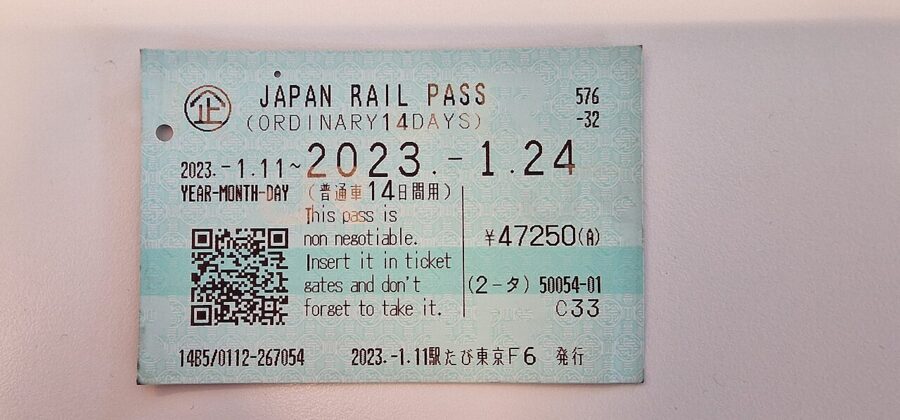

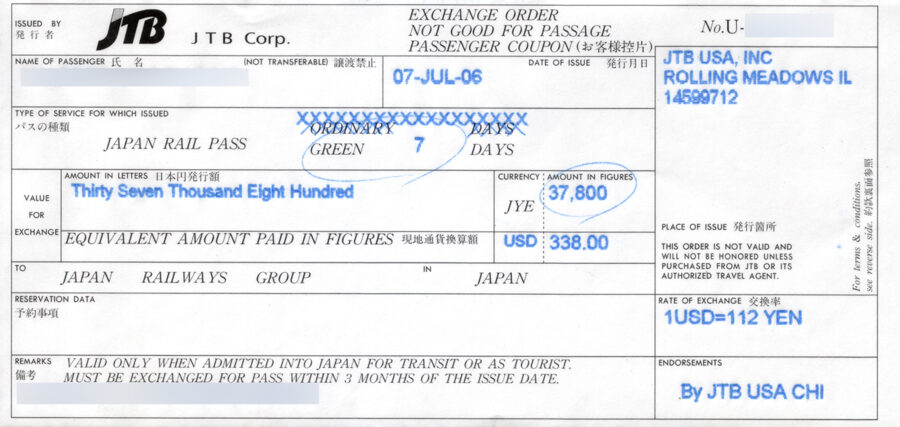
The agent price is set in yen and converted to your currency at the bankers’ selling rate on the day the exchange order is issued. So a weak yen helps you at the counter in Sydney or London, but it does nothing about the ¥3,000 gap with the official site.

What it covers, and what it doesn’t
Covered
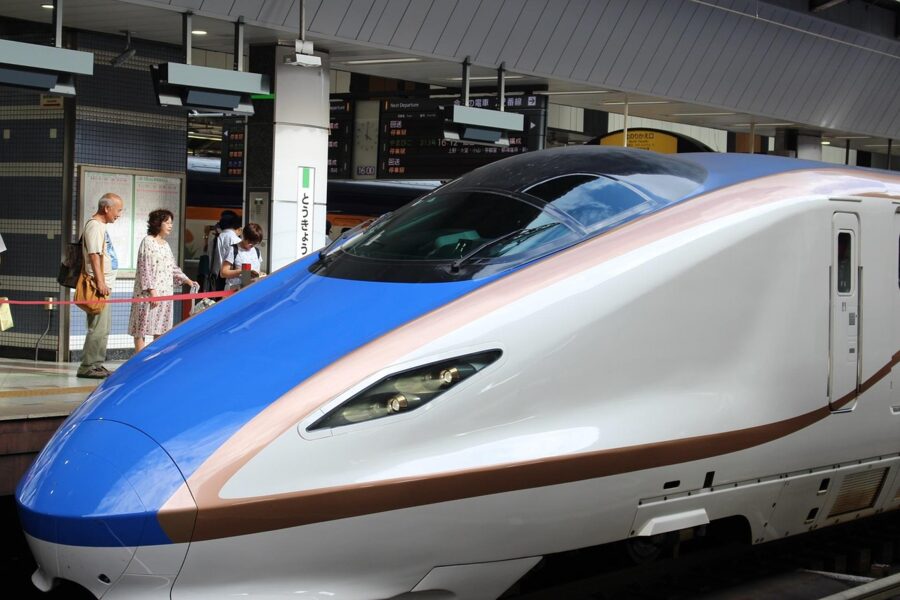
Every JR train, from the Hayabusa to Aomori to a two-car local in Shikoku, in the class you paid for. That means every Shinkansen service except the Nozomi and Mizuho: the Hikari and Kodama on the Tokaido, the Sakura and Kodama on the Sanyo, and everything JR East runs out of Tokyo Station. It also covers limited expresses, rapid and local trains, JR’s BRT bus lines, and seat reservations at no extra charge.
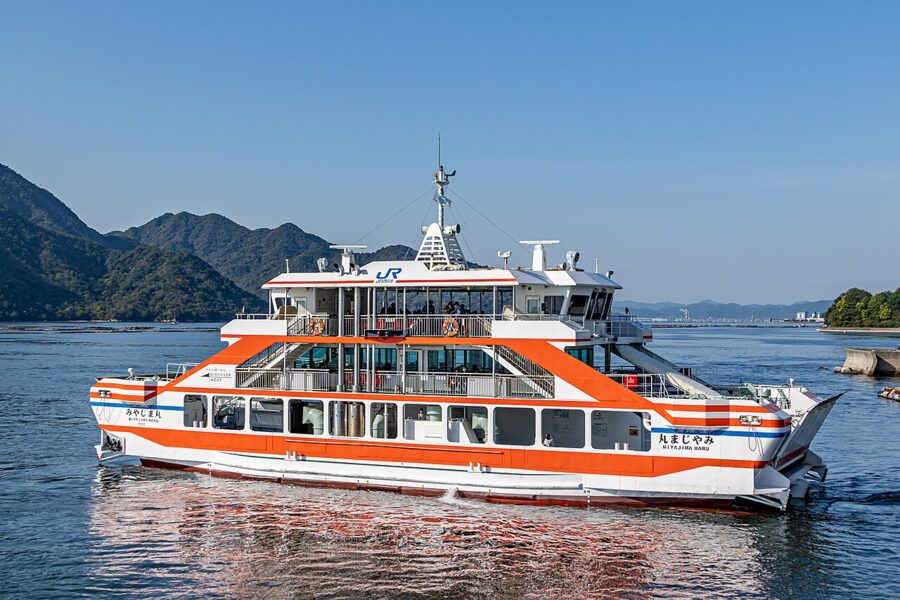
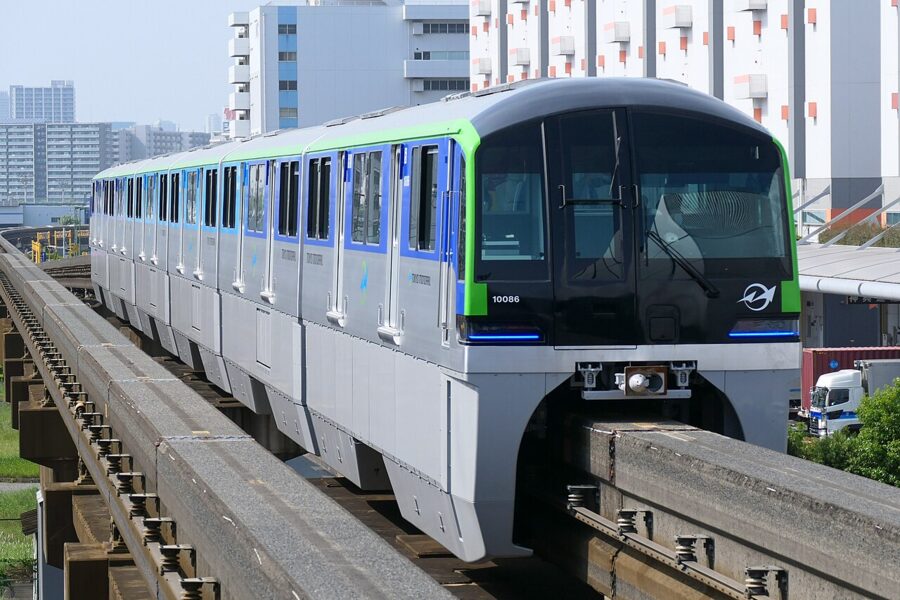
Off the rails, it covers local routes of the eight JR bus companies, but not their highway buses. It covers the JR West ferry from Miyajimaguchi to Miyajima, though not the ¥100 Miyajima Visitor Tax collected on the island crossing. And yes, it still covers the Tokyo Monorail between Hamamatsucho and Haneda Airport, a separate company’s line that the pass includes.

A few short stretches of non-JR line are covered so that you can reach isolated JR branches, as long as you only pass through: the Aoimori Railway between Aomori, Noheji and Hachinohe, the IR Ishikawa Railway between Kanazawa and Tsubata, the Ainokaze Toyama Railway between Toyama and Takaoka, and the Hapi-Line Fukui between Fukui and Echizen-Hanando. Get off at an intermediate station on any of them and you pay the fare.

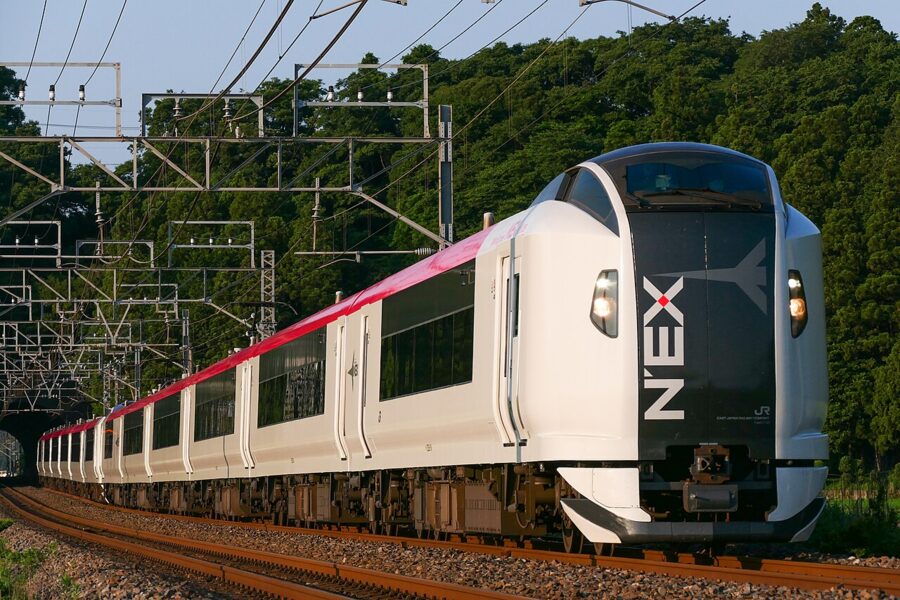
At the other airport, the Narita Express is a JR East limited express and fully covered, reserved seat included. That makes it the pass holder’s obvious way in from Narita; the Keisei Skyliner is not covered. The airport fare comes back in the worked examples.

Not covered
The Nozomi and Mizuho on the Tokaido, Sanyo and Kyushu Shinkansen, in any seat, reserved or not, unless you buy the separate ticket described in the next section. Then everything that is not JR, which in Tokyo is a great deal: the subway, meaning all of Tokyo Metro and Toei, and the private railways that carry most people to the day-trip destinations. For those, a Suica or Pasmo card is the ticket, pass or no pass.
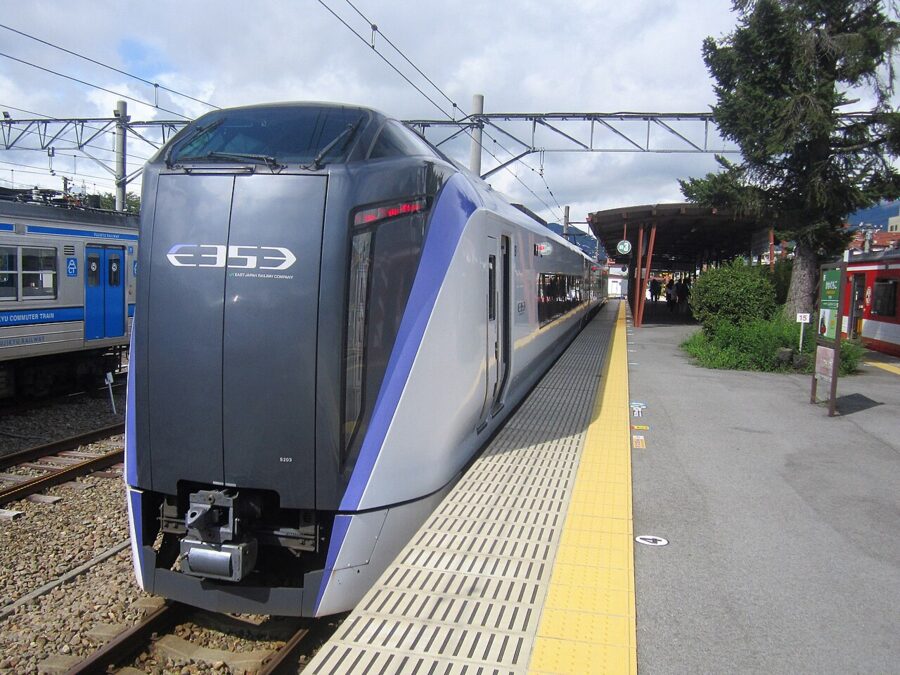
The traps are the JR trains that run onto private track. The Fuji Excursion from Shinjuku is a JR East train, but beyond Otsuki it runs on the Fujikyu Railway, and you pay that section to Kawaguchiko. The Odoriko pays Izukyu fares beyond Ito, the limited expresses to Nikko and Kinugawa Onsen pay Tobu fares beyond Kurihashi, and the conductor will ask.

Hakone is the classic case. The pass takes you to Odawara by Shinkansen or Odoriko, and from there the Hakone Tozan Railway, the buses and the ropeway are all someone else’s. Nikko is the reverse case: Tobu‘s trains from Asakusa are not covered, but the all-JR route by Shinkansen to Utsunomiya and the Nikko Line is, end to end.

Gran Class, private compartments, sleepers, Green cars on an ordinary pass, the Shinkansen TRAIN DESK and S Work cars and liner-ticket trains all cost extra. A lost pass is not replaced.
The Nozomi and Mizuho ticket
Until October 2023 the Nozomi was simply off limits. Now a pass holder can buy the NOZOMI MIZUHO Ticket, one per train, at a reserved-seat machine or ticket office in Japan, from a month before the day of travel. The price depends only on distance, not on the seat.
| Section (as of 2026) | Nozomi/Mizuho ticket | Hikari instead |
|---|---|---|
| Tokyo to Nagoya | ¥4,180 | Free with the pass |
| Tokyo to Kyoto | ¥4,960 | Free, about 25 minutes slower |
| Tokyo to Shin-Osaka | ¥4,960 | Free, about 25 minutes slower |
| Tokyo to Hiroshima | ¥6,500 | Free with a change, 45 minutes or more slower |
| Tokyo to Hakata | ¥8,140 | Free with a change |
| Shin-Osaka to Hakata | ¥4,960 | Free by Hikari or Sakura |
| Hakata to Kagoshima-Chuo | ¥5,150 | Free by Sakura or Tsubame |
Look at the Tokyo to Shin-Osaka figure. ¥4,960 is exactly what anyone without a pass pays as the non-reserved limited express charge on that run, so a pass holder on the Nozomi is paying the express part of the fare twice over. The ticket covers a reserved seat, a non-reserved seat or, for Green pass holders only, a Green car seat, at the same price.
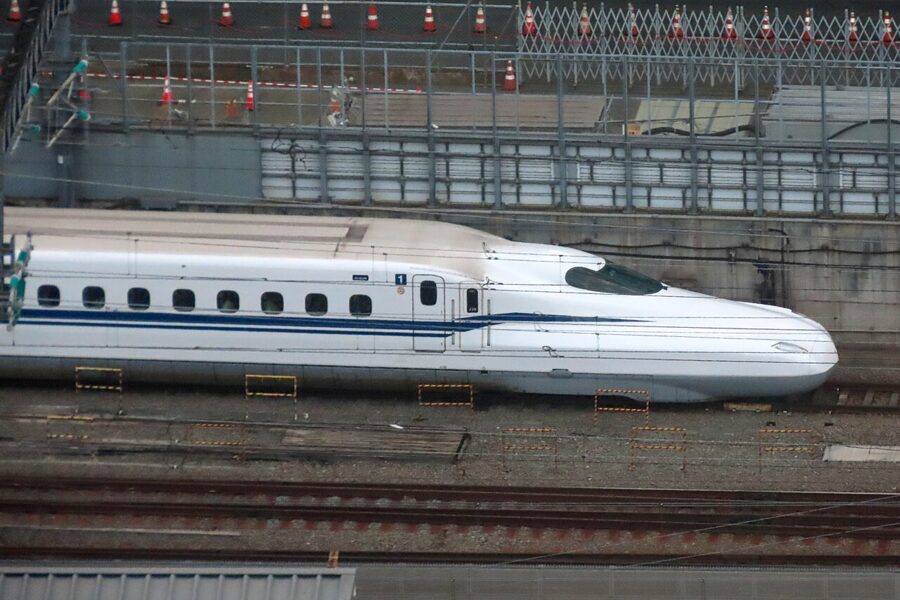

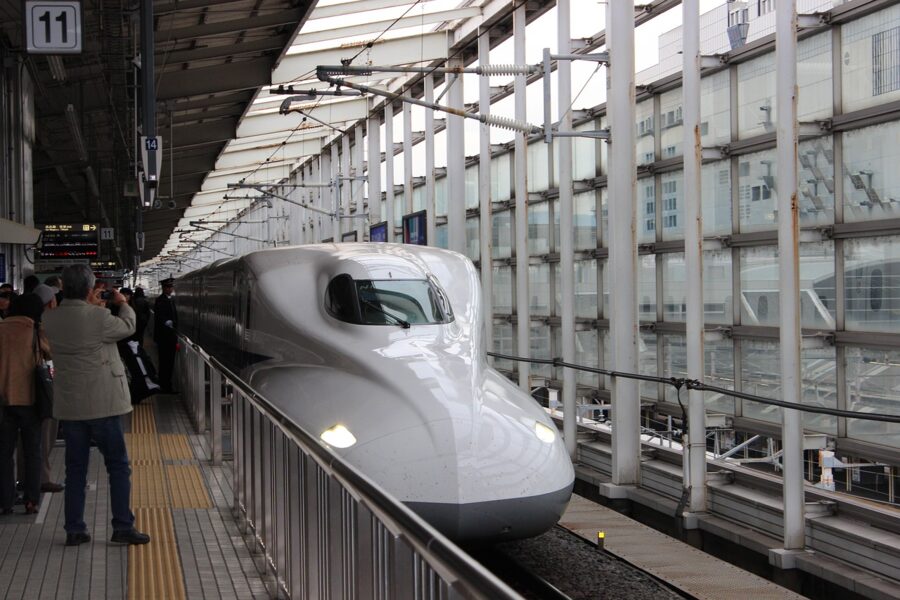
The time you save is real but small. The Hikari 639, for example, leaves Tokyo at 10:33 and reaches Kyoto at 13:12, two hours 39 minutes, where a Nozomi takes two hours 15. To Hiroshima the difference grows, because you change at Shin-Osaka: a Nozomi does Tokyo to Hiroshima in three hours 50 to four hours, while a Hikari to Shin-Osaka and a Sakura on to Hiroshima take four and a half to five, depending on the connection.
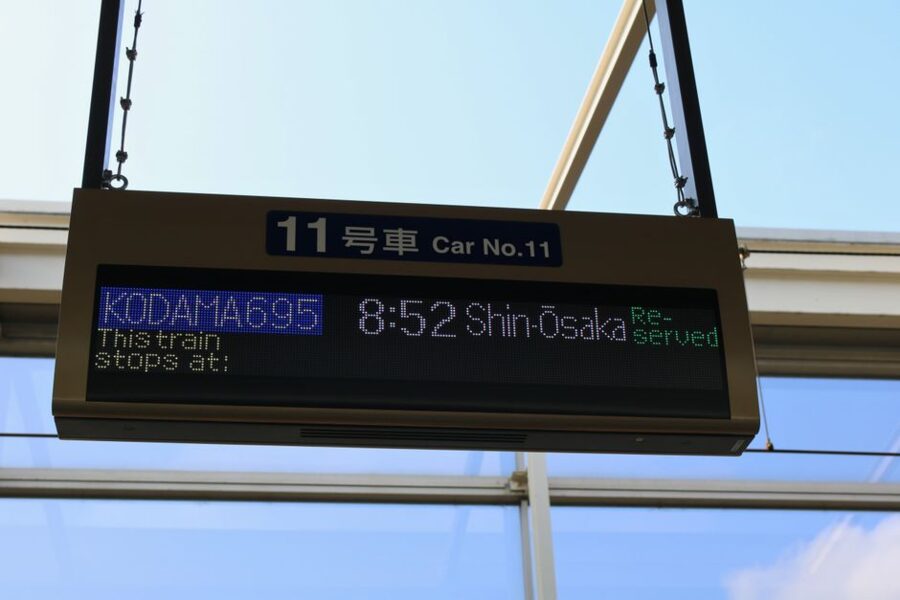
My rule: take the Hikari to Kyoto or Osaka and keep the ¥4,960, and buy the Nozomi ticket for Tokyo to Hiroshima or beyond, where it buys you most of an hour. West of Shin-Osaka you rarely need it: the Sakura I checked took 1:28 to Hiroshima against 1:21 to 1:25 for the Nozomi. On the busiest run, Tokyo to Kyoto by Shinkansen, the Hikari costs you about twenty-five minutes.
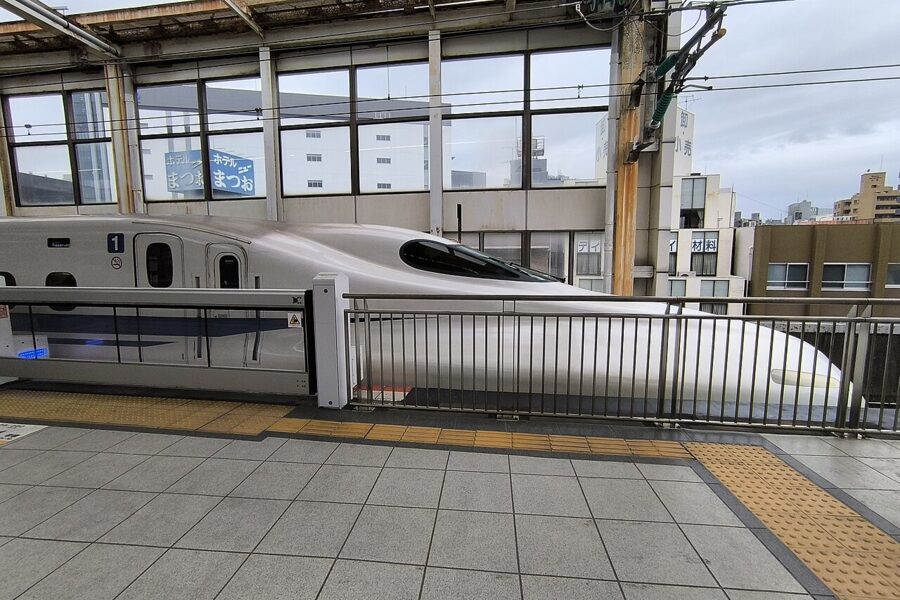

Two dates matter here. In peak periods the Tokaido Nozomi runs all-reserved, and JR Central’s peak-period notice says a pass holder with only a non-reserved Nozomi ticket must stand. And on 16 October 2026 JR Central and JR West announced higher reserved Nozomi and Mizuho charges for tickets bought from 1 July 2027 (Tokyo to Shin-Osaka goes from ¥14,720 to ¥15,420), with Green charges up from 15 December 2027. Hikari, Kodama and non-reserved charges stay as they are.
Buying it: the official site, an agent, or nowhere in Japan
There are two ways to buy, and the station in Japan is no longer one of them. JR stopped selling the pass at ticket offices in Japan on 1 October 2023. If you arrive without one, you buy it online that evening or not at all.
The official website
JAPAN RAIL PASS Reservation, the JR group’s own online purchase service, is the cheaper channel as long as the price freeze lasts. You need a passport and a credit card in the purchaser’s name, and you can buy for up to six companions travelling with you. The site takes orders from 04:00 to 23:30 Japan time, and you choose the start date when you buy.
Its other advantage is seats. Buy here and you can reserve Shinkansen and limited express seats online before you leave home, which nobody holding an agent’s voucher can do. Refunds before the start date cost ¥560 (about US$4) per pass, and you can claim them online until 23:30 Japan time the night before.
A travel agent abroad
JTB, Nippon Travel Agency, Kintetsu International, Tobu Top Tours, Japan Airlines, JALPAK and their associated agencies sell an exchange order, the voucher you swap for the real pass in Japan. It must be exchanged within three months of issue, and no earlier than a month before the day you want the pass to start. A refund on an exchanged pass costs 10 per cent of the yen price. Buy this way only for agent points or a package worth more than the ¥3,000 difference.

Collecting the pass, the ticket gates and seat reservations
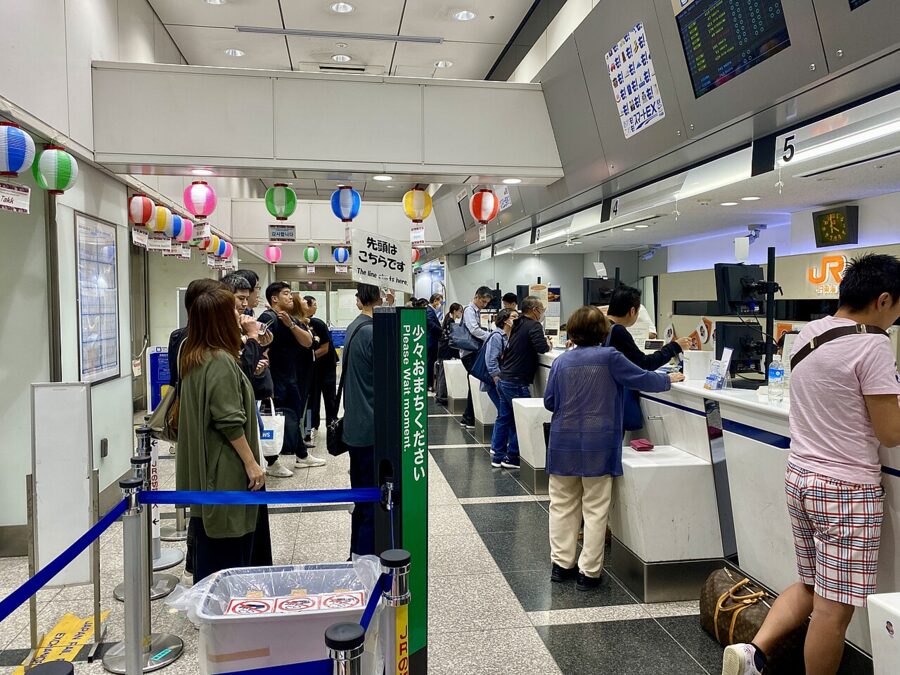
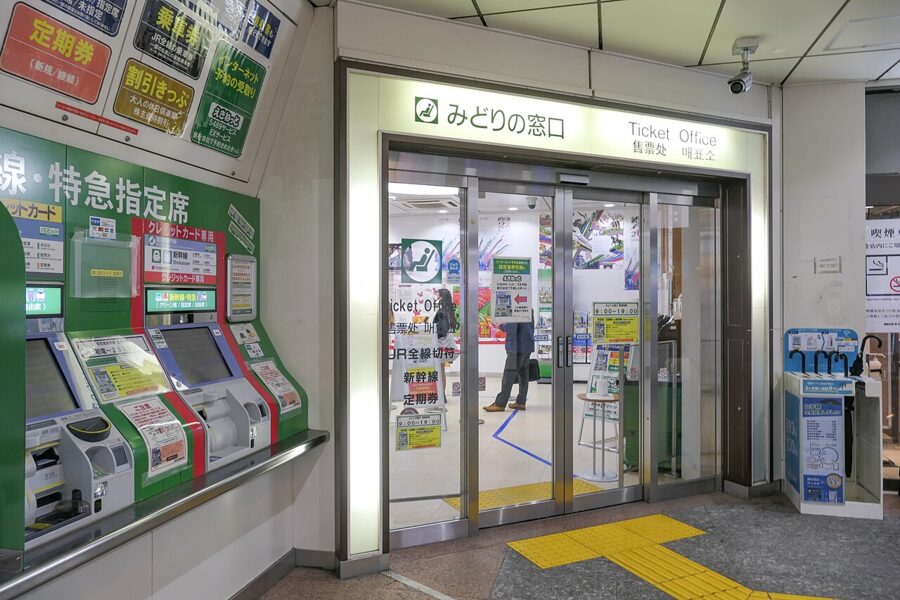
An online purchase is collected with your passport and the reservation number, either at a designated ticket office or, since 1 April 2026, at reserved-seat machines with passport readers. JR East listed Tokyo, Hamamatsucho, Shinagawa, Shinjuku, Shibuya, Ueno, Ikebukuro, Haneda Airport Terminal 3, both Narita Airport stations and Sendai for the machines, in a list JNTO published in February 2026, and some JR West machines started the same day. Agent vouchers still need a person at an exchange office.
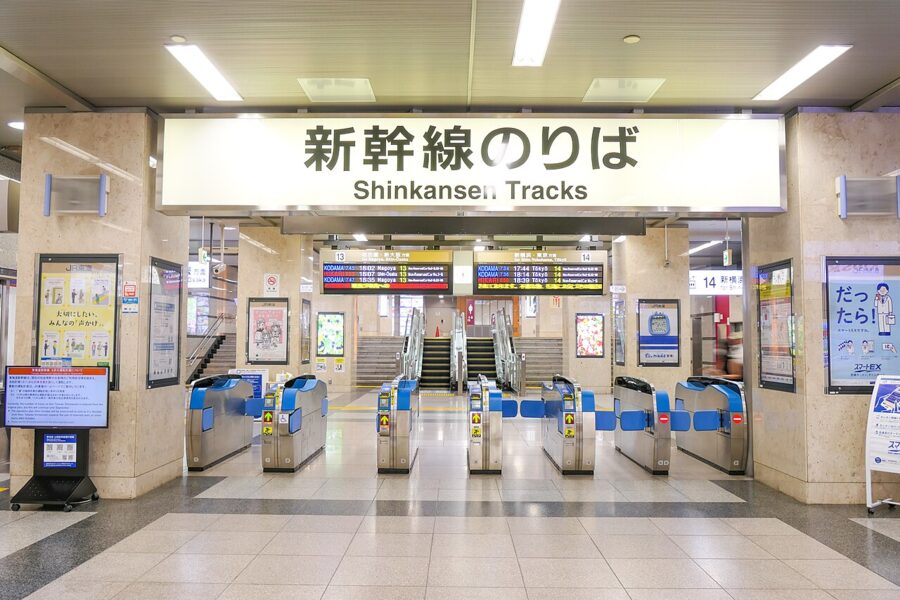
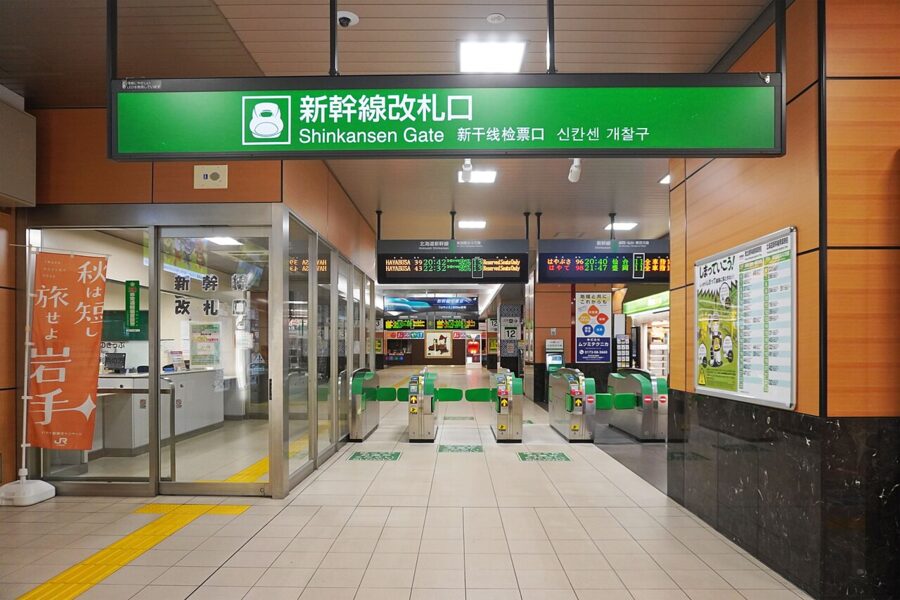
The pass itself is a magnetic ticket. Put it through the automatic gate like any other ticket and take it back out; at a staffed gate the attendant stamps it instead. Carry your passport whenever you use it, because conductors can ask to see it.

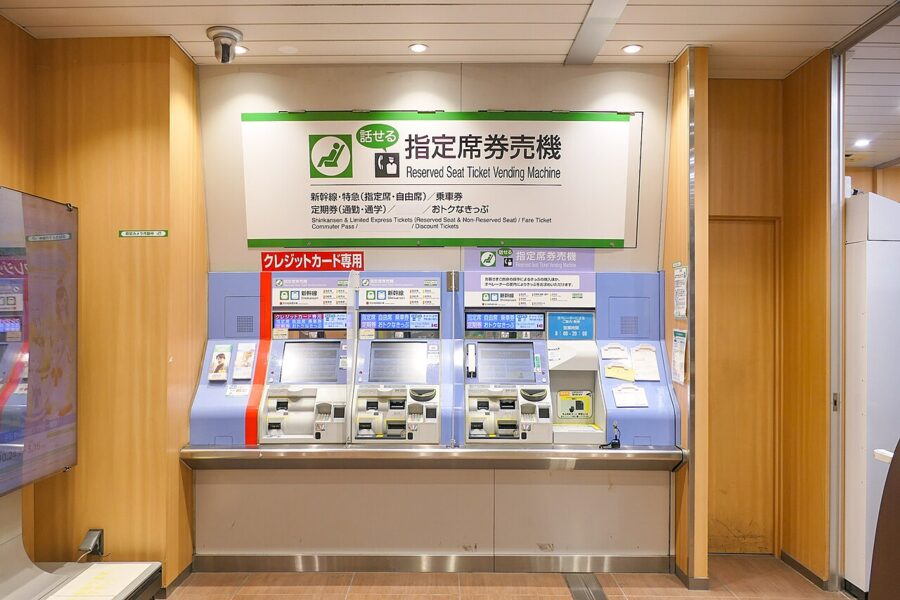
Seat reservations are free, and on some trains compulsory, because they carry no non-reserved seats at all. At a reserved-seat machine you scan the pass’s QR code or type its reservation number, add your passport number, pick a train and print the ticket. Changes after printing go to the ticket office. The system will not give you overlapping seats on the same day, and it stops at 110 reserved trains per pass, which nobody hits.
Reserve early for the four periods JR itself flags as hardest: 1 to 6 May, 7 to 16 August, 18 to 23 September and 29 December to 3 January. In those weeks a pass guarantees you travel, not a seat. Bringing oversized luggage (160 to 250 cm in total dimensions) onto the Tokaido, Sanyo or Kyushu Shinkansen means booking a seat with an oversized-baggage area, pass or no pass.
The break-even maths
Here are five real trips, priced the way you would buy them without a pass. Every leg is a reserved seat at the regular-season fare for a weekday in February 2027, on the Nozomi where the timetable offers one. Off-peak days are ¥200 less on the Tokaido; peak days cost more.
| Trip (one week unless noted) | Separate tickets | 7-day pass online / agent | Verdict |
|---|---|---|---|
| A. Tokyo, Kyoto (with Nara), Osaka, Hiroshima (with Miyajima), back to Tokyo | ¥48,220 | ¥50,000 / ¥53,000 | Separate tickets, narrowly |
| A plus the Narita Express on arrival day | ¥51,360 | ¥50,000 / ¥53,000 | Pass, only if bought online |
| B. Tokyo, Kanazawa, Kyoto, back to Tokyo | ¥36,490 | ¥50,000 / ¥53,000 | Separate tickets, by ¥13,510 |
| C. A Tokyo week: Narita Express both ways, Nikko, Kamakura, Odawara for Hakone | ¥25,180 | ¥50,000 / ¥53,000 | Separate tickets, easily |
| D. Tokyo, Kanazawa, Kyoto, Hiroshima, back to Tokyo | ¥54,020 | ¥50,000 / ¥53,000 | Pass, by ¥4,020 online |
A. The classic: Tokyo to Hiroshima and back
Seven days, six JR journeys and one boat:
- Tokyo to Kyoto: ¥14,170
- Kyoto to Nara and back on the JR Nara Line: ¥1,520
- Kyoto to Osaka by special rapid: ¥580
- Shin-Osaka to Hiroshima: ¥10,950
- Hiroshima to Miyajimaguchi and back, with the JR ferry both ways: ¥1,240
- Hiroshima to Tokyo: ¥19,760
Total ¥48,220, which is ¥1,780 short of the online pass and ¥4,780 short of the agent’s.
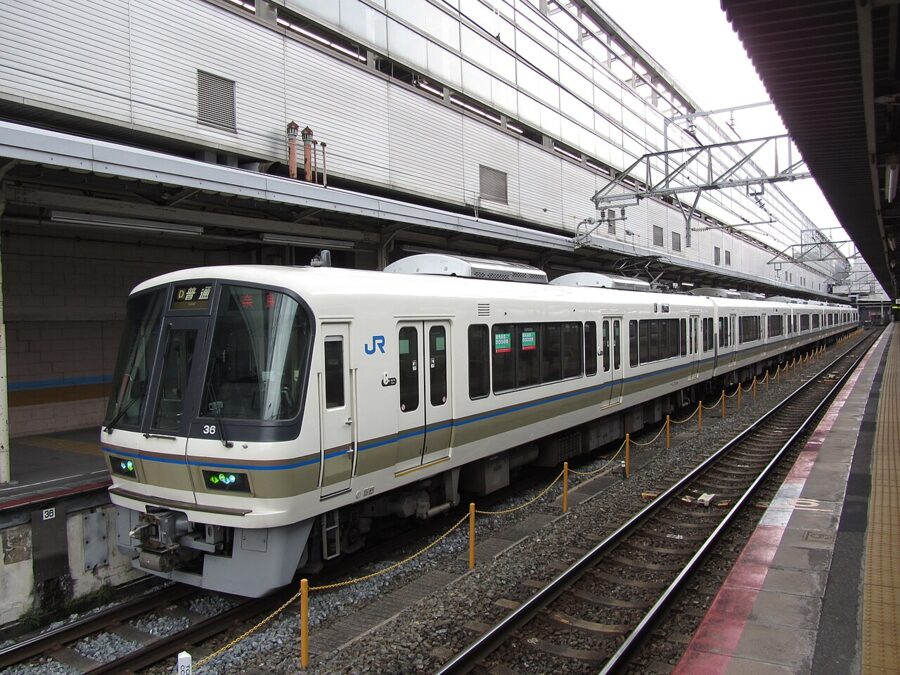

Now add arrival. Land at Narita on day one, take the Narita Express to Tokyo (¥3,140, about US$20) and the separate tickets reach ¥51,360, so the online pass wins by ¥1,360 and the agent’s still loses. That margin assumes you ride the Hikari both ways on the Tokaido. Buy Nozomi tickets for Tokyo to Kyoto and Hiroshima to Tokyo and the pass holder has spent ¥11,460 more, and separate tickets win again.
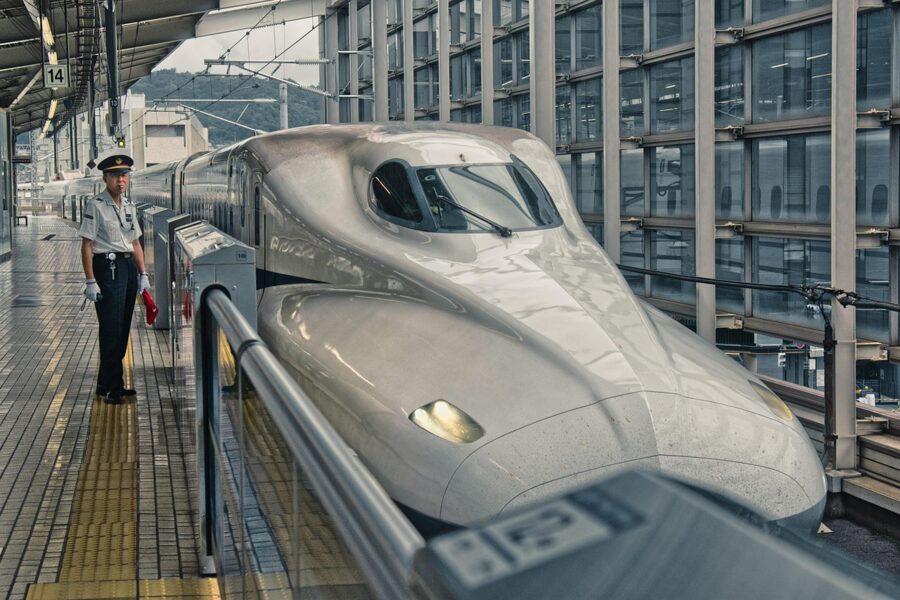
B. Tokyo, Kanazawa, Kyoto
Tokyo to Kanazawa on the Kagayaki, ¥14,600. Kanazawa to Kyoto on the Tsurugi to Tsuruga and the Thunderbird onwards, ¥7,720. Kyoto to Tokyo, ¥14,170. Total ¥36,490, and no reasonable side trip closes a ¥13,510 gap in the same week.
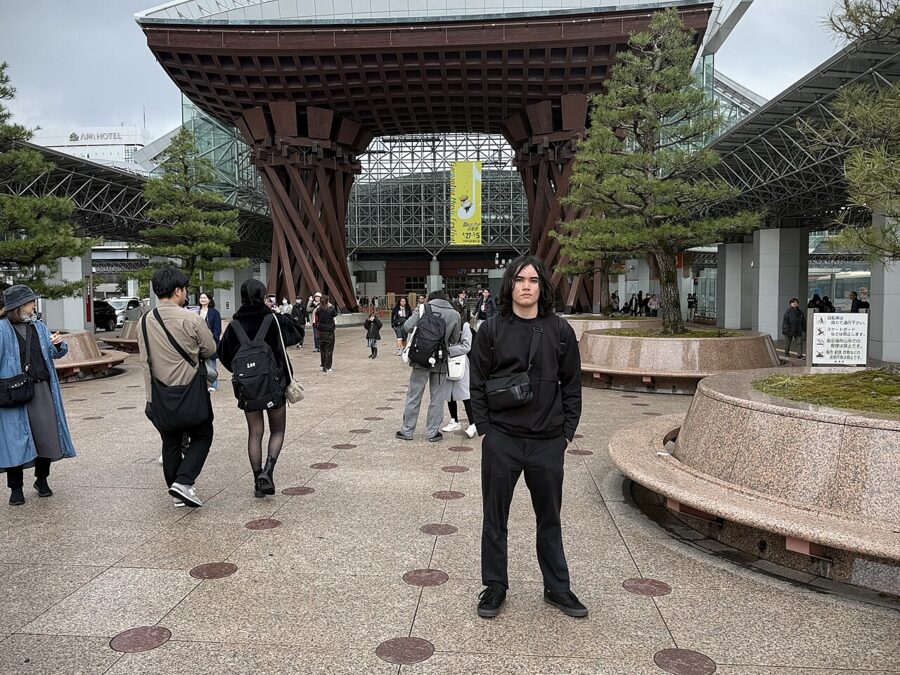

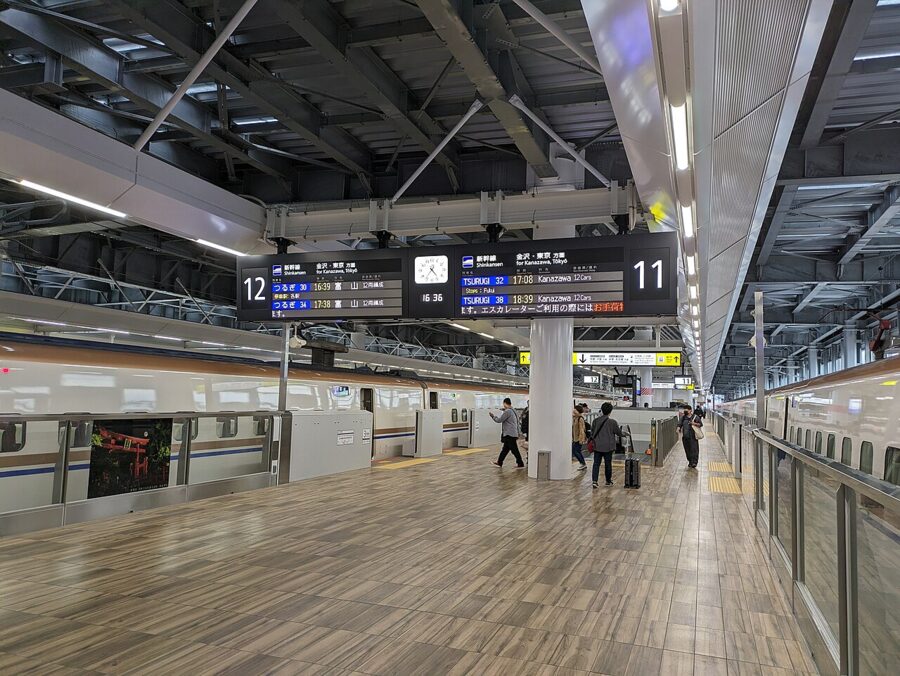
Since the Hokuriku Shinkansen reached Tsuruga in March 2024, the Kanazawa to Kyoto leg means a change at Tsuruga from Shinkansen to Thunderbird. That is no worse with tickets than with a pass, and it is the leg the Hokuriku Arch Pass, below, covers.

C. A week based in Tokyo
Every fare here is a ticket fare, each way:
- Narita Express from the airport and back to it: ¥3,140
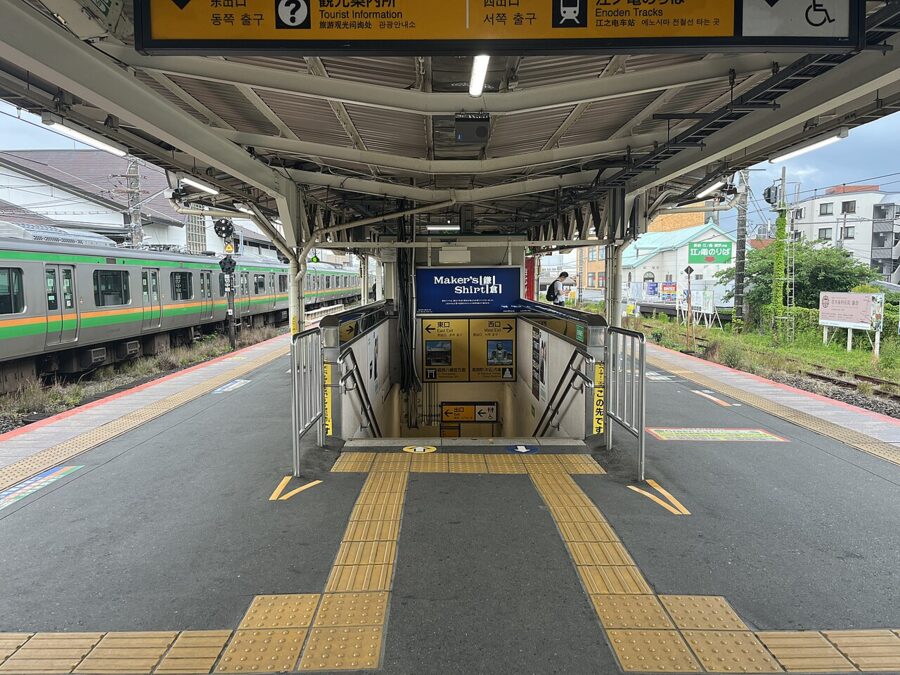
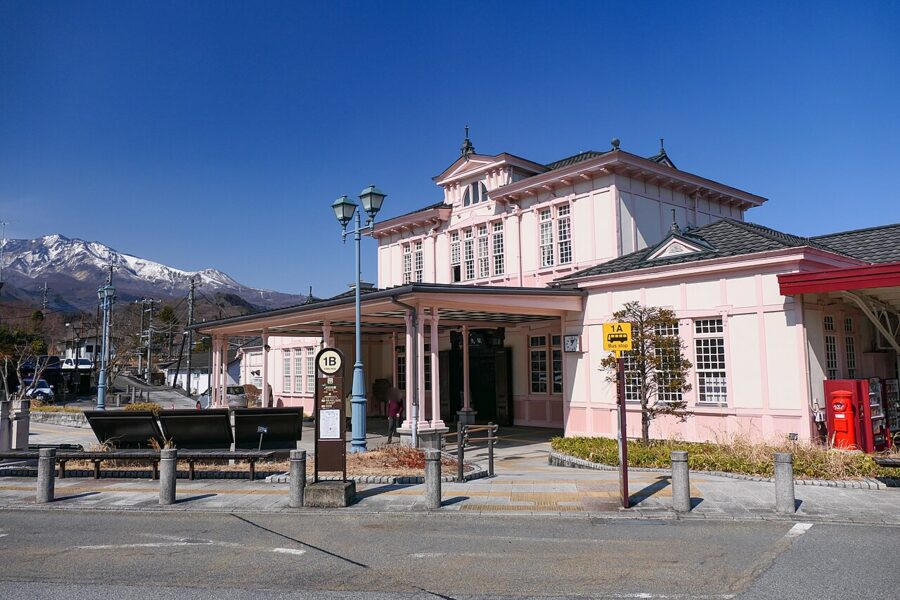
- Nikko by Shinkansen to Utsunomiya and the JR Nikko Line: ¥5,790
- Kamakura: ¥1,040
- Odawara for Hakone, on the Odoriko: ¥2,620
That is ¥25,180 for the week, half the price of the pass. The subway, the Yamanote Line and the Hakone end of the day trip cost the same either way.


For the airport runs alone, JR East sells the N’EX Tokyo Round Trip Ticket for ¥5,200, a 14-day return that saves ¥1,080 on the two Narita Express fares above. The national pass has no place in a Tokyo-only trip.
D. The long loop
Tokyo to Kanazawa ¥14,600, Kanazawa to Kyoto ¥7,720, Kyoto to Hiroshima ¥11,940, Hiroshima to Tokyo ¥19,760. Total ¥54,020, and the online pass finally wins, by ¥4,020.
Even here the margin is one Nozomi ticket. Buy the ¥6,500 ticket for the run home from Hiroshima and the pass holder is ¥2,480 ahead, not ¥4,020. Every route that beats the pass looks like this one: four or more long legs, no doubling back, all inside seven days.
The regional passes that often win
The national pass is the JR group’s joint product, but each company also sells its own, and since March 2026 several have been reshaped. They are cheaper because they cover less, and for most of the trips above, less is all you need.
JR East Pass
On 14 March 2026 JR East replaced its two old regional passes, the Tohoku area pass and the Nagano and Niigata area pass, with a single JR East Pass. It costs ¥35,000 (about US$220) for five consecutive days or ¥50,000 for ten, and covers reserved seats on every JR East line, Shinkansen included, plus the Tokyo Monorail. Unlike the national pass, any holder of a non-Japanese passport can buy it, residents included.
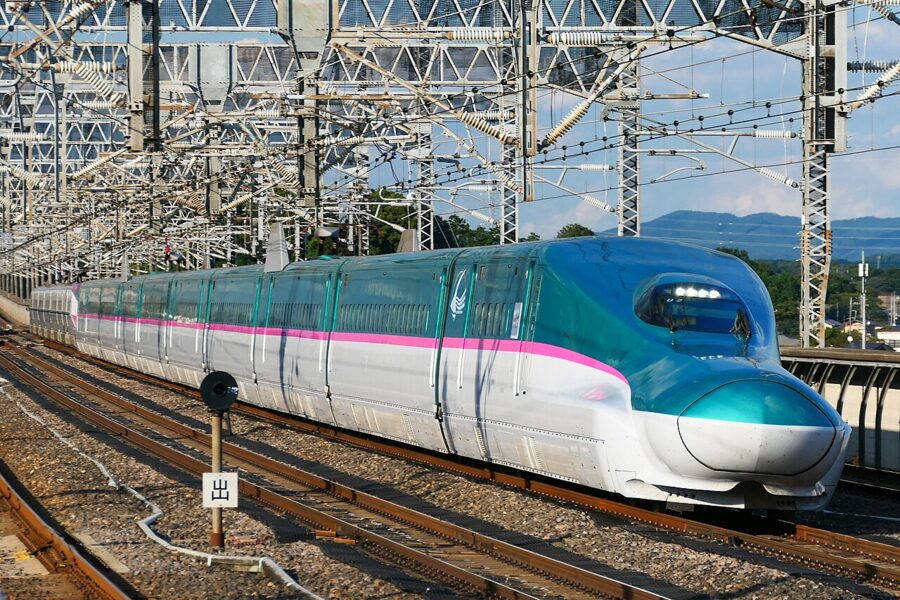

Tokyo to Shin-Aomori is ¥18,110 each way on the Hayabusa, so one return already beats five days of the pass. Tokyo to Niigata and back is ¥21,960 and Tokyo to Sendai and back ¥23,260, so those two trips in five days pay for it with ¥10,220 to spare. If your trip heads north, or to Nagano and Niigata, and never touches the Tokaido, this is the pass, not the national one.
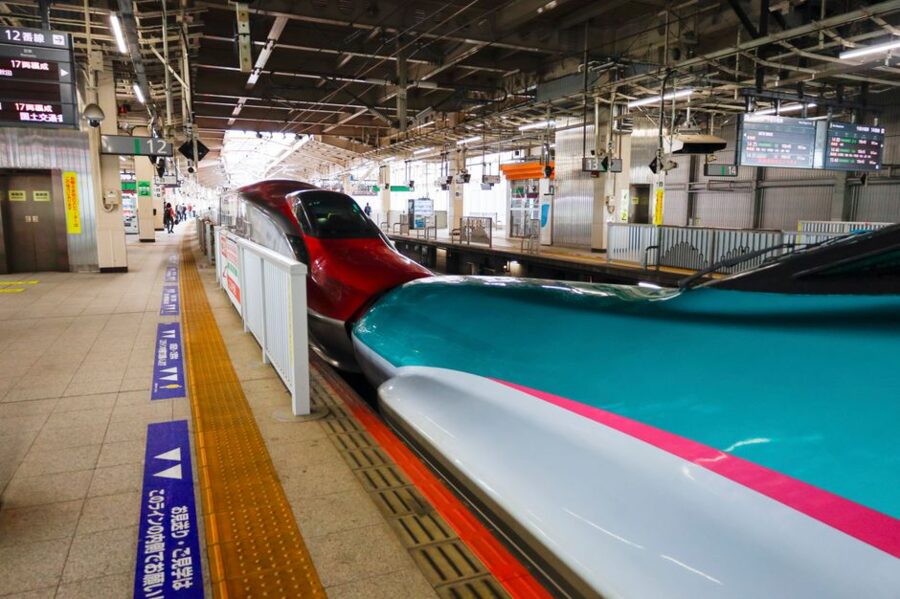
JR Tokyo Wide Pass
JR East’s three-day pass for the region around Tokyo went from ¥15,000 to ¥16,000 (about US$100) in March 2026. Being JR East’s, it does not cover the Tokaido Shinkansen, which belongs to JR Central. In trip C, Nikko, Kamakura and Odawara would cost ¥18,900 on tickets, so if all three sit inside its area and you can bunch them into three consecutive days, it saves ¥2,900; check its map against your plans before you buy.

JR West Kansai-Hiroshima Area Pass
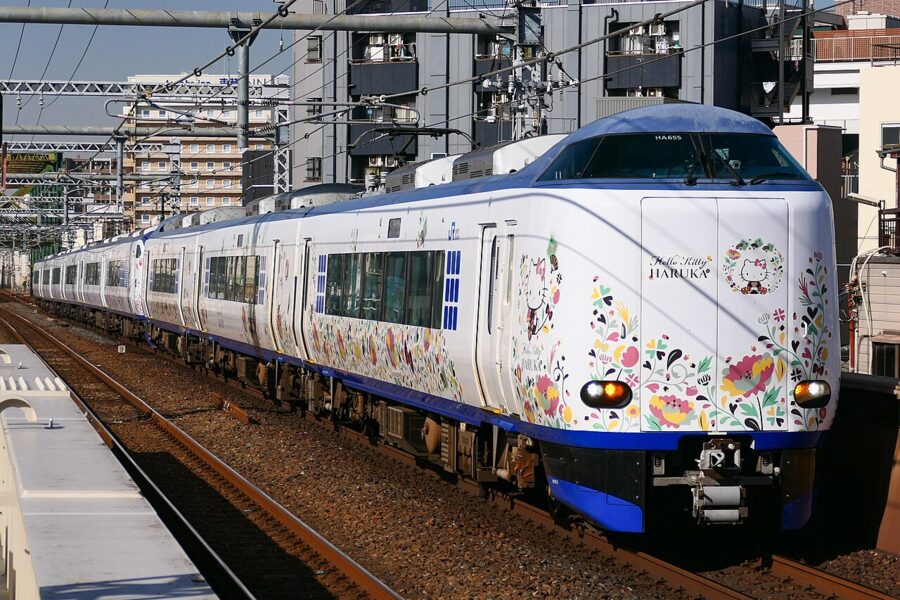
Five days for ¥17,000 (about US$105), covering reserved seats on the Sanyo Shinkansen between Shin-Osaka and Hiroshima, JR West’s conventional lines from Kansai to Hiroshima, the Haruka to Kansai Airport and the Miyajima ferry, per JR West’s pass page. It does not cover the Tokaido Shinkansen to Tokyo. JR Central’s guidance says JR West rail pass holders can ride the Nozomi and Mizuho where the pass is valid, with a reserved seat.
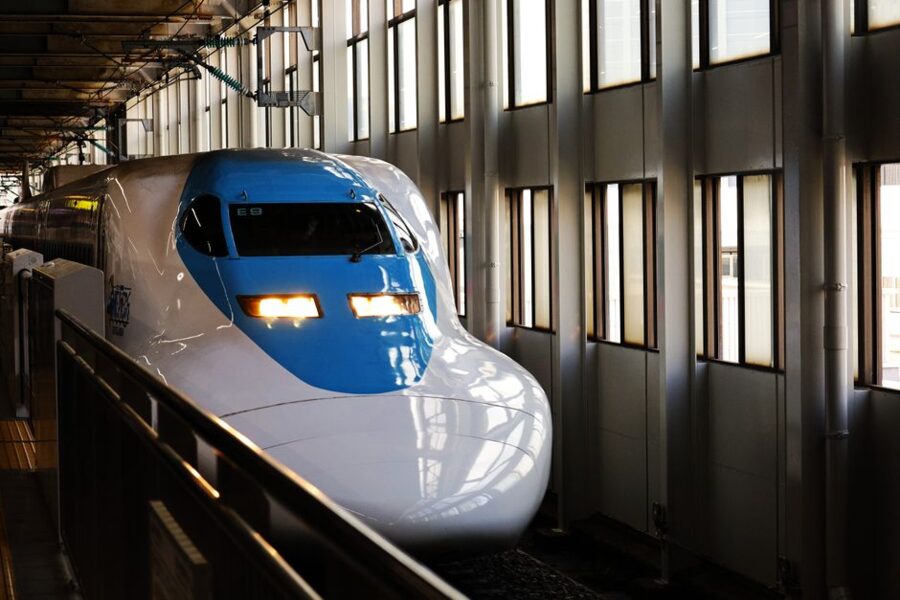
Run trip A through it. Buy Tokyo to Kyoto (¥14,170) and Shin-Osaka to Tokyo (¥14,720) separately, and let the five-day pass carry Nara, Osaka, Hiroshima, Miyajima and the ride back to Shin-Osaka. Total ¥45,890: ¥4,110 under the online national pass, ¥2,330 under separate tickets, and the Nozomi is yours on the Sanyo legs.
Hokuriku Arch Pass
Seven days for ¥35,000, up from ¥30,000 in March 2026, when its area also grew to take in the Tokyo metropolitan area and the Chuo and Oito lines. It covers the arc from Tokyo over the Hokuriku Shinkansen to Kanazawa and Tsuruga, the Thunderbird to Kyoto and Osaka, and the Haruka to Kansai Airport, with Narita and Haneda access at the Tokyo end, per JR West’s Arch Pass page. It does not cover the Tokaido Shinkansen.
For trip B it loses: ¥35,000 plus ¥14,170 for the Tokaido home makes ¥49,170 against ¥36,490 on tickets. Go out and back the same way, Tokyo to Kanazawa to Kyoto and back through Kanazawa, and tickets come to ¥44,640, so the Arch Pass saves ¥9,640.
JR Kyushu Rail Pass
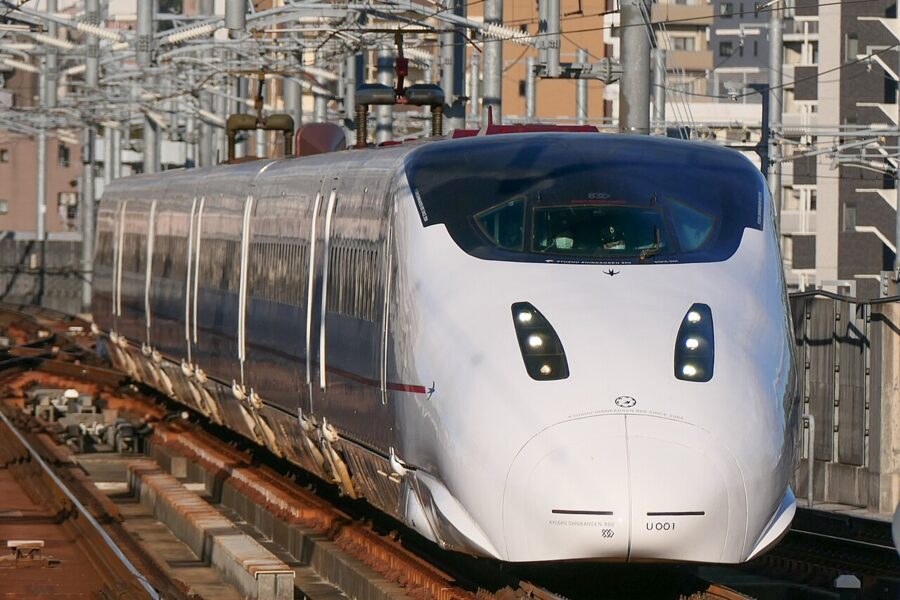
JR Kyushu sells Northern, Southern and All Kyushu versions for three, five or seven consecutive days. Check the current prices with JR Kyushu before you buy. If your trip is Fukuoka, Kumamoto and Kagoshima, compare it with the ¥4,960 and ¥5,150 Mizuho tickets above rather than with the national pass.

The decision rule
Write down every JR leg you will take in the seven days you would buy, at the reserved fare for the train you would actually catch. Leave out the subway, the private railways and anything outside those seven days. Then:
- Under ¥45,000: buy separate tickets, or a regional pass if your legs sit inside one company’s area. This is most first trips, including Tokyo, Kyoto and Osaka, and every Tokyo-only trip.
- ¥45,000 to ¥55,000: close enough that convenience decides. The pass saves queueing and lets you add a day trip on a whim; separate tickets let you take every Nozomi without a second ticket. Price the Nozomi tickets you would buy before calling it.
- Over ¥55,000: buy the pass, online, while the official site is still ¥3,000 cheaper than an agent. This is the four-long-legs trip, or a fortnight that runs from Tohoku to Kyushu, in which case price the 14-day pass the same way.
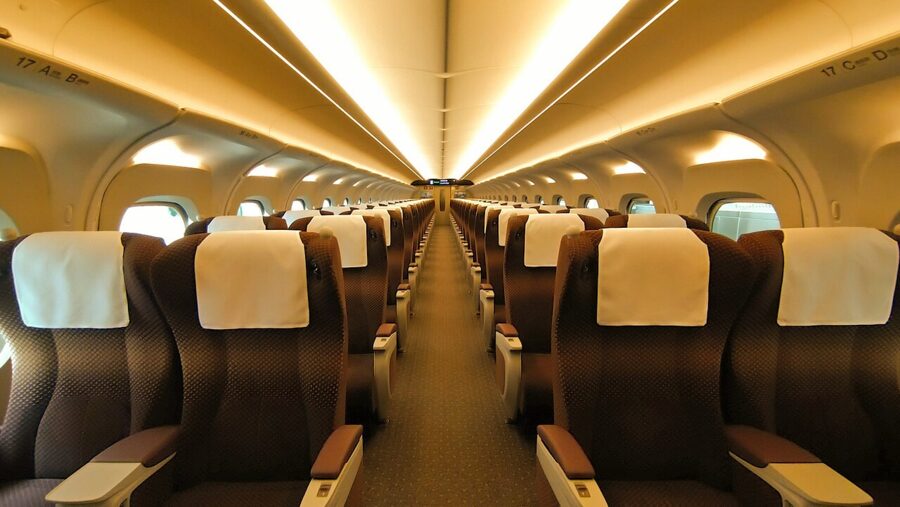
- Green: on the Tokaido a Nozomi Green seat from Tokyo to Shin-Osaka costs ¥19,590 against ¥14,720 in an ordinary reserved seat. The Green pass costs ¥20,000 more than the ordinary one online, so it pays only if you would otherwise buy four or more long Green journeys.
- Resident, student or working in Japan: the national pass is not for you. The JR East Pass is, if you hold a non-Japanese passport.

The official site will still ask for ¥50,000 before it asks where you are going. Answer the second question first: price the legs, and if the pass wins, book the Hikari from Tokyo; if it doesn’t, book the Nozomi and keep the change.