
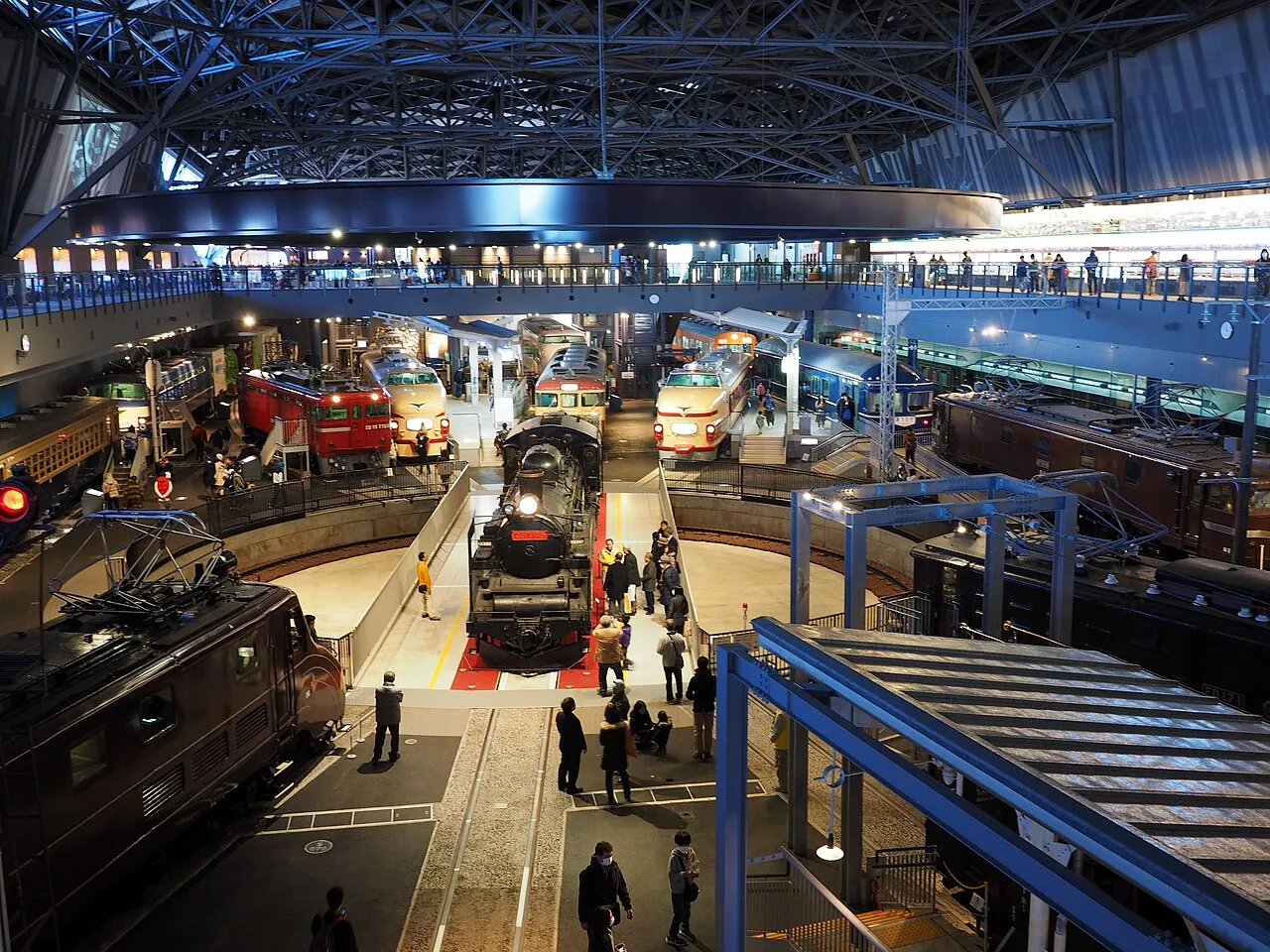

At 12:00 a steam whistle goes off inside a building in northern Saitama, and everyone in the main hall turns round. The turntable in the middle of the floor begins to rotate with a locomotive on it, a commentator talks it through the circle, and the big screen above the hall runs film of a C57. Ten minutes later it is over, and most of the hall heads for lunch.
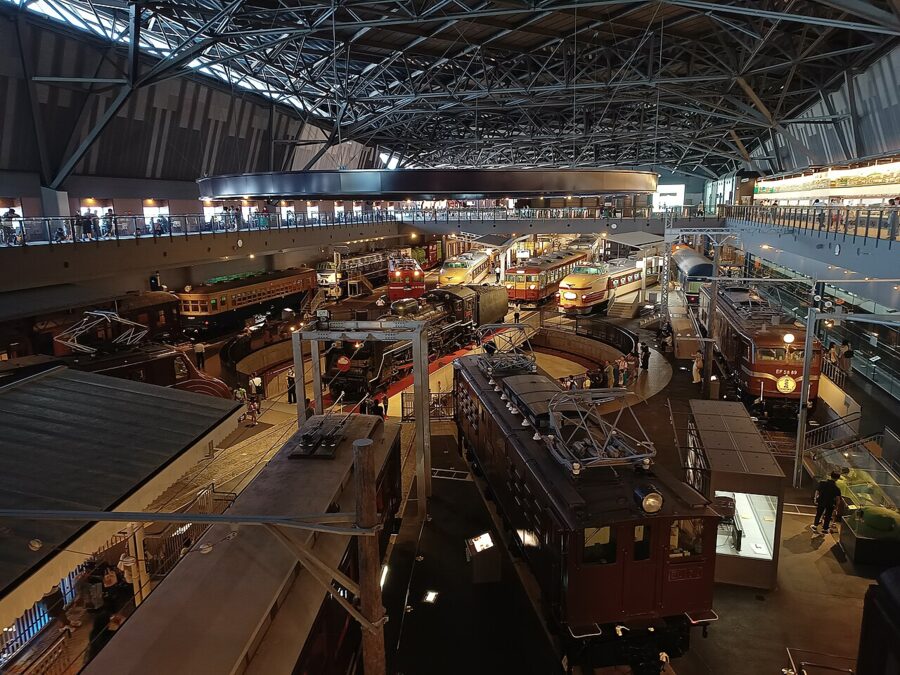
This is the Railway Museum (鉄道博物館, Tetsudō Hakubutsukan) in Omiya, run by JR East‘s culture foundation and known as Teppaku (てっぱく). It holds 36 full-size vehicles in one hall, from the locomotive that opened Japan’s first railway in 1872 to the nose of a 1964 Shinkansen, plus a south wing of simulators and a roof that looks straight onto the Tohoku Shinkansen. It is the best railway museum within reach of Tokyo, and the one where a day is most easily lost to waiting for a simulator slot.
The waiting is the part most visitors get wrong. Since the museum moved its simulators onto a phone raffle, the decision that shapes the day is made at 10:00, inside the building, on an app you should already have installed. The turntable can wait until noon; the raffle cannot.
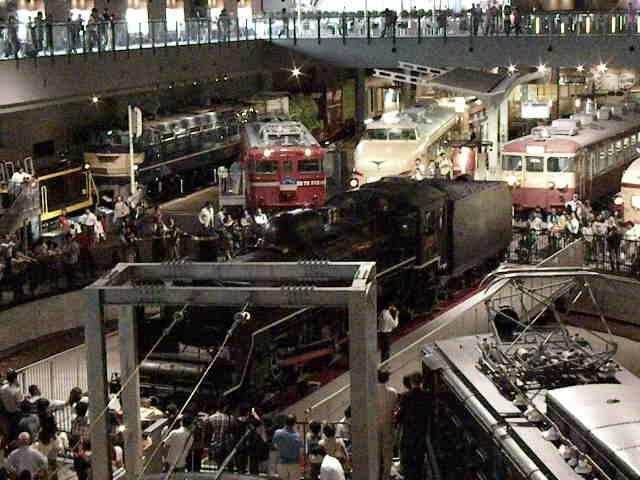

The demonstration runs twice a day, at 12:00 and 15:00, and lasts about ten minutes. The best place to watch is the upper gallery on the second floor, which looks down on the turntable and along the radiating tracks; the floor of the hall is closer but you see mostly heads.


Getting there and tickets (as of 2026)
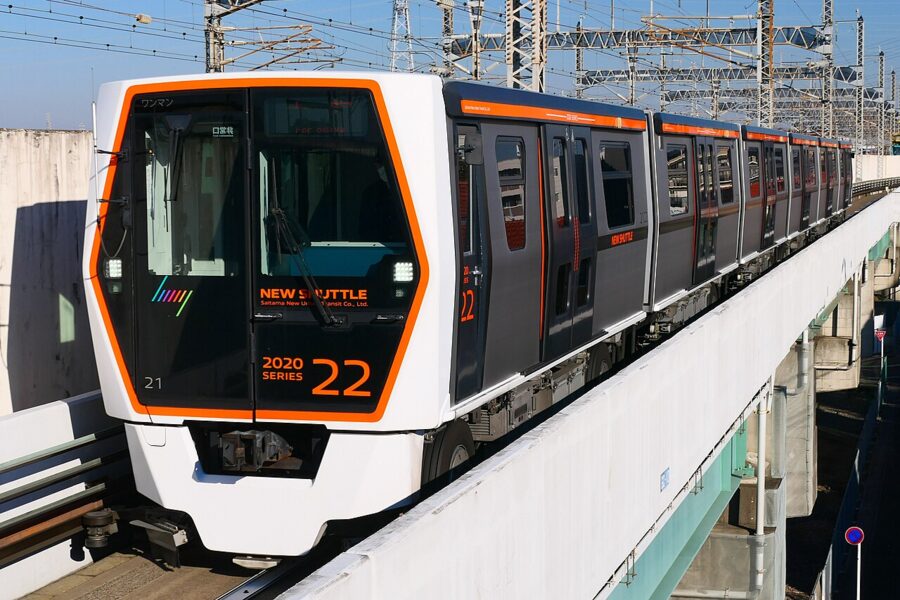
The museum is in Ōnari, north of Omiya Station, and the last leg is always the same: one stop on the New Shuttle (ニューシャトル), the rubber-tyred people-mover that runs north from Omiya alongside the Shinkansen viaduct.
Tokyo to Omiya
From Tokyo Station the fastest ordinary train is the Ueno-Tokyo Line, which runs through as Utsunomiya and Takasaki Line services and reaches Omiya in about 31 minutes. The all-stations Keihin-Tohoku Line takes about 49 minutes. Both cost ¥620 (about US$4) as a paper ticket or ¥616 by IC card, as of November 2026, after the JR East fare revision of 14 March 2026.
The Shinkansen gets you there in about 24 minutes for ¥1,710 (about US$11) one way in a non-reserved seat, the ¥620 fare plus a ¥1,090 limited express charge. That saves seven minutes over the Ueno-Tokyo Line and costs nearly three times as much. The Hayabusa, Komachi and Kagayaki are all reserved, so if you do go by Shinkansen, take a Yamabiko, Toki, Tanigawa or Asama and sit in the non-reserved cars.
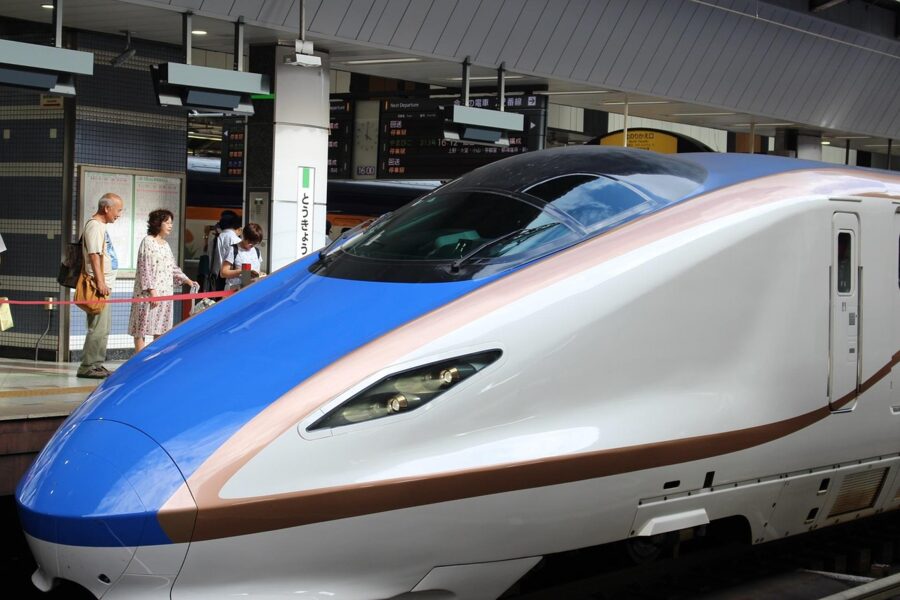
With a Japan Rail Pass the Shinkansen costs nothing extra, and it is worth taking for the ride alone. The pass does not cover the New Shuttle, which belongs to Saitama New Urban Transit, not JR. From Shinjuku, the Shonan-Shinjuku Line and the Saikyo Line both run to Omiya without a change.
The New Shuttle, one stop
At Omiya, follow the New Shuttle signs from the JR concourse to station NS01. The museum’s station is the first stop, Tetsudō-Hakubutsukan (鉄道博物館, NS02), and the entrance is a minute’s walk from the ticket gate. The fare is ¥190 (about US$1) by ticket or ¥189 by IC card for adults, ¥100 or ¥94 for children, and a Suica or Pasmo works at the gates.
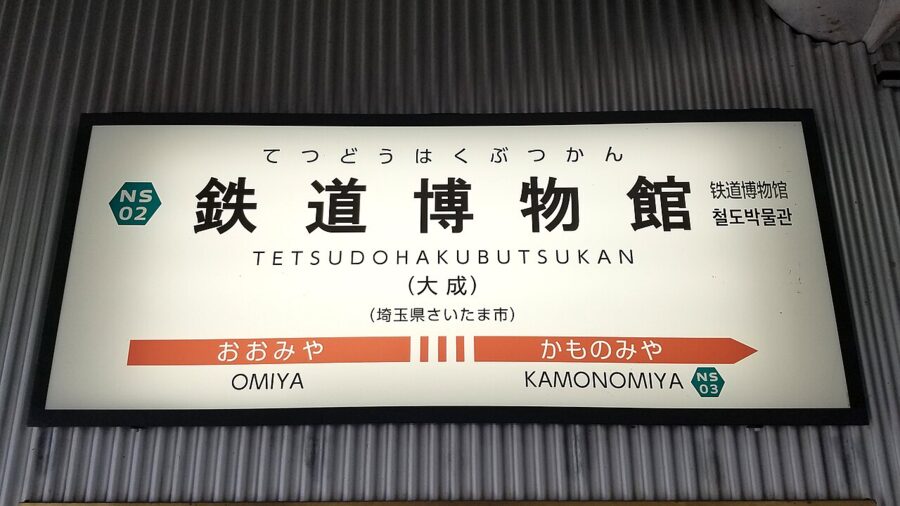

The Omiya timetable shows trains every 10 minutes through the morning and on weekends, dropping to every 15 minutes between about 11:00 and 15:00 on weekdays. Walking from Omiya Station takes about 20 minutes and saves ¥190 and little else.
Tickets, hours and closing days
Admission is cheaper if you buy by the day before. Online tickets are for a fixed date and go on sale at 10:00 on the first day of the month before your visit, up to six per order; 7-Eleven, Lawson and Ministop also sell them. On the day you buy at the museum’s machines, which take IC cards and cash.
| Ticket (as of 2026) | Advance (until the day before) | On the day |
|---|---|---|
| Adult | ¥1,500 (about US$9) | ¥1,600 (about US$10) |
| Elementary, junior high and high school | ¥500 | ¥600 |
| Preschool, aged 3 and over | ¥200 | ¥300 |
| Under 3 | Free | Free |
The museum opens 10:00 to 17:00, last entry 16:30, and closes every Tuesday and over the New Year. It opens on some Tuesdays in the school holidays and ran late in Golden Week and mid-August in 2026, so check the year’s calendar on the admission and hours page before planning around a Tuesday. A Teppaku Annual Passport costs ¥6,200 for an adult and pays for itself on the fourth visit.
Big bags go in the lockers by the ticket machines. The cashless Multi e-cube lockers added in April 2026 cost ¥400, ¥500 or ¥700 by size and take IC cards; older coin lockers at the entrance take cash only. Re-entry is handled at the entrance counter, so you can step out to the station and come back.
What to see: the main hall and the best exhibits
The museum is divided into five “stations”: Rolling Stock and Science in the main building, Job, Future and History in the south building. The Rolling Stock Station is the reason to come, and it is where the first hour should go before the crowds thicken around midday.
Locomotive No. 1 and the 1870s
Just inside the hall stands Locomotive No. 1, a small British tank engine built in 1871 and one of the locomotives imported for the line between Shimbashi and Yokohama that opened in 1872. It has been on museum display since 1936, and in 1997 it became the first railway vehicle designated an Important Cultural Property. Next to it is a replica of an early third-class carriage, with a door to each compartment in the British manner.
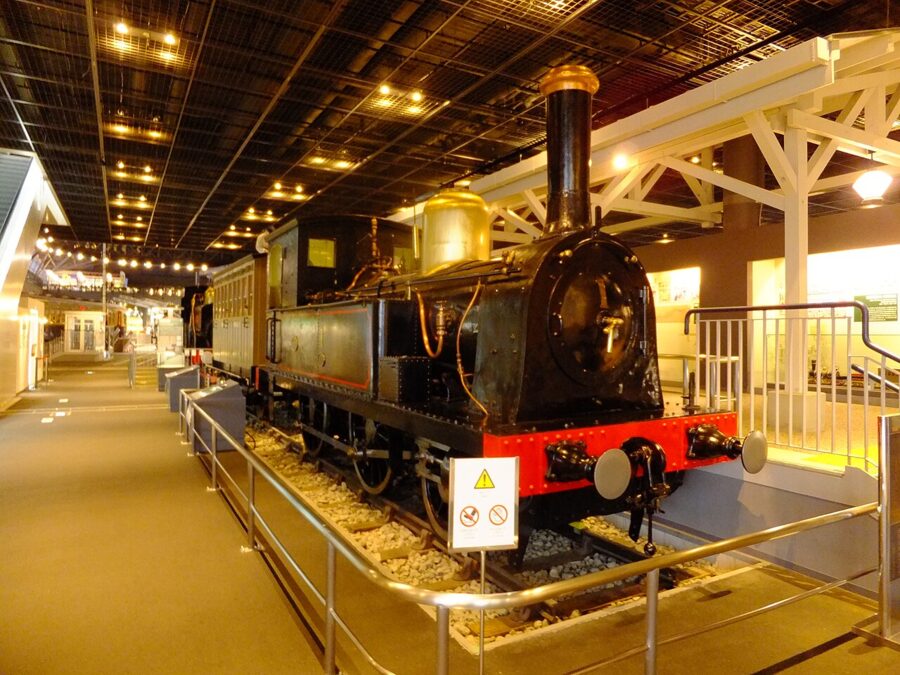

Around it are the other early engines: Benkei (弁慶), an 1880 American-style locomotive from Hokkaido’s first railway, and Zenkō (善光), the 1881 saddle tank that the Nippon Railway used to build its line and the first steam locomotive to run in Saitama.
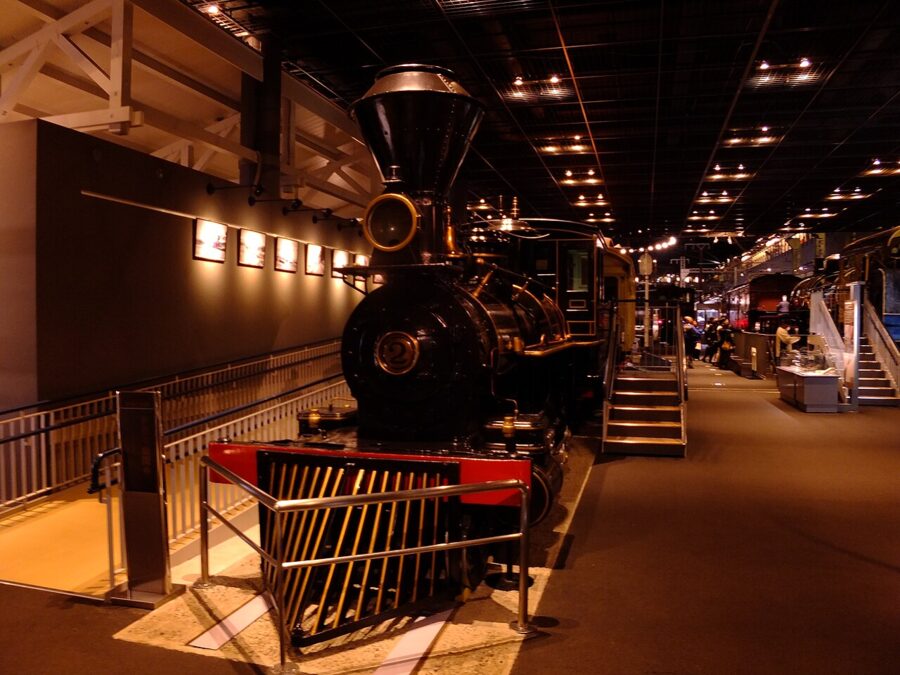

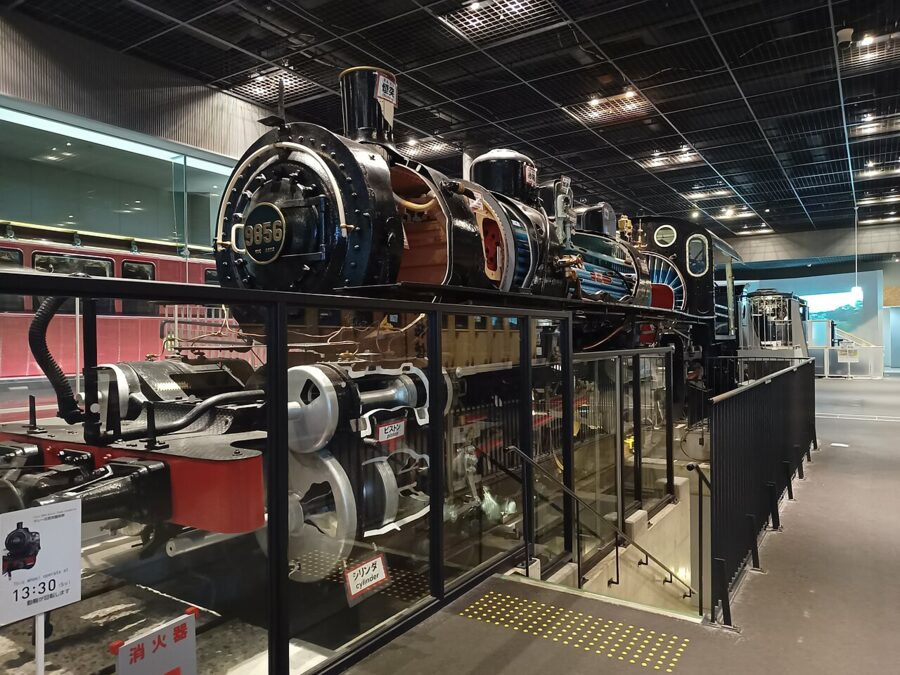
The 9850 Mallet locomotive further in has been cut open to show its cylinders, and its driving wheels are turned for visitors at 13:30 each day.

The first Shinkansen car
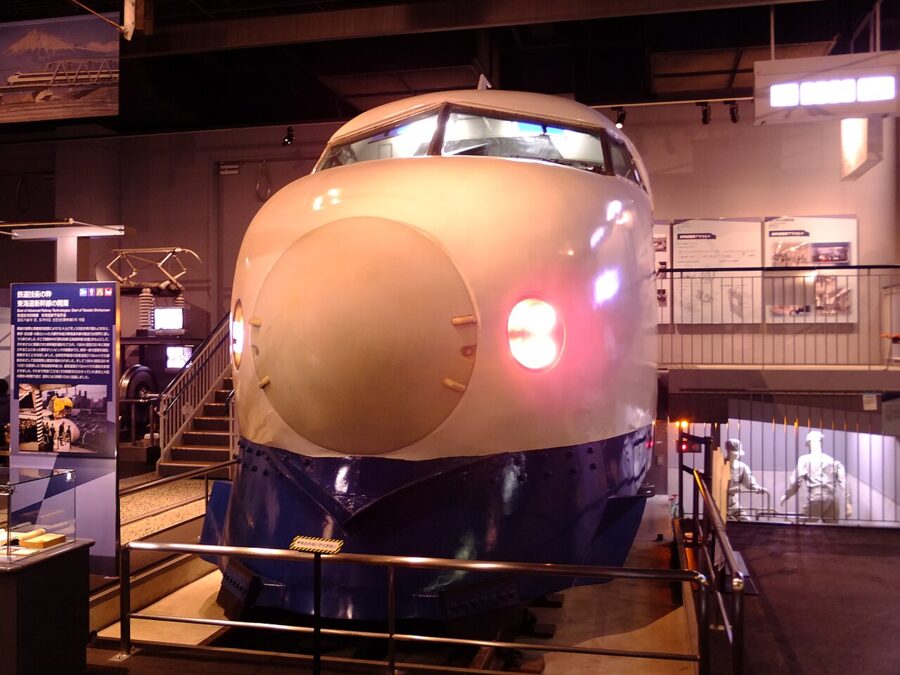
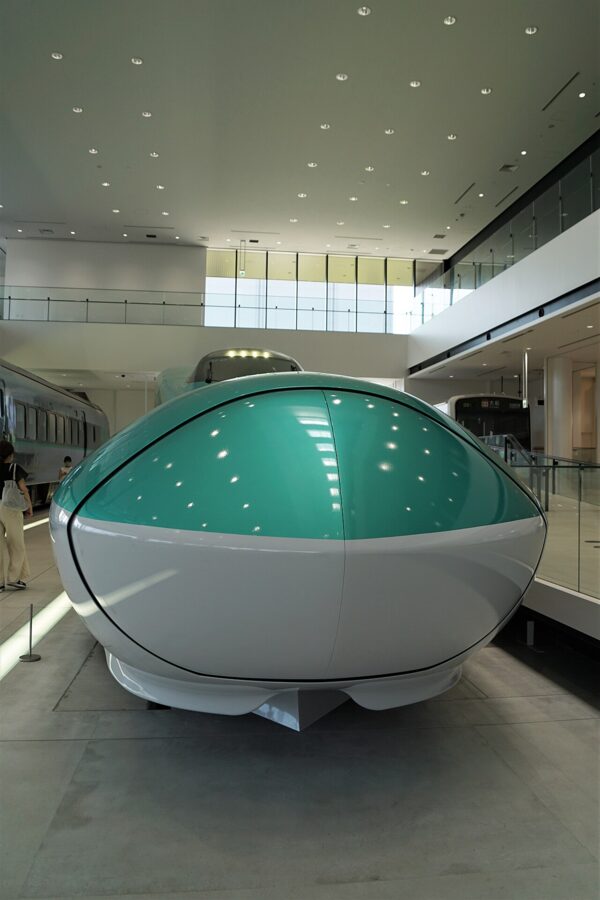
The museum’s 0 series is car 21-25, the Shin-Osaka end of a Tokaido Shinkansen set of the kind that opened the line in 1964 at 210 km/h. It is a cut model, the front section only, and it once stood at the entrance of the old Transportation Museum in Kanda, the museum Teppaku replaced in 2007. In December 2026 its cab is open on the raffle app from 2 to 27 December, in four short slots a day.

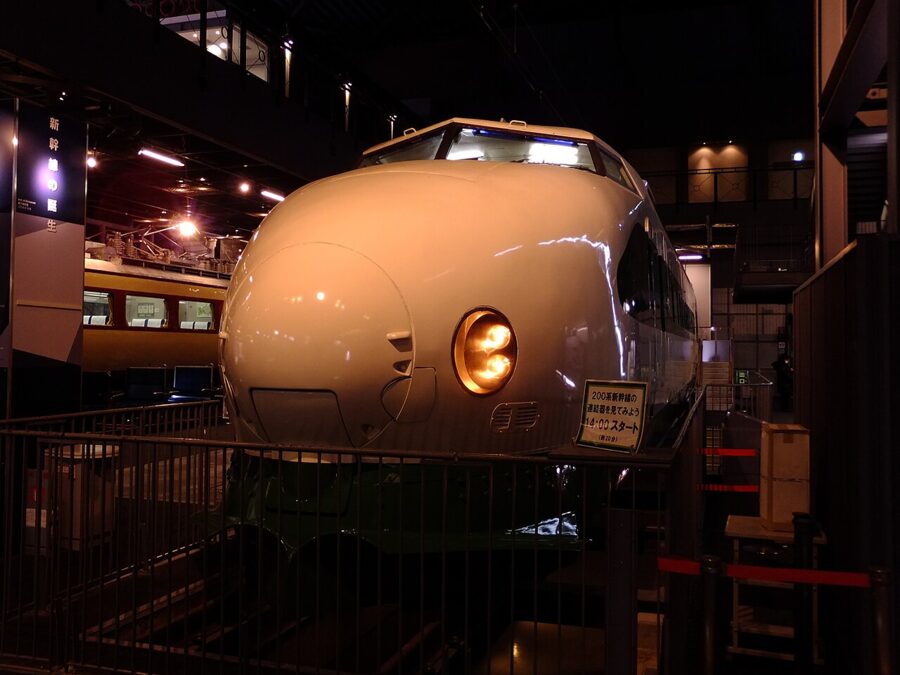
Beside it is 200 series car 222-35, built in 1982 for the Tohoku and Joetsu lines with a snowplough, sealed underfloor equipment and an aluminium body for the snow country. It also has the coupling gear that once joined Yamagata and Akita trains to it, and the 14:15 talk in front of it shows the coupler close up.

The imperial carriages and the rest
Six imperial carriages stand in a row behind glass. The first, of 1876, is the oldest passenger coach in Japan and another Important Cultural Property; carriage 9 of 1914 is the oldest surviving dining car, and carriage 10 of 1922 carried the Prince of Wales and Puyi before the Occupation took it over. You cannot go in.
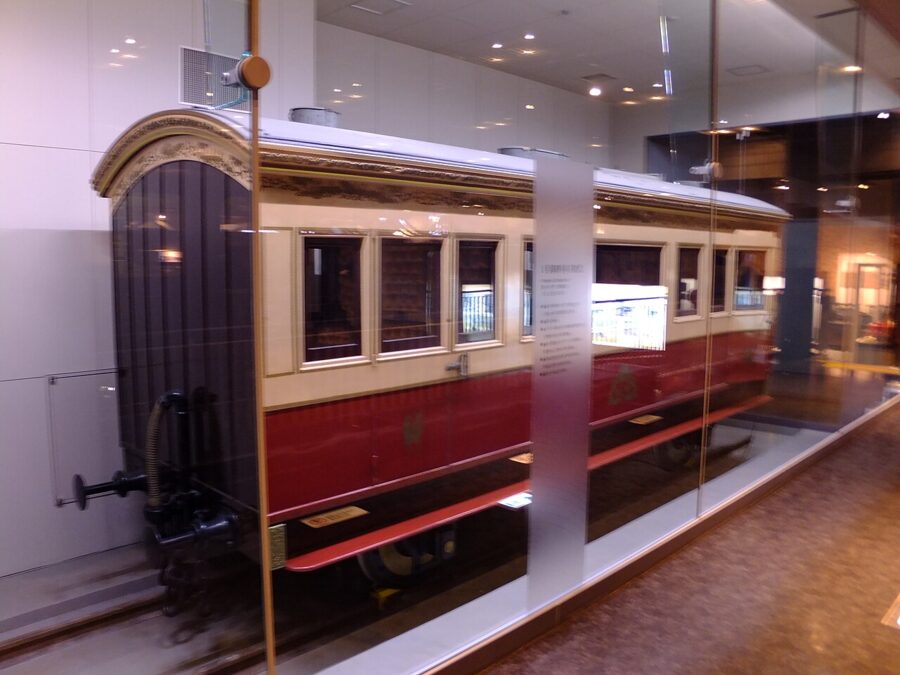

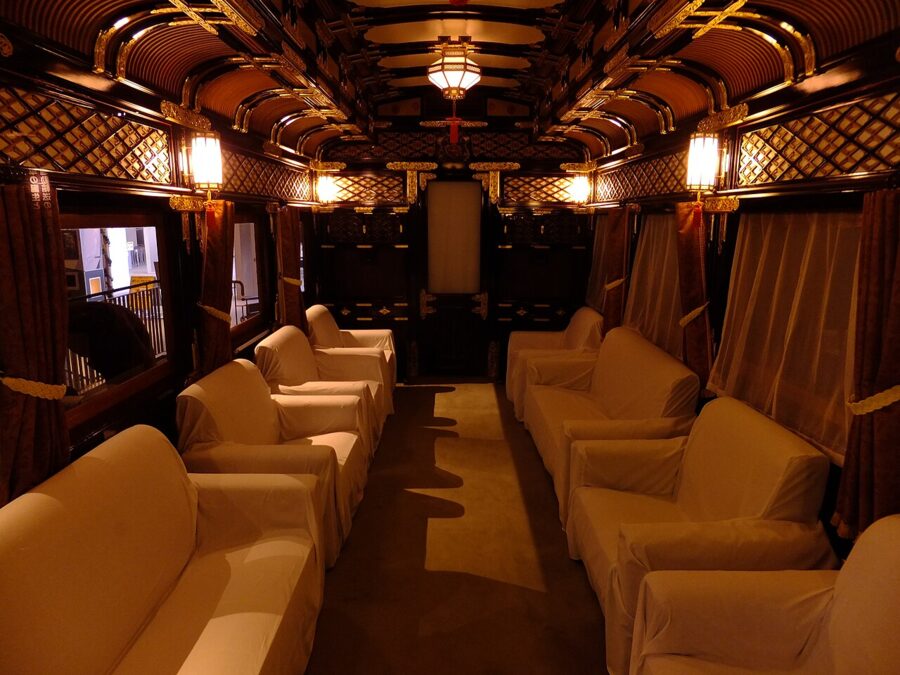
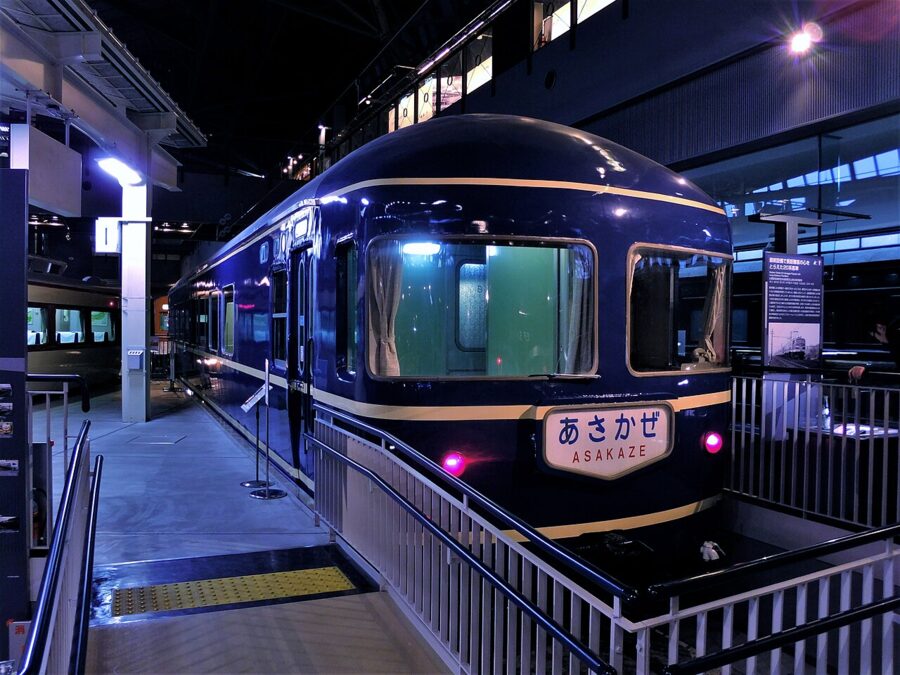
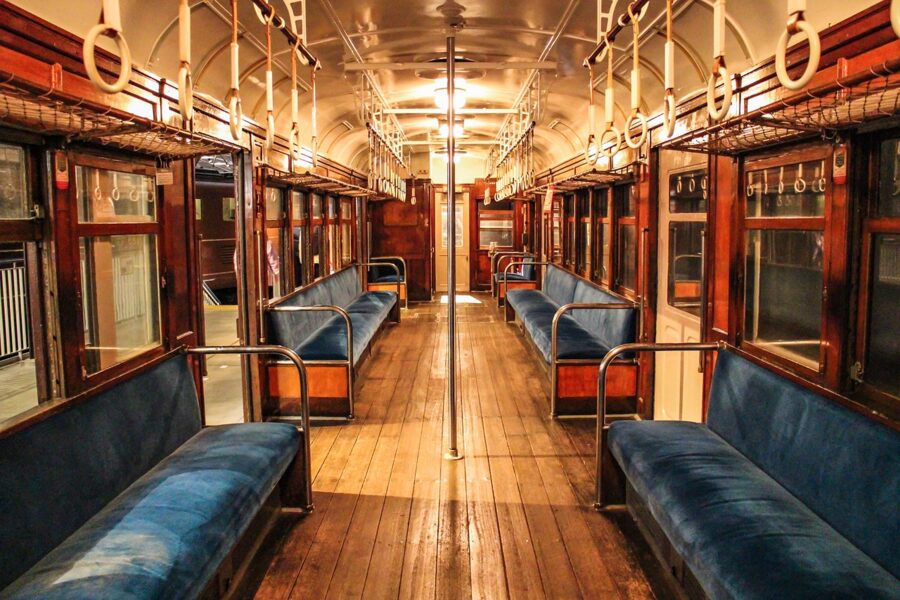
Maite 39 is the one to find: the 1930 first-class observation car of the Fuji express, fitted out in the Momoyama style for foreign passengers. Nearby are the 1964 sleeping car Nahanefu 22 from the Asakaze sleeper, and the 455 series express with bottle openers under its windows. Inside the 1934 railcar Kiha 41300, film of the Koumi Line plays through the windows.


Upstairs on the second floor, the Railway Diorama is one of the largest in Japan, with about 1,200 m of HO-gauge track and an E5 and E6 coupling scene on the central viaduct. A commentator runs a 15-minute programme nine times a day, from 11:00 to 16:00.
The south wing, added in 2018
The south building opened in July 2018, and the main building was refurbished at the same time. Its ground and first floors are the Job Station, about the people who run a railway: a full-size E5 Shinkansen mock-up E514 with the Gran Class cabin fitted as on the real train, a 400 series Yamagata Shinkansen car, and a live teamwork show at 13:00 in which staff deal with trouble at a level crossing. The History Station on the third floor tells the 150 years since 1872 in six eras, with the documents and photographs the main hall has no room for.

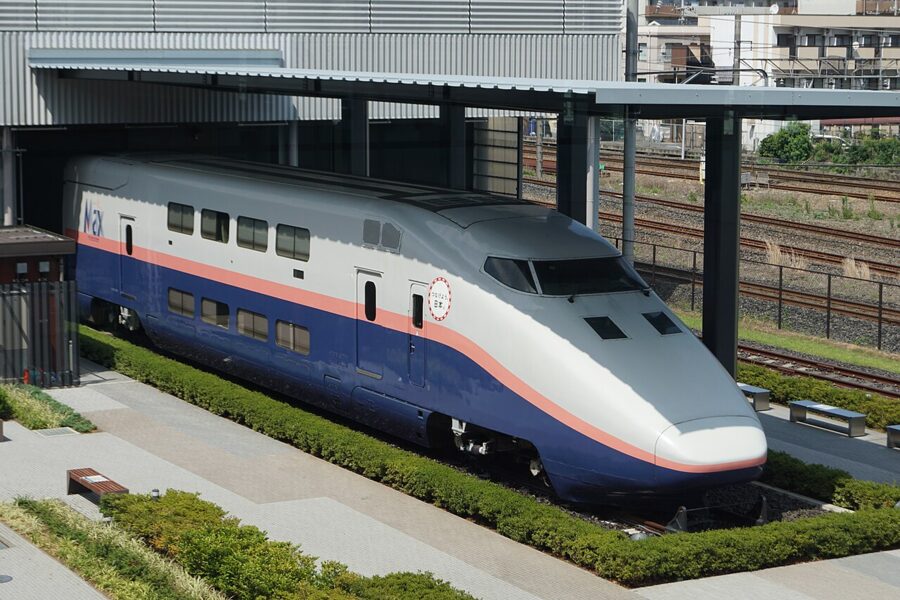
Outside the south building stands an E1 Max, the all-double-deck Shinkansen of 1994. Its interior is normally shut, but from 28 November to 6 December 2026 the museum is opening it for short guided visits at 13:30, for 20 groups a day through the raffle app.

The view deck over the Shinkansen
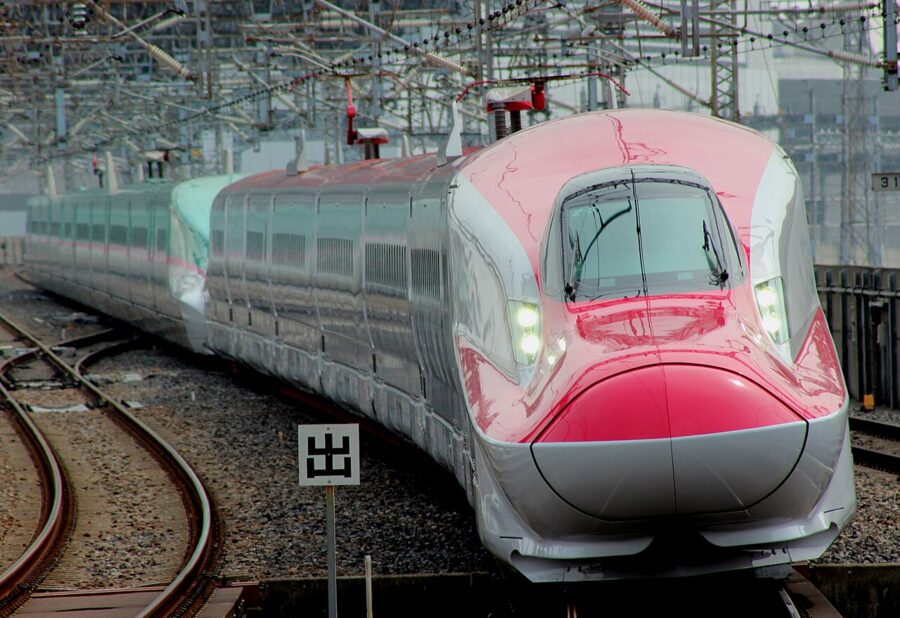
Three places look out on the Shinkansen viaduct. The Shinkansen Lounge on the third floor of the main building puts you level with the trains and the New Shuttle; the Panorama Deck on the roof of the main building has a view of about 300 degrees; and the Train Terrace on the south building’s roof is the one the museum calls its best viewpoint. Trains pass often, and an E5 and E6 running coupled is the one to wait for.

Simulators and slots
Teppaku’s simulators are its biggest draw, and the good ones are now allocated by draw on The Railway Museum Raffle App (てっぱく抽選アプリ). Install it at home (iOS 11.4 or Android 7.0 and later), because the museum’s free Wi-Fi only reaches the entrance, the Shinkansen Lounge and the south building. You can enter only from inside the museum grounds, with location services on.
How the raffle works
Choose a programme and a time slot and enter. Since 1 July 2026 each device may enter twice a day per programme, for different time slots; a win on the first draw ends your chances at that programme for the day. If both fail, switch notifications on: when a slot has no winner 20 minutes before it starts, it reopens on the app’s waitlist, and when you win, you show the win screen itself to the staff (screenshots are not accepted).
The Mini Driving Train has its own timing. Since 28 October 2026 its raffle opens at 10:00 for slots starting up to 14:05, and again at 13:00 for the 14:20 to 16:20 slots, with 274 winning slots a day. Decline in the app at least 20 minutes ahead if you cannot make it; once declined, that programme is closed to you for the day.
| Programme (as of 2026) | Fee | Who can drive | Length | How |
|---|---|---|---|---|
| Mini Driving Train | ¥600 (about US$4) per train, up to 3 aboard | Elementary school age and up; anyone can ride | About 6 minutes | Raffle |
| D51 steam simulator | ¥600 | Junior high school age and up | About 25 minutes | Raffle |
| E5 Shinkansen simulator | ¥600 | Elementary school age and up | About 20 minutes | Raffle |
| Conductor simulator (209 series) | ¥600 | Elementary school age and up | About 25 minutes | Raffle |
| Driver Experience Classroom (E233) | ¥600 | Elementary school age and up; years 1 to 4 with an adult | About 35 minutes | Raffle |
| 205, E233, 211 and E235 simulators | Free | Anyone | 3 to 7 minutes | Queue |
Credit cards are not accepted for the paid programmes, so bring cash. The museum also lists admission tickets with a slot already attached for the Mini Driving Train and the E5, D51 and conductor simulators, sold only through Seven Ticket, the 7-Eleven ticket service.
Which one to try for
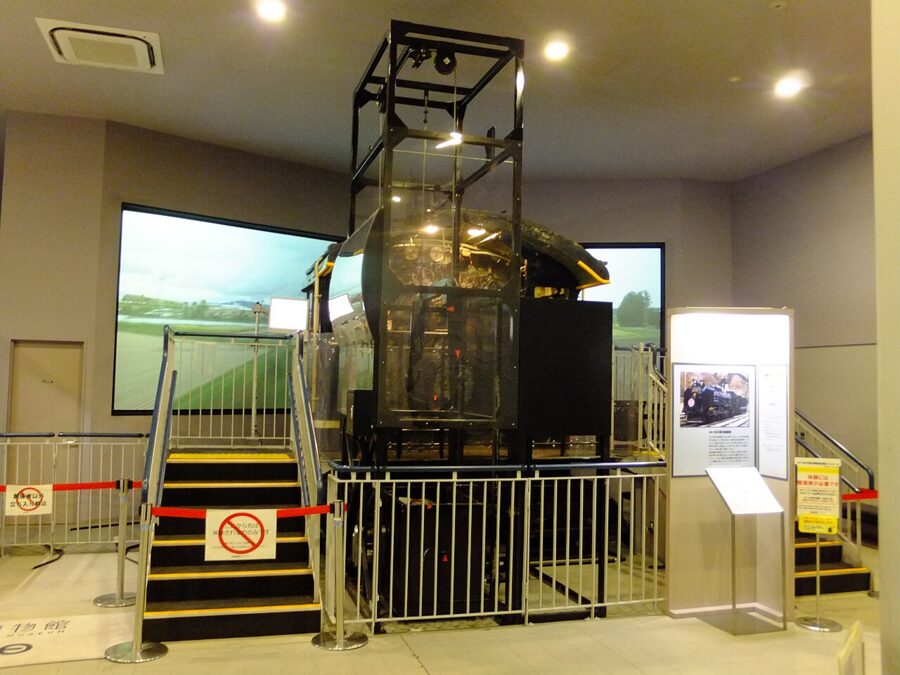
For an adult, the D51 is the one. It is built from the real cab of D51 426, whose front end stands in the entrance promenade, and it reproduces firing, steam pressure and the roll of a steam engine; a museum interpreter rides as your instructor. It is the only paid simulator restricted to junior high school age and up, which keeps the competition down.

The E5 simulator in the Job Station runs real film of the Tohoku Shinkansen, the line where the E5 reaches 320 km/h. The conductor simulator is the odd one out and the most instructive: you work the doors, watch the platform, check the starting signal and keep a hand on the emergency brake on a Keihin-Tohoku Line 209 series. The Driver Experience Classroom is a proper lesson on an E233 training desk, at beginner, intermediate and advanced levels at fixed times through the day.
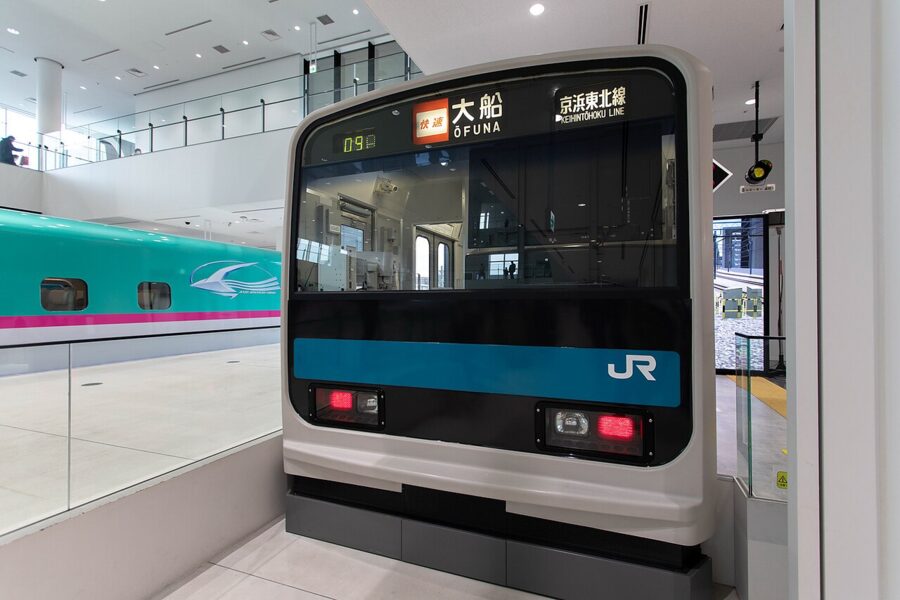

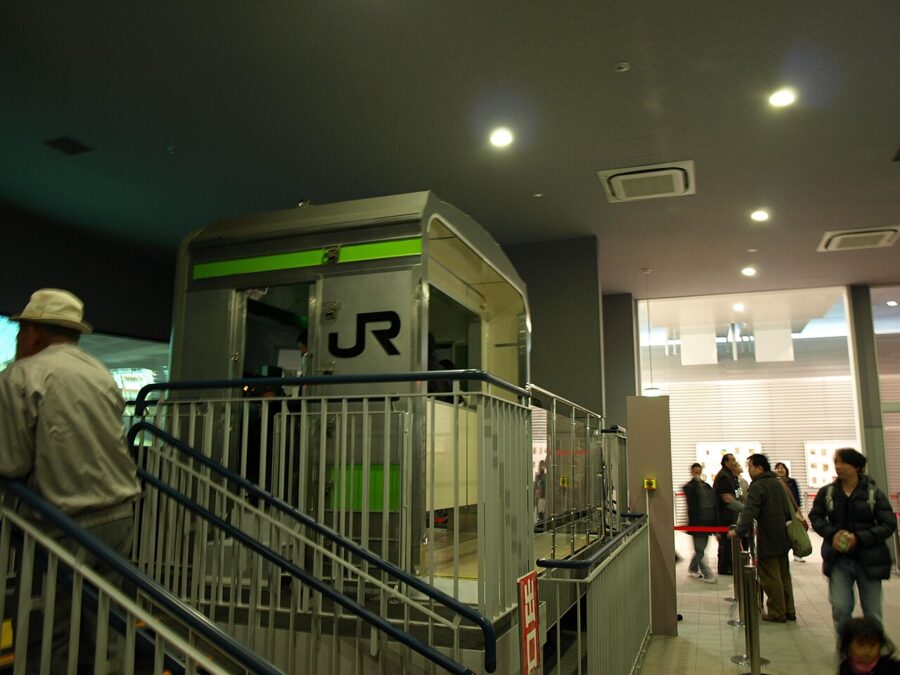
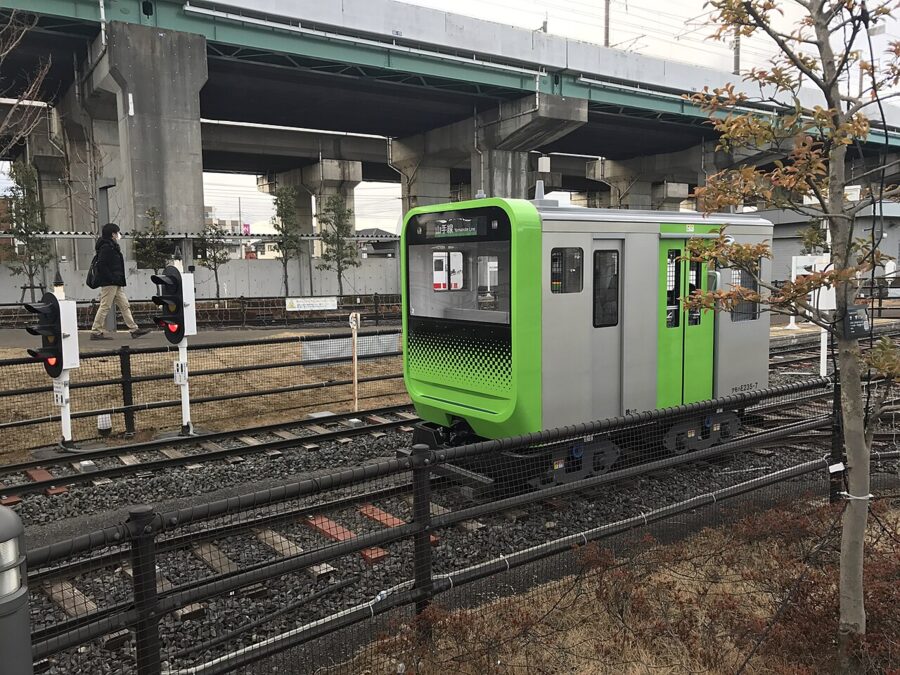
The free simulators in the Simulator Hall on the second floor are first come, first served, and each run lasts a few minutes. They cover four commuter types, the 205, E233, 211 and E235, and they are worth trying while everyone else is watching the turntable.

Food: ekiben in the museum
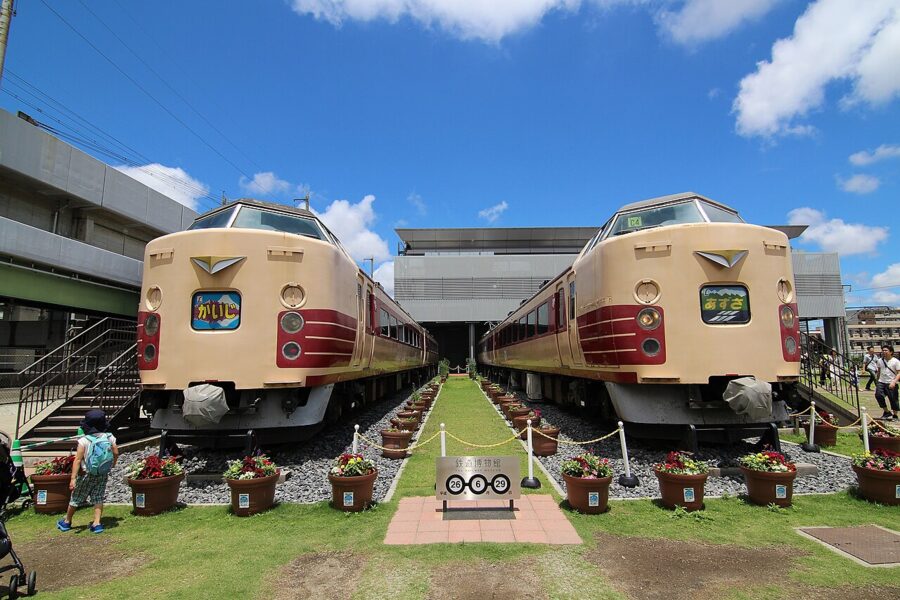
The museum’s Ekiben-ya (駅弁屋) stall sells a range of station lunch boxes, plus Shinkansen-shaped boxes for children, and the done thing is to eat them on a train. The 455 Lunch Train in the park zone and the 183 Lunch Train beside the south building are parked carriages kept as dining rooms, and you can eat your own food in them too. A second ekiben stall by the 183 opens on weekends and holidays only, and both close early once they sell out.

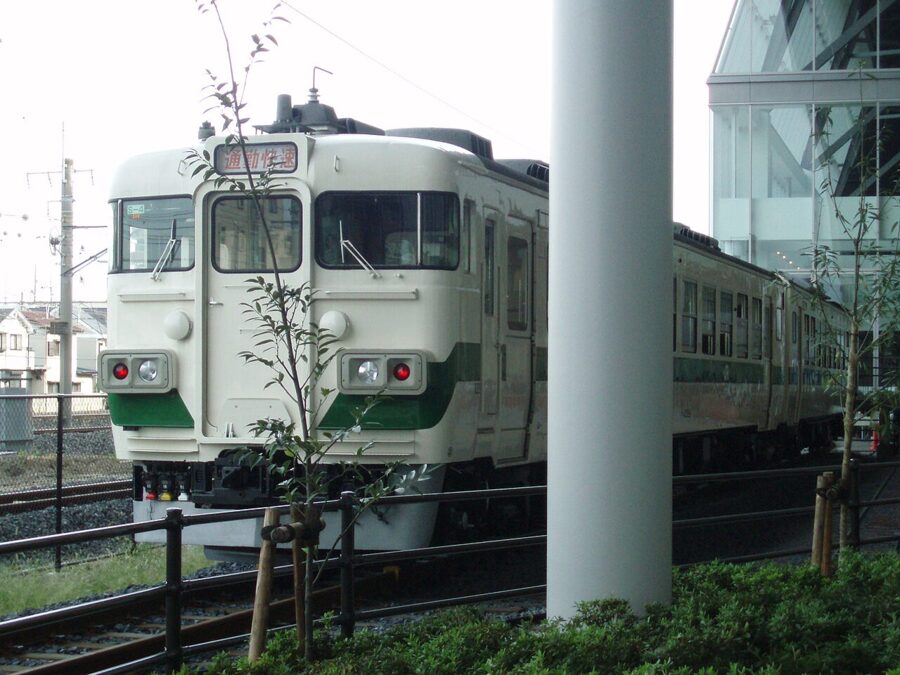
For a sit-down meal, the Train Restaurant Nippon Shokudō on the second floor of the main building is themed on the old dining cars and is the only full-service restaurant. The View Restaurant on the fourth floor of the south building looks out on the Shinkansen. The Kids Café in the park zone does one-handed food and takeaway.
Tokyo’s other train museums
Three of Tokyo’s private and subway operators run their own museums, each smaller and cheaper than Teppaku and each better on its own railway. The Tobu and Metro museums take less than two hours.
| Museum (as of 2026) | Station | Hours | Closed | Adult / child | Simulators |
|---|---|---|---|---|---|
| Railway Museum, Omiya | Tetsudō-Hakubutsukan (New Shuttle) | 10:00–17:00 | Tuesdays | ¥1,600 / ¥600 (on the day) | Many; paid ones by raffle |
| Romancecar Museum, Ebina | Ebina (Odakyu), next door | 10:00–17:00 | Tuesdays | ¥1,100 / ¥400 | LSE cab ¥500, booths ¥300 |
| Tobu Museum, Higashi-Mukojima | Higashi-Mukojima (Tobu Skytree Line), next door | 10:00–16:30 | Mondays | ¥200 by IC (¥210 cash) / ¥100 | 50050, 8000 and a bus |
| Metro Museum, Kasai | Kasai (Tozai Line), under the viaduct | 10:00–17:00 | Mondays | ¥220 / ¥100 | Subway driving simulators |
| Kyoto Railway Museum | Umekoji-Kyotonishi (JR) | 10:00–17:00 | Wednesdays | ¥1,500 / ¥500 | Steam train ride ¥300 |
Romancecar Museum, Ebina
Odakyu’s museum opened in 2021 beside Ebina Station, about 50 minutes from Shinjuku. The gallery holds six retired Romancecar types in a mock depot: the 3000 SE of 1957, which set a narrow-gauge speed record of 145 km/h, the NSE, LSE, HiSE and RSE, and since 19 March 2026 the white VSE. Some can be boarded.
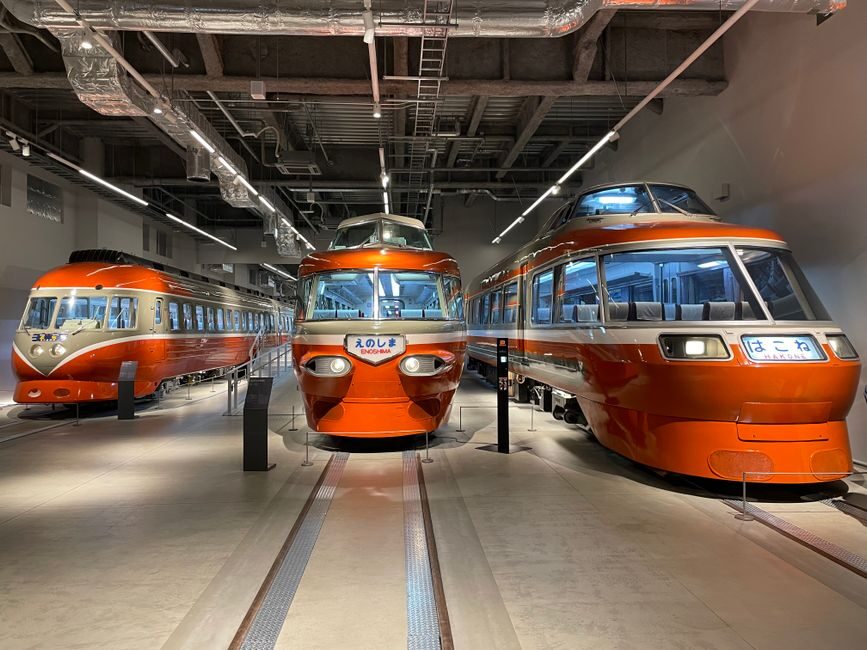
Admission is ¥1,100 (about US$7) for adults and ¥400 for elementary school children, paid on arrival by IC card, cash or credit card. The LSE simulator, built from a real retired cab, costs ¥500 (about US$3) from the white machine after you enter; the three ¥300 Lite booths are partly bookable seven days ahead. The museum still asks for a free timed reservation but lets walk-ins in when there is room. Together the six cars trace the history of the Odakyu line from 1957 to the VSE’s retirement in 2023.
Tobu Museum, Higashi-Mukojima
The Tobu museum sits beside Higashi-Mukojima Station on the Skytree Line and costs ¥200 (about US$1) by IC card. Its SL show runs at 11:00, 13:40, 14:40 and 16:00, when a steam locomotive sounds its whistle and turns its wheels for about three minutes. There are simulators of a 50050 series and an 8000 series and a bus driving seat.
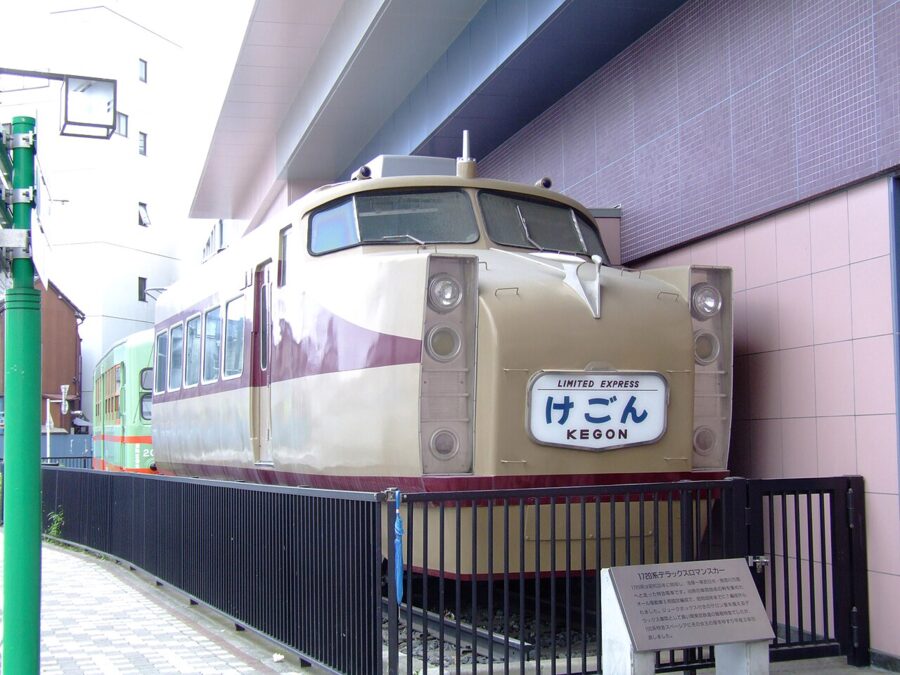

The collection includes the 1924 electric car DeHa 5, the Nikko tram 203, a 5700 series and the front of the 1720. There is no re-entry, and eating is allowed only in the rest area, so bring lunch with you. The museum’s opening page lists the closing days, and the collection follows the history of Tobu Railway from its first electric cars to the Nikko expresses.

Metro Museum, Kasai
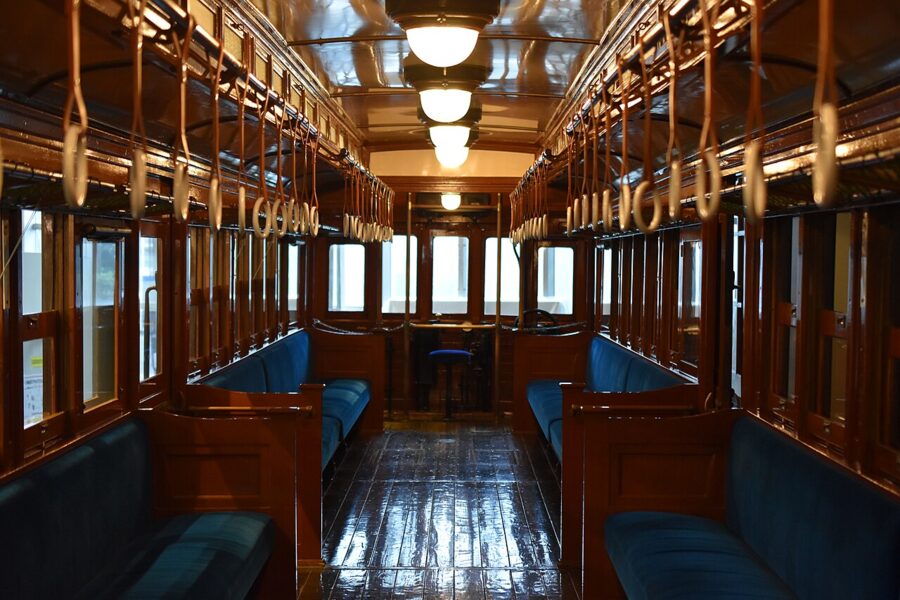
The Tokyo Metro museum is under the Tozai Line viaduct at Kasai Station, and costs ¥220 (about US$1) for adults and ¥100 for children from four to junior high school age. Its centrepiece is car 1001, the yellow 1927 car that opened the Ginza Line, Asia’s first subway, and now an Important Cultural Property. Its doors are usually shut and opened only for events.
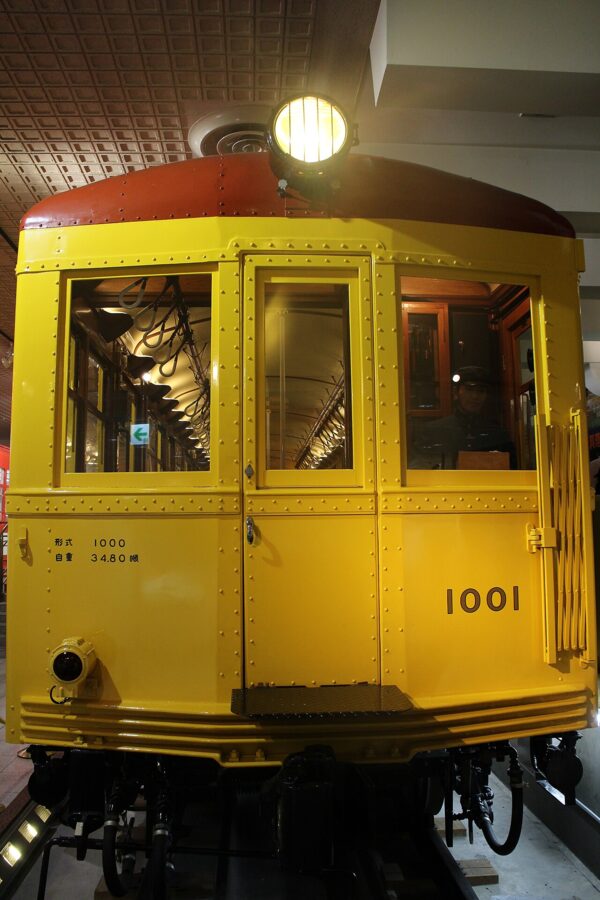

The museum opens 10:00 to 17:00 with last entry at 16:30, and closes on Mondays (the next day when Monday is a holiday). There are subway driving simulators, a cut-away tunnel section and the 01 series front of the Ginza Line’s 1980s fleet. Car 1001 is the first chapter in the history of the Tokyo subway.
The Kyoto Railway Museum, for comparison
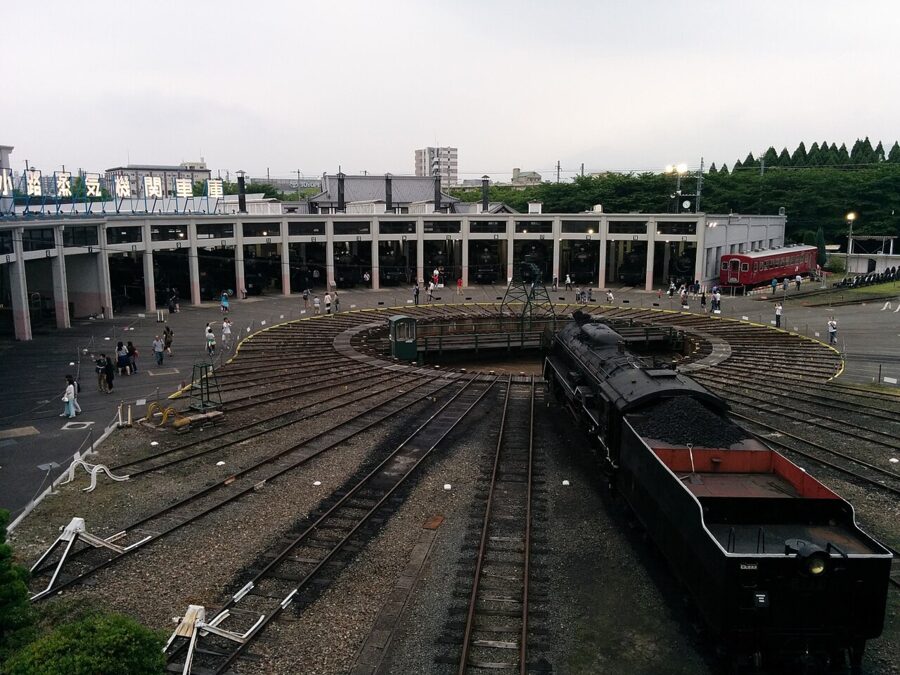
If you are going to Kyoto anyway, the Kyoto Railway Museum is Teppaku’s western equal, and the better one for steam. Its working roundhouse at Umekoji keeps steam locomotives in steam, and the SL Steam ride costs ¥300 for adults, separately from ¥1,500 admission (as of 2026). It closes on Wednesdays.

With children, and a visit in order
The busiest days are weekends and the spring, summer and winter breaks; the quietest are weekday afternoons outside them.
With children
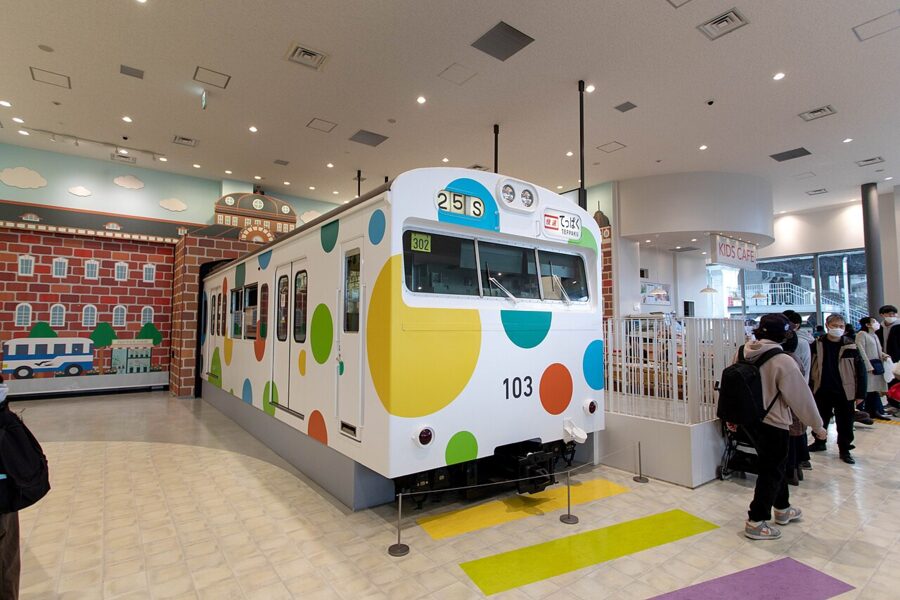
Start the raffle at 10:00 for the Mini Driving Train: children from elementary school age drive, and up to three people ride, so a family of three needs one win. Younger children get the Kids Plaza, with a 103 series commuter car, a Plarail zone and a play ekiben counter, and the Teppaku Hiroba playground outside, open 10:50 to 16:00 (10:00 to 16:00 from December to February). The Mini Shinkansen ride around the playground costs ¥200, with one adult per preschool child.

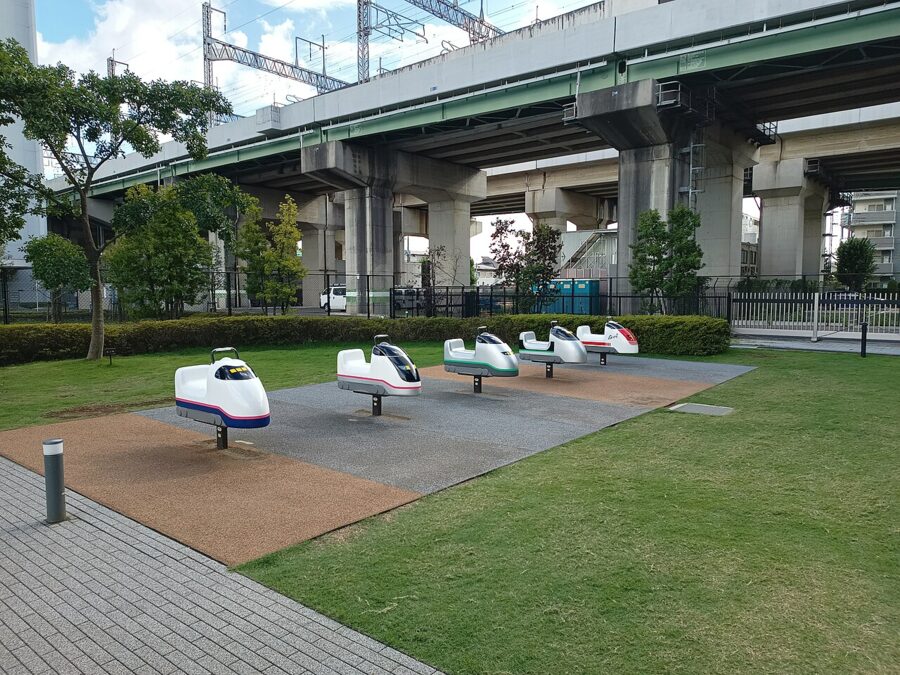

Pushchairs can be rented at the entrance counter, the lunch trains suit small children better than the restaurants, and three to four hours is usually enough. If your child is set on the E5 simulator, enter both draws for it in the morning and try the free 205 and E233 desks in between.
Without children
Go on a weekday outside the school holidays. Spend the morning in the main hall and the gallery, put your name into the D51 raffle, and save the History Station and the library for the afternoon; the library holds over 40,000 books and old timetables and needs a phone booking. The museum also runs evening openings for adults and Saturday lectures in its theatre at times through the year, listed on its programmes page and news.
A visit in order
- 09:20 Ueno-Tokyo Line from Tokyo Station to Omiya, about 31 minutes; New Shuttle one stop.
- 10:00 In through the gates, open the raffle app, enter the Mini Driving Train and one simulator.
- 10:15 Rolling Stock Station: No. 1, the imperial carriages, Maite 39, the 0 series; the free volunteer guide tour also starts at 10:15.
- 11:00 Diorama commentary on the second floor.
- 12:00 Turntable and whistle from the upper gallery, then ekiben in the 455 Lunch Train.
- 13:00 Teamwork show in the Job Station; second raffle round for the afternoon Mini Driving Train slots.
- 14:00 South building, History Station, then the Train Terrace and the Panorama Deck for the Shinkansen.
- 15:00 Second turntable demonstration, or the free simulators while everyone else watches it.
- 16:30 Last entry and last simulator slots; New Shuttle back to Omiya.
Install the app the night before, buy your ticket by midnight, and be inside at 10:00 with your phone out. The whistle at noon will find you wherever you are.