
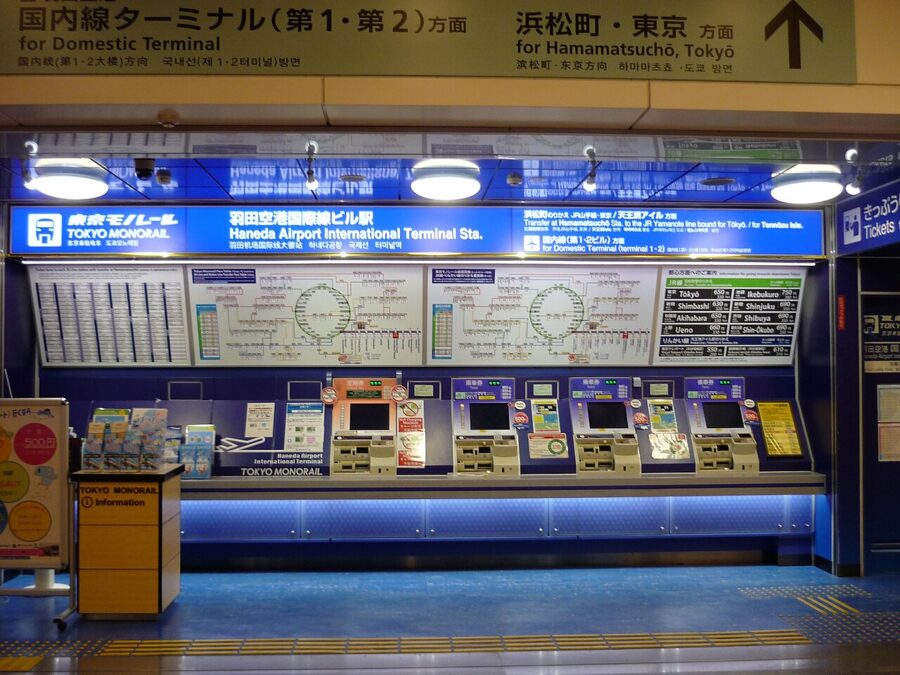
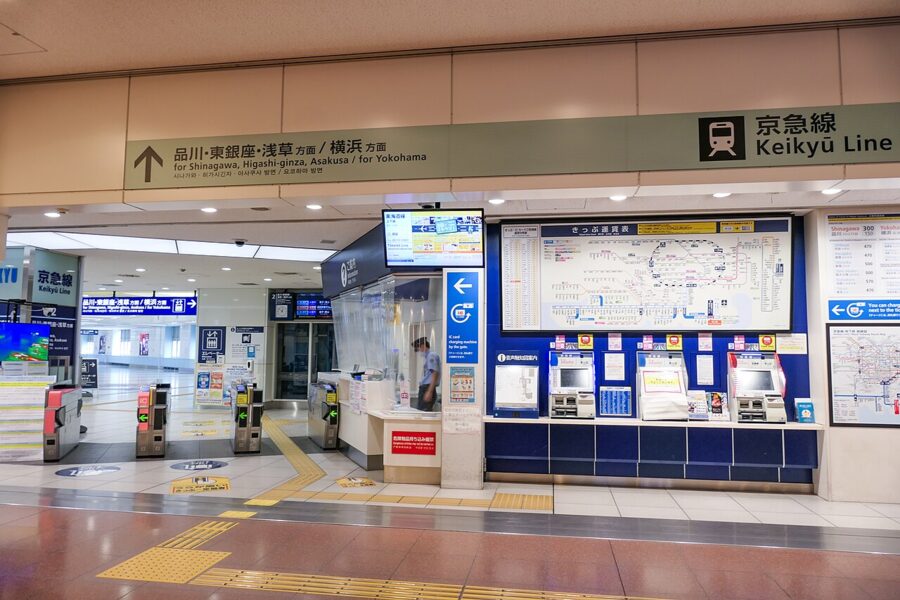
The ticket machines beside the Tokyo Monorail gates at Haneda Airport Terminal 3 will sell you a paper ticket into the city in about twenty seconds. Buy one and you will be back at a machine like it before lunch, reading a fare map upside down for the next ride, and again after that.
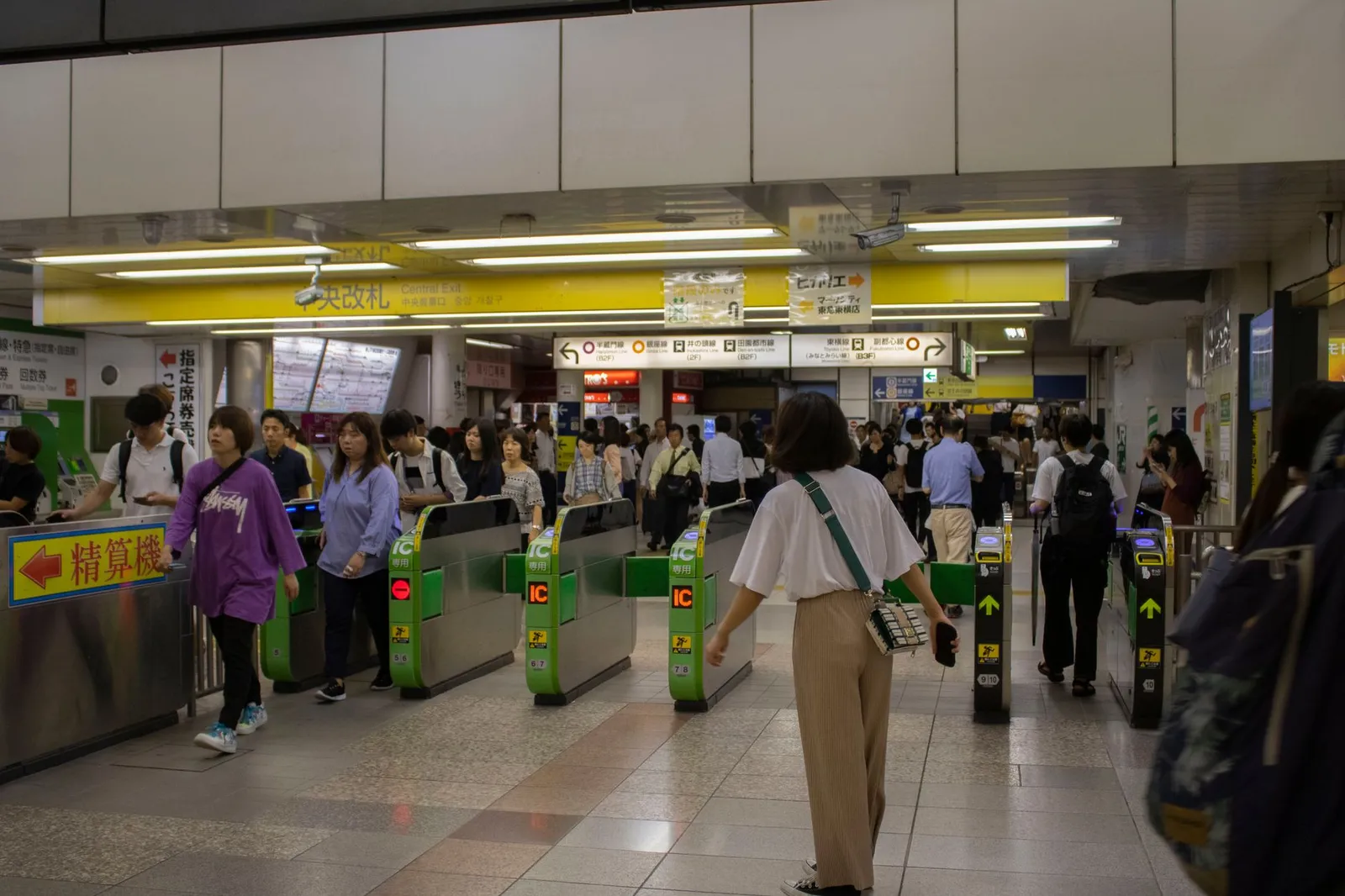
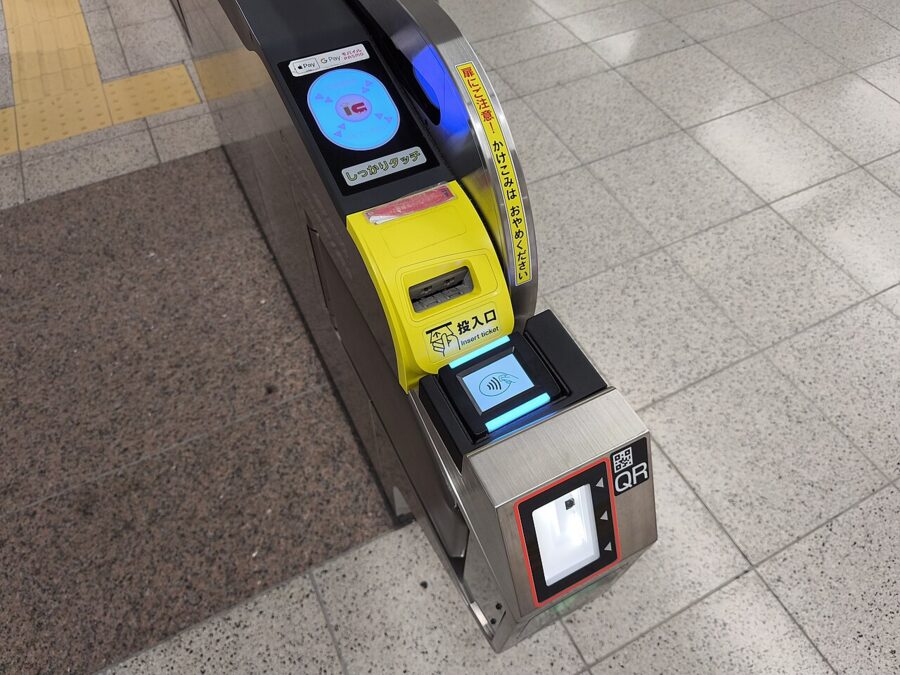
Almost everyone walking past you is holding something else: a Suica, a PASMO, or a phone with one of them inside it. You tap it on the reader going through the gate, tap again on the way out, and the fare comes off the balance to the yen. In the same station, a JR East Travel Service Centre and its own machines sell the version made for short-stay visitors, and that is usually the first decision of a Tokyo trip.
It is an easier decision than it was two years ago. The plastic cards that disappeared during the chip shortage are back, a free iPhone app now does the whole job without a queue, and a new PASMO for visitors went on sale at both airports in May 2026. Each card has its own deposit, refund rule and expiry, though, and the one that suits five days in Tokyo is not the one for a family on a month of rail travel.



What the card pays for
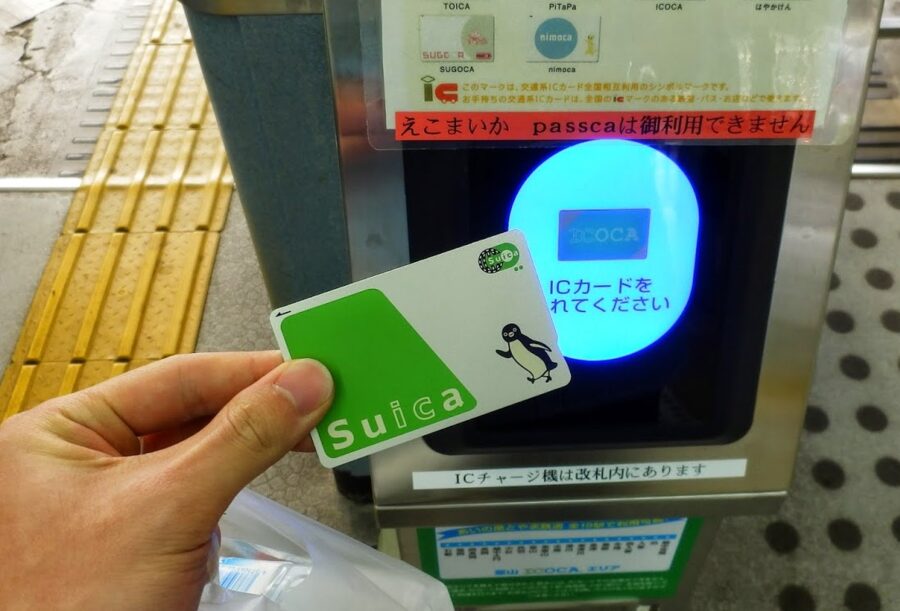
Every railway you are likely to use in Greater Tokyo takes it: the lines of JR East, including the Yamanote loop, the Tokyo Metro and Toei lines that make up Tokyo’s subway, the Tokyo Monorail, and the private railways out to the suburbs and airports. That means Odakyu, Keio, Tokyu, Tobu, Seibu, Keisei and Keikyu. A Suica opens a PASMO railway’s gates and a PASMO opens JR’s; for riding, the two are interchangeable.
Outside Tokyo the card works wherever you see the IC logo. Ten transport cards, from Kitaca in Hokkaido to SUGOCA in Kyushu, accept each other on trains and buses, so a Suica pays for the Osaka Metro and an ICOCA bought in Kyoto works in Tokyo. The one gap is shopping in the Kansai PiTaPa network: the trains take your card, but JR East says those shops do not accept Welcome Suica.
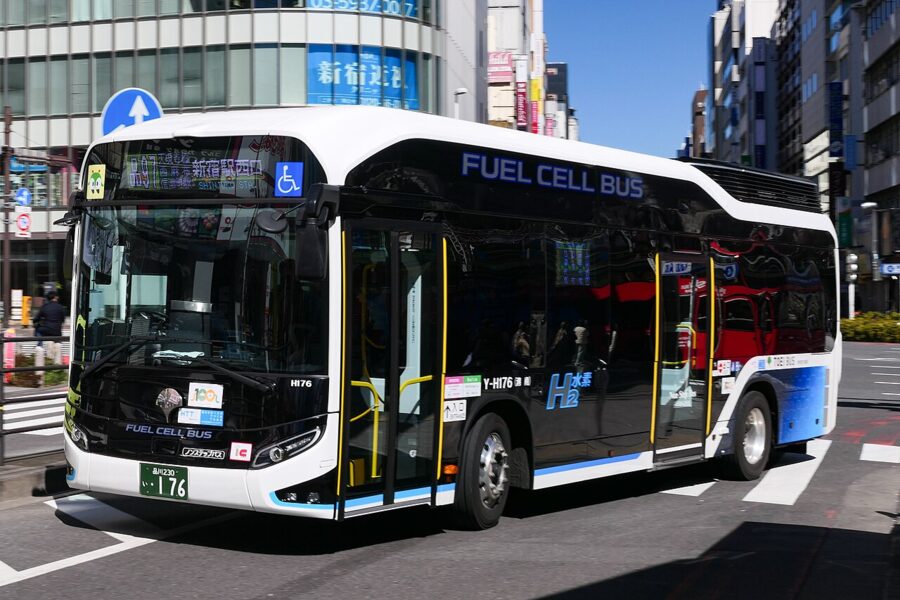
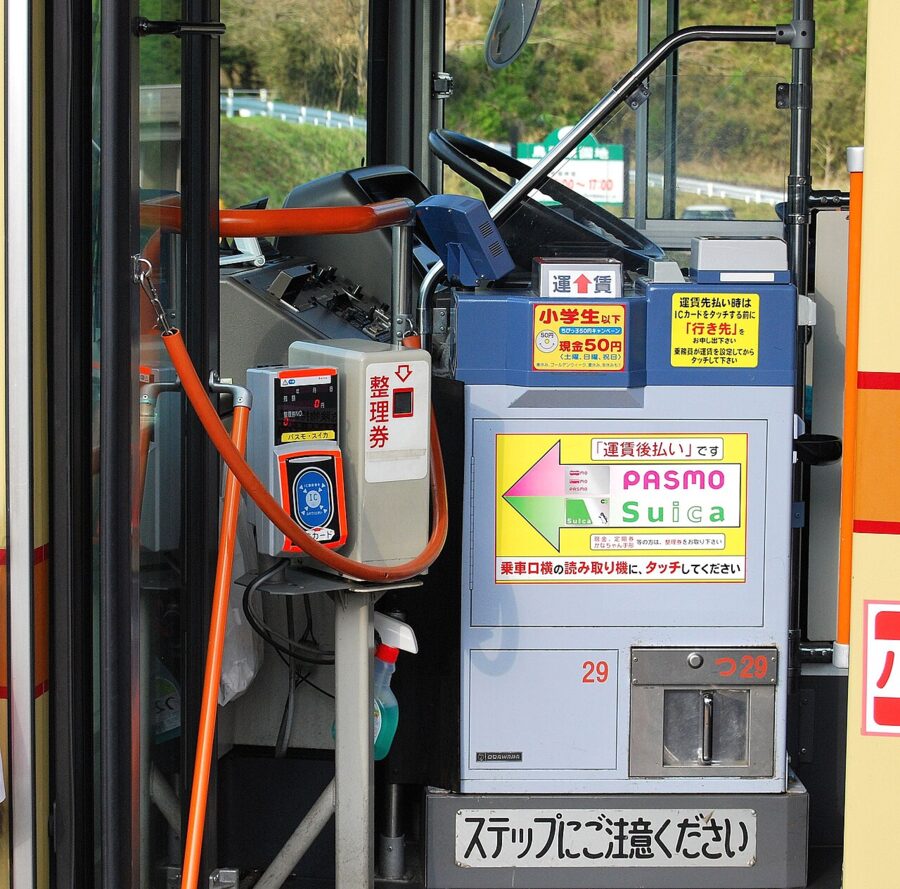
Buses are where the card saves most fumbling. A Toei bus in the 23 wards costs ¥210 (about US$1.30) by cash or card alike, but cash means coins and change at the driver’s elbow, and the fare box takes no note bigger than ¥1,000 (about US$6). Some taxis have a reader too, not all, so ask before you get in if the card is all you carry.
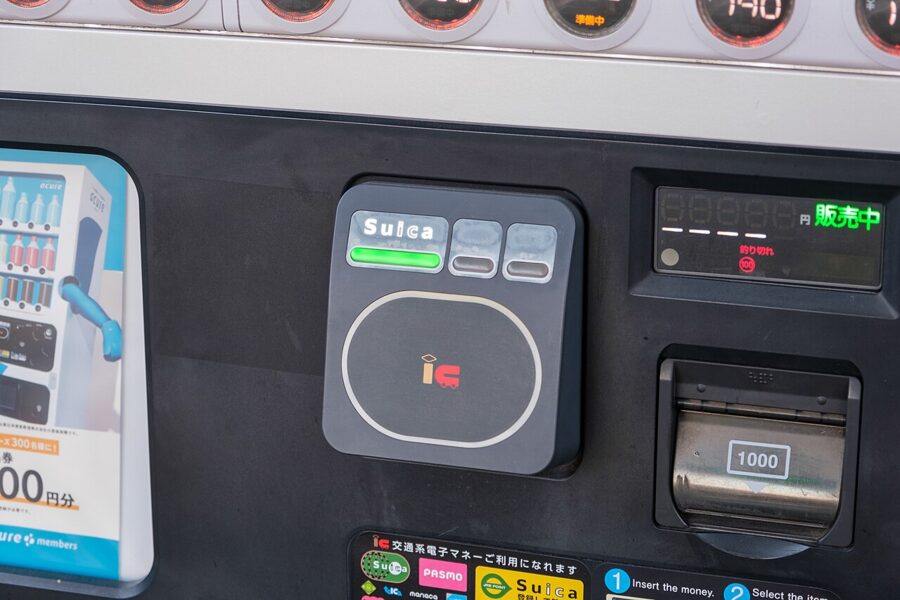
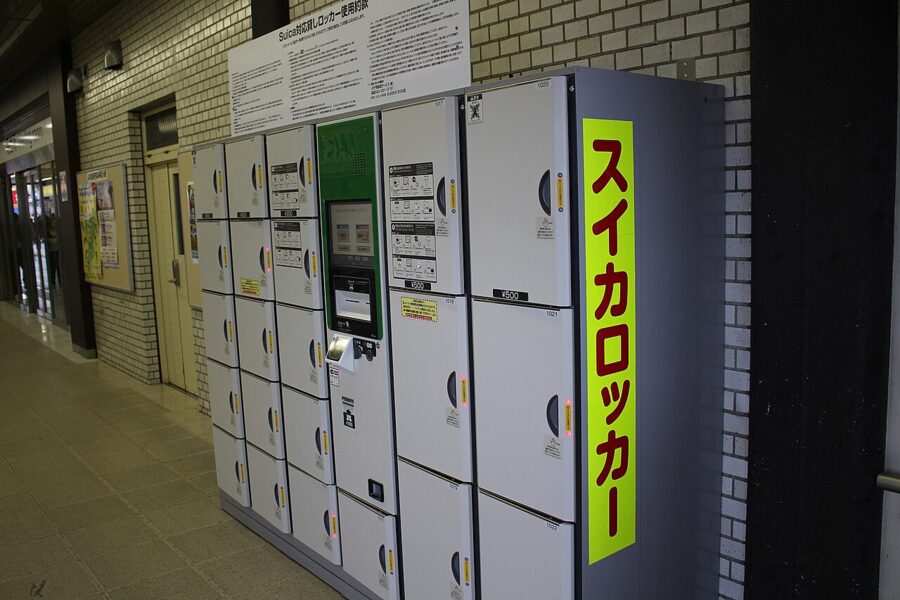
A topped-up card also pays at convenience stores, station kiosks, vending machines, many chain restaurants and the trolley on long-distance trains. Station coin lockers take it as payment and key: tap to lock, tap the same card to open, and keep the receipt, which names the locker bank. A locker will not split a payment between card and cash.


The cards on sale in 2026
There are two families. The visitor cards, Welcome Suica and TOURIST PASMO, are sold loaded with ¥1,000 to ¥10,000 (about US$6 to US$63), have no deposit and no refunds, and expire. The standard Suica and PASMO carry a ¥500 (about US$3) deposit, give your balance back when returned, and last for years. On a phone, a Suica or PASMO in Apple Wallet has no deposit and no fixed expiry, while the Welcome Suica Mobile app lasts 180 days.
| Card | Where you get it | Deposit | Valid for | Money back |
|---|---|---|---|---|
| Welcome Suica (card) | JR East Travel Service Centres at the Narita and Haneda Terminal 3 stations and at Tokyo, Shinjuku, Shibuya, Ikebukuro, Ueno, Yokohama and Sendai; Welcome Suica machines at the three airport stations | None | 28 days, including the day of purchase | None |
| Welcome Suica Mobile (iPhone app) | App Store; topped up through Apple Pay | None | 180 days from issue | None |
| TOURIST PASMO (card) | Keikyu at Haneda Terminals 1, 2 and 3 (¥1,000 to ¥10,000); Keisei information centres at Narita Terminals 1 and 2 (¥2,000, about US$13) | None | 28 days from purchase | None |
| Suica (card) | Multi-function ticket machines and ticket offices at JR East stations in the Suica area | ¥500 | Lapses after 10 years unused | Balance minus ¥220 (about US$1.40), plus the deposit, at JR East stations |
| PASMO (card) | Ticket machines and counters at Tokyo Metro, Toei and private railway stations | ¥500 | No 28-day limit | Balance minus ¥220, plus the deposit, at PASMO railways |
| Suica, PASMO or ICOCA in Apple Wallet | The Wallet app on iPhone or Apple Watch | None | As long as you keep it | Only through the operator’s Japanese-language app |
Welcome Suica
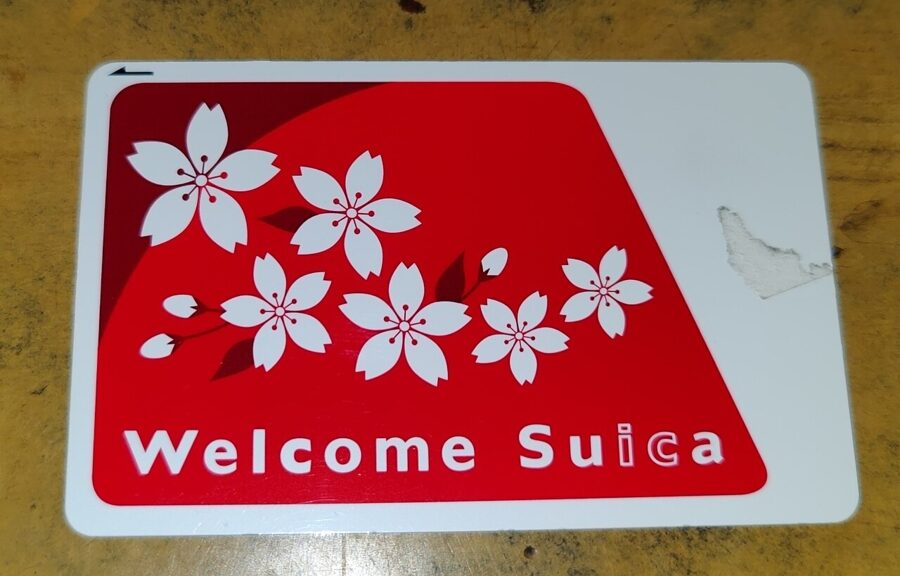
Welcome Suica is JR East’s short-stay card, sold in values of ¥1,000, ¥2,000, ¥3,000, ¥4,000, ¥5,000 and ¥10,000. The 28 days start the day you buy it and the card is dead on the 29th, whatever is left on it. In principle JR East sells one per person.
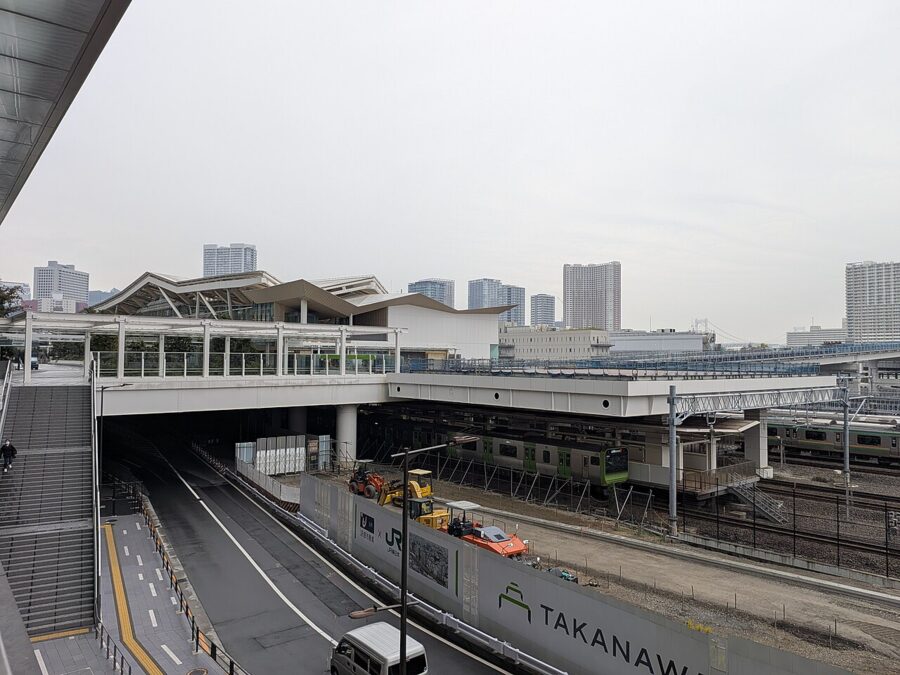
Besides the counters in the table, it is sold at JAPAN RAIL CAFÉ at Tokyo Station and the Travel Service Centre at Takanawa Gateway. As of November 2026 JR East lists sales at Kawasaki, Tachikawa, Omiya, Kashiwa, Funabashi, Fukushima and Niigata as temporarily halted. A six-month version exists, but only in bulk for travel companies; no counter will sell you one.

Some JR East passes can be loaded onto the card at purchase: the Tokyo 1-Day Ticket, the Tokunai Pass for JR lines in the 23 wards, the Yokohama Minatomirai Pass and the NONBIRI Holiday Suica Pass. The pass dates go on the reference paper, not the card.
Welcome Suica Mobile
For an iPhone owner this is now the simplest card in Japan. Welcome Suica Mobile is a free JR East app in English: you set a secret keyword (no membership), turn on Location Services, and it issues a Suica into Apple Wallet that you top up from the card already in Apple Pay. There is no deposit or fee, the balance is valid for 180 days from issue, and none of it is refunded.
The app needs iOS 17.2 or later, works on Apple Watch Series 3 or later, and is for users aged 13 and over. JR East warns that the law in some countries stops you setting it up or adding money until you land, so if it refuses at home, try again at the airport. Turn on Express Mode, and keep the phone charged: if it dies inside the gates, you pay that fare in cash.
The app does more than the card. It sells Green Car tickets for JR East’s local and rapid lines, books Shinkansen and limited express seats through JR-EAST Train Reservation, and rides non-reserved Shinkansen seats on JR East with no registration. In November 2026 it added a Sanrio card face, if that sways you.
Suica, PASMO and ICOCA in Apple Wallet
Any iPhone 8 or later (iPhone 7 for Suica) can create a standard Suica, PASMO or ICOCA in Wallet: tap the plus button, choose Transit Card, pick the card and an amount. Apple asks for an Apple Account with two-factor authentication and an eligible payment card in Wallet. This card does not expire after 180 days, which suits anyone who comes back.
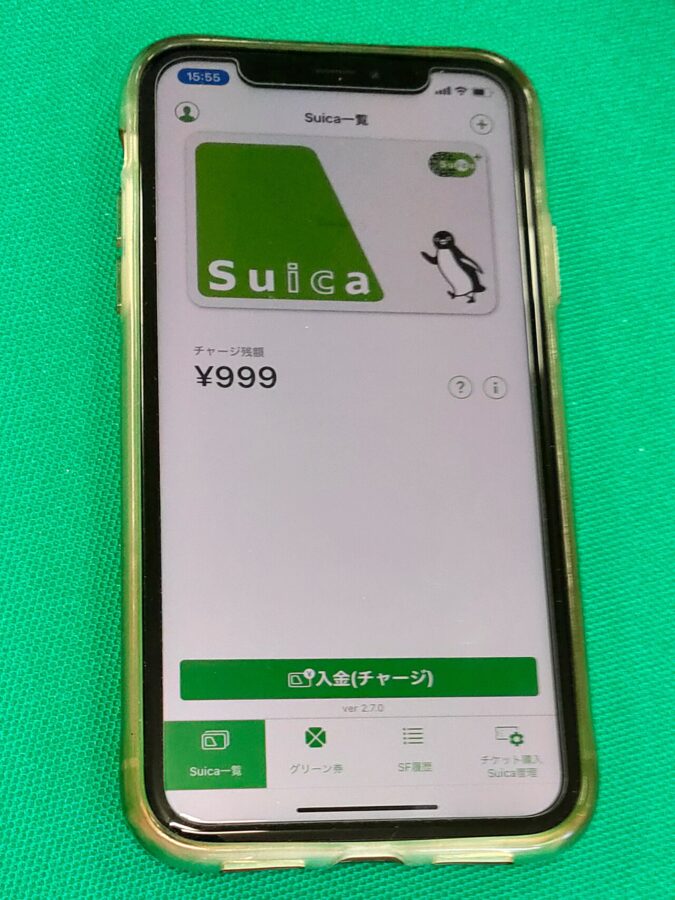

You can also move a plastic card onto the phone: rest the top of the iPhone on the card, and the balance transfers, the plastic stops working and the ¥500 deposit joins the balance. A card lives on one device at a time. If station staff need to fix it, switch on Service Mode in Wallet before handing the phone over.
TOURIST PASMO, which replaced the PASMO PASSPORT
PASMO’s old visitor card, the Sanrio-decorated PASMO PASSPORT, had already gone off sale when all handling ended on 11 October 2024. Its successor, TOURIST PASMO, was announced in April 2026 and went on sale in May at both airports, in a design built from kanji around the character for travel. It works like Welcome Suica: no deposit, 28 days, no refund.
At Haneda, Keikyu sells it from a machine at the Terminal 1 gate and another at the Terminal 2 gate, and at Terminal 3 from its Tourist Information Center on the second-floor arrivals level and the machine beside it; those machines take credit cards. At Narita, the Skyliner & Keisei Information Centers in the Terminal 1 and Terminal 2 stations sell a single ¥2,000 card. The whole price is fare credit.


Plain Suica and PASMO, back on sale
In June 2023 the worldwide semiconductor shortage stopped sales of anonymous Suica and PASMO cards, and personalised ones followed that summer. JR East put the plain Suica back on sale on 1 March 2025, and both standard cards are sold normally again.
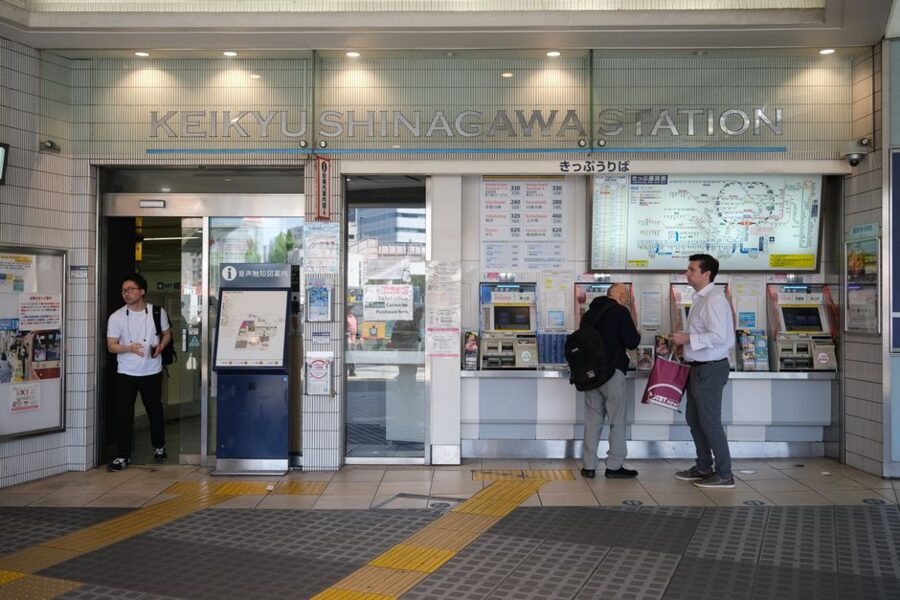
A standard Suica costs ¥1,000 to ¥10,000 at a multi-function ticket machine or ticket office in the Suica area, and ¥500 of that is the deposit. A standard PASMO is either blank, usable by anyone but irreplaceable if lost, or personalised with your name, gender, birth date and phone number, which can be reissued. A blank PASMO always charges adult fares. If you like the Suica penguin, enjoy him while he lasts: JR East retires him in March 2027.
Android phones
This is where the phone route stops for most overseas visitors. Google Wallet holds a Suica or PASMO only on an Osaifu-Keitai phone, in practice a model sold in Japan, and PASMO says Android devices bought abroad are generally not compatible. Even FeliCa-capable Pixel and Galaxy watches must be bought in Japan. With an Android phone from home, get a plastic card.
Buying, topping up and getting money back
At Narita and Haneda
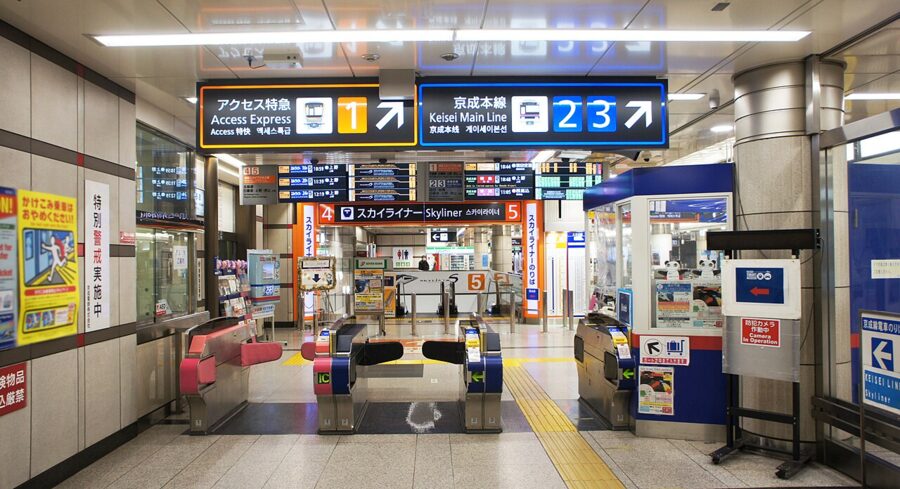
Narita has both families under one roof: the JR stations at Terminal 1 and Terminals 2·3 have a Travel Service Centre and Welcome Suica machines, and the Keisei stations beside them sell TOURIST PASMO. Haneda splits them: Welcome Suica at the monorail station in Terminal 3 only, TOURIST PASMO from Keikyu at all three terminals. Standard cards come from the regular machines, for cash.

Topping up
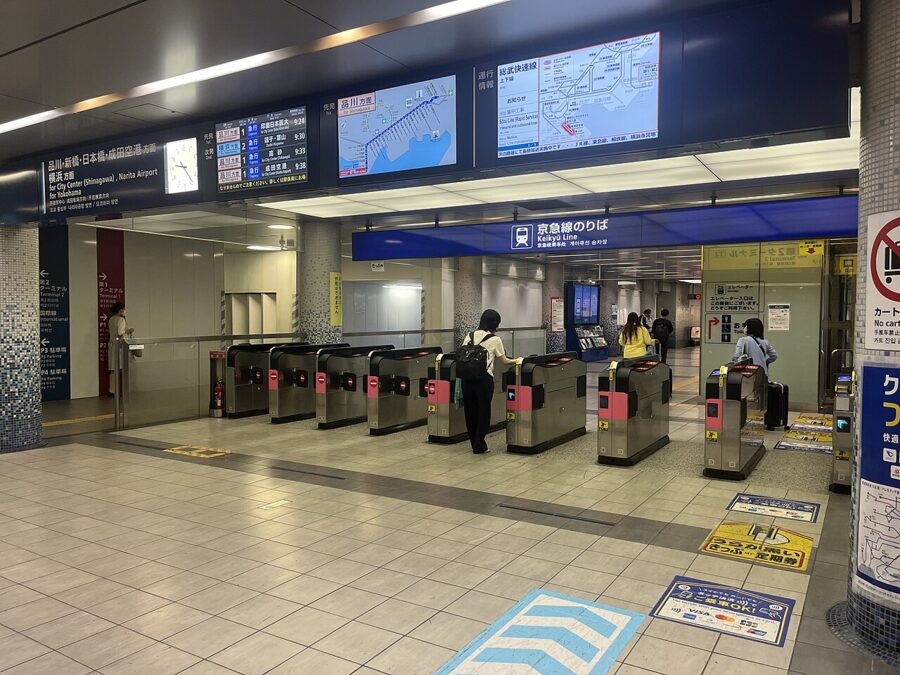
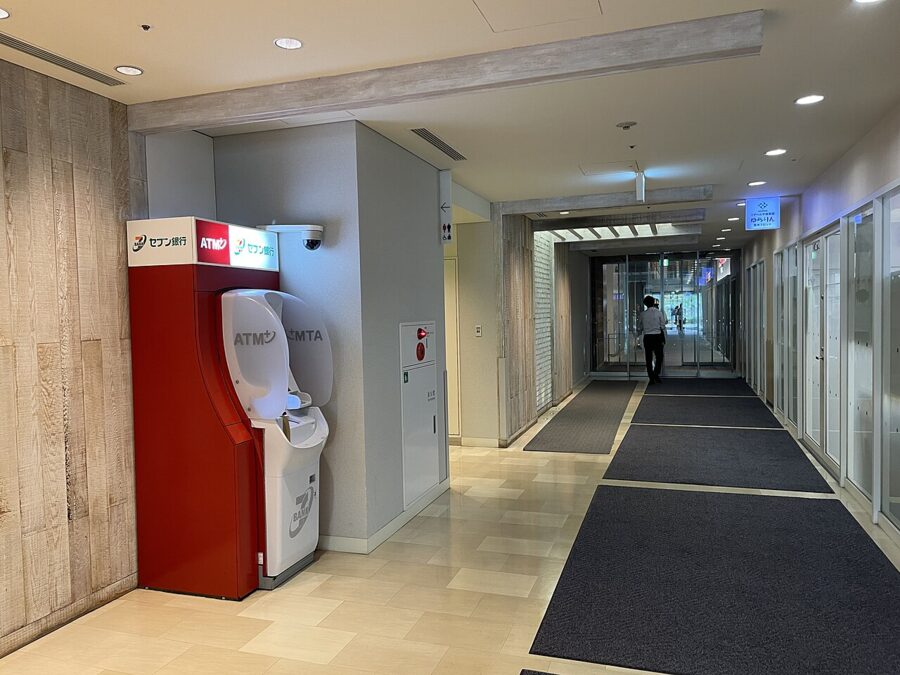
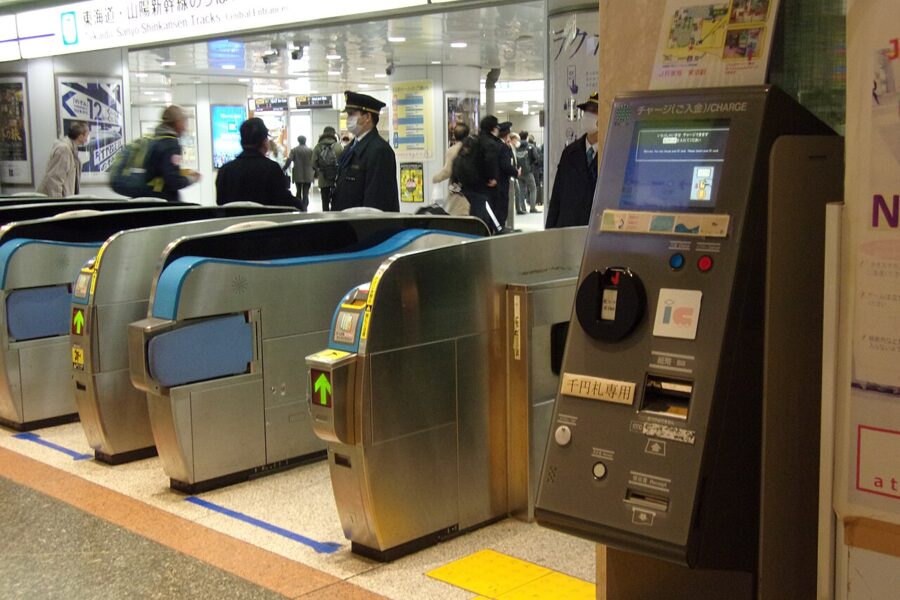
Plastic cards take cash only. Any ticket machine or fare adjustment machine with the IC logo adds ¥500, ¥1,000, ¥2,000, ¥3,000, ¥5,000 or ¥10,000 to a Suica, and PASMO machines work the same way. Convenience stores add money at the till, and Welcome Suica can be topped up at Seven Bank ATMs.

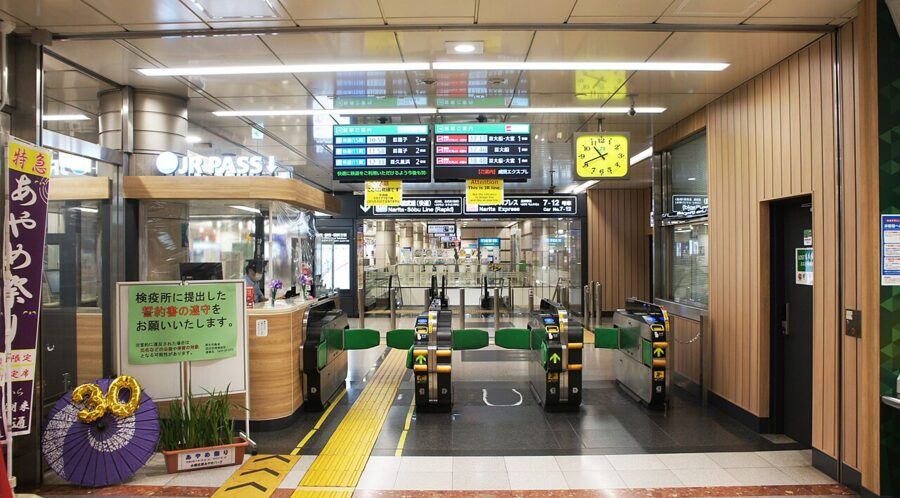
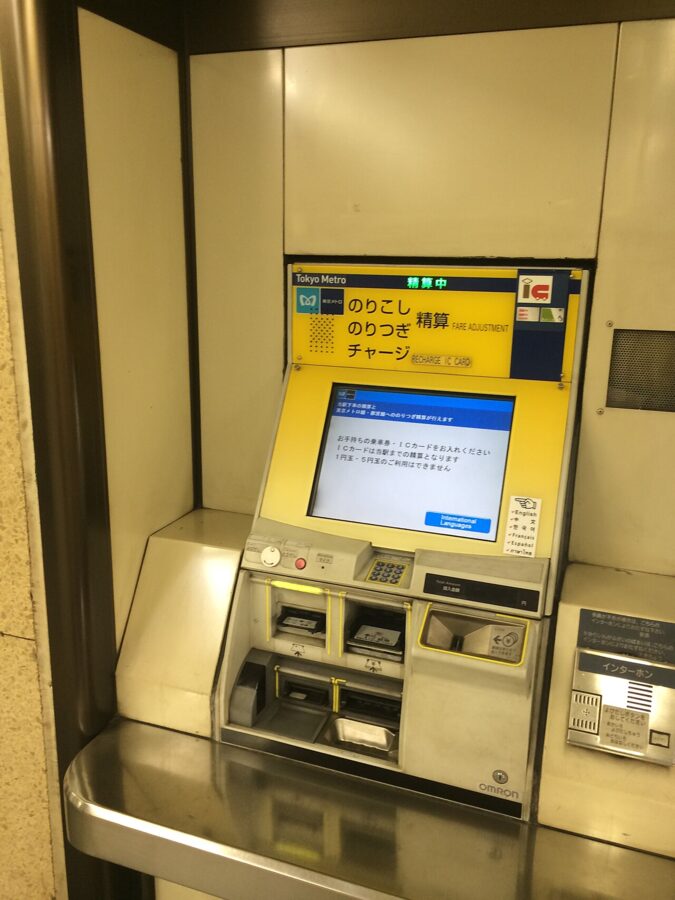
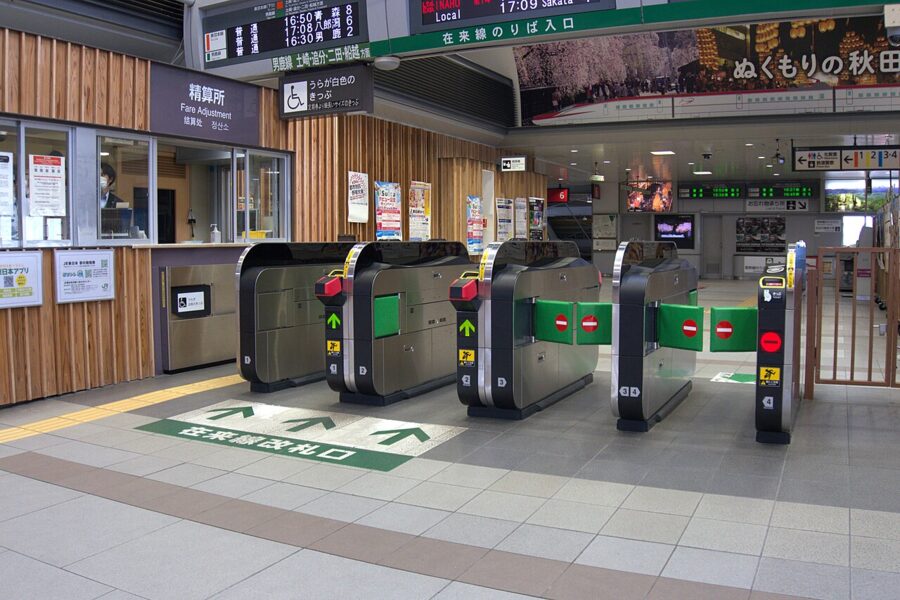
Run short mid-journey and the exit gate closes on you. Step back to the fare adjustment machine (のりこし精算機) just inside the gates, insert or tap the card, add cash and go out again. On a bus, tell the driver you want to top up; PASMO’s rules say buses take ¥1,000 notes and stop at about ¥10,000 on the card.

The ¥20,000 ceiling
No Suica or PASMO, card or phone, holds more than ¥20,000 (about US$126). That is plenty for transport, less so for a hotel bill. JR East added a code-payment service, teppay, to its Japanese Mobile Suica app in autumn 2026 for bigger purchases; it is built for residents and does not change what the card itself holds.
Deposits and refunds
A standard Suica goes back at a JR East ticket office in the Suica area, which refunds the balance minus ¥220 and adds the ¥500 deposit: ¥1,000 on the card returns ¥1,280, and under ¥220 returns just the ¥500. Only JR East-issued cards go back to JR East, which catches people out at Haneda. A Suica from a Tokyo Monorail machine is a Monorail Suica, refunded by the monorail.
PASMO works the same way at the railway that sold it: balance minus ¥220, plus ¥500, and you hand the card in. The visitor cards refund nothing, so spend them down in a convenience store on the way to the airport. Phone cards carry no deposit and refund only through Japanese-language apps, so aim for a zero balance.
IC fare versus ticket fare
The card is not a discount scheme, but it is never the dearer way to pay. On 14 March 2026 JR East raised fares for the first time since privatisation, apart from tax changes, and folded its cheaper Yamanote and central Tokyo bands into the main scale. As reported at approval, the shortest JR ride is now ¥160 (about US$1) by ticket and ¥155 by card, and Tokyo to Shinjuku ¥260 (about US$1.60) against ¥253. Paper fares now round up to the next ¥10, so the IC fare is always equal or lower.
Tokyo Metro shows the same small gap: up to 6 km is ¥180 (about US$1.10) by ticket and ¥178 by card, 12 to 19 km ¥260 against ¥252. Both include a ¥10 barrier-free charge.

| Journey (as of November 2026) | Paper ticket | IC card |
|---|---|---|
| JR East, shortest fare | ¥160 | ¥155 |
| JR East, Tokyo to Shinjuku | ¥260 | ¥253 |
| Tokyo Metro, 1–6 km | ¥180 | ¥178 |
| Tokyo Metro, 12–19 km | ¥260 | ¥252 |
| Toei bus, 23 wards (adult) | ¥210 | ¥210 |
| Toei bus, 23 wards (child) | ¥110 | ¥105 |
Over a day of six or eight rides the card saves perhaps ¥20 to ¥40, which is not the point. The point is never working out a fare, never queuing at a machine, and never buying the wrong ticket for a journey across two companies. One bus quirk: Toei applies the IC fare only when the whole fare comes off one card, so a card a few yen short pays the cash fare.
Where the card stops working
Limited expresses and Green Cars
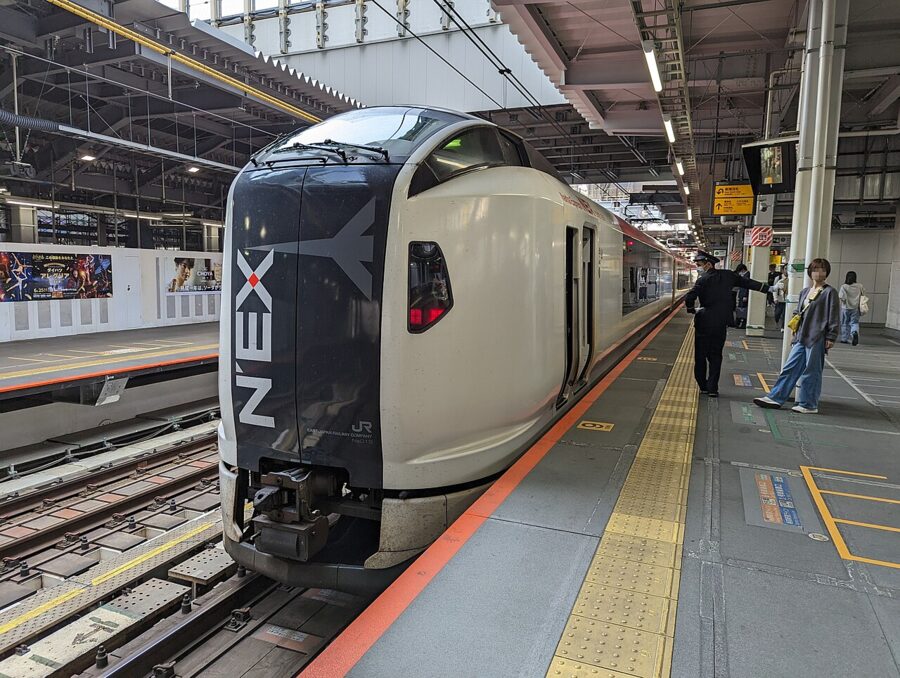
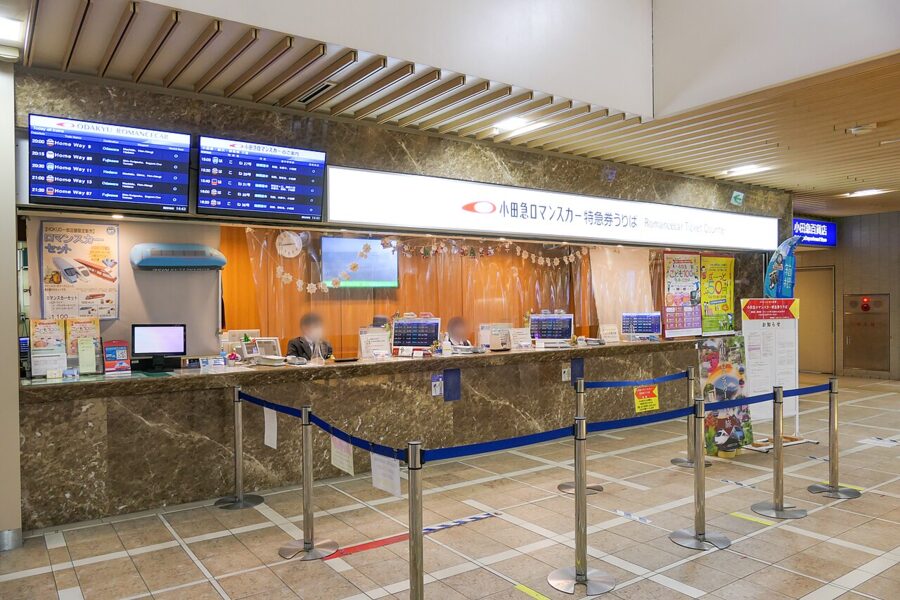
An IC card pays the base fare and nothing else. The Narita Express, the Azusa, the Fuji Kaiyu to Kawaguchiko, Keisei’s Skyliner and Odakyu’s Romancecar to Hakone all need a limited express ticket on top. JR East’s Express Train e-ticket joins the two: book the seat on JR-EAST Train Reservation, then tap your card at the gate for the fare. As of 1 November 2026 it covers more than twenty trains, from the Narita Express to the Super Tsugaru.

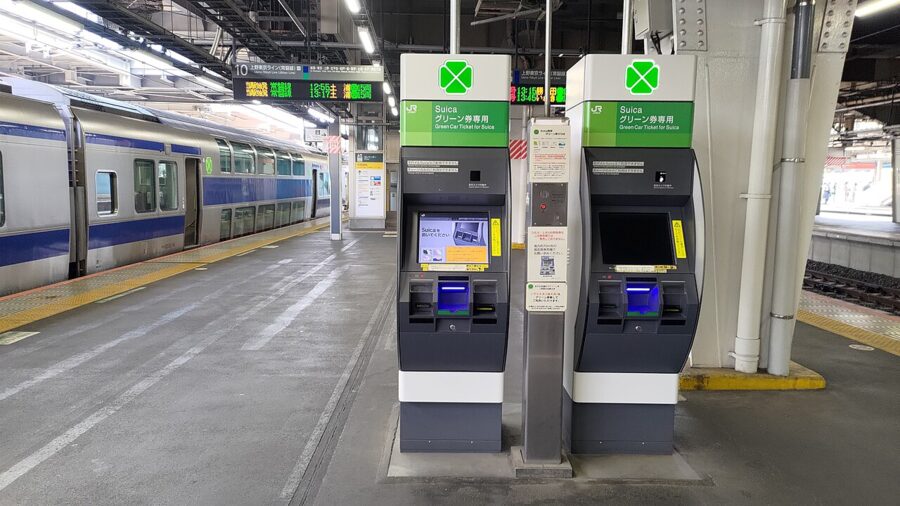
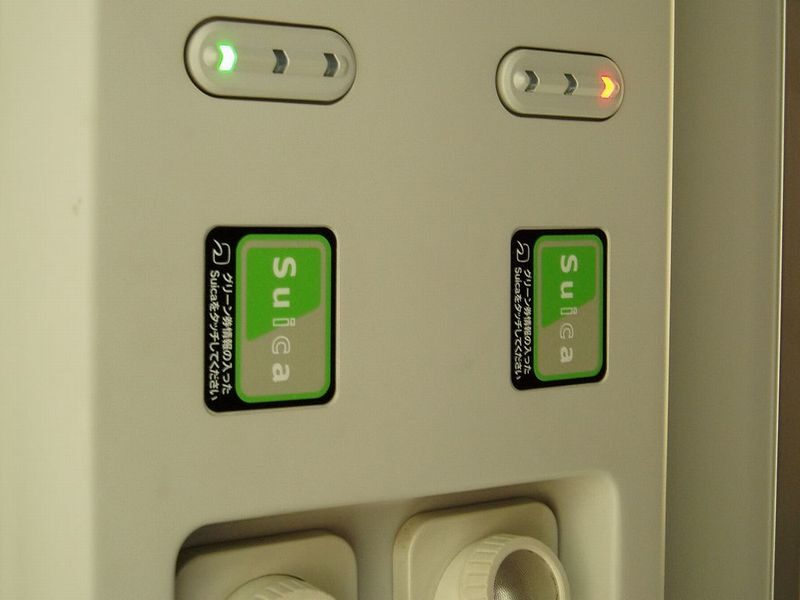
The double-deck Green Cars on JR East’s rapid and local lines, including the Tokaido, Yokosuka, Sobu Rapid, Utsunomiya, Takasaki, Joban and Chuo Rapid lines, are unreserved first class. Buy a Suica Green Car ticket at a platform machine or in the app, find a seat, and touch the card or phone to the reader above it. The lamp turns from red to green and the conductor leaves you alone.


Area boundaries
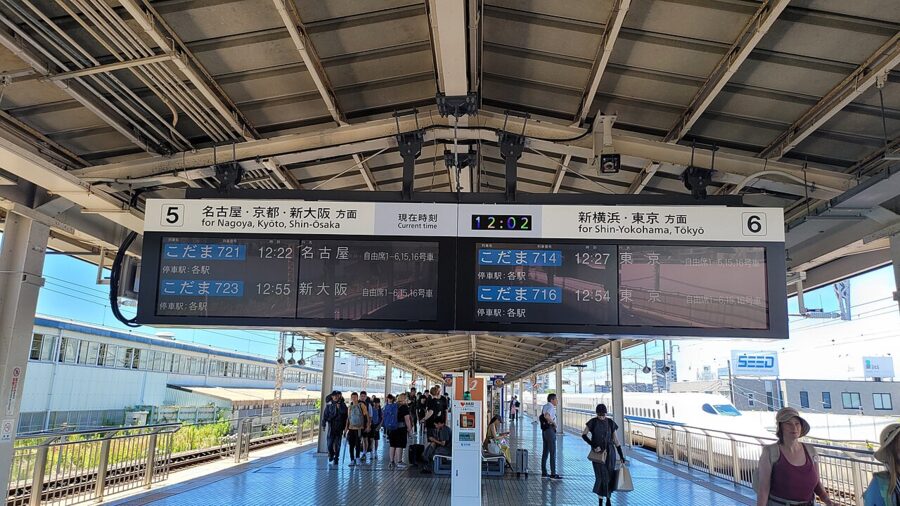
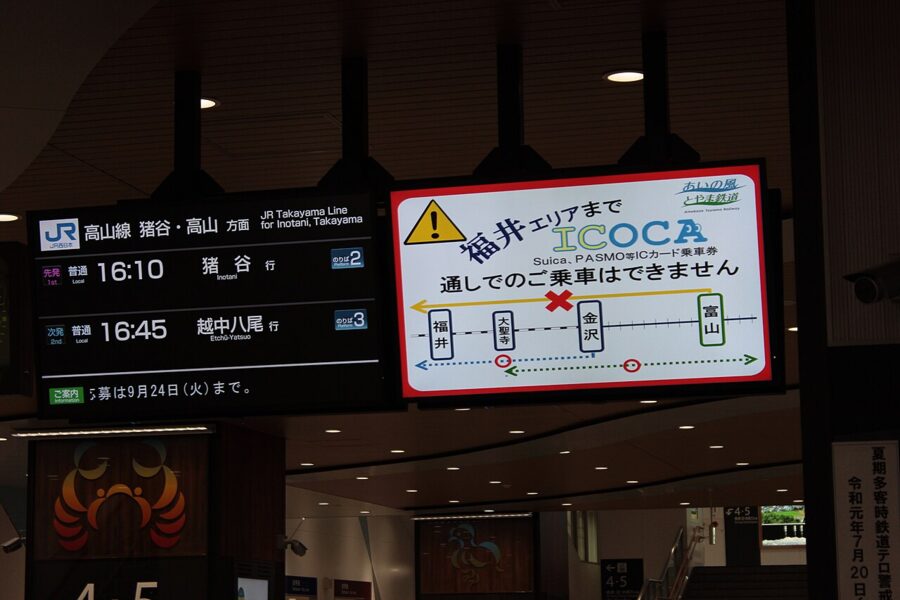
Japan’s card areas accept each other’s cards, but one tap-in, tap-out journey must start and finish inside one area. JR East’s Suica is itself split into six (Greater Tokyo, Sendai, Niigata, Aomori, Morioka and Akita), so as of November 2026 you cannot ride Tokyo to Sendai on one tap. JR Central’s TOICA rules say the same about crossing between companies’ areas. Buy a through ticket, or leave the gates at the boundary and tap in again.
That is about to change on JR East. In September 2026 it said the six Suica areas would merge at the end of the 2026 financial year, which runs to March 2027, once its server-based gate system is complete. The announcement also added 32 stations, among them Yokote, Omagari, Tsuruoka, Sakata and Kesennuma, but gave no start date. Until it does, treat the old boundaries as live.

Rural lines
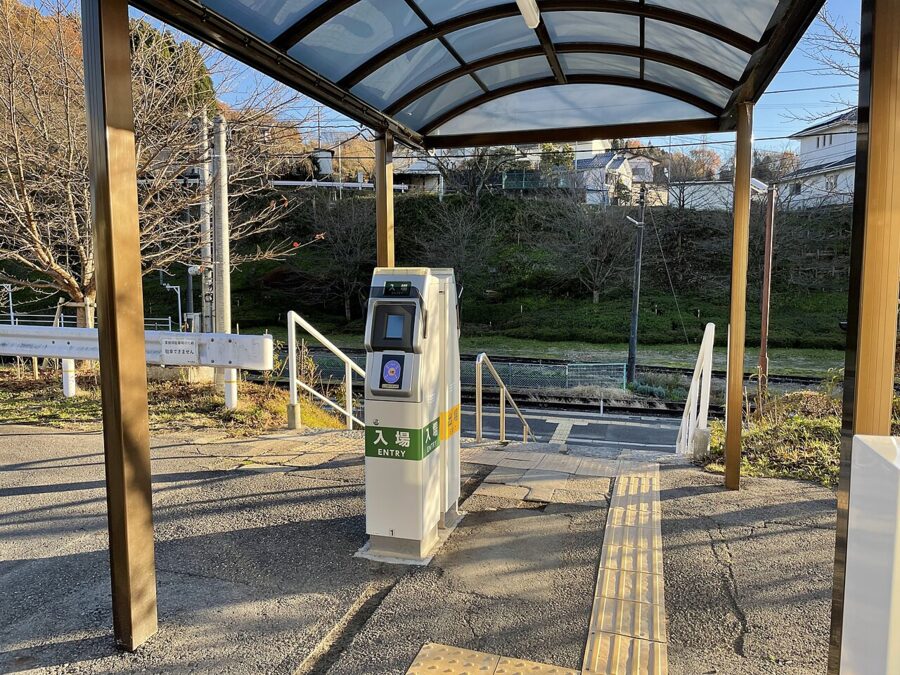
Even after the merger, only about 60 per cent of JR East’s stations will take Suica. Tablet-style readers, which JR East calls anywhere gates, are due from 2030 to cover the rest by the early 2030s. If a station has no reader at all, take a ticket from the machine or the conductor and pay cash.


Rail passes
The Japan Rail Pass is a ticket in its own right and has nothing to do with your IC card. It covers JR trains only, so on the Tokyo Metro, Toei, a private railway or a city bus you are paying with the card again. Most pass holders still want one.
The Shinkansen on a Suica
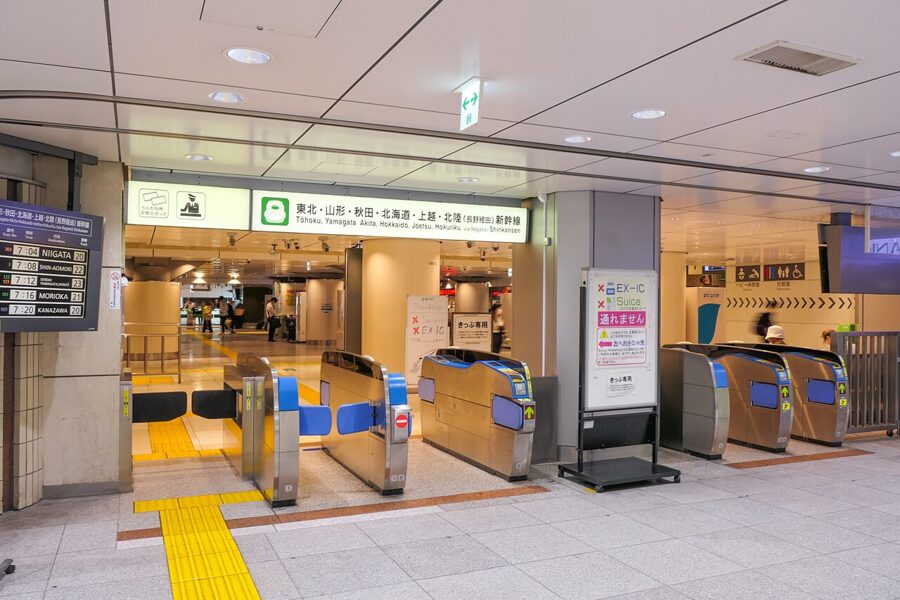
On JR East’s lines, the bullet train now takes the card. Touch de Go! Shinkansen lets a registered card ride non-reserved Shinkansen seats with no ticket: tap through the Shinkansen gate, and the fare comes off as you leave at the other end. Registration is free and once only, at a ticket machine in the Suica area or at a Shinkansen station (there is a Touch de Go button on the top-up screen), and any of the ten national cards qualifies.
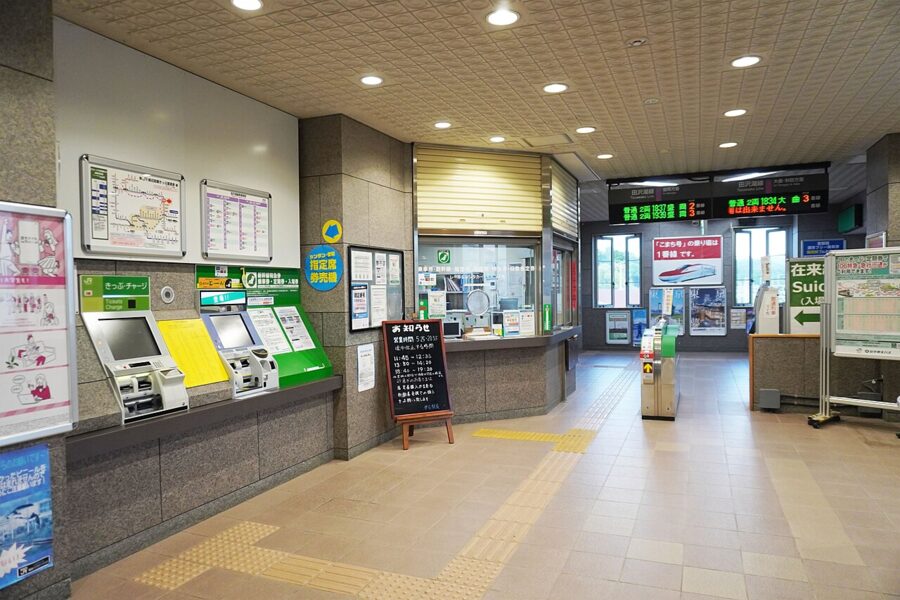

It is non-reserved only, one way, same day. The Hayabusa, Hayate, Komachi and Tsubasa are all-reserved, so Touch de Go means the trains that carry non-reserved cars, except between Sendai and Morioka and on the all-reserved stretches beyond Morioka and Fukushima, where any empty reserved seat is yours. You cannot ride through Morioka or Fukushima, or change branches at Omiya or Takasaki, on one journey. The Welcome Suica Mobile version needs no registration.
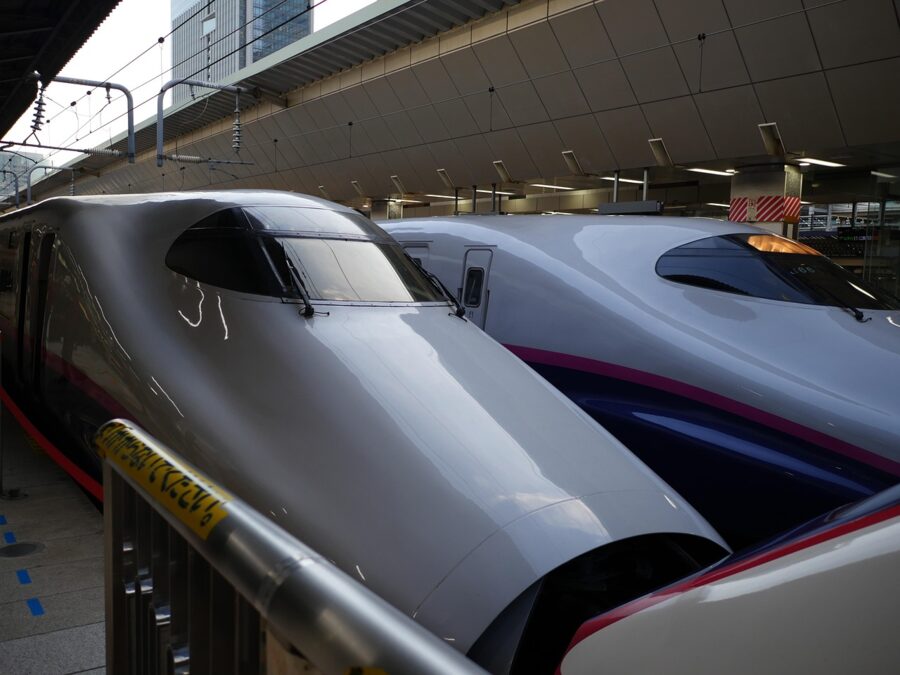
For a reserved seat, a Shinkansen e-ticket booked on JR-EAST Train Reservation (Eki-net) is linked to the IC card you tap at the gate, one card per passenger. Welcome Suica Mobile links itself; a plastic card you add to the booking.
The Tokaido Shinkansen to Nagoya, Kyoto and Osaka belongs to JR Central and uses smartEX instead. You book in the app, register your IC card to the booking, and tap it at the Shinkansen gate; the fare is charged to your credit card, not the card balance. Take the seat information slip the gate prints, because the conductor checks it.

smartEX accepts Welcome Suica, with one quirk: a card bought outside Japan must be used once at a Suica or PASMO gate before the Shinkansen gate will take it.

Children
Children aged 6 to 11 pay child fares, roughly half, and an adult card always charges adult fares. On Toei buses up to two children under 6 ride free with a paying adult. The simplest child card is a child Welcome Suica or child TOURIST PASMO, bought with the child’s passport and valid until the March after the child turns 12.
The Welcome Suica machine asks for the birth date; at a counter, staff check the passport, and a parent can buy on the child’s behalf with it. Misuse is costly: a child card used by someone too old pays the adult fare plus twice that as a penalty. A child Suica or child PASMO for a longer stay is always personalised and sold only at staffed counters with ID, and each child may hold just one child card across both brands.
Which card to get
On an iPhone, staying under six months: download Welcome Suica Mobile before you leave, set it up when you land, and skip the airport queue. If you come back every year, make a Suica in Apple Wallet instead; it does not expire and the balance waits for the next trip.
Without a compatible phone, staying four weeks or less: whichever visitor card your airport makes easiest, Welcome Suica at Narita or Haneda Terminal 3, TOURIST PASMO at Haneda Terminals 1 and 2 or Keisei at Narita. Load ¥2,000 to ¥3,000 at a time, because whatever is left when you fly home stays there.
Staying longer than 28 days, or returning next year: a standard Suica or PASMO, deposit back at the end. With children: child visitor cards, bought at a counter with passports. On a Japan Rail Pass: a card anyway, for everything that is not JR.
Then go back to that machine at Haneda, walk past the paper tickets, and tap through the monorail gate towards Hamamatsucho. The next fare you think about will be the Shinkansen’s.